
Visiting Africa, especially in the hope of viewing its iconic wildlife is one of the most sought-after adventure vacation options worldwide. That said, it is quite unlike your typical beach break or cultural getaway. Here, we take a look at what makes a safari holiday unique and how to optimize your experience.
What is a Safari?

Originating from the Swahili word for ‘journey’, the Oxford Dictionary defines a safari as “an expedition to observe animals in their natural habitat”. The keywords in that statement are ‘expedition’, which implies uncertain prospects – and ‘natural habitat’, which infers that the wildlife is free-roaming in naturally sustained ecosystems.
A true safari is wildly (pun intended) different from a visit to a zoo, sanctuary or wildlife park. In the majority of national parks and reserves across Africa, human interference in the natural processes of the ecosystem is kept to the bare minimum. The habitat and its inhabitants are subject to times of both feast and famine, and the local vet will only intervene under very specific conditions.
The environment is typically rugged, dusty and at the mercy of the weather gods, and to make matters worse, the wi-fi is usually patchy at best. On that note, in a society that craves instant gratification at every turn, short of a very expensive evacuation, you can’t just ‘nip out’ and buy your way out of a problem. The point is, that to appreciate a safari, you’ll need to get out of your comfort zone (to a greater or lesser extent depending on your budget).
Going on safari is also a relatively active holiday. There will be ample time to just relax but to experience the best it has to offer, the more you participate, the more you’ll get out of it.

While the vast majority of those who embark on a safari return with glowing reports, occasionally these are accompanied by the statement, “If only I’d known about such-and-such.” While it would be impossible to list every potential pitfall, eventuality or likely outcome, shared experiences reveal that there are things one can do both before and during your safari that will make the experience that much more enjoyable… as if just being close to Nature wasn’t reward enough.
The Gosheni guides share many decades of experience leading safaris in one of Africa’s premier wildlife destinations, interacting with people of all nationalities and walks of life. So, the suggestions listed below are a combination of their hard-won experience of many years and miles on safari. They are firm believers in the therapeutic qualities of Nature, while mindful that we are creatures of habit who think we know best. Sure, you may be the one who discovers a more efficient way to get more out of your safari than those who’ve gone before you. Or, take a moment to read through the points below and improve your experience regardless.
Researching and planning your African safari
For many, the excitement and anticipation of going on a safari starts well before the actual departure date. Thanks to its popularity and the abundance of tour operators offering their services, it pays to identify just what it is you hope to get out of the experience.

Obviously, budget will be a factor so be sure to look around online for packages that tick as many of your boxes as possible. Like any holiday, booking the cheapest option is bound to lead to disappointment in some way. Unfortunately, there are a lot of dodgy operators whose ethics (both concerning their clients and the wildlife) are dubious. So make sure to get reviews and assurances before agreeing to part ways with your hard-earned cash. Some even go so far as to seek out specialist guides. While this may up the cost, it will also up the quality of the knowledge shared.
As diverse as it is, Africa’s game parks vary greatly. While the Ngorongoro Crater is teeming with wildlife, you won’t find a single giraffe. Find out about the quality and diversity of the game viewing to avoid disappointment.
Given their popularity, it is best to book well in advance – up to a year or more to secure just the itinerary you’ve dreamed of. While there is a post-pandemic trend to travel more spontaneously, if this is a once-in-a-lifetime trip, you may as well book early. Africa is not going anywhere. You can learn a lot more about planning your first safari here.
Nature (IS NOT) on-demand when you’re on safari
Did you know it can take wildlife film crews up to five years to film a single hour-long documentary? With the luxury of time, unlimited access (and copious editing), they can put together a seemingly chronological narrative that misleads some naive safari novices to think that it’s going to be a dramatic wildlife extravaganza from sunrise to sunset (and beyond). Nope.
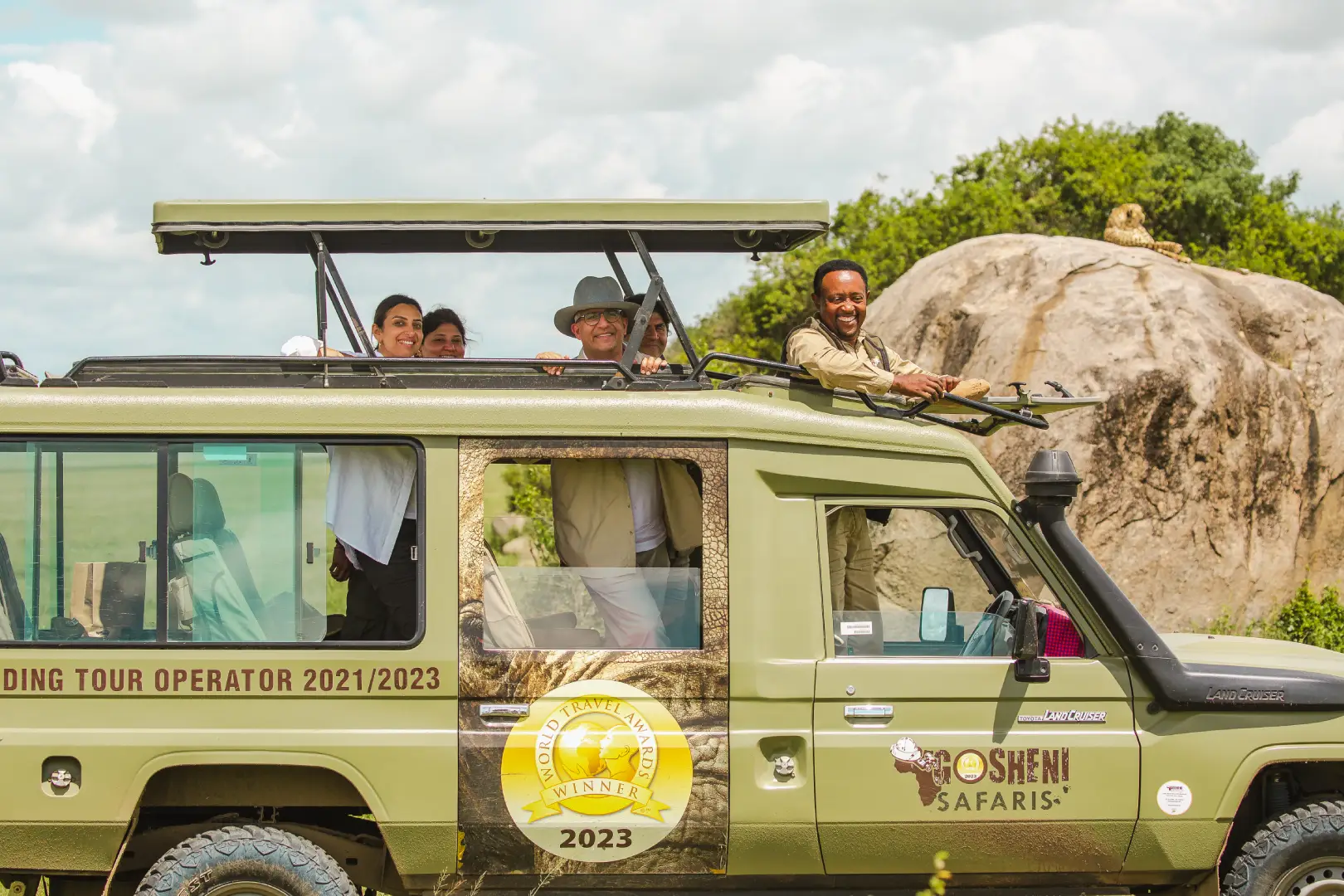
Nature moves at its own mysterious pace and many a bemused guide has had to remind guests that the only predictable thing about Nature is its unpredictability. More often than not, that pride of lions you’ve been willing to stir from their slumber will get up, stretch, walk ten paces and flop down again. By the same token, the action can escalate at lightning speed. The best approach is to let go of your expectations and appreciate every moment as it comes.
Your Guide is Your New Best Friend when you’re on safari
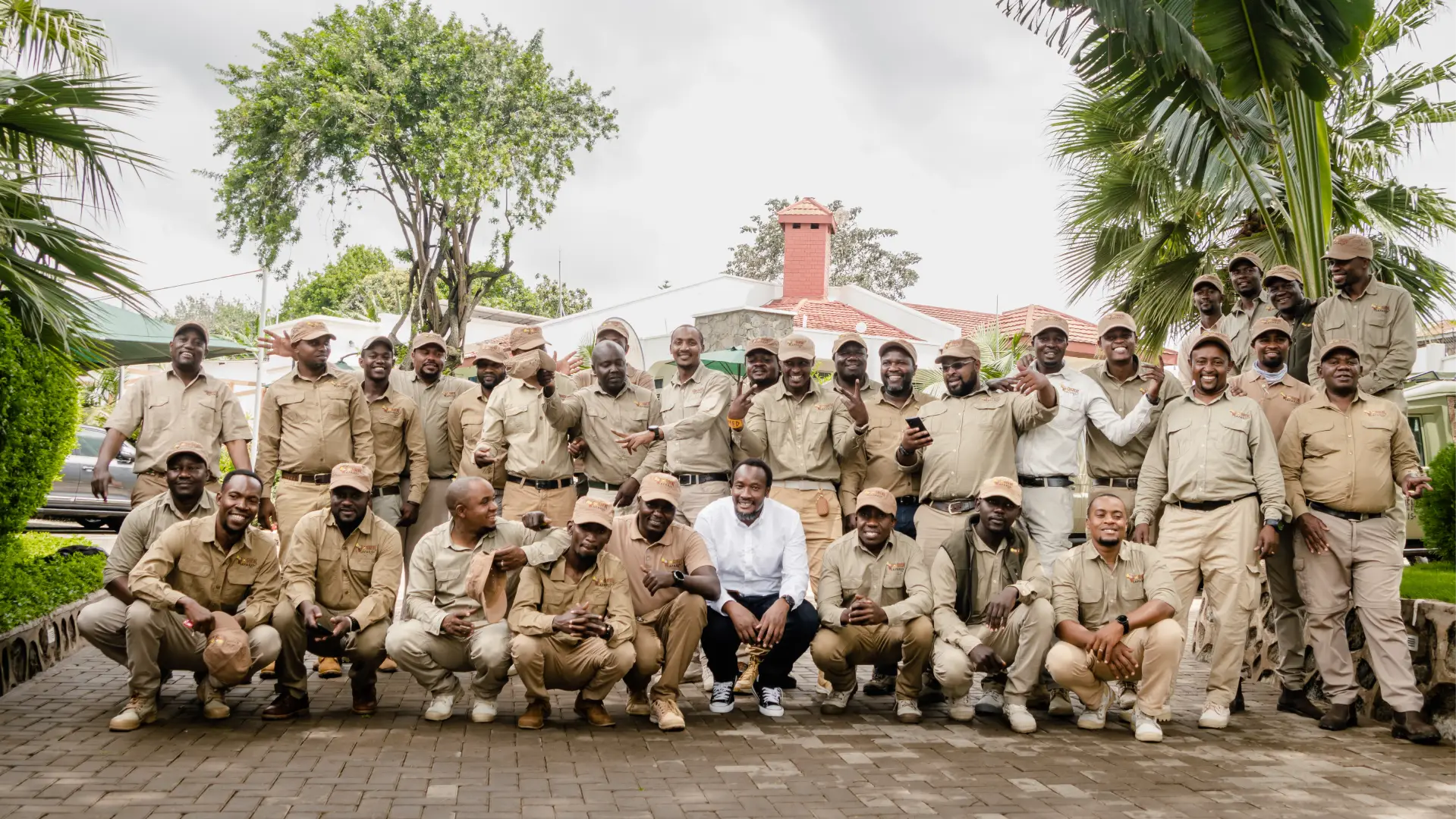
Notwithstanding the above, be sure to communicate your wishlist to your safari guide. It helps them to have an idea of what guests hope to see and will do their best to bring this to fruition. Bear in mind that you may be on a safari vehicle with others who also have their own wishlist. From this perspective, it is worth the expense to arrange a private safari. And, given human nature, it reduces the chances of your respective hopes (and personalities) clashing. As fortunate as the guides are to do what they do, often-times their wages don’t reflect the long hours, perseverance and sacrifice the job entails. So, if you’re happy with their service, be sure to tip all the staff involved in making the experience so special.
The birds and the bees and the flowers and the trees…
Through no fault of their own, many guests focus on seeing the Big 5 (lion, leopard, elephant, rhinoceros and buffalo) at the expense of everything else. Truthfully, some guides are aware of this and seek them out almost exclusively. They do both themselves and their guests a huge disservice in doing so.

There are over a thousand mammal species in Africa, each of which plays its own vital role in the ecosystem. Never mind the birds, insects, plants… even the soil. The best guides are those that weave all these things into a narrative that enlightens you regarding the fascinating complexity and interconnectedness of Nature.
I’ll add that there is also so much more than the Serengeti, Masai Mara or other trending wild expanse. Don’t limit yourself to these rightly famous destinations. You’ll see much of the same wildlife elsewhere, with the bonus that there will likely be fewer tourists too. After all, who goes on a safari to be stuck in traffic?
Early mornings are a way of life on and African safari

If you enjoy sleeping late, you may have to wait until you get home. Game drives are a staple activity on safari and they generally take place in the early morning and late afternoon, when cooler temperatures mean the wildlife is more likely to be active. Sure, you can go out in the heat of the day but for the most part, you’ll be watching animals doze (making this the ideal time to have a siesta of your own). You don’t want to be the one listening to tales of some incredible sighting because you decided to sleep in. Make the most of every moment, every activity and option that is on offer.
Essential clothing and gear when you’re on safari
While it does conjure images of clear blue skies and balmy temperatures, it does get cold in Africa at certain times of year. Considering your safari will likely entail early morning starts, be sure to pack clothing that you can layer to adjust to the ambient temperature throughout the day. A lightweight all-weather jacket is recommended at the very least. These vacations are generally a casual affair, so pack practical clothing that has a neutral color (earth tones), while avoiding bright colors, white or black. If in doubt, ask your service provider whether they have a recommended checklist.
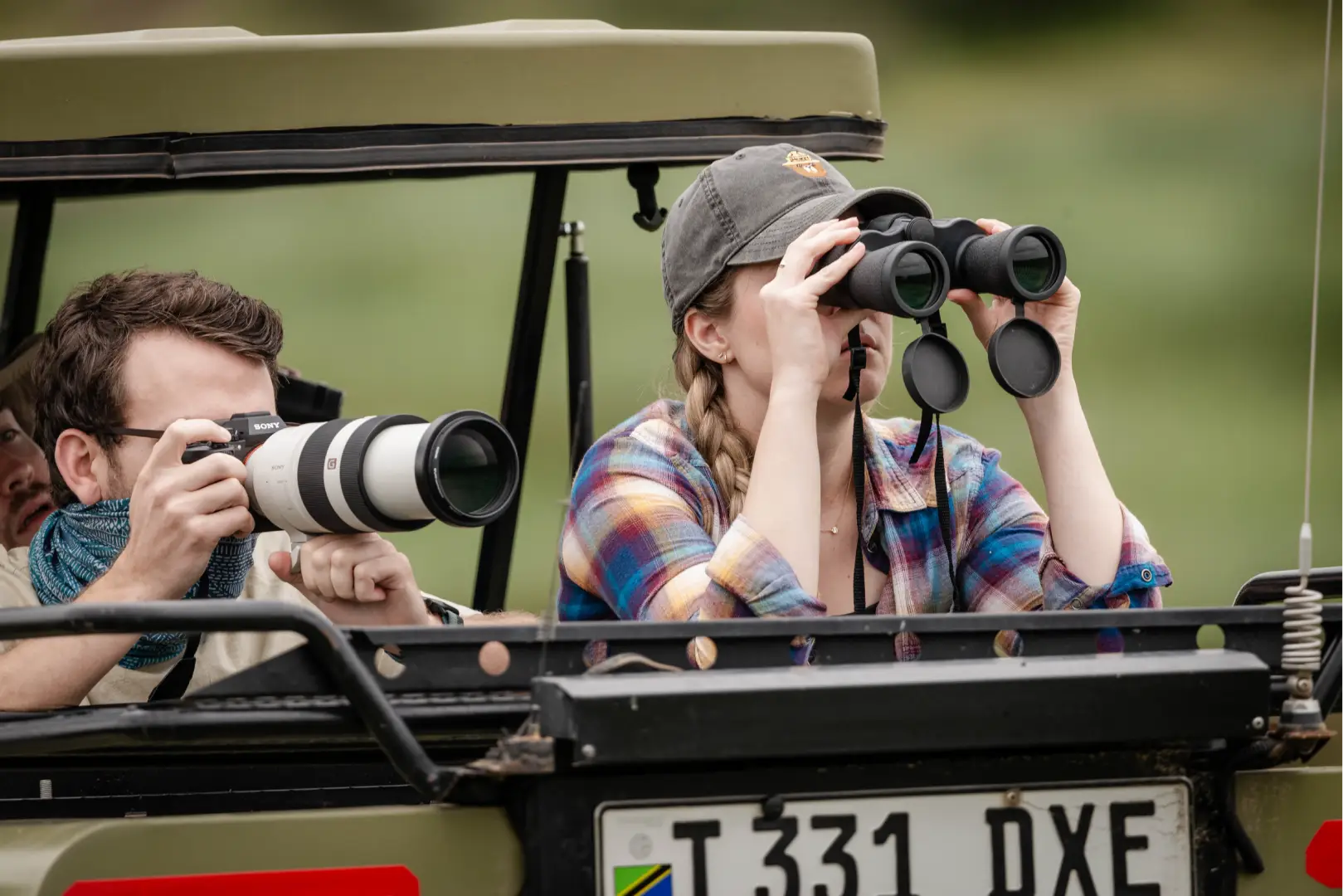
To record the various sights you’ll enjoy, many feel that a good smartphone is adequate. I feel this limits one to subjects that are up close – and this is not always the case. To remedy this there are zoom attachments which improve the situation somewhat. Better yet, investing in a so-called bridge camera with a decent zoom lens is a decision few regret.
For the serious photographer, be mindful that there is limited space on safari vehicles for all your gear. If you’re determined to prepare for every photographic eventuality, best prepare to book a private safari too (and the excess baggage fee that goes with it). Wildlife photographers often publish their gear recommendations, so do some research. Sticking with matters optical, binoculars with a focal range of 8-10×40 are ideal. I recommend one pair of binoculars per person (you’ll thank me later).
For a comprehensive packing list, see our dedicated article here [INSERT LINK]
Get out and walk to make the most of your African safari
While game drives are the usual way to experience the great outdoors on safari, if the opportunity exists at the camp you’re visiting, be sure to join the guide on a nature walk. Indeed, there are whole safaris that are done on foot in some countries. By getting off the vehicle, you are automatically that much closer to Nature. Moving quietly and at a slower pace, you’ll see much that is missed from a vehicle. You’ll also get the measure of your guide. Those that know their stuff can make a 100-yard dawdle into a journey of discovery.

Some camps also offer guests game-viewing activities on horseback, mountain bike and, for a bird’s eye-view, balloon safaris. For some, spending hours in a vehicle can soon get stale, so the option to explore in different ways is a definite consideration when planning your adventure.
Wild Means Wild
Understandably, folks who’ve grown up in urban areas might not have sufficient appreciation of the potential dangers presented by wildlife. Most safari guides will have a tale or two to tell of how an unsuspecting tourist came close to injury or worse when they made assumptions about their safety in the African wilds. You may even have seen some crazy videos of the things people think they can get away with while on safari. Your guide will no doubt give you a safety briefing before your game drive, so be sure to follow their instructions.
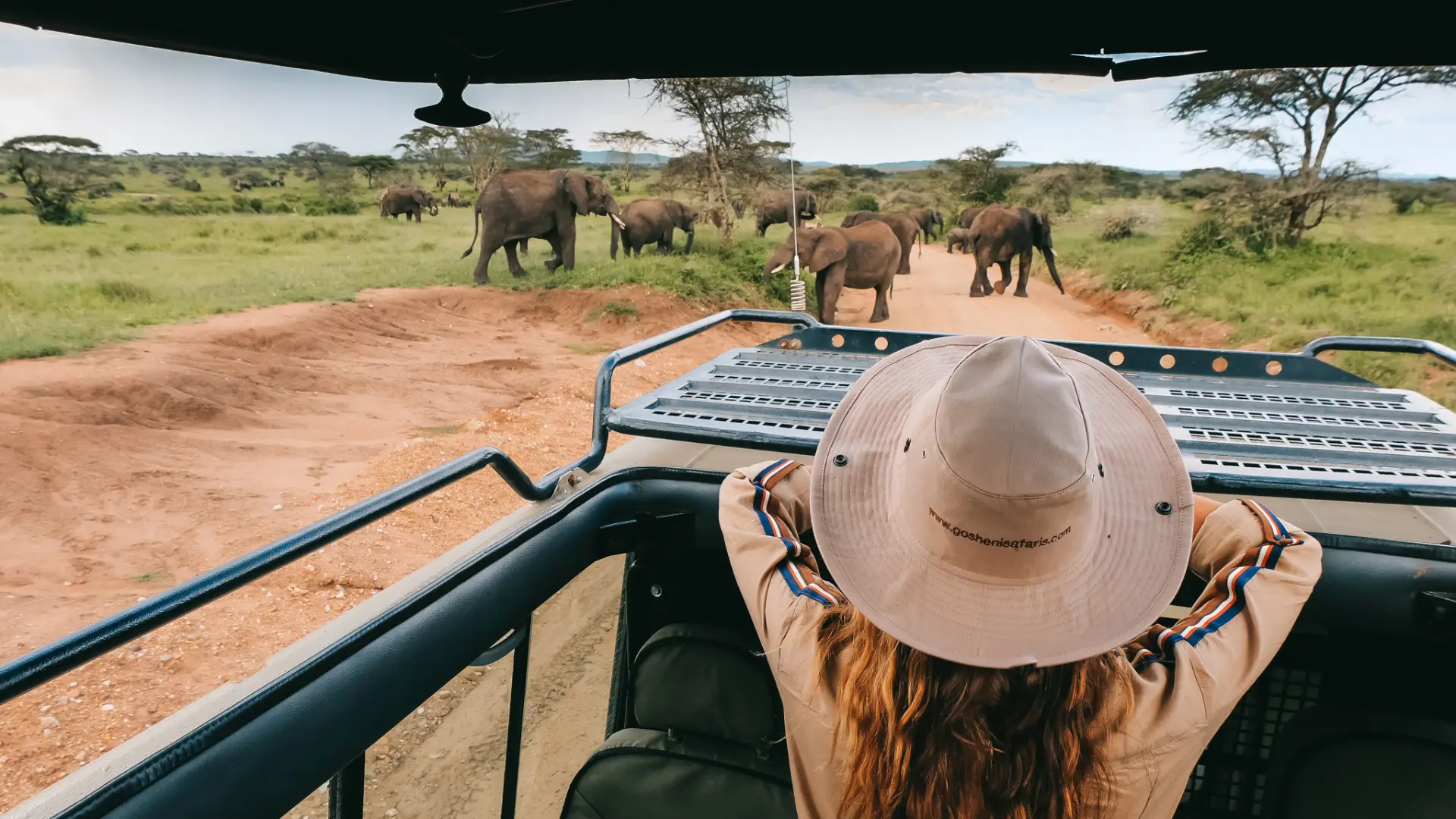
Likewise, when in the camp do not wander off into the wilds for some alone time or approach the seemingly tame animals on the manicured lawns. Treat every wild animal as wild (and potentially dangerous if it feels threatened). Crucially, do not feed any animal or bird any single thing. This practice leads to animals either becoming habituated or a nuisance, and may also adversely affect their health. There is no real solution to ‘problem’ animals and they are invariably put down if they put people or property at risk. Please don’t be that guy!
Mind Your Manners
While you are on holiday, please be mindful that you are visiting the home of another and treat it with the same respect you’d expect at home. Visiting the wilderness is a rare privilege and the adage of taking only photographs and leaving only footprints applies. If you bring any foreign object into the environment, from a candy wrapper to unwanted clothing, be sure to dispose of it responsibly. Most camps have well-established recycling protocols, so you just have to ask if you’re unsure.
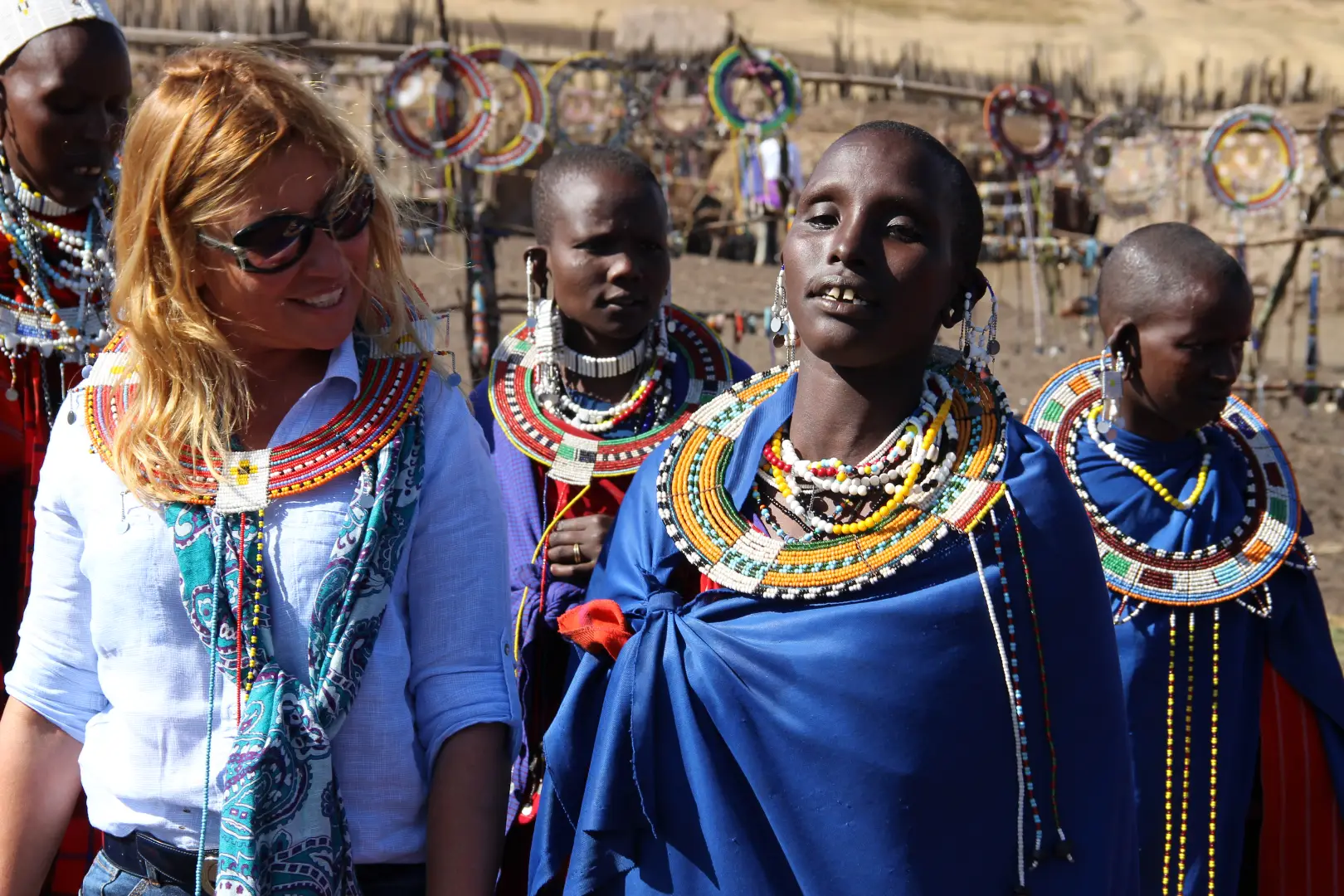
The African wilds resonate with a chorus all of its own. You’ll likely be spoiling the experience for someone if you play loud music or revel into the wee hours. If and where applicable, be sensitive to the cultural sensibilities of others and obey all local regulations. And lastly, if you are happy with the service and experience, be sure that both your gratuity and positive review are highly appreciated. In the unlikely event that something is not up to your liking, rather discuss it on-site where it can be resolved than stew about it until you get home. The folks at the lodge are in the hospitality industry, after all, and are sure to do all they can to ensure your enjoyment.
Prepare to be Amazed
Whatever your preconceptions may be, a visit to Africa is sure to surprise and delight you in many ways. It is a place of huge cultural diversity, fascinating history and a deep sense of humanity. That all this is found in a place of such natural beauty means that any taste of what it has to offer you is sure to enrich you in some way. I hope that by observing the suggestions above, your experience is significantly enhanced.


