
GOSHENI EXPERIENCE
Botswana Safari
About Botswana Safari
A wilderness wetlands in the middle of a desert. The largest population of elephants on earth. The endless struggle among predators for dominance on the plains. A kaleidoscope of color representing 615 bird species. A proud nation eager to share its cultural and natural treasures.
For those considering a safari in Botswana, this southern African nation promises an unforgettable and exciting wilderness experience. A year-round safari destination, the annual highlights include the flooding of a vast inland delta; attracting wildlife and birds from far and wide. As the rains fall, various species retrace ancient pathways in search of food, and dusty, rolling plains transform into vast meadows dotted with wildlife. Botswana’s safari industry has a justifiable reputation for delivering an exclusive, authentic safari experience.
Highlights
The Okavango Delta
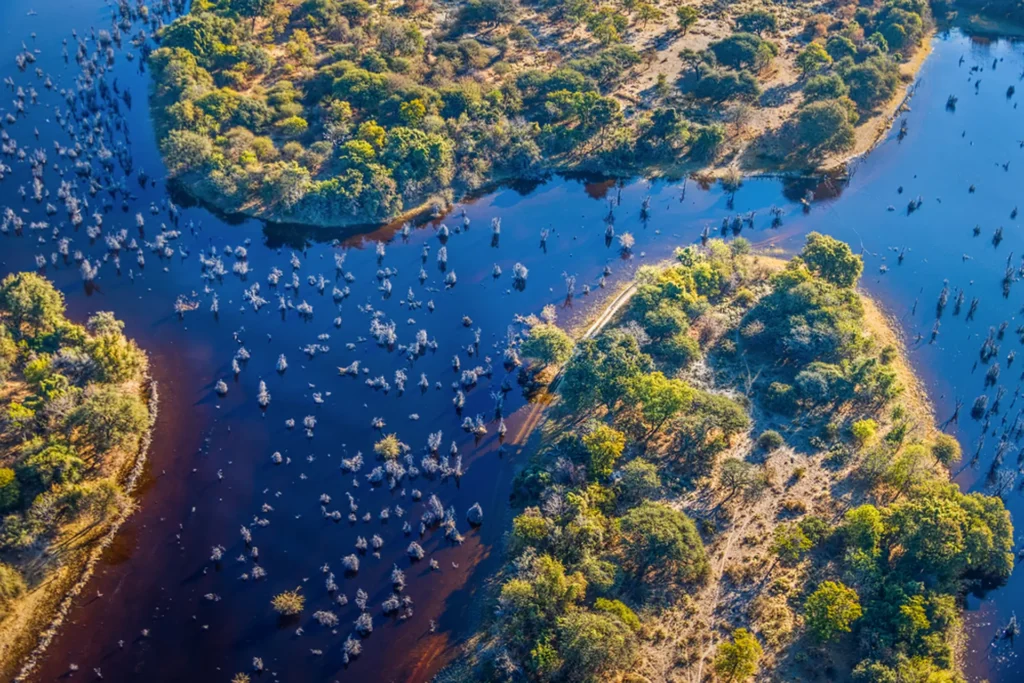
Dubbed the “Jewel of the Kalahari” this vast oasis brings life to the desert
Chobe National Park
As famous for its elephants as it is for its celebrity visitors
Predators
All of Africa’s large predators are commonly encountered
Birds
A seasonal abundance of avian life; over 600 species can be seen
Year-Round Safaris
Free-roaming wildlife shifts seasonally across the vast landscape.
Activities
Game Drive
View the wildlife in the comfort of customized open-top safari vehicles.
Night Game Drive
In certain areas visitors get a rare glimpse of nocturnal wildlife during spotlit excursions.
Horseback Safaris
Walking Safaris
Experience the thrill of encountering big game on foot, while learning about nature’s finer details.
Mokoro Trips
Birdwatching
Boat Trips
Sundowner Cruise
Hot-air balloon Safari
Cultural Encounters
Meet the indigenous San people and learn more about their ancient culture and traditions.
Quad Bike Safaris
Most Popular Botswana Safari
- 12 Days
- Botswana

- VICTORIA FALLS, CHOBE, BARANGWE PAN, SAVUTI, KHWAI, OKAVANGO DELTA
- 13 Days
- South Africa, Botswana
- VICTORIA FALLS, CHOBE, KRUGER, LETABA, CAPE TOWN
Top Safari Destinations
Northern Botswana
The destination of choice for most visitors to Botswana and the setting for countless wildlife documentaries, this area showcases pristine nature fit for royalty. This area includes the Okavango Delta – an expansive inland delta where the desert is transformed overnight into a vibrant wildlife oasis.
Moremi Game Reserve: Within the greater delta region, Moremi’s predator population finds ample prey in the teeming grasslands.
Kwando Concession, Selinda & Linyanti Concessions: Privately managed, this area promises pristine wilderness and absolute exclusivity.
Chobe National Park: The most visited national park in Botswana, it has more elephants per square kilometer than any other place on Earth.
Central & Southern Botswana
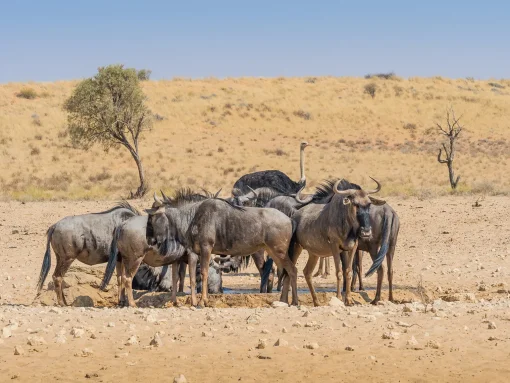
Much of this area is dominated by the vast Kalahari Desert, and is home to species that have evolved to thrive in this seemingly inhospitable environment. The opportunities for unique wildlife encounters here are as endless as the savannahs that stretch to the horizon.
Central Kalahari & Khutse Game Reserves: Easily Botswana’s largest conservation area, this desert habitat has a shifting wildlife population dictated by the seasons.
Kgalagadi Transfrontier Park: Straddling the border with South Africa, this vast area is for die-hard wildlife and nature enthusiasts only.
Eastern Botswana
Included in this area are the world’s largest salt pans. It is also home to recently discovered zebra migrations, vast seasonal concentrations of birdlife and a huge private game reserve offering a host of exciting activities.
Makgadikgadi & Nxai Pans National Parks: These unique areas are dominated by extensive salt pans that transform into wildlife oases during the Wet Season.
Northern Tuli Game Reserve: An extensive privately owned game reserve on the eastern border, it promises excellent game viewing and exciting activities.

Select tours based on when you will come
- 13 Days
- South Africa, Botswana
- VICTORIA FALLS, CHOBE, KRUGER, LETABA, CAPE TOWN
- 12 Days
- Botswana
- VICTORIA FALLS, CHOBE, BARANGWE PAN, SAVUTI, KHWAI, OKAVANGO DELTA
- 12 Days
- Botswana
- VICTORIA FALLS, CHOBE, BARANGWE PAN, SAVUTI, KHWAI, OKAVANGO DELTA
- 6 Days
- Botswana
- OKAVANGO DELTA, CHOBE, VICTORIA FALLS, CHIEF'S ISLAND
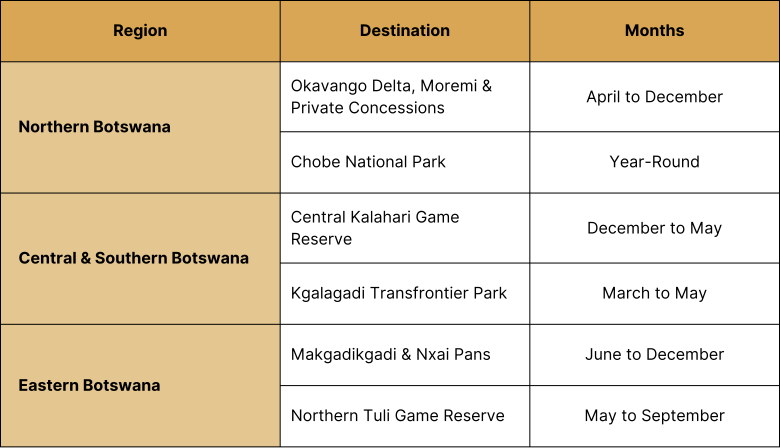
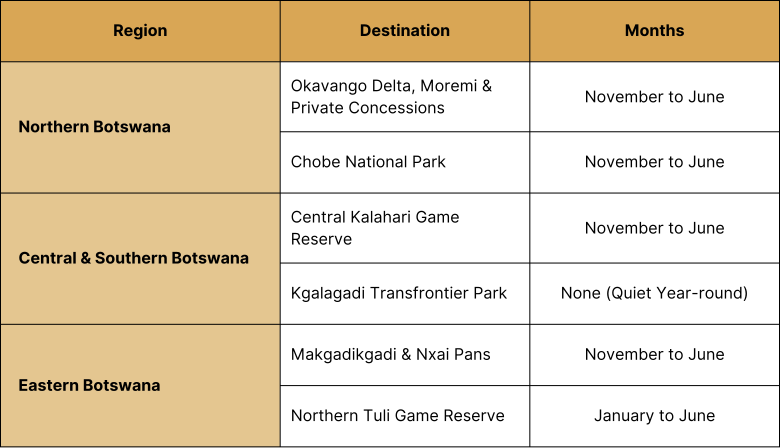
Best Time To Go
- Best Time
- High Season
- Low Season

Frequently Asked Questions About Botswana Safari
Get answers to common questions about traveling to Botswana Safari for a hassle-free experience.


