
DISCOVER THE UNEXPECTED
Capturing Tanzania:
A Guide to Photographic Safaris with Gosheni Safaris
Table of Contents

Why Choose Tanzania for Photographic Safaris?
Diverse Wildlife

Stunning Landscapes
Even the place names evoke images in the mind… Serengeti, Ngorongoro, Kilimanjaro. Yet seeing them in real life is an opportunity to capture the wilderness in a single frame. In the Serengeti, the endless, golden plains fuse with the impossibly blue sky. The Ngorongoro Crater – lush and fertile – is like a land that time forgot, dotted with abundant life. While the world’s tallest free-standing mountain, Mount Kilimanjaro, appears to exude arrogance as it looms over the surrounding landscape. All these and an infinite array of individually breathtaking landscapes are bathed in a light so warm and crisp that one is torn whether to photograph or just gaze in slack-jawed wonder. One moment lush and green, the next sparse and drab, the landscapes of Tanzania are a topic in their own right.
Cultural Richness
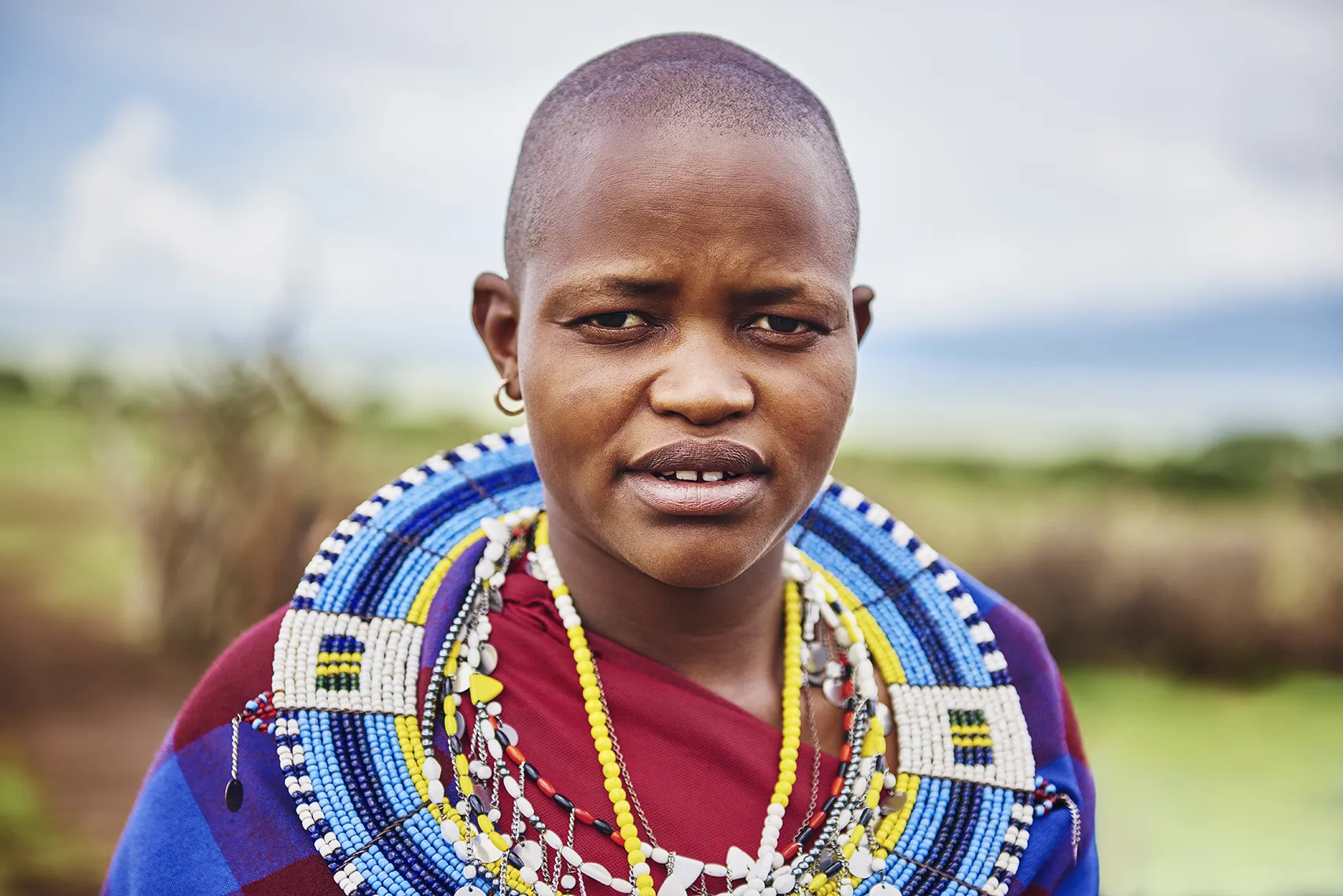
Tanzania is not just about wildlife; it’s also a land rich in culture and tradition. The Maasai people, with their vibrant attire and traditional lifestyle, offer unique cultural photography opportunities. Capturing the essence of local life, from bustling markets to serene village scenes, adds a profound depth to your photographic portfolio.
Of course, Tanzania is not just about its wildlife. It is a nation rich in culture, history and tradition. Very much part of the Tanzanian safari tradition, cultural encounters offer ample opportunity to capture moments ranging from idyllic pastoral life to frenzied rhythmic dances. You’ll travel far and wide to capture a smile as warm and welcoming as those seen across Tanzania. Always be sure to obtain permission from the people you wish to photograph and expect to be asked for payment.
Best Times to Visit
Seasonal Highlights
The timing of your visit can significantly impact your photographic safari experience. Here’s a breakdown of what you can expect in different seasons:
- Great Migration (June to October): Dubbed “The Greatest Show on Earth”, the mass migration of over a million wildebeest and other herbivores, crossing crocodile-infested rivers and running a gauntlet of predators offers photographers a wealth of opportunity.
- Calving Season (January to March): The near-simultaneous arrival of thousands of newborns presents numerous predator-prey interactions interspersed with moments of tenderness.
- Dry Season (June to October): As water becomes scarce, wildlife concentrates around water sources, making for easier photography in sparse, clear-skied conditions.
- Green Season (November to May): With the rains, lush growth and great concentrations of birdlife make for colorful imagery.
Top Photographic Safari Destinations


Ngorongoro Crater
Tarangire National Park


Lake Manyara National Park
Nyerere National Park

Preparing for Your Safari
Logistical Considerations
Proper preparation ensures a comfortable and enjoyable safari experience. Depending on how seriously you take your photography will be a determining factor in what gear to take. One also has to bear in mind that there may be luggage and space limitations, depending on how you travel.
If you will be flying between parks or lodges, this will typically be in a light aircraft so it is worthwhile checking luggage allowances to ensure you don’t have to leave anything behind.
If you are serious about your photography and are hoping to decide how long you will spend when and where while on game drives, you should book a private safari out of consideration for others and your own needs.
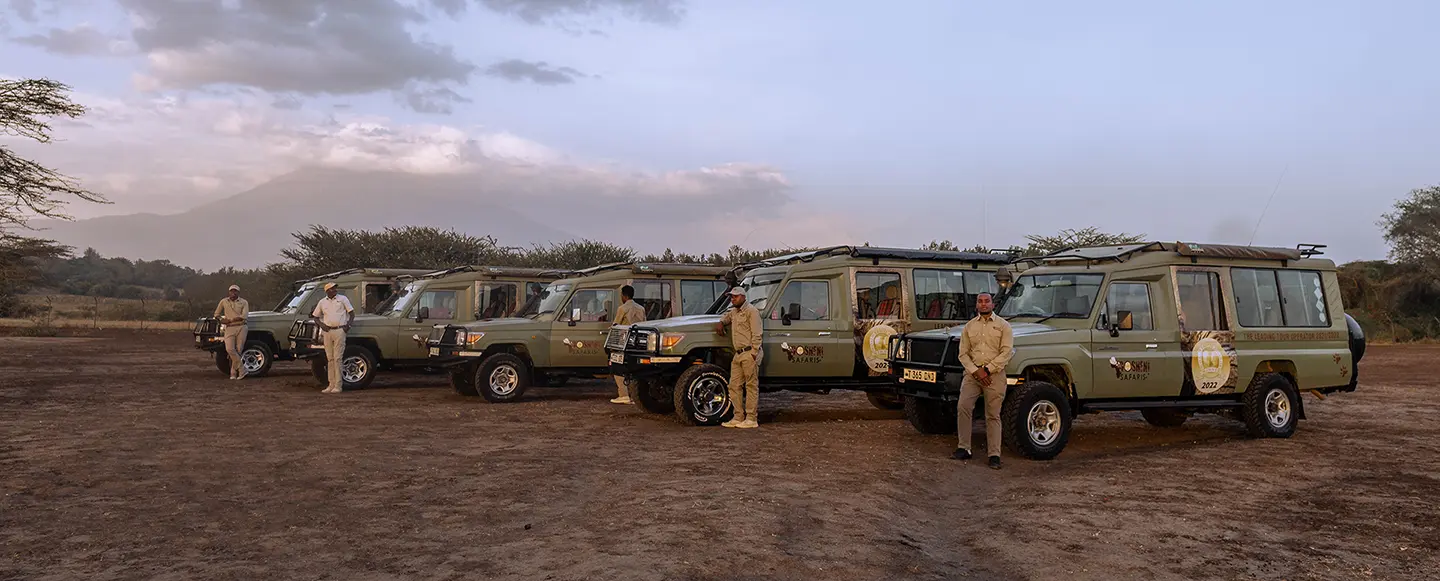
At Gosheni Safaris, our safari vehicles have either 4 or 7 seats. The vehicles are well-equipped with safari essentials and have pop-up roofs and large windows for clear sight lines. For serious photographers, we would recommend a maximum of two people in a 4-seater and 3 in a 7-seater to ensure unobstructed viewing and sufficient space for gear.
Packing Essentials

Health and Safety
Camera Gear Recommendations
Bodies
Bridge cameras offer the casual photographer a great balance of portability and functionality, with some boasting zoom capabilities that are astonishing. Easily packed in a daypack, these are ideal for those who want to travel light but still get great images.
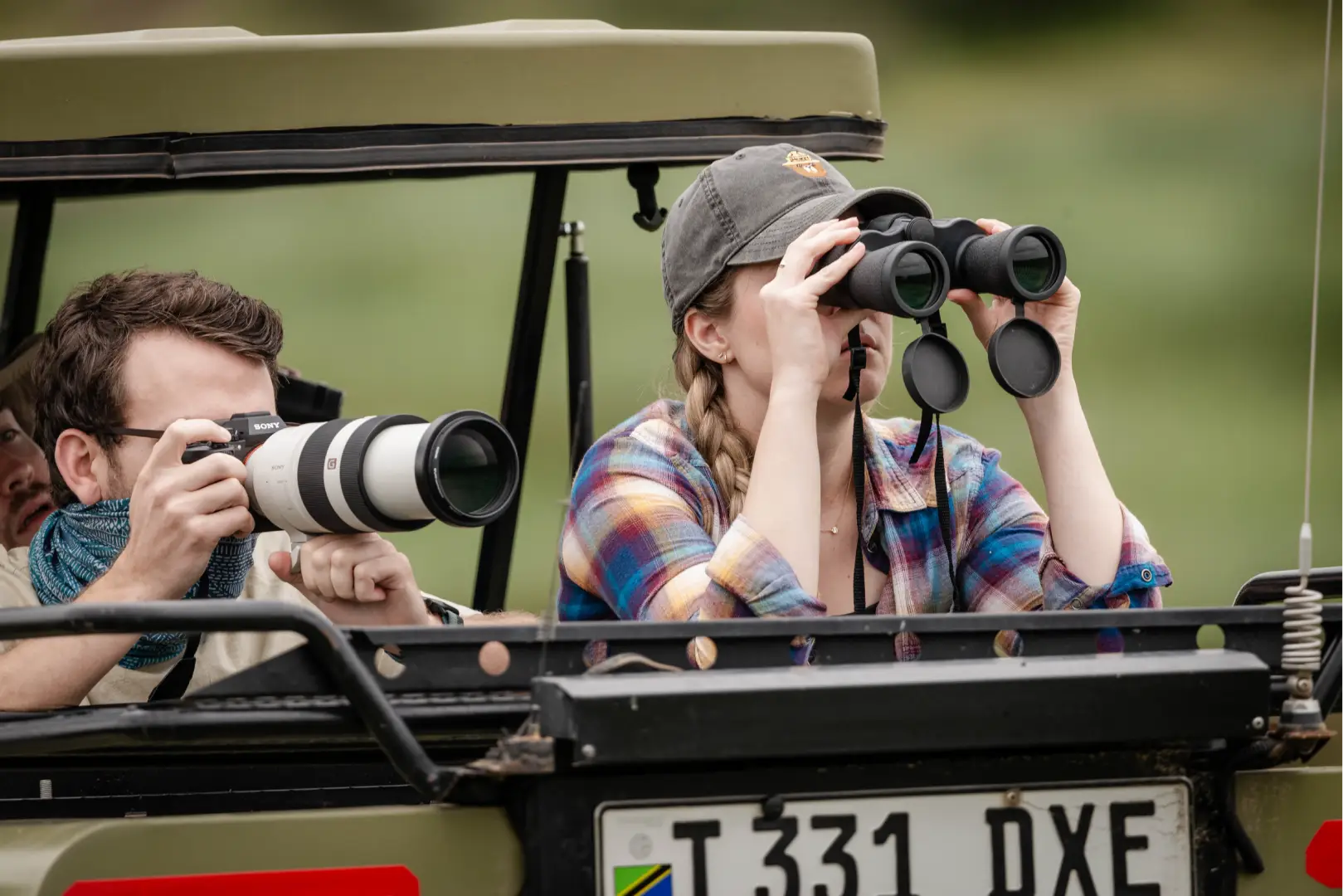
If you are using a DSLR (digital single lens reflex) or mirrorless camera, you will want a body with fast auto-focus and superior low-light performance. A second body, allowing you to have both a wide-angle and a telephoto ready for action is a good idea, if practical. Additional batteries and memory cards are suggested and be sure to pack the necessary chargers, cables and related accessories. Enquire with your tour operator to confirm access to charging facilities, both in camp and on the vehicle.
Lenses
Your choice of lenses, especially if there are luggage or space limitations, can be a difficult decision if you have lots of gear to choose from.
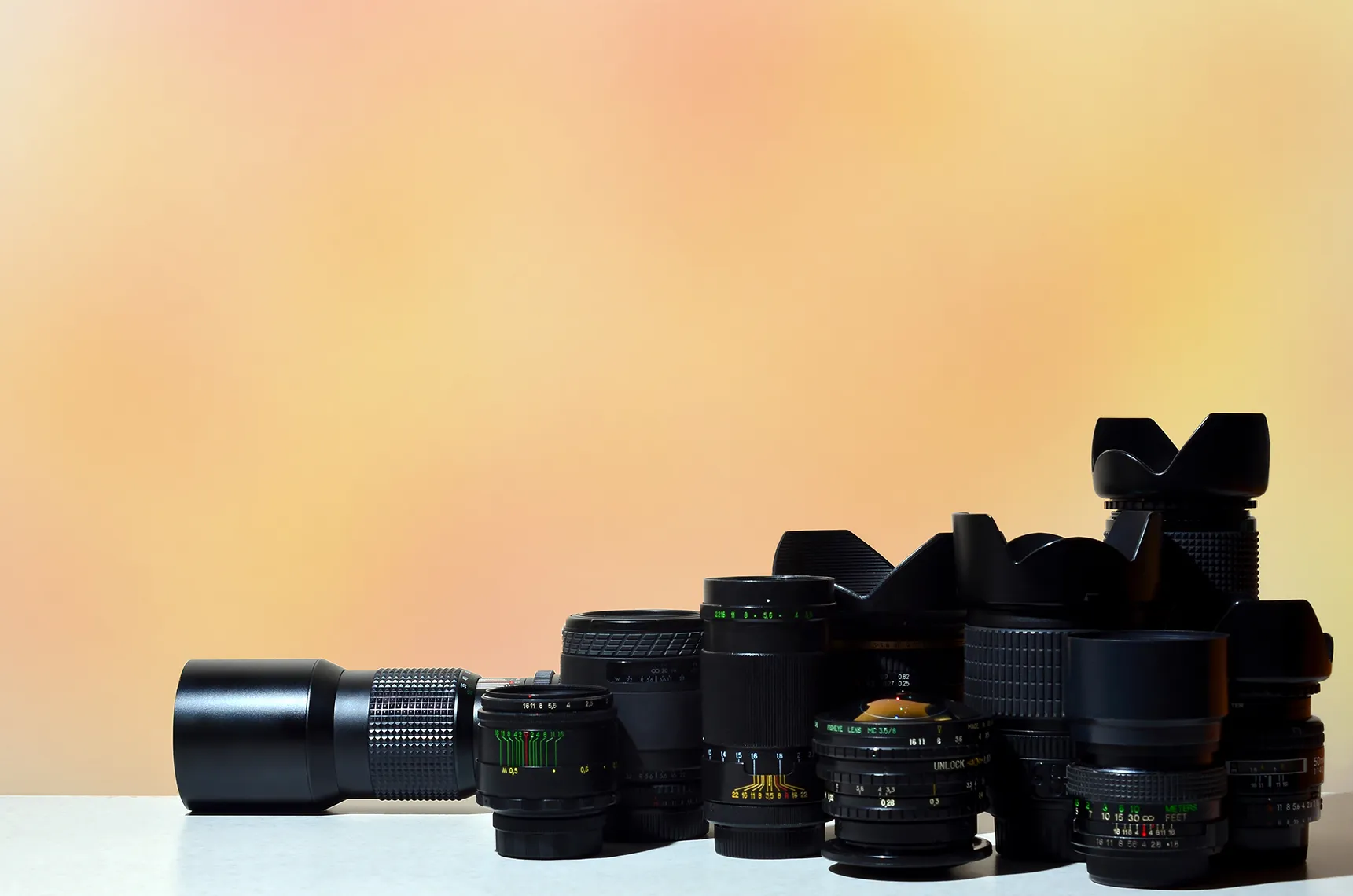
A telephoto lens exceeding 300mm is recommended. Telephoto zoom lenses, such as the 100-400mm or 150-600mm give photographers flexibility, while larger prime zoom lenses, such as the 500mm f/4, generally have better low-light capabilities but are more bulky. Smaller zoom lenses, like an 80-200mm f/2.8 are versatile and can be stepped up with a converter, or used stock for landscapes, portraits and wildlife.
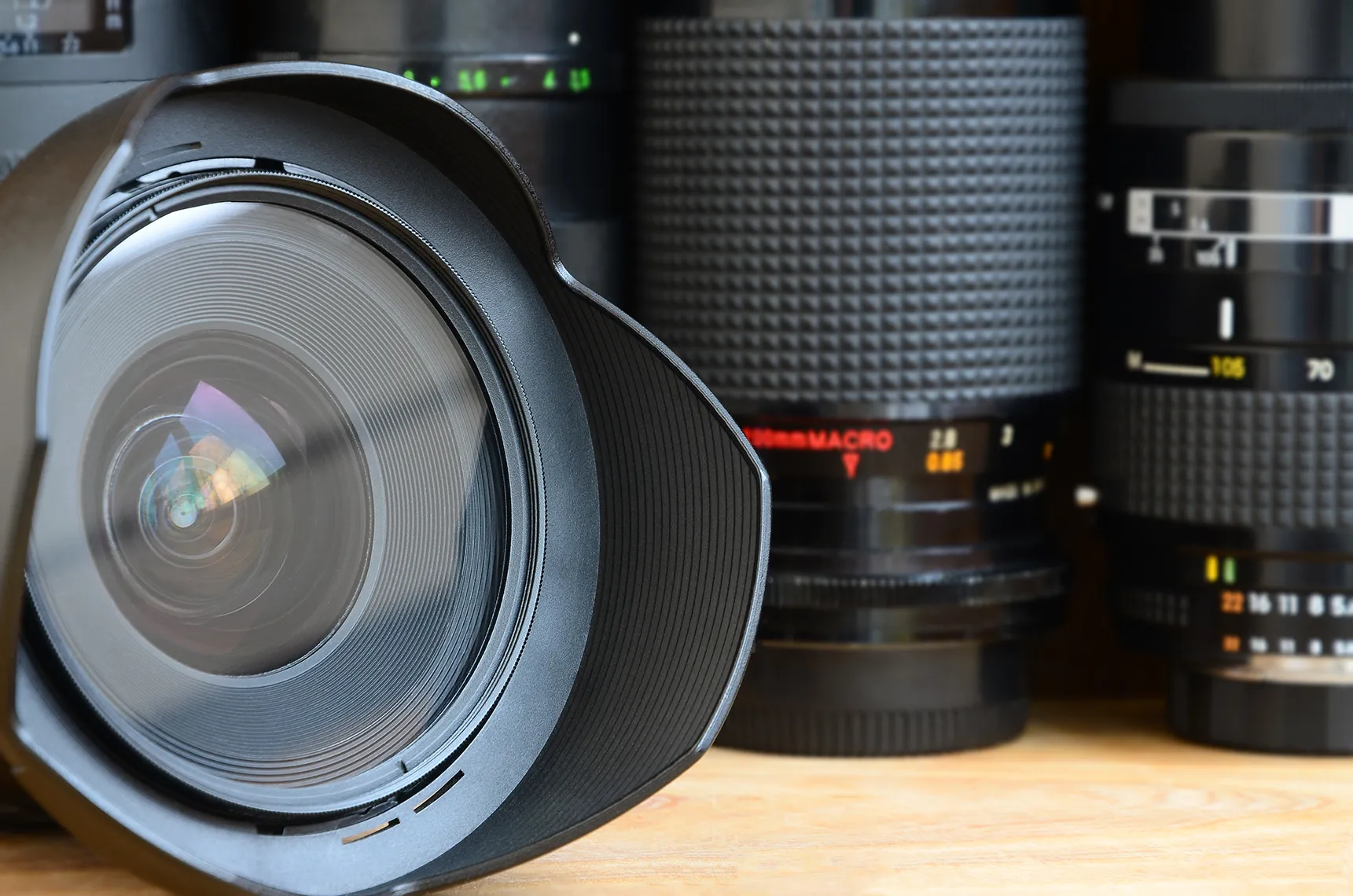
Scenery and landscapes require wider perspectives, so the 24-70mm is a popular option for this. You can also include an even wider zoom lens, or a couple of prime lenses, as wide as 10mm, though fish-eye lenses don’t really lend themselves to nature photography. If you’ll be taking nature walks, a macro lens will let you capture the finer details often missed on game drives. The most efficient mix of lenses, in the author’s opinion, are:
- 1 x wide-angle prime with low f.stop if you plan on taking starscapes (optional)
- 1 x wide-angle zoom, e.g. 10-22mm for landscapes
- 1 x short telephoto zoom, e.g. 24-70mm for portraits and landscapes
- 1 x medium telephoto zoom, e.g. 80-200mm for portraits and wildlife. If you have a low f-stop lens, consider a 1.4x or 2x converter for added versatility.
- Telephoto lens exceeding 300mm, for wildlife and birds
Stabilizers
Stability is crucial in wildlife photography. However, space restrictions may make carrying a tripod or monopod impractical. If you do choose to pack either of these, ensure they are lightweight and compact. Soft bags resting on a steady surface can dramatically improve stability. To save space and weight when traveling, pack a zippable cloth bag and fill it with uncooked rice or dry beans when at your destination. Mountable camera brackets are a compact and portable option too. Unless you will be staying in an area where night drives are available, a camera flash is unnecessary.

Gear Care

Note that the use of drones in Tanzania’s national parks is generally forbidden. Numerous permits are required to obtain an exemption and are usually only issued to top-tier film crews.
Technical Tips
- Lighting Conditions: The best natural light is during the early morning and late afternoon “golden hour”. Using a higher ISO setting is recommended in low light. Look for dramatic silhouettes against sunrise/sunset.
- Action Shots: Shutter speeds over 1/1000s freeze motion, while continuous shooting mode increases the chance of capturing a unique moment. Practice panning techniques before arrival.
- Close-ups and Portraits: Use the lowest f-stop possible to isolate your subject from the backdrop and create bokeh.
- Framing: Frame your shot with natural elements, like vegetation.
Rule of Thirds: Off-center placement of your subject creates a more dynamic composition.
Responsible Wildlife Photography
Maintaining ethical practices is crucial for the well-being of the animals and the sustainability of the environment:
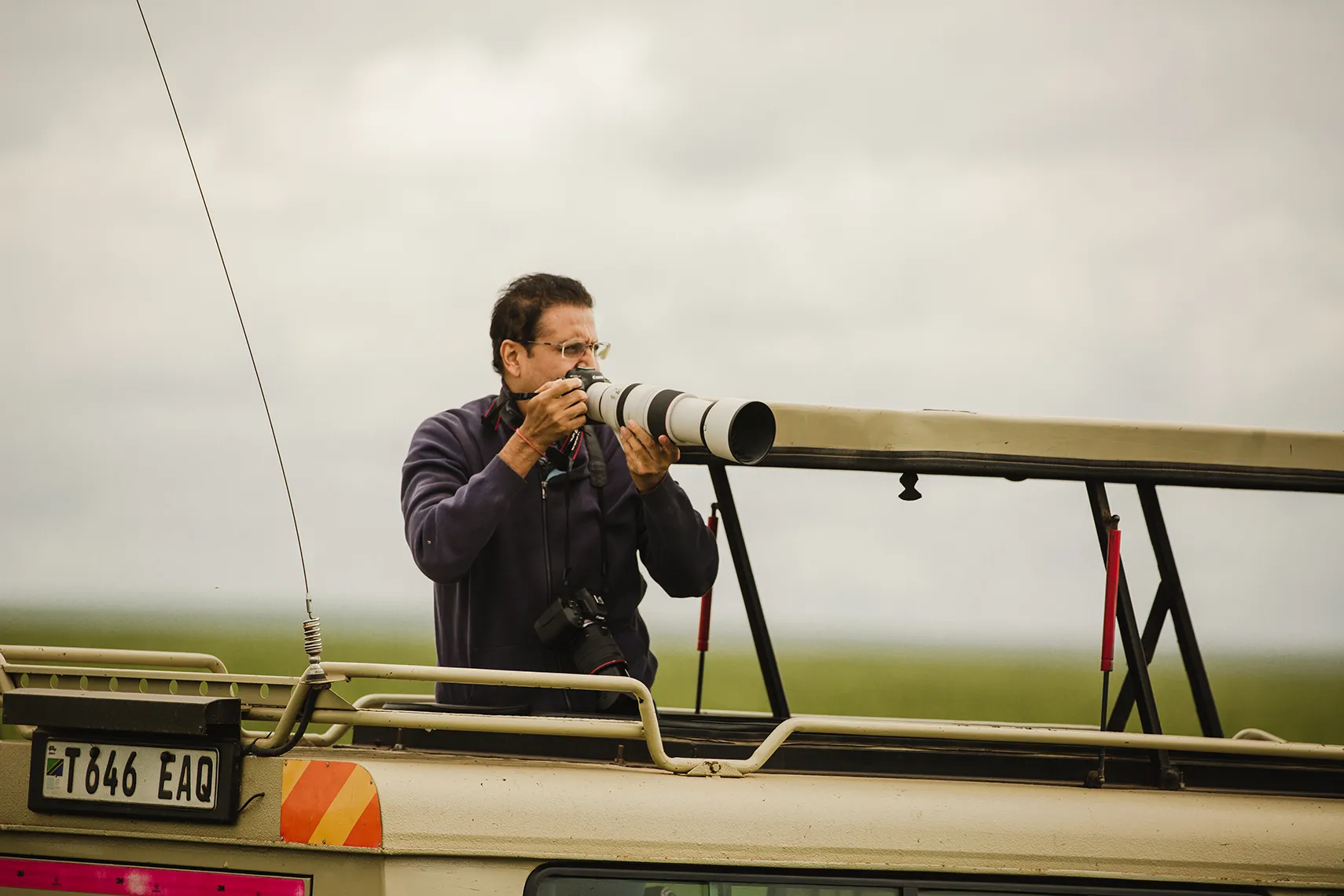
- Keep a Safe Distance: Use a telephoto lens to avoid disturbing the wildlife. Be respectful of wildlife “comfort zones”. Do not push your guide to get closer to wildlife.
- Minimize Noise: Excessive noise must be avoided. Do not use noise to influence wildlife behavior. Use your flash sparingly, particularly with diurnal species in low light.
- Stay in Your Vehicle: This is essential both for your safety and to avoid stressing wildlife. It is generally forbidden to leave your vehicle within a national park, except at designated sites and camps.
- Leave No Trace: Take only photographs and leave only tracks. No one likes to see used tissues or plastic bags in nature.
- Eco-Friendly Practices: Use rechargeable batteries and avoid single-use plastics.
- Support Conservation: Choose safari operators that support local conservation efforts.
Working with Guides
Experienced guides can enhance your photographic safari experience and will go out of their way to accommodate you in any practical way. If you are on a shared vehicle, be mindful of the needs of your fellow guests and the responsibility your guide has to the group as a whole. If you have a private vehicle, establishing a good rapport with your guide will enhance the prospects photographically.
Before setting out, have an informal discussion describing your needs. Ask about any practical issues that may affect your guide’s ability to deliver on requests. If possible, find out about the different guides used by your tour operator and ask for a guide that has photographic knowledge/skills. They will automatically look to position you for photography, to get the best light and minimize undesirable backgrounds.
Remember, safari guides are experienced, trained professionals who have an excellent understanding of animal behavior and intimate knowledge of the environment. Let them do what they do well, and focus on your photography.


