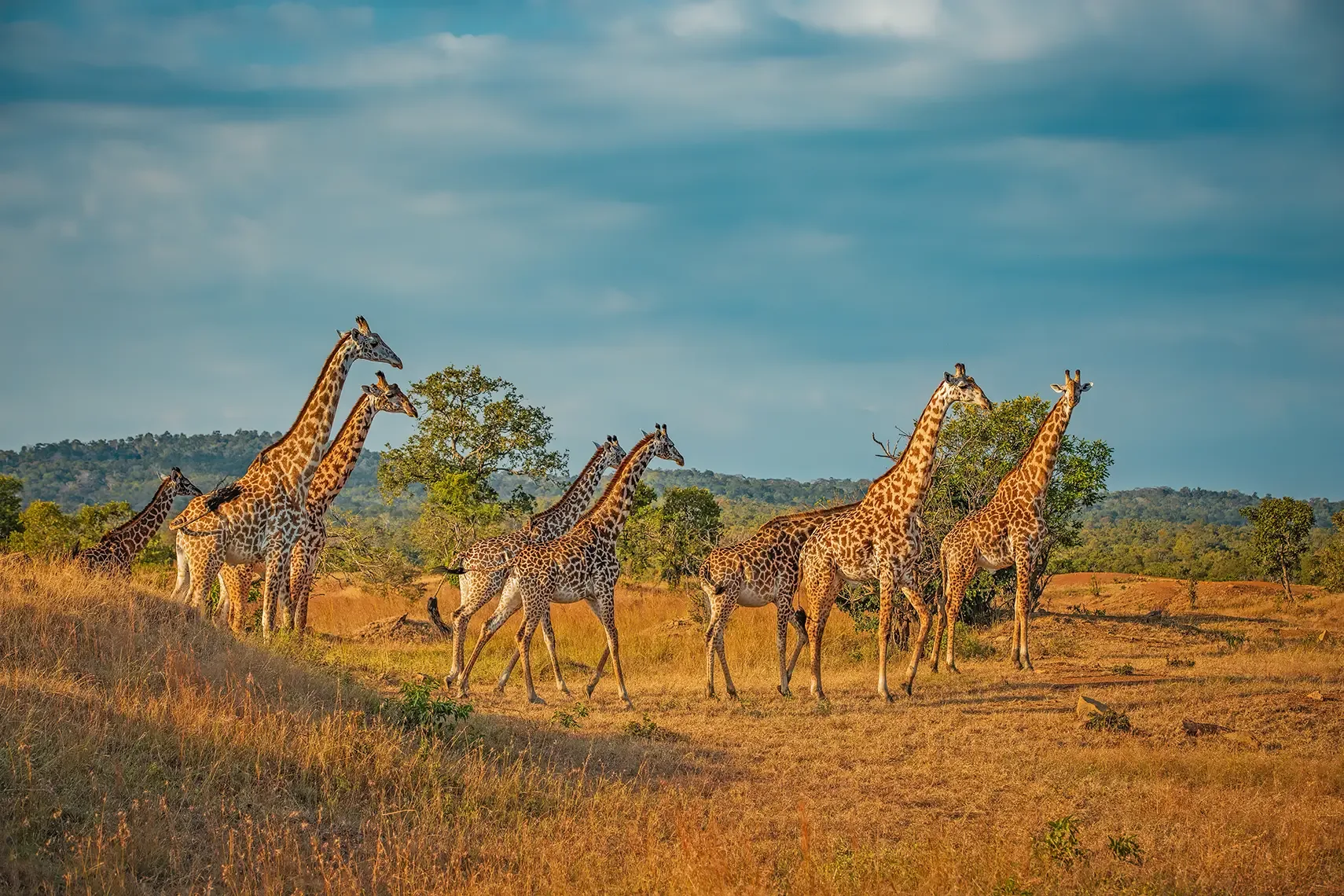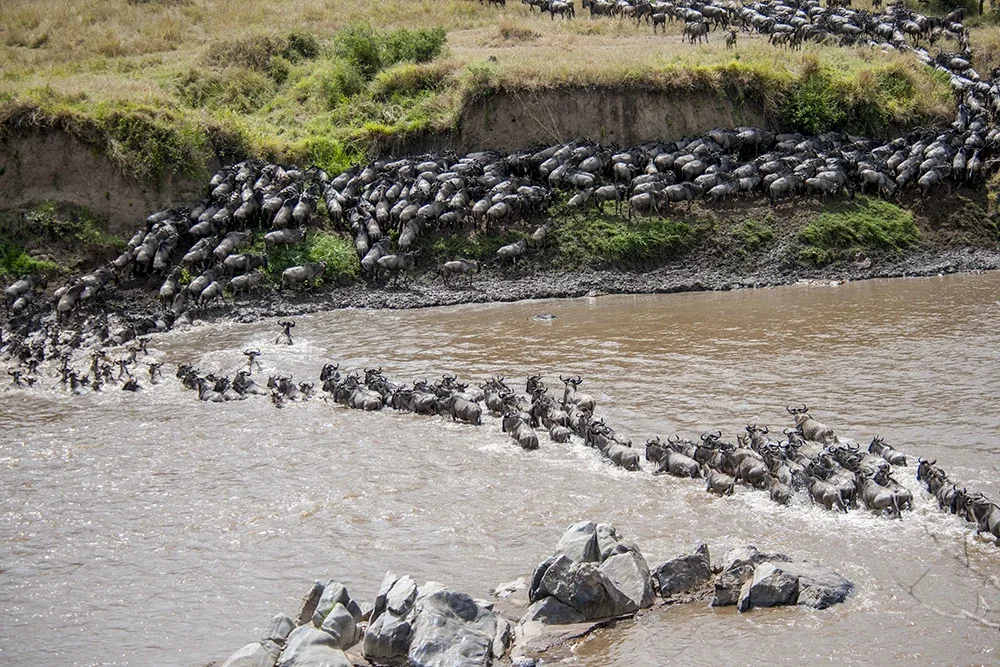

When most travelers plan a Tanzanian safari, they set their sights on the dry months, June to October, when the weather is predictable and wildlife is easy to spot. But there's another time of year that offers a completely different kind of experience: the low season, from mid-March to May, and again briefly in November.
It’s a time when the landscapes are greener, the crowds are gone, and nature moves to a quieter rhythm. Yes, it comes with rain, but for those willing to trade a little unpredictability for a deeper kind of adventure, it’s often the more rewarding choice.
1. You Get the Parks Almost to Yourself
It feels like you're the only one out there, and often, you are.
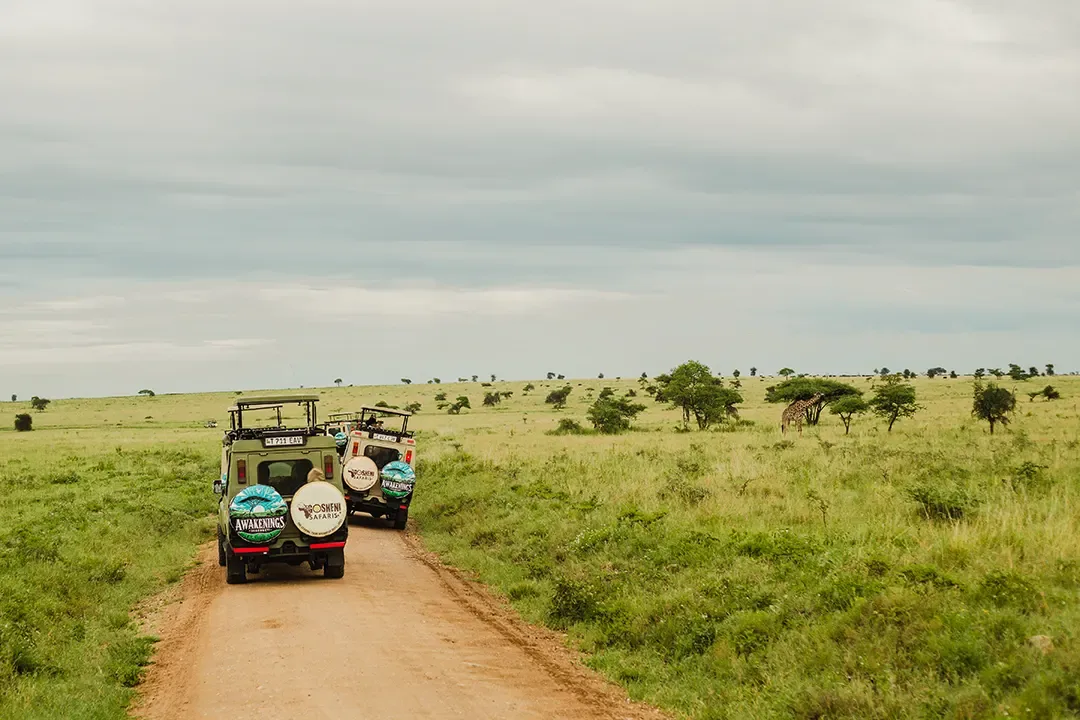
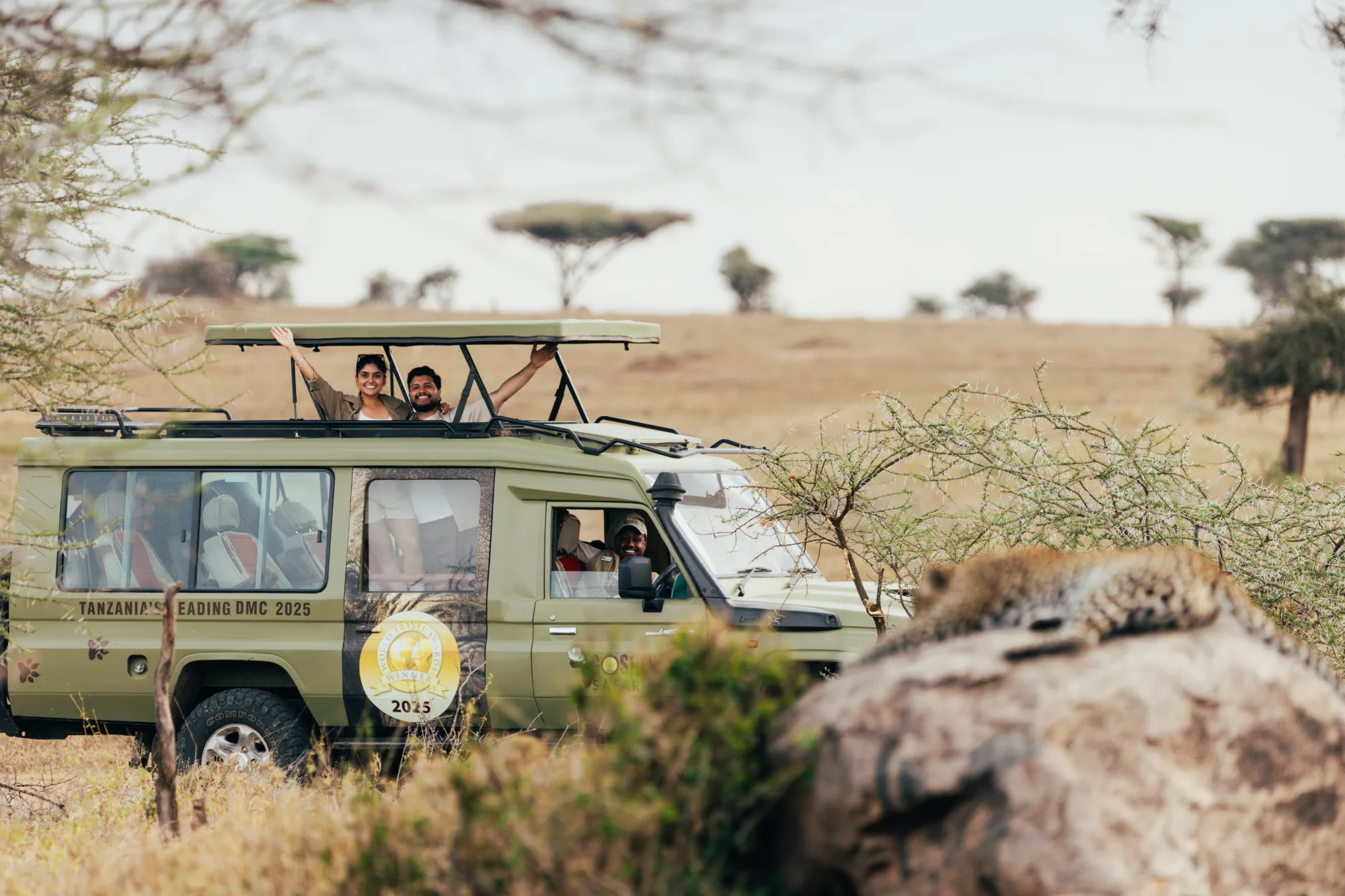
The first thing you’ll notice on a low-season safari? The quiet. Major parks like Serengeti and Tarangire, usually buzzing with 4x4s during peak months, are suddenly serene. You might spend an hour with a pride of lions and not see another vehicle. This solitude changes everything, from how long you can linger at a sighting to how deeply you connect with the environment.
2. You’ll Pay Less, but Get More
Green season rates, golden experience.
Fewer tourists mean better deals. Lodges and tented camps often slash rates by 20-40%, and many include extras like private guides, complimentary bush dinners, or free room upgrades. If you’ve always dreamed of staying somewhere luxurious but couldn’t justify the price. This is your window.
Expect:
Luxury lodges at mid-range prices
Greater availability for last-minute bookings
Lower park and concession fees (in some regions)
3. The Landscape Transforms
The bush comes alive, with color, water, and energy.
Gone are the dry, dusty plains. In their place: emerald grasses, flowering acacia, full rivers, and dramatic skies. The rains awaken the land in ways that are as beautiful as they are unexpected. You’ll see baobabs glistening after a downpour, elephants splashing in swollen rivers, and sunsets that bounce light off low-hanging clouds.
4. It’s Baby Season in the Serengeti
There’s new life everywhere, and the drama that comes with it.
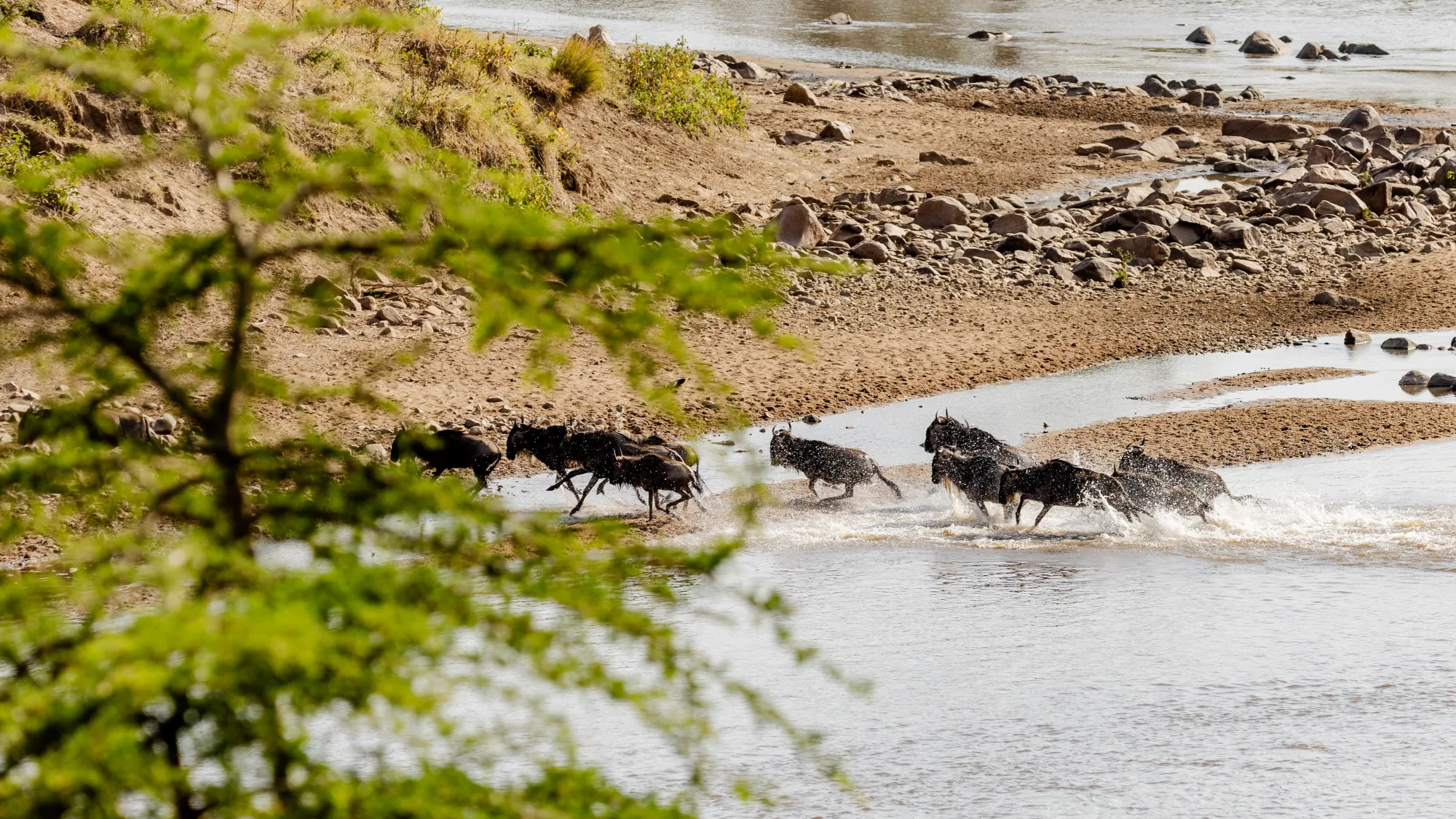
The low season aligns with calving season, especially in the Southern Serengeti. Wildebeest, zebra, and gazelle give birth en masse, which naturally attracts predators. If you’ve ever wanted to see nature at its rawest (births, first steps, and the survival instinct in action) this is the time.
5. Birdwatching Hits a High Note
Feathers, songs, and surprises, everywhere you look.
Green season means migratory birds arrive in full force, bringing bursts of color and sound to the bush. Even casual birders can’t help but be drawn in when lilac-breasted rollers dart past or saddle-billed storks stalk the riverbanks.
Highlights include:
European and Asian migrants
Breeding plumage displays
Fewer leafless trees = better visibility
6. The Light Is a Photographer’s Dream
Storm clouds. Backlit herds. Rainbows. You won’t need filters.
Photographers love this time of year because the lighting is softer and more dramatic. Overcast skies create even exposure, and rain-washed air sharpens every detail. The contrasts between moody skies and green plains are what cinematic scenes are made of.
7. It’s More Flexible, More Personal
Low-season travel bends to you, not the other way around.
Fewer bookings mean more flexibility. Lodges are more accommodating with early check-ins, special requests, or private dining setups. Guides can adapt game drives to your interests without being locked into tight schedules.
Expect more:
Custom itineraries
One-on-one time with guides
Spontaneous wildlife moments (without pressure to move on)
8. It Feels Wilder, and It Is
Fewer people. More rain. A deeper immersion.
The green season is messier. The roads can be muddy, and sightings may require a bit more patience. But for adventurous travelers, that’s exactly the point. You’re not just watching the wild. You’re part of it. There’s something deeply grounding about navigating rain-slicked trails and hearing the roar of a distant thunderstorm during a bush walk.
9. You’re Supporting Conservation When It’s Needed Most
Your visit matters more in the low season.
Most visitors come during peak season, creating long off-season gaps in income for rangers, camp staff, and local communities. By booking in the green season, you’re helping distribute tourism revenue more evenly, ensuring staff are employed, anti-poaching patrols continue, and local economies stay afloat.
This is not just a safari decision. It’s a sustainability one.
10. The Weather Isn’t as Bad as You Think
It rains. But rarely all day, and rarely enough to ruin a game drive.
Yes, it’s the rainy season. But that usually means short, dramatic afternoon showers or evening storms, not day-long downpours. Mornings are often bright and clear, perfect for wildlife viewing. With a waterproof jacket and dry bags for your gear, you’ll be well equipped to enjoy it all.
Final Word: The Best Safaris Aren’t Always in the Brochures
If you want the predictable postcard safari, peak season is great. But if you're after something quieter, greener, and more immersive (where the bush feels raw, alive, and unfiltered) Tanzania’s low season offers a rare kind of magic.
It’s not for everyone. But that’s the point.
And for those who choose it, it often becomes the trip they talk about most.
Curated Journeys
Safaris to Inspire This Journey
Handcrafted itineraries that bring this story to life.
Where You'll Stay