
Key Safari Terms You Need to Know: River Crossing, Great Migration, Game Drive, and More
When preparing for a safari adventure, it’s crucial to understand some of the key terms that will enhance your experience. From the thrilling river crossings during the Great Migration to the exciting game drives, these terms define the nature of a safari and give you a deeper insight into the adventure ahead. Below, we break down essential safari-related terms, and provide explanations that will help you make the most of your trip.
1. River Crossing
What It Is:
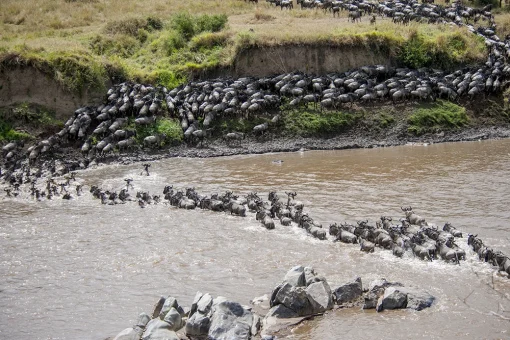
A river crossing refers to the dramatic and often intense moments during the Great Migration when large herds of wildebeest, zebras, and gazelles cross rivers, most famously the Mara River in the Serengeti. These crossings are crucial for the animals’ survival as they navigate dangerous waters filled with crocodiles and strong currents, all while being pursued by predators.
Why It’s Important:
River crossings are some of the most iconic and breathtaking events on a safari. Witnessing this spectacle is a life-changing experience, showing the raw struggle for survival in the wild. The crossings are an essential part of the migration, symbolizing both hope and danger in the natural world.
2. The Great Migration
What It Is:
The Great Migration is an annual event where over 1.5 million wildebeest, along with zebras and gazelles, travel from the southern Serengeti to the northern plains of the Masai Mara in search of fresh grazing. This migration follows the seasonal rains, and the animals make their journey in search of better grazing and water availability.
Why It’s Important:
The Great Migration is one of the world’s most spectacular wildlife events, offering unparalleled opportunities to witness the dynamics of animal survival. It provides a front-row seat to nature’s most dramatic scenes, including the river crossings and predator-prey interactions.
3. Game Drive vs. Wildlife Safari
What It Is:
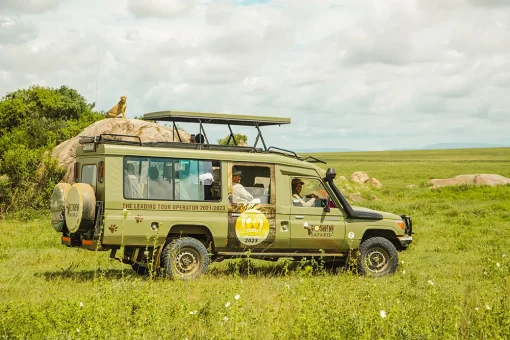
- Game Drive: A game drive is a safari activity that involves traveling through a national park or game reserve in an open safari vehicle. It’s focused on seeking out and observing wildlife, with the primary goal of spotting animals in their natural habitat. Game drives typically take place during the day, but there are also night game drives, where you can spot nocturnal animals.
- Wildlife Safari: A wildlife safari is a broader term that encompasses a range of activities designed to observe animals in their natural environments. While game drives are a big part of this, a wildlife safari can also include other experiences like walking safaris, boat safaris, and cultural experiences.
Why It’s Important:
A game drive offers the most direct way to observe wildlife, whether it’s the Big Five or rare bird species. On the other hand, a wildlife safari is a more comprehensive term that includes different ways to interact with nature, from morning drives to cultural experiences.

4. Safari Lodge vs. Safari Camp
What It Is:
- Safari Lodge: A safari lodge is a permanent accommodation, often offering luxury facilities like private rooms, pools, and dining options. Lodges are generally larger and may have more extensive services, such as spas, gym facilities, and gourmet restaurants. They are situated within or near game reserves and national parks, providing easy access to game drives and other safari activities.
- Safari Camp: A safari camp is a more rustic and immersive option, typically made up of tented accommodations that allow you to feel closer to nature. Safari camps offer a more intimate and adventurous experience. While some camps can be quite luxurious, most have a simpler setup, making them ideal for those seeking an authentic experience with fewer distractions from the natural world.
Why It’s Important:
Choosing between a safari lodge and a safari camp depends on the type of safari experience you want. If you prefer comfort and luxury with all modern amenities, a lodge might be the right choice. However, if you seek an immersive, adventurous experience with the sounds of nature close by, a safari camp is ideal.

5. Safari Guide: The Driver and Tour Leader
What It Is:
A safari guide is not only your driver but also your tour guide. This dual role makes the safari guide one of the most important members of your safari experience. The guide is responsible for safely navigating the vehicle through the wildlife reserve and also provides expert knowledge about animal behavior, the ecosystem, and the history of the areas you visit.
Why It’s Important:
Your safari guide enhances your safari experience by sharing insights and information, ensuring that you don’t miss key moments. Whether explaining animal behavior or pointing out hidden creatures, the guide’s expertise is invaluable for a rich safari experience.
6. Picnic Lunch vs. Hot Lunch
What It Is:
- Picnic Lunch: On many safaris, a picnic lunch is provided, where food is packed into lunch boxes and brought into the wild. Typically, it consists of simple items like sandwiches, fresh fruit, snacks, and drinks. Picnic lunches are designed for convenience, often enjoyed in scenic spots with incredible views.
- Hot Lunch or Picnic Hamper Lunch: For a more luxurious safari experience, some safaris offer a hot lunch in the bush. These meals are typically packed in insulated containers to keep them warm and often include more elaborate offerings like soup, salads, and a main course. At Gosheni Safaris, we make sure that hot lunch is provided as a standard to all our clients, ensuring a high-quality dining experience in the midst of nature. These meals can be enjoyed in beautiful settings like under trees or near a waterhole, allowing you to savor a delicious gourmet meal while surrounded by the African wilderness.
Why It’s Important:
Whether you opt for a picnic lunch or a hot lunch, it’s a chance to break from the day’s activities and enjoy the outdoors while recharging for more game viewing. It’s also a great way to enjoy the beauty of the African wilderness, combining convenience with a relaxed experience. At Gosheni Safaris, we prioritize providing a memorable experience, and our hot lunch offerings are designed to enhance your safari journey.
7. Night Game Drives
What It Is:
A night game drive takes place after dark and is a thrilling way to experience the nocturnal side of the bush. During these drives, safari vehicles are equipped with spotlights to illuminate the landscape, allowing you to see nocturnal animals such as leopards, hyenas, and aardvarks.
Why It’s Important:
Night game drives offer a different perspective on wildlife, as many animals are more active during the evening and night. It’s an exciting opportunity to witness predator behavior and see animals that you might not encounter during the daytime.

Conclusion:
Understanding key safari terms, such as river crossings, Great Migration, game drives, and safari camp vs. lodge distinctions, will help you plan your trip more effectively and ensure that you make the most out of your African adventure. Whether you’re looking to explore wildlife on a game drive, enjoy a picnic lunch in the savannah, or experience the thrill of a night game drive, knowing these terms will enhance your safari experience.
As you prepare for your safari, remember that each moment is an opportunity to immerse yourself in nature—whether it’s watching a dramatic river crossing, learning from your safari guide, or savoring a hot lunch in the heart of the wilderness. Let these terms guide your understanding of what’s to come, and make your safari journey one to remember.


