
Introduction
2026 already gave Kilimanjaro one of its more remarkable moments. In July, 90-year-old Art Ulene reached Uhuru Peak on his fourth successful summit, becoming the oldest person on record to do it. It’s a good reminder of what actually matters on this mountain — not the news cycle, not how fit you look on paper, just whether you give yourself the time to get there properly.
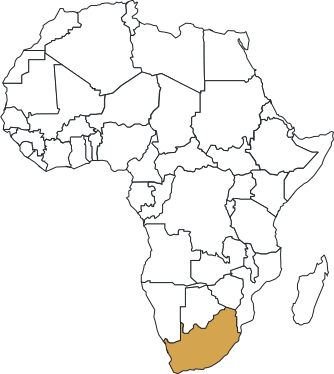
Most people planning a Kilimanjaro climb start with the wrong question. They ask which route is best, when the real question is how many days they can actually give the mountain. Rising 5,895 meters above the Tanzanian plains, Kilimanjaro is technically walkable by most reasonably fit people — the mountain itself doesn’t require ropes or climbing experience. What determines whether you summit isn’t fitness. It’s time on the mountain. With both of Kilimanjaro’s dry seasons — the tail end of this year’s June to October window and the January to March 2027 season right behind it — open for booking now, route choice, acclimatization days, and an honest park fee breakdown matter more than any gear list. Here’s what actually decides whether your climb works.
Planning a Kilimanjaro climb for 2026 or 2027? Our team builds routes around your fitness level and available days, not a fixed package. Get a free quote.
Choosing the Right Route
Every Kilimanjaro route reaches the same summit. What differs is how much time your body gets to adjust to the altitude before summit night, and that single factor drives success rates more than anything else.
Marangu Route
Marangu is the only route with hut accommodation instead of tents, which makes it appealing to first-timers. It also runs shortest, typically 5 to 6 days, which is exactly why it has one of the lower summit success rates among the standard routes — there isn’t enough built-in time to acclimatize before the push to Uhuru Peak.
Machame Route
Machame runs 6 to 7 days with a climb-high, sleep-low profile that gives your body repeated exposure to altitude before summit night. It’s steeper and less comfortable than Marangu, but the acclimatization pattern is part of why it’s the most-climbed route on the mountain.
Lemosho Route
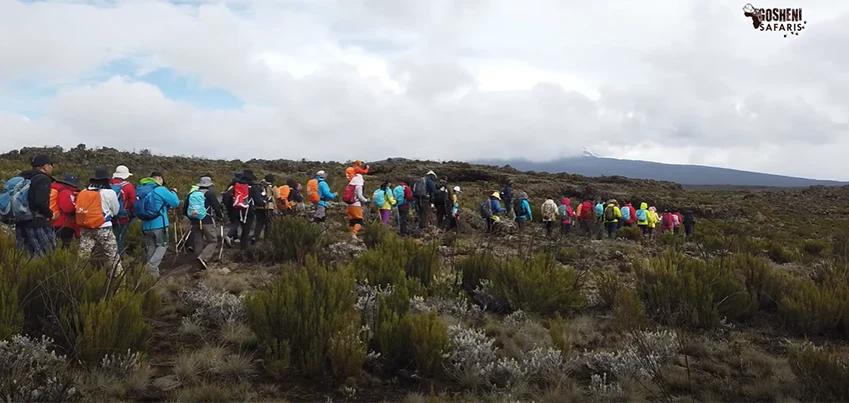
Lemosho approaches from the west over 7 to 8 days. The extra days translate directly into a higher summit success rate — this is the route we recommend most often to clients who aren’t in a rush and want the best realistic chance of reaching the top.
Rongai Route
The only route approaching from the north, Rongai sees far fewer climbers than the southern routes. Typically 6 to 7 days, drier trail conditions, and a genuinely different side of the mountain.
Northern Circuit
At 8 to 9 days, this is the longest standard route and circles the mountain’s quieter northern side. If you have the days available, this is the route with the most acclimatization built in.
Umbwe Route
Short and steep, Umbwe climbs directly with minimal acclimatization time. We only recommend this to climbers with prior high-altitude experience — it is not a beginner route, regardless of what a quote sheet might suggest.
Why Duration Actually Matters More Than Route Name
This is the part most Kilimanjaro content skips over. Altitude sickness isn’t about fitness — a marathon runner can be turned back at 4,500 meters while a moderately fit 55-year-old summits without issue, because acclimatization is a physiological process that takes time regardless of cardio fitness. Every route that adds a day is adding an acclimatization night, and every acclimatization night meaningfully improves your odds.
As a rough guide, 5-day climbs see summit success rates well below the mountain average, 6-day climbs improve on that, and 7-to-9-day routes see the highest success rates of all. The difference between a 6-day and 8-day Machame or Lemosho itinerary isn’t two extra days of walking — it’s two extra nights for your body to produce more red blood cells and adjust to reduced oxygen before the hardest night of the climb. If your travel dates only allow 5 or 6 days, it’s worth having an honest conversation with your operator about what that does to your realistic odds, rather than assuming every route is interchangeable.
Factors to Consider:
- Fitness and Experience: Match the route’s daily walking hours to your actual hiking background, not your gym routine.
- Days Available: This is usually the real constraint, not preference.
- Crowd Levels: Rongai and Northern Circuit see noticeably fewer climbers than Machame or Marangu.
- Scenery: Each route crosses different vegetation zones, from rainforest to alpine desert.
Best Time to Climb Kilimanjaro
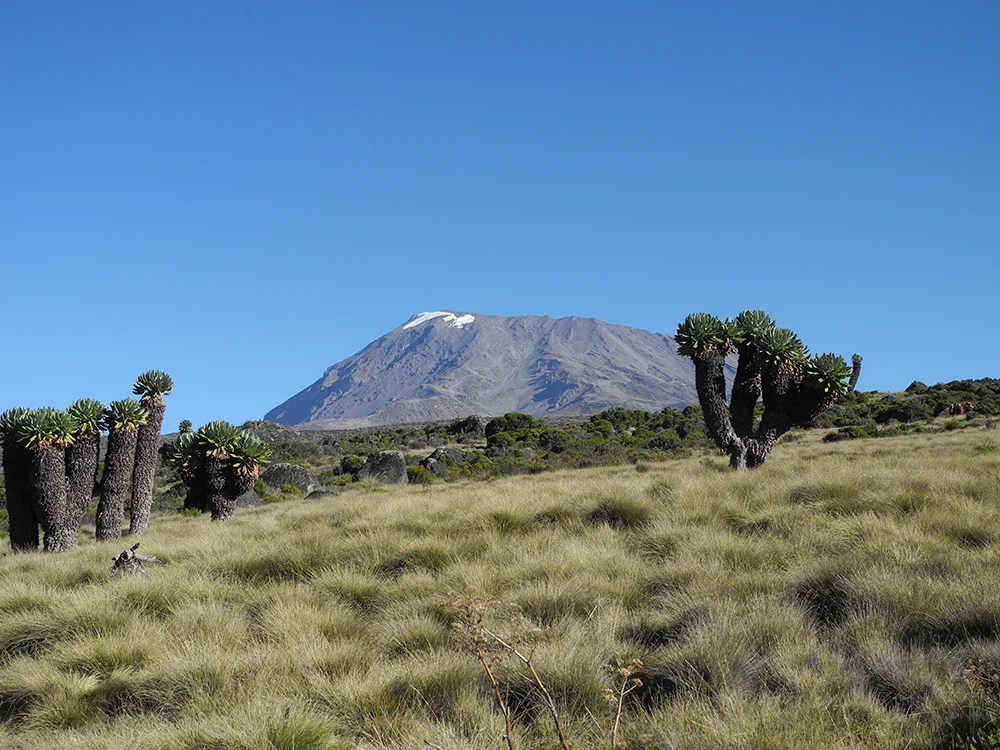
Kilimanjaro can technically be climbed year-round, but conditions vary significantly by season, and there are really two climbing seasons, not one.
Dry Seasons
- June to October: Peak season. Best overall weather and driest trails, but also the busiest, with campsites on routes like Machame feeling crowded at key camps.
- January to mid-March: A secondary dry window that’s genuinely underused. Milder temperatures, clear skies, and noticeably fewer climbers than June through October, with visibility just as good.
Rainy Seasons
- Mid-March to May: The long rains bring the wettest, most difficult trail conditions of the year. Not recommended for most climbers.
- November to mid-December: Shorter, lighter rains. Trails are wetter but crowds thin out, and some climbers deliberately choose this window to avoid peak-season congestion.
Current Event Note: Due to ongoing climate change, weather patterns have become less predictable. Recent studies indicate a slight shift in Kilimanjaro’s traditional weather cycles, so it’s essential to stay updated on local forecasts and plan accordingly.
What You Actually Pay to Climb Kilimanjaro in 2026 and 2027
This is where most climbers get confused, because quoted prices vary wildly between operators, and not always for honest reasons.
Private Kilimanjaro climbs generally run $2,500 to $3,500 per person, with luxury climbs — private crew, upgraded camping equipment, shorter transfers between camps — coming in at $4,000 and above. Where you land in that range depends on the route, group size, and how much of the trip is fully private versus joining other climbers on a shared departure.
Park Fees Are Not Optional, and They’re Not Small
Every climber on Kilimanjaro pays mandatory Tanzania National Parks fees regardless of which operator they book with. As of the current TANAPA tariff, this generally works out to approximately $70 per person per day for park entry, plus roughly $50 per person per night for camping, with hut fees applying instead on Marangu. On a standard 7-day climb, park fees alone can add up to close to $1,000 per person before anything else — guides, porters, food, transport, or equipment.
Why Quotes Vary So Much Between Operators
Some operators quote a low headline price and add park fees, crew wages, or rescue fees separately at the end. A quote of $1,500 that turns into $2,600 once every mandatory fee is added isn’t actually a $1,500 climb, it’s a $2,600 climb with a misleading headline number. Before booking anywhere, ask directly whether the price includes all TANAPA park fees, crew wages, and equipment, or whether any of those are added later.
What a Proper Quote Should Include
- All TANAPA park, camping, and rescue fees
- Guide, cook, and porter wages
- Camping equipment, or hut fees on Marangu
- All meals on the mountain
- Transport to and from the gate
Average Costs
- Private climb: $2,500 – $3,500.
- Luxury climb: $4,000 and above.
Booking Tips
- Book early, especially for peak seasons.
- Read reviews and choose a reputable operator.
Physical Preparation
Climbing Kilimanjaro is a physically demanding trek, so proper preparation is key to success.
Cardio Training
Endurance is crucial for trekking long distances at high altitudes. Incorporate activities such as hiking, running, cycling, and swimming into your routine.
Strength Training
Focus on building strength in your legs, core, and back. Exercises like squats, lunges, and planks help prepare your body for the demands of the trek.
Altitude Acclimatization
Since altitude sickness is a major concern on Kilimanjaro, it’s helpful to practice hiking at high elevations if possible. Alternatively, you can use altitude masks during your training to simulate reduced oxygen levels.
Essential Gear Checklist

Packing the right gear ensures comfort and safety during your climb.
Clothing
- Base layers (moisture-wicking).
- Insulating layers (fleece, down jacket).
- Outer shell (waterproof and windproof).
- Hats, gloves, and thermal socks.
Footwear
- Sturdy, well-broken-in hiking boots.
- Gaiters to keep debris and moisture out.
Backpacks and Accessories
- Daypack (20-30L) for essentials.
- Duffel bag (carried by porters).
- Trekking poles, headlamp, sunglasses, and a hydration system.
Altitude Sickness and How to Handle It
Altitude sickness, or Acute Mountain Sickness (AMS), is a common challenge on Kilimanjaro. Understanding the symptoms and how to manage them can prevent serious complications.
Symptoms of AMS
- Headache
- Nausea and vomiting
- Dizziness
- Fatigue and shortness of breath
Prevention Tips
- Climb Slowly: Maintain a steady pace (locally known as “pole pole”).
- Stay Hydrated: Drink plenty of water throughout the day.
- Eat Well: Consume high-energy meals to fuel your body.
- Medication: Consider using Diamox, a medication that helps prevent AMS. Consult your doctor before the trip.
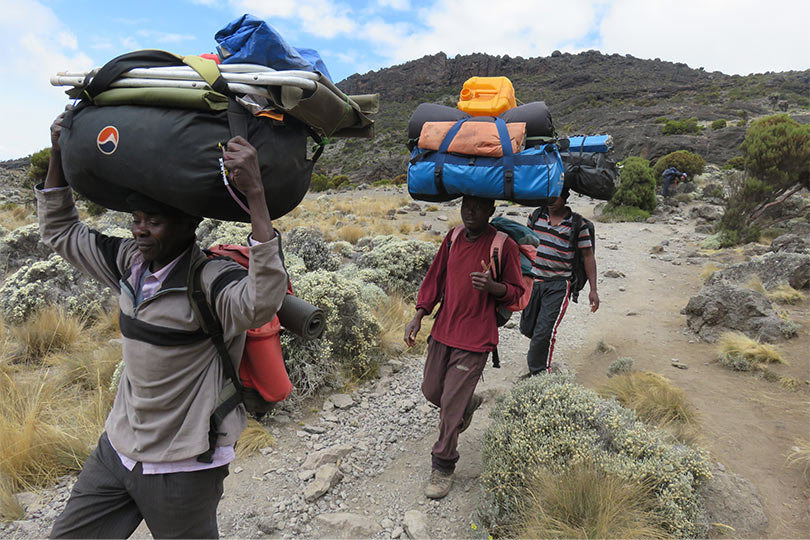
Photo credits: Himalayan Glacier
Porter Welfare and Ethical Climbing
Climbing Kilimanjaro would be nearly impossible without the hard work of porters, who carry supplies and set up camps. Ensuring their welfare is a crucial part of ethical trekking.
Current Issues
Despite efforts to improve conditions, some porters still face poor treatment, including low wages, inadequate clothing, and insufficient food. The Kilimanjaro Porters Assistance Project (KPAP) continues to advocate for better working conditions.
How to Support Porter Welfare
- Limit the Weight You Give to Porters: The recommended maximum is 15 kg per porter.
- Tip Generously: Porters rely on tips for a significant portion of their income. Standard tipping guidelines suggest $20 per porter per day.
- Show Appreciation: A kind word and respectful behavior go a long way in boosting morale.

Environmental Responsibility
Preserving Kilimanjaro’s ecosystem is vital for future generations of climbers.
Leave No Trace Principles
- Carry out all trash.
- Use eco-friendly toiletries.
- Stay on designated trails to avoid damaging vegetation.
Recent efforts by the Tanzanian government to promote sustainable tourism include stricter regulations on waste management and increased awareness campaigns.
Conclusion
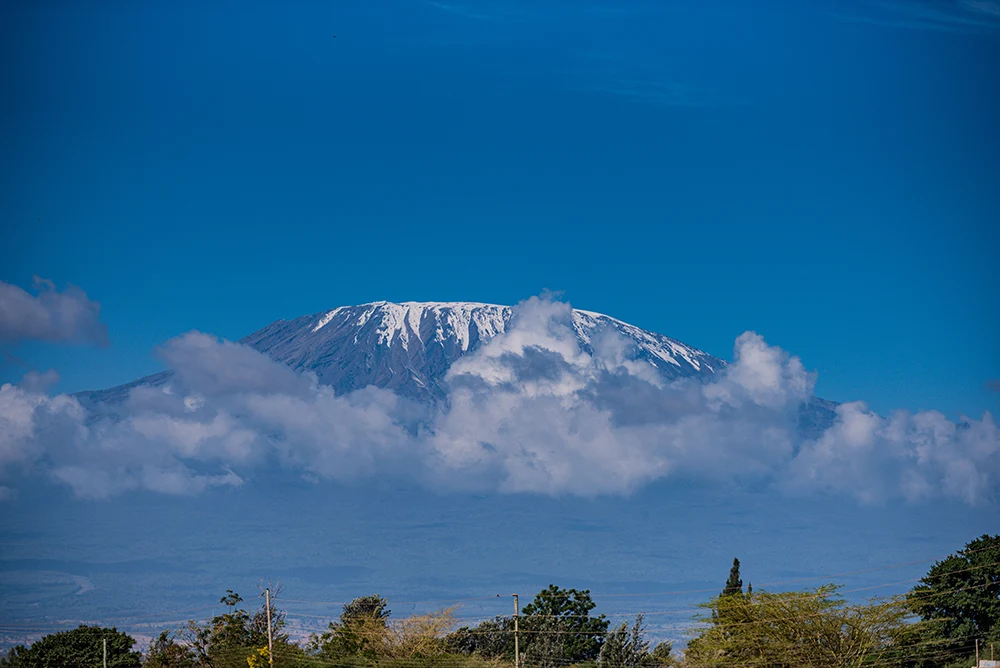
The last couple of years haven’t exactly been quiet ones. Conflict headlines, an Ebola outbreak in the DRC and Uganda this year that put border screening on alert across the region without ever reaching Tanzania itself, the usual noise the world seems to keep producing. And still, people keep climbing. Kilimanjaro doesn’t pause for any of it. It’s been standing over these plains since long before any of this started, and it’ll still be standing there waiting whenever you’re ready to go.
Whether you’re a seasoned trekker or a first-time adventurer, Kilimanjaro offers breathtaking views, unique landscapes, and a profound sense of accomplishment. Take the challenge, respect the mountain, and enjoy every moment of this incredible journey.
Trivia
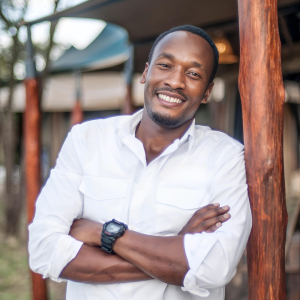
Well, here’s an inspiration for you: Our managing director, Peter Robert, began his journey as a Kilimanjaro tour guide. Much like conquering the summit of Kilimanjaro requires perseverance and steady progress, he climbed the ranks of the tourism industry to become a successful tour operator and owner of luxury properties across Tanzania. His story reminds us that with determination, we can all reach new heights and achieve extraordinary goals. I hope this inspires you to climb your own summit—whatever it may be—and reach for the stars!
Check out our top Kilimanjaro Tours:
7 Days Umbwe Route
8 Days Mt. Kilimanjaro Climbing Summit – Machame Route
8 Days Mount Kilimanjaro Climbing Group Joining Lemosho Route


