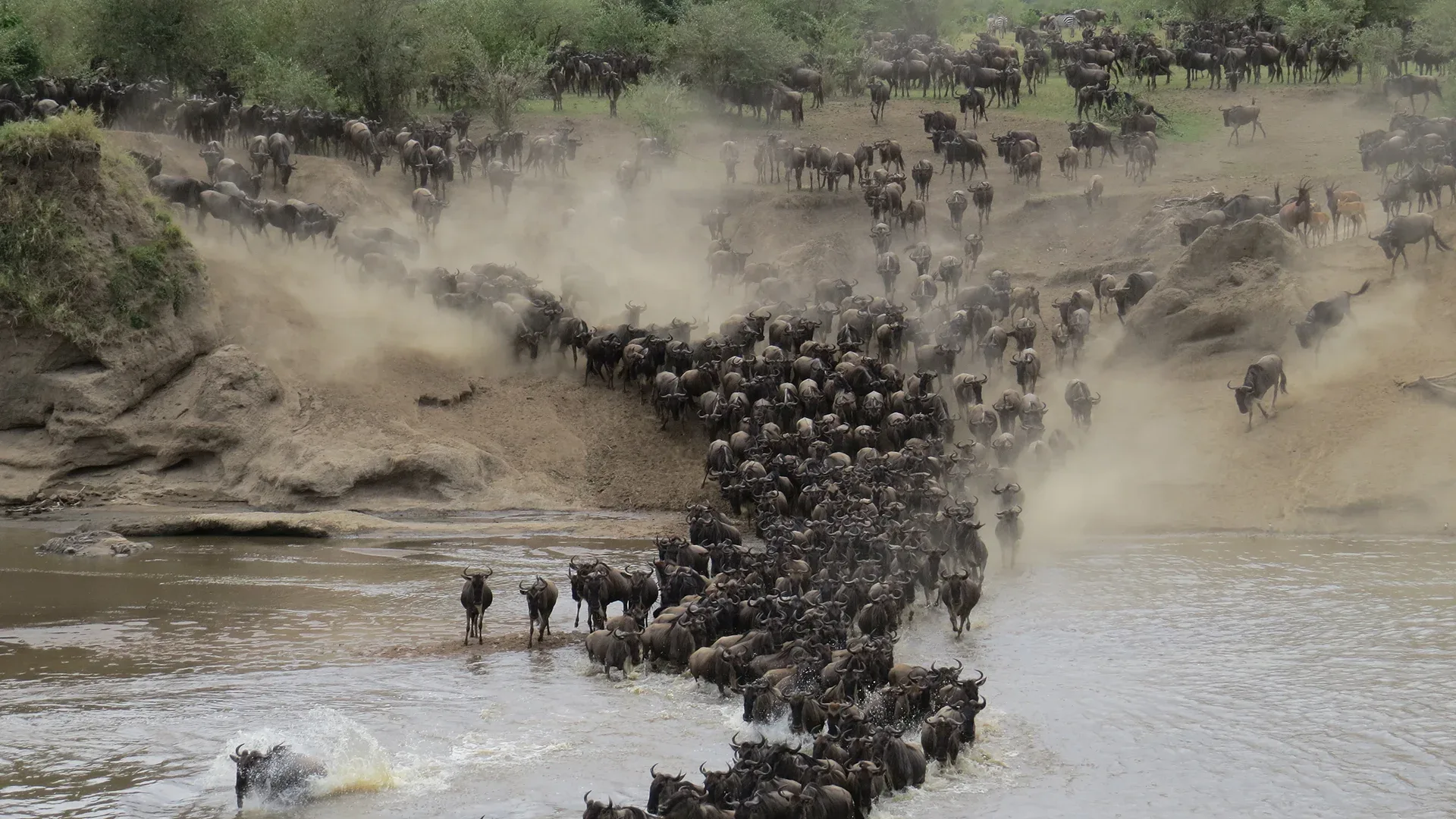
Every year on the plains of East Africa, from Tanzania’s Serengeti to Kenya’s Masai Mara, driven by a primal instinct, millions of blue wildebeest embark on a circular migration. As the rains fall, they leave in their wake a flush of nutritious grass essential to both their survival and that of hundreds of thousands of zebra and various antelope species.
These species in turn are the prey on which a multitude of predators and scavengers depend - lions, hyenas, cheetahs, leopards and wild dogs. Collectively these species form the cast of what has been dubbed “The Greatest Show on Earth”.
As this, one of the largest mammal migrations on the planet unfolds, it sustains a vast ecosystem, with every life and death contributing to its functioning.
The spectacle is so impressive that it attracts hundreds of thousands of nature lovers from across the globe. In this guide, we provide the essential information you will need to secure your front-row seats and make the most of what is sure to be the experience of a lifetime.
View our Great Migration page
Best Time to Witness the Migration
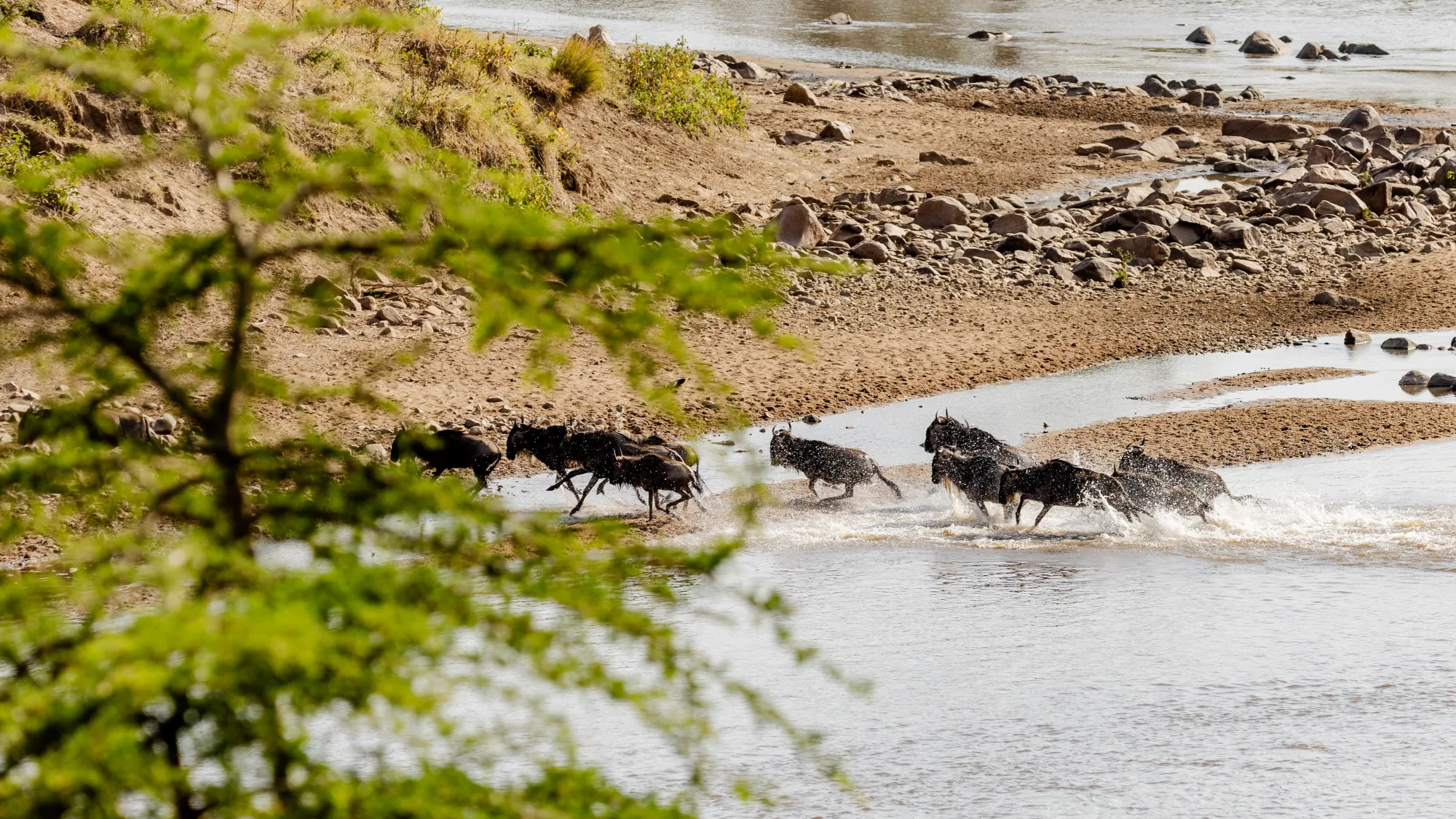
While the migration occurs throughout the year, there are peaks and lulls in the activity. Key highlights include the calving season from January to March; when millions of near-simultaneous births create moments of tenderness and predatory behaviour. Most popular of all are the legendary river crossings, when the great herd must brave swift currents, massive crocodiles and other waiting predators to get to the vital grasslands. These occur at the Mara River from late July until early September and then again in late October to mid-November.
See great migration video.
Top Locations to Experience the Migration
The Migration covers a vast area; the herd will cover roughly 2000 kilometres (1,250 miles) across northern Tanzania and southern Kenya. Most of the action occurs in Tanzania with the regions of Seronera, the Western Corridor (including Grumeti) and the northern Serengeti being the most popular hotspots to view the migration. In Kenya, it roams across the plains of the Masai Mara National Reserve.
Accommodation Options
Given its popularity with people from all walks of life, the varying needs of tourists are very well catered for. While it is possible to experience the migration independently, the most popular option is to stay in one of the numerous camps and lodges scattered across the region. These cater to a variety of preferences and budgets. Be aware that as this is the high season, all prices will be at a premium. The more adventurous can join mobile tented safaris. Permanent tented camps offer a mix of comfort and an authentic safari experience, while those who value luxurious facilities with all the amenities are catered for in exclusive lodges that compare with the finest hotels anywhere.
How Long Should I Stay?
By its nature, the migration is unpredictable, its passage determined by a variety of environmental factors. As such, the precise timing of events is impossible to predict and beyond the control of safari operators. To give yourself the best chance of seeing the best that the migration has to offer, it follows that the longer your stay, the higher the probability of a truly memorable experience. At Gosheni Safaris we recommend four to five full days.
When to Book for the Great Migration
Make no mistake, the migration season is in very high demand, growing year on year. For the privilege of witnessing it, some will book up to a year in advance. That said, it is possible to book at relatively short notice although you might not get your preferred choice of accommodation.
We recommend that you reserve your flights, supplementary accommodation, package and other necessities for travel at least six months in advance. It is a long time to wait for the fun to start, but if this is to be a once-in-a-lifetime experience, why not do it right? If possible, be flexible in your travel dates so that you can be there during peak migration periods. It is also important to be familiar with your operator's cancellation policies, in case you are forced to delay or cancel your trip.
What to Look for in a Safari Operator
Obviously, in this unpredictable environment, experience counts. And those with the most experience are those that are intimately familiar with both the various destinations and establishments of the Serengeti area. Here are some key traits of a good safari operator:
Locally based companies that employ local guides
Proven track record of operations
Small groups sizes that allow flexibility and itinerary customisation
Competent operators will not make any guarantees regarding sightings or other experiences but you can be assured that in their care, you will have a holistic, seamless experience regardless of what you see, with measures in place for contingencies.
Quality Guides Make the Difference
Your guide and driver can make or break your adventure. And their ability to deliver comes down to a combination of training and experience. These are some of the traits to lookout for:
Excellent communications skills, enthusiasm and friendliness
Navigation and offroad driving skills
Knowledge of local wildlife behaviour and seasonal movements
Flexible and resourceful
What to Expect on Safari
Game drives occur either twice daily, in the early morning and late afternoon, or for the entire day, with packed lunches provided. There can be long periods where it seems that not much is happening, only to erupt into a frenzy of activity. The terrain varies considerably, but it is never completely smooth sailing. Your guide will endeavour to keep the experience as pleasurable as possible, with comfort stops along the way.
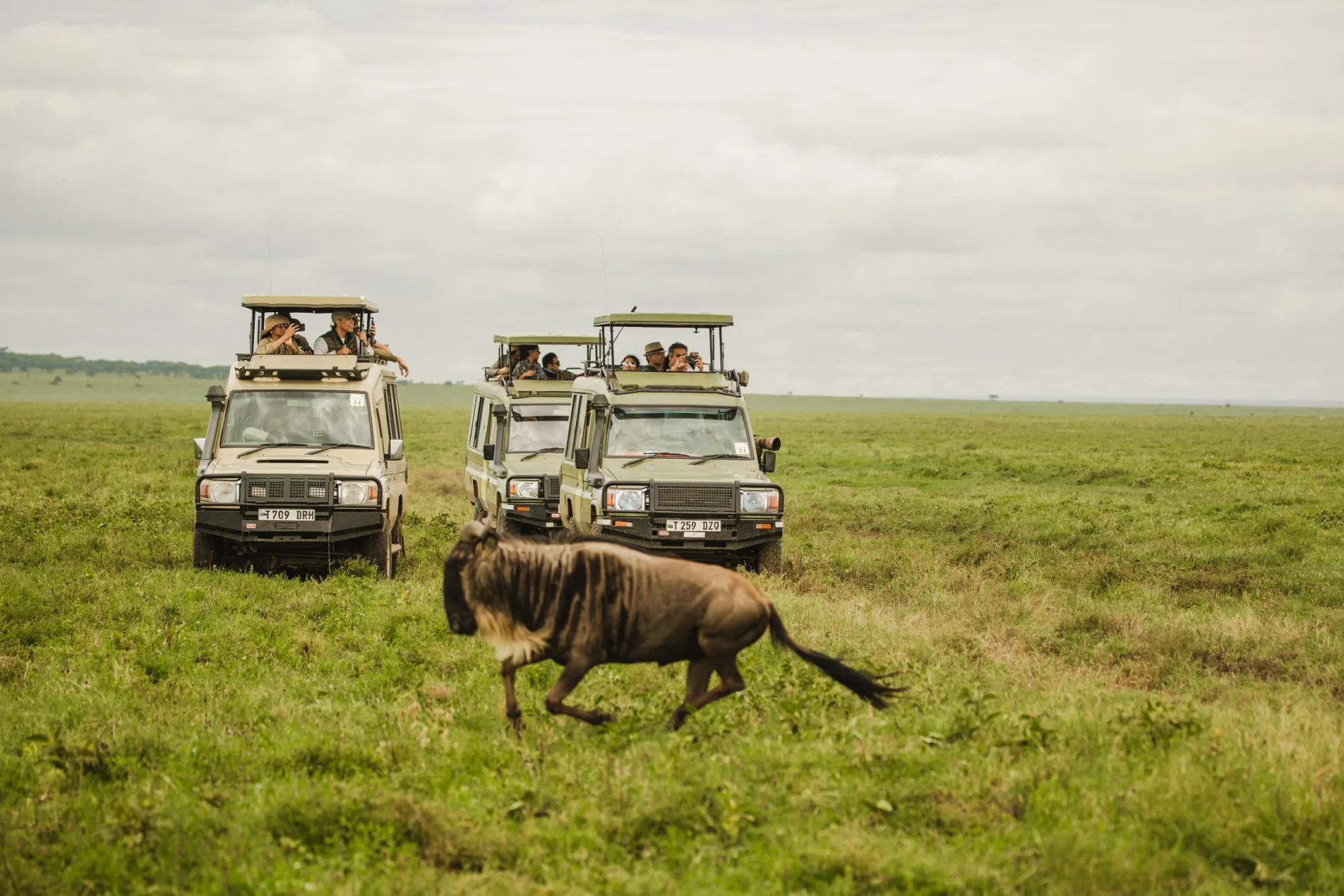
Depending on where you are, sightings can get crowded with many safari vehicles jostling for position. Please feel free to let your guide know if you are uncomfortable in any way; predator-prey interactions are not for everyone and you might just find something extra special away from the crowds.
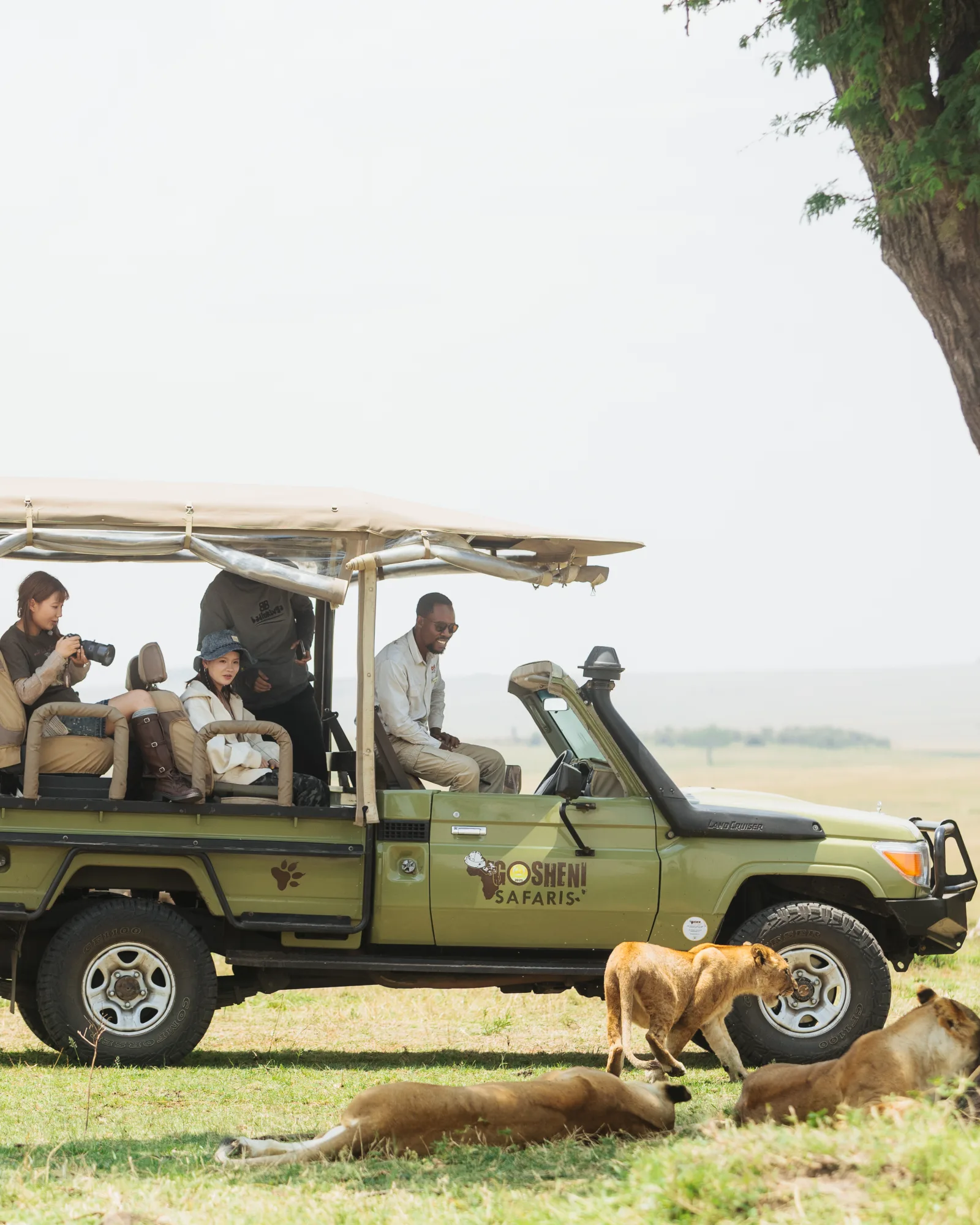
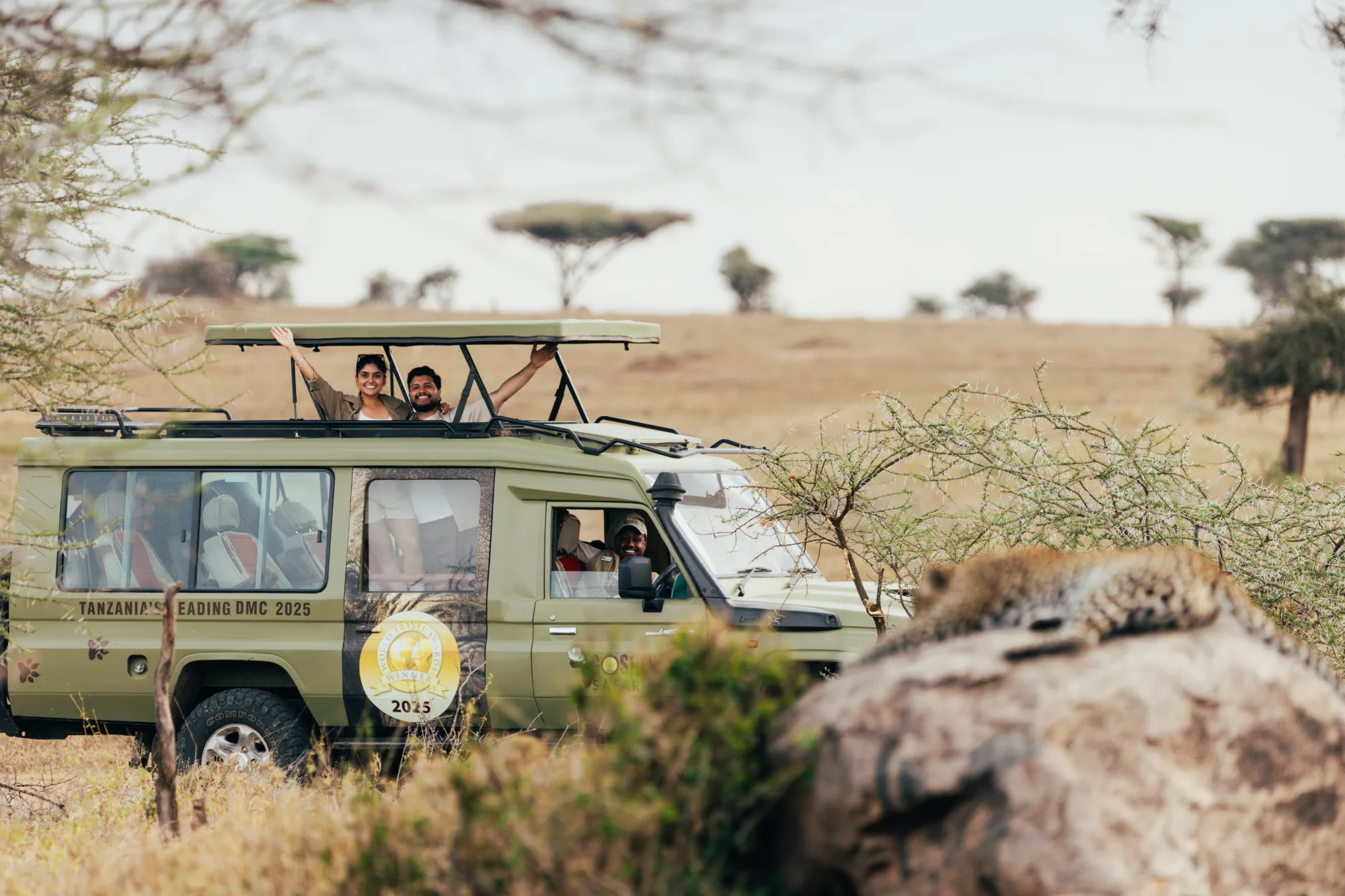
The vehicles used are customised for the conditions and space will depend on the type of tour that you have booked. They have large windows and pop-up roofs to facilitate ease of viewing. All vehicles are equipped with essential equipment, including a first-aid kit, field guidebooks, binoculars and coolboxes. We suggest having one pair of binoculars per person, so everyone can view distant wildlife at once. If you are serious about your photography, it is worthwhile booking a private vehicle, especially if you have a lot of gear. Families with small children might also prefer this option for the space and flexibility it offers.
Popular Great Migration Safari Itineraries
View our Great Migration page
Additional Activities and Experiences
Going on safari is about more than just viewing wildlife from a safari vehicle. Here are some suggestions on how you could enhance your migration experience:
Hot-air balloon safari
Walking safari (Only available in certain areas)
Cultural experiences with local communities
Spa and wellness treatments
Sundowners at a scenic location
A beach holiday before or after your safari
Visit one of the other national parks in Tanzania for a different perspective
The Must-See-Migration
The inspiration for hundreds of books, articles, artworks, images and documentaries, there is no doubting the authentic appeal of the Great Wildebeest Migration. Equally, the huge demand from people around the globe to see it firsthand is an assurance that this is an experience that any diehard nature lover will want to have at least once.
To avoid frustration, never mind your fear of missing out, it is best to book early with a reputable local tour operator whose online reviews attest to their professionalism and competence. Do your research to determine what you would like to focus on and be as flexible as possible, staying sufficiently long to make the most of your time with the migration.
Each day on safari promises new experiences, and while there may be periods of low activity, the thrill of seeing a predator hunting, or a new life being born will stay with you for years to come.
As a Tanzanian-owned and operated company, Gosheni Safaris have the infrastructure, know-how and experience to ensure that your migration experience is a journey that is informative, action-packed and well worth whatever effort it takes you to get to Tanzania’s greatest wildlife extravaganza.
Curated Journeys
Safaris to Inspire This Journey
Handcrafted itineraries that bring this story to life.
Where You'll Stay