
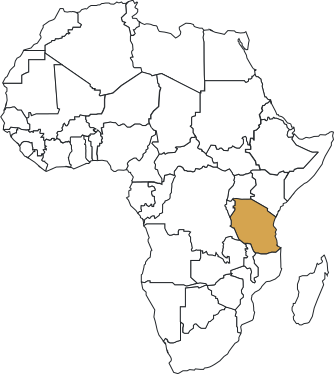
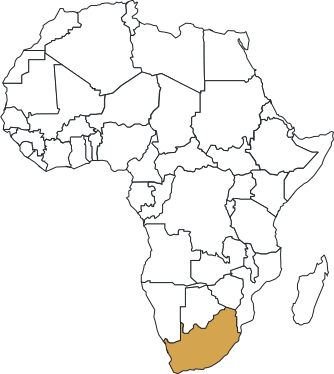
This guide will cover everything you need to know about safety in Tanzania before booking your first safari – from health risks to entry requirements, and from local laws to avoiding wildlife hazards. It’s not here to scare you. It’s here to give you the information you need to plan a stress-free trip and make the most of your time in one of the world’s most incredible countries.
When you travel to Tanzania, careful planning is essential, including understanding entry requirements, visa options, and important safety considerations specific to US travelers, as well as researching African safari tour options and early-bird offers if you’re looking to lock in a future trip.
General Safety Picture for the Average US Visitor
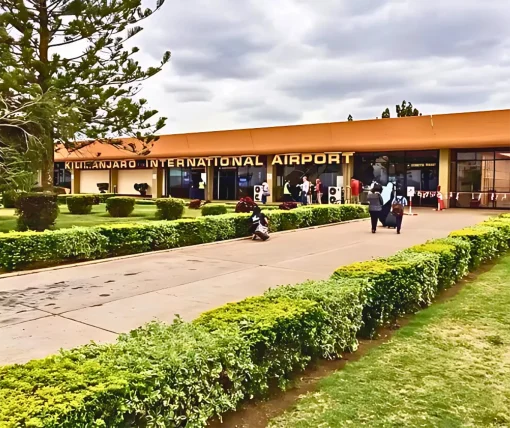
Tanzania is a pretty stable country, especially when it comes to tourism. In fact, the country’s national parks – such as the Serengeti, Ngorongoro, Tarangire and Kilimanjaro, are some of the most well-organised and welcoming places on the continent and form the backbone of many classic Tanzania safari itineraries. And that’s great news for the hundreds of thousands of visitors who flock here every year. Getting into the country is pretty straightforward too – US passport holders can usually get a visa on arrival or in advance using the online e-visa system, which has made things a lot easier in recent years. Just make sure to check the latest entry requirements with the Tanzanian embassy or on the US State Department’s travel advice pages before you travel.
The US State Department advises travellers to exercise normal precautions in most parts of Tanzania – but to be more careful in certain areas. This mainly applies to border regions like the one with the Democratic Republic of Congo in the west and parts of the Mtwara region in the south. These aren’t really tourist destinations, so you’re unlikely to encounter any problems on a standard safari. The parks, Arusha, Zanzibar, and the safari routes that most visitors take are totally fine, especially if you follow Africa travel safety best practices around awareness and choosing trusted operators.
Keep an eye on local media and follow US State Department travel advisories – and listen to your operator’s advice on any local security incidents. It’s important to seek detailed information from official sources about travel requirements, health precautions, and safety advisories before your trip, and to prepare with a solid safari packing and preparedness checklist so you’re not caught out. And as with any destination, just be aware of your surroundings and steer clear of big gatherings or rallies in towns, especially at night. Petty theft is a small concern in cities, so be careful with valuable items, don’t flash fancy gear in crowded areas and watch out for credit card scams outside the safety of hotels and resorts.
Entry Requirements Every American Should Know
Before you set off for your Tanzanian adventure, it’s crucial to get familiar with the country’s entry requirements to avoid any last-minute surprises. For American travelers, securing a tourist visa is a must. You can obtain your visa on arrival at major airports and border crossings, or save time by applying online for an e-visa before you travel, and it’s worth consulting a detailed guide to Tanzania visa requirements and entry information so you understand the latest rules. Make sure your passport is valid for at least six months beyond your planned departure date, and have proof of onward or return travel handy, as immigration officials may ask for it.
Another important requirement is travel insurance. In Zanzibar, it’s mandatory to purchase travel insurance from the Zanzibar Insurance Corporation before you’re allowed entry, so factor this into your travel plans. Even if you’re not heading to Zanzibar, having comprehensive travel insurance is highly recommended for all visitors to Tanzania.
Entry requirements and local laws can change, so it’s wise to monitor local media and check official sources regularly to stay up to date. This will help you avoid any unexpected issues at the border or during your stay. By keeping an eye on the latest information and making sure you have all the necessary documents, you’ll set yourself up for a smooth arrival and a stress-free start to your Tanzanian journey.
Health Risks and How to Deal with Them
Health is a big concern for US visitors to Tanzania – but it’s totally manageable if you know what to expect. The country is in a malaria zone, so it’s vital to be prepared. See your doctor at least six to eight weeks before you travel to discuss antimalarial medication options and to review health-related entry requirements for visitors to Tanzania. And make sure to use a good insect repellent with DEET when you’re outdoors, especially at dawn and dusk when mosquitoes are most active. Long sleeves and trousers at dusk will also help protect you.
Yellow fever vaccination is a must if you’re coming from a country where the disease is prevalent – check with your healthcare provider or the CDC for the latest requirements. And don’t be surprised if your doctor recommends other vaccinations too, depending on where you’ve been and what you plan to do. Some vaccinations are required as part of country entry requirements to protect travelers against deadly disease. Tanzania is not one to tackle unvaccinated, but with the right precautions it’s a doddle. There is an increased risk of infectious diseases such as cholera, measles, and rabies in certain regions, so taking appropriate health precautions and staying up to date with recommended vaccinations is essential.
Food and water safety is another thing to keep in mind during your trip. Give raw or uncooked food from dodgy sources a miss, stick to bottled or treated water, and avoid touching animal waste in wildlife areas – or any other contact with infected body fluids. Consuming unsafe food can lead to serious illnesses like cholera, typhoid, and travelers’ diarrhea, so always be cautious. Reputable safari operators like Gosheni take food hygiene very seriously – they even pioneered hot safari lunches in Tanzania, so you can trust that every meal you have will be safe to eat, especially if you’ve followed a solid Tanzania safari packing checklist and health essentials guide. But do be discerning when it comes to street food or meals from unverified sources – it’s just not worth the risk.
Body Fluids and Personal Hygiene: Staying Healthy on the Go
Staying healthy while traveling in Tanzania starts with good personal hygiene and a few smart habits. Always be cautious with what you eat and drink—avoid raw or undercooked food, and stick to bottled or properly treated water to minimize health risks. When you’re out and about, especially after using public transport or before meals, wash your hands thoroughly or use hand sanitizer.
Insect-borne diseases are a concern in Tanzania, so apply insect repellent regularly, especially during daylight hours when mosquitoes and other insects are most active. Cover exposed skin with long sleeves and pants to reduce your risk even further. Be mindful to avoid contact with animal waste and body fluids, as these can carry dangerous pathogens. This is especially important if you’re visiting rural areas or national parks.
By taking these simple precautions—being careful with food and water, practicing good hygiene, and protecting yourself from insects—you’ll greatly reduce your chances of getting sick and can focus on enjoying everything Tanzania has to offer.
Altitude Sickness – A Serious Health Risk for Climbers on Mount Kilimanjaro
Altitude sickness is a very real health risk for anyone tackling Mount Kilimanjaro – even fit and experienced climbers can be caught out by the mountain’s high altitude of nearly 5,900 metres. Gosheni’s highly trained safari and mountain guides are all trained to keep a close eye out for altitude-related symptoms and will adjust the pace of the ascent accordingly to help prevent any issues. If you do start to feel seriously unwell at altitude – with symptoms such as a severe headache, confusion, or difficulty breathing – get medical help as quickly as possible. The longer routes up the mountain – Lemosho and the Northern Circuit – actually have a higher summit success rate than the shorter routes, and this is partly because they give climbers the chance to acclimatise to the higher altitude over several days.
If you do get ill or injured in Tanzania, the medical facilities in the main urban areas – Arusha, Dar es Salaam, and Zanzibar – are generally pretty good but still a long way behind the standards you’d be used to back in the US. In serious cases you may well need to be medically evacuated to Nairobi or beyond, which is why it’s really not optional to have a comprehensive health insurance plan that includes medical evacuation coverage—it’s a must. Always verify that your health insurance plan provides sufficient overseas coverage, and consider acquiring supplemental insurance if needed, following practical tips to travel safely in Africa that emphasize insurance and risk awareness. Zanzibar Insurance Corporation and loads of international travel insurance providers offer policies specifically designed for travel to East Africa, so do make sure that your policy does cover medical evacuation before you go off on your trip.
Why Mandatory Travel Insurance is a Non-Negotiable Part of a Tanzania Safari
When it comes to travel insurance, Tanzania safari’s are not a fun place to discover that you forgot to sort out the insurance policy – in fact its a pretty essential thing to get sorted first off. Any reputable and professional tour operator – like Gosheni Safaris – will actually insist that you have a valid insurance policy before you can join the trip. A good policy – one that covers you properly – should include coverage for medical care and hospitalisation , medical evacuation (which can easily run to tens of thousands of dollars if it involves a helicopter rescue from a remote national park), trip cancellation & curtailment, lost or stolen personal belongings, and emergency repatriation, all aligned with the official health-related entry requirements for visitors to Tanzania.
When you look at the small print of your policy, dont assume anything – some US health insurance plans do offer partial coverage in other countries but often they are very clear that medical evacuation is not included – which is the most likely (and expensive) reason you’ll need to use your insurance in a remote area like this. Travel-specific policies from firms that know East Africa really well will generally be more comprehensive and a lot more useful in practice too. Your Gosheni trip planner can offer some guidance on what level of coverage is right for your specific activities & itinerary.
Understanding Local Laws, Cultural Sensitivities & What to Watch Out For
Tanzania has its own set of laws which can differ a fair bit from what we are used to in the US – ignorance of the local law is not going to get you off the hook if you get caught out. Dont even think about carrying, purchasing or using any substances that would be illegal in Tanzania, even if they are perfectly fine back home. Illegal drugs are strictly prohibited, and the legal penalties for possession, use, or trafficking are extremely severe, including long jail sentences.
In Tanzania, same-sex relations are actually against the law and can carry serious penalties. Be careful about public displays of affection between same-sex couples as this is a subject that can attract negative attention or legal consequences. LGBTQ+ travelers should do some proper research to find out whats going on at the moment and take any necessary precautions. The US State Department travel advice for Tanzania should also be useful for keeping up to date on the latest situation. Outside designated safe zones like tourist resorts, there may be increased risks for LGBTQIA+ travelers, so extra caution is advised.
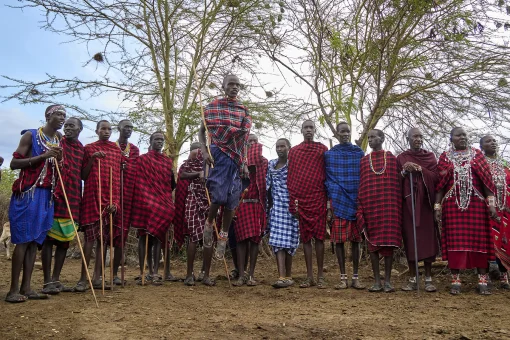
You should also be careful to respect local sensitivities and avoid offending local sensitivities. When you visit Stone Town and local communities, just make sure to dress modestly (covering your shoulders & knees) as a sign of respect. When its Ramadan or when going to a mosque, be respectful. Also remember that photographing local people, religious sites and government buildings usually requires permission – and photographing security forces, military installations or border areas is usually not encouraged; broader Tanzania travel guides for international visitors often emphasize these cultural norms too.
Tanzania has strict wildlife laws which are designed to protect the country’s incredible natural heritage – and dont even think about removing any animal products (such as shells, bones, or feathers) from national parks – its against the law. Buying ivory or other protected animal products is just as serious a no-no – you could end up in serious trouble for that. Gosheni guides will go over local wildlife laws as part of the pre-departure briefing that comes before every game drive and trekking excursion, especially on trips focused on the Great Migration safari experience in Serengeti and Ndutu.
When you arrive at a Tanzanian airport, be prepared for a standard search of electronic devices and inspection of images on your camera or phone as part of customs and security procedures. Authorities may search electronic devices and this can involve examining images stored on them, especially to ensure compliance with local laws and security regulations. Just make sure you haven’t got anything on your devices that could be misinterpreted as a local law violation or that might cause problems for local security forces.While Tanzania is generally safe, travelers should remain vigilant, especially in crowded areas or when traveling alone.
Getting Around Safely in Tanzania – Transport, Roads & Everything Else
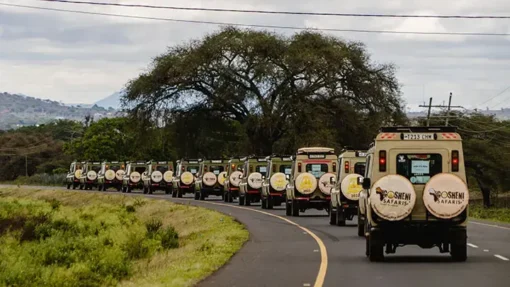
Public transport in Tanzania can be a bit hit-or-miss – to put it kindly – and its generally not recommended for tourists as a way to travel between destinations. Public transportation can also be subject to disruptions during demonstrations or civil unrest, which may affect travelers’ mobility and safety. Additionally, many transport services in Tanzania, including trains, buses, and ferries, often suffer from poor maintenance standards, which can compromise both safety and reliability. This is because public transport carries a higher risk of accident or opportunistic theft than using private or operator-arranged transfers. The good news is that Gosheni Safaris looks after all ground transport for its guests in its own fleet of well-maintained safari vehicles as part of their expertly guided Tanzania safari experiences, so you dont have to worry about the uncertainty and risks that come with unvetted public transport or informal taxis.
If you plan on self-driving in Tanzania at any point during your trip, you’ll need to have a valid international driving permit alongside your US driving license. And be aware that traffic laws and driving customs in Tanzania are quite a bit different from what you’re used to in the States. Outside major cities roads can be pretty rough, especially after rainy periods, and night driving in poorly lit areas is a real no-go due to road hazards & poor visibility. For most US safari travelers though, this won’t be an issue since all transportation is typically arranged by the tour operator.
Tanzania has been putting a lot of work into its rail network – including an electric train service – but for tourists at least, public transport options are still pretty limited outside urban areas. If you’re going on a safari, a private vehicle from a reputable operator is still the smartest & safest way to go, and companies that offer tailor-made African safari tours and itineraries will generally build this into your trip from day one.
Why Choosing The Right Operator Matters More Than Ever
A lot of the risks that US travelers face in Tanzania can be greatly reduced, if not eliminated, by going with a good tour operator that knows what they’re doing. Choosing reputable and professional guides and tour operators is essential to ensure your safety, expert knowledge, and adherence to regulations throughout your trip. Its not some marketing hype – it’s a cold hard fact. An experienced Tanzania safari specialist like Gosheni Safaris will know which routes are currently safe, keep up with local news & stay in touch with local authorities in case anything goes down, vet all their accommodation & transport partners to make sure they’re up to scratch, get travel insurance set up before you leave, and most importantly be there for you 24/7 in case something does go wrong.
Gosheni Safaris has got this exact same layer of protection to offer. Founded by Peter Robert – a guy who used to work as a guide and driver with loads of experience & local knowledge – theyve been running safe, successful safaris for American & international travelers since 2009, including a range of unforgettable safari adventures across East Africa. The expert tour guides are trained first aid & emergency response, and all safari vehicles are equipped for safety and communication so you can get in touch with their support teams if you need to in a remote area. Before every trip, they give you a safety briefing to cover off on things like what to do in case of an emergency & general wildlife protocols.
They also take care of your personal safety by avoiding areas where petty crime targets tourists – think busy markets and transport hubs. Gosheni arranges airport transfers for its guests and will get you safely moved around town, keeping you safely out of harm’s way. When you’re in a Gosheni custom-designed safari vehicle with a pro guide, the risks that solo travelers face on public transport are just not there.
Emergency Preparedness: What To Do When Things Go Wrong
No one wants to think about emergencies while on vacation, but being prepared can make all the difference if something does go wrong. Make sure your travel insurance plan includes coverage for medical evacuation, as medical facilities in Tanzania may not always meet the standards you’re used to back home. In the event of a serious illness or injury, seek immediate medical attention at reputable medical facilities, and don’t hesitate to contact local authorities or security forces for assistance; if you’re traveling with a tour company, keep their emergency contact details for Gosheni Safaris or your chosen operator handy as well.
It’s also smart to have the Tanzania telephone number for emergency services saved in your phone, and to know the location of the nearest office of your embassy or consulate. Stay alert to your surroundings, especially in urban areas, and keep an eye on local media for updates about political rallies, demonstrations, or potential terrorist attacks. Avoid large gatherings and follow local advice to minimize your risk.
Protect your personal belongings at all times, as credit card fraud and armed robbery can occur, particularly in busy areas. Familiarize yourself with local wildlife laws and disease control measures to avoid accidental violations or health risks. By taking these appropriate precautions and knowing how to respond in an emergency, you’ll be well-equipped to handle unexpected situations and keep your Tanzanian adventure on track.
The Honest Truth
Tanzania is actually a pretty safe place for American travelers who know what they’re getting themselves into. With the right vaccinations, antimalarials, insect repellent, travel insurance & some basic common sense, the health risks are pretty low. The personal security risks are easy to avoid – dont be flashing cash or expensive gear in public & all that. The cultural & legal differences are easy to navigate once you know what’s what. And the rewards – think watching the Serengeti at dawn, seeing lions in the wild, the Ngorongoro Crater in all its glory – make all the planning & prep totally worth it.
Keep an eye on US state department travel advice before you leave, get your health insurance sorted so you’re covered for medical evacuations, book your travel insurance early, and then choose a tour operator that actually gets it – like Gosheni. Theyve spent 15 years building a rep for running safe, awesome trips for travelers from all over the world. Be aware that internet access may be disrupted during civil unrest or emergencies, so plan accordingly. Tanzania is waiting for you – and it is worth the effort to get there.


