Many travelers dream of going on safari in Tanzania, drawn by its breathtaking landscapes and incredible wildlife. However, there’s often confusion about the difference between a regular safari and a Great Migration safari. While both offer unforgettable experiences, they differ in focus, timing, and cost. Whether you want to see the famous Great Migration or simply explore Tanzania’s rich ecosystems, this guide will help you understand the key differences and decide which safari is best for you.
What is a Regular Safari in Tanzania?
A regular safari in Tanzania typically refers to exploring the Northern Circuit, a collection of national parks renowned for their diverse wildlife and stunning scenery. These safaris offer year-round game viewing and don’t necessarily focus on the Great Migration.
Key Parks in the Northern Circuit
Serengeti National Park (Central and Southern Areas)
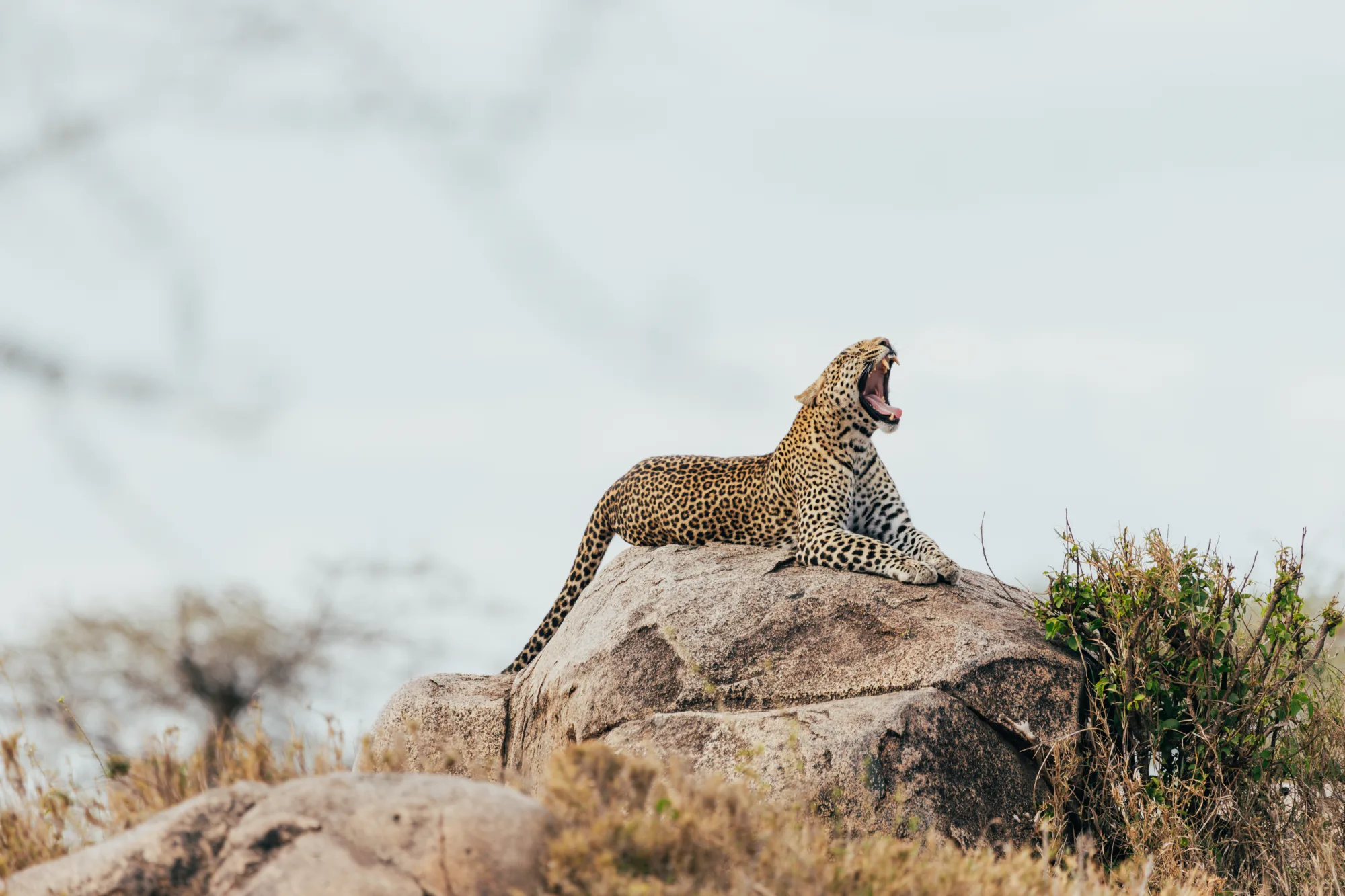
Even when the migrating herds aren’t present, the Serengeti remains one of Africa’s best parks for seeing the Big Five (lion, leopard, elephant, buffalo, rhino). The park’s resident wildlife provides excellent viewing opportunities throughout the year.
Ngorongoro Crater
This UNESCO World Heritage Site is a must-visit destination. The crater’s unique ecosystem supports dense populations of animals, including elephants, rhinos, lions, and hippos. The lush landscape and permanent water sources ensure year-round wildlife activity.
Tarangire National Park
Known for its large herds of elephants and iconic baobab trees, Tarangire offers a quieter safari experience. During the dry season (June to October), animals gather around the Tarangire River, providing excellent game viewing.
Lake Manyara National Park
This small yet diverse park is famous for its birdlife, hippos, and tree-climbing lions. It’s a great addition to a Northern Circuit itinerary, especially for first-time visitors.
Other Safari Routes Beyond the Northern Circuit
If you’re looking for something different, Tanzania also offers safaris in its Southern and Western Circuits:
- Southern Circuit: Includes Ruaha National Park and Selous Game Reserve. These parks are less crowded and offer a more remote, off-the-beaten-path experience.
- Western Circuit: Includes Katavi National Park and Mahale Mountains, known for chimpanzee tracking and untouched wilderness.
Even without focusing on the Great Migration, a regular safari in Tanzania offers incredible wildlife diversity, varied landscapes, and a mix of adventure and relaxation.
What is a Great Migration Safari?
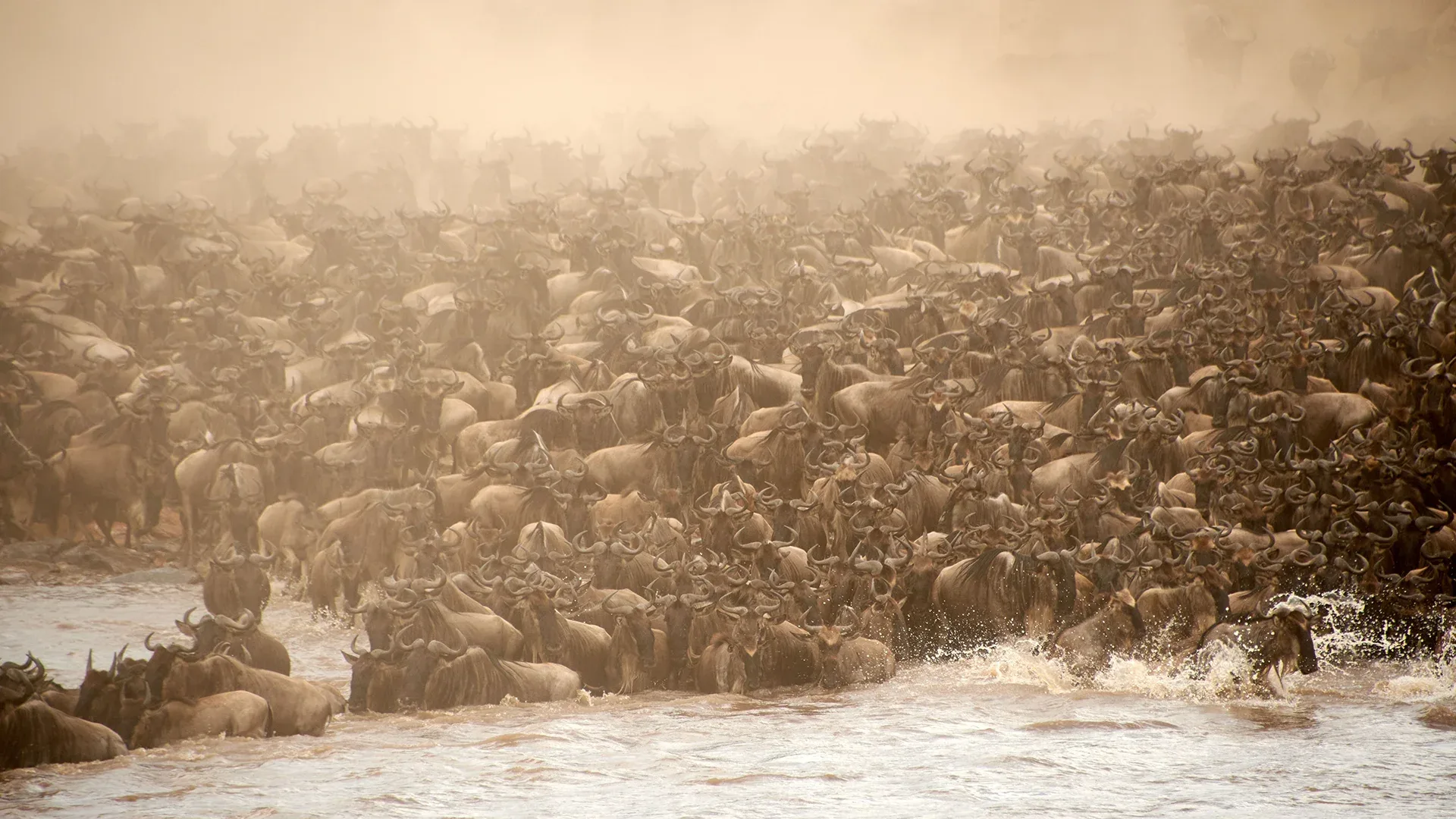
A Great Migration safari is centered around one of nature’s most spectacular wildlife events, the annual movement of over 1.5 million wildebeest, along with hundreds of thousands of zebras and gazelles, across the Serengeti-Mara ecosystem. The migration is driven by seasonal rains and the search for fresh grazing land.
Key Phases and Locations of the Great Migration
Calving Season (January to March)
The herds gather in the southern Serengeti and Ndutu plains, where thousands of calves are born daily. This attracts predators, making it an exciting time for wildlife action.
Grumeti River Crossings (April to June)
As the herds move northwest, they must cross the Grumeti River. While less famous than the Mara River crossings, it’s still a thrilling spectacle.
Mara River Crossings (July to October)
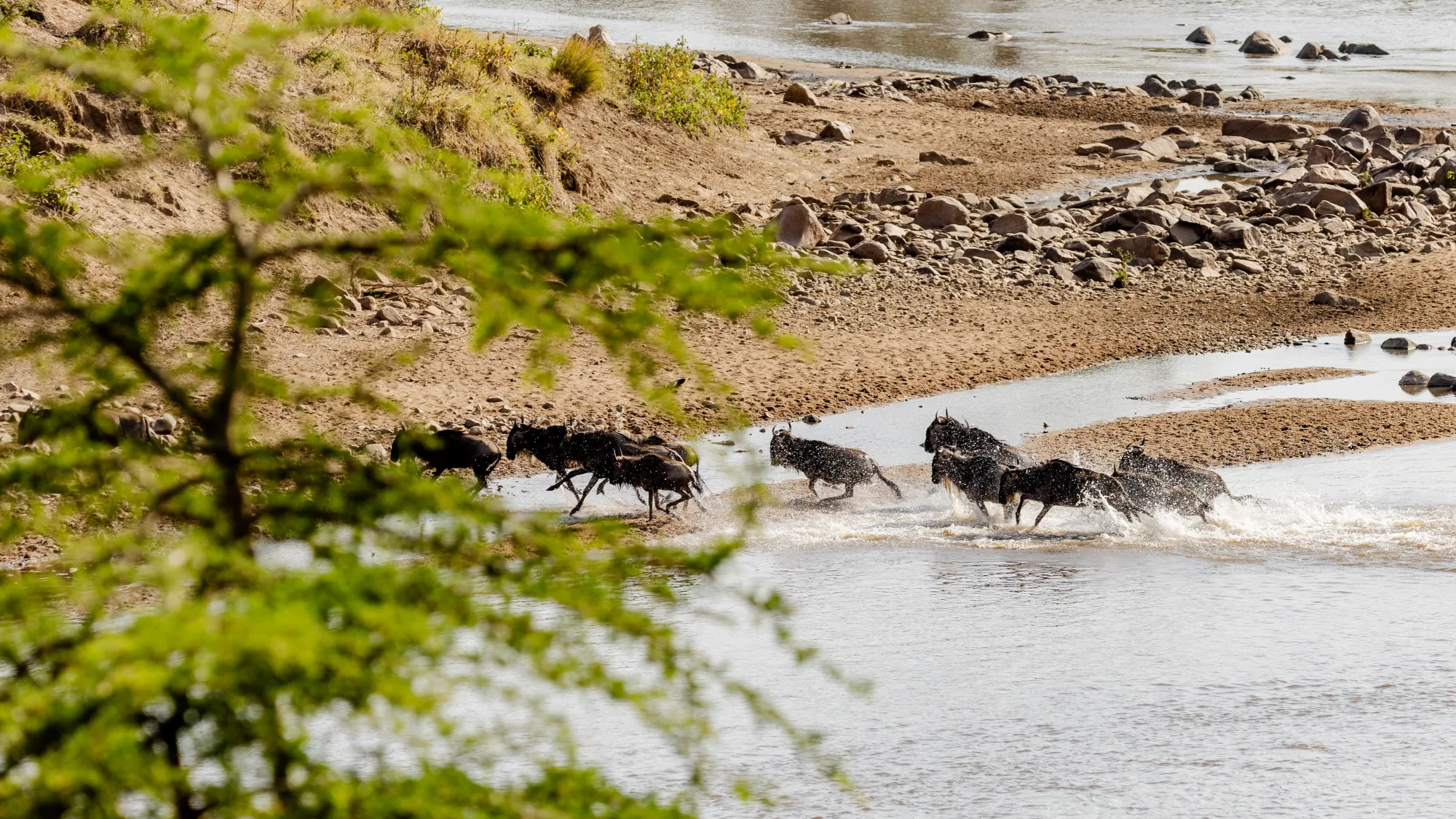
Perhaps the most iconic part of the migration, this is when the herds face the perilous Mara River, where crocodiles and swift currents pose a constant threat. This phase occurs in the northern Serengeti and Maasai Mara.
Return to Southern Serengeti (November to December)
After spending a few months in Kenya’s Maasai Mara, the herds return to Tanzania’s Serengeti as the rains replenish the southern plains.
Pros and Cons of Regular Safaris vs. Great Migration Safaris
A. Regular Safari in Tanzania
Pros:
- Flexibility: Regular safaris are available year-round, with no strict timing requirements.
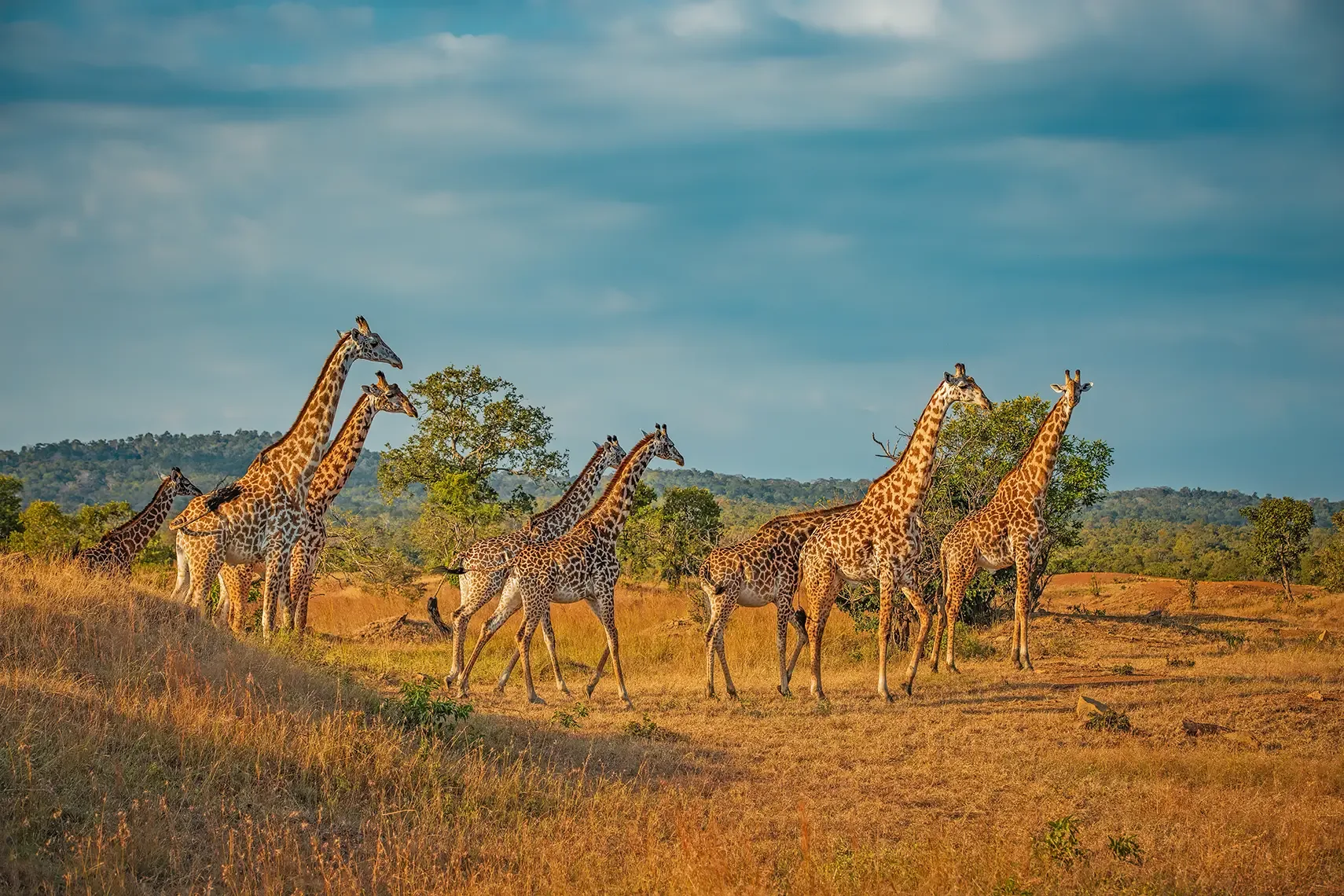
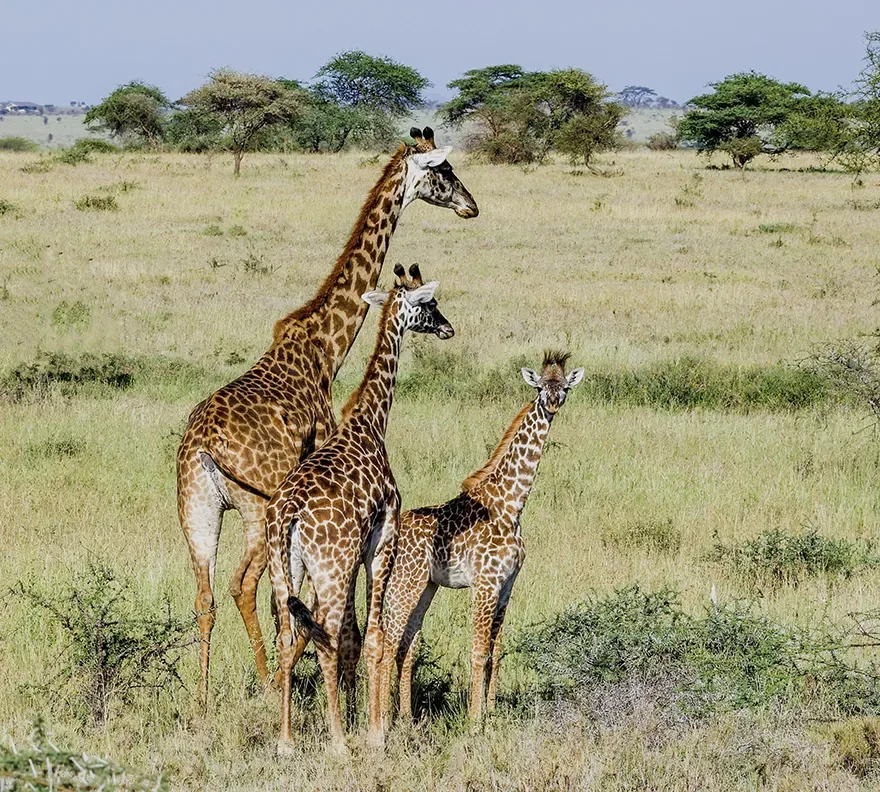
- Diverse Wildlife: You’ll see a wide range of animals, including elephants, lions, giraffes, and various bird species.
- Lower Cost: Regular safaris tend to be more affordable than Great Migration safaris.
- Less Crowded: Since you’re not following the migration, you’ll avoid the high-season crowds.
Cons:
- Miss the Migration Spectacle: You won’t witness the large-scale movement of herds or dramatic river crossings.
- Seasonal Variations: Wildlife density can vary depending on the time of year and park location.
B. Great Migration Safari
Pros:
- Witness an Iconic Event: The Great Migration is one of the most extraordinary wildlife spectacles on Earth.
- High Predator Action: With so many herbivores on the move, predators like lions, cheetahs, and crocodiles are highly active.
- Unique Experiences: Calving season and river crossings offer once-in-a-lifetime moments.
Cons:
High Season = High Cost: Great Migration safaris are more expensive due to their popularity and exclusivity.
- Crowded Hotspots: Certain areas, like the Mara River, can get crowded during peak migration periods.
- Requires Precise Timing: To catch specific migration events, careful planning is essential.
Can You Do a Regular Safari During the Great Migration?
Yes, you can do a regular safari in Tanzania during the Great Migration season without focusing solely on the herds. In fact, many travelers choose to combine both experiences.
Options for a Regular Safari During the Migration
- Explore Other Parks: While the migration happens in the Serengeti, you can visit Tarangire, Ngorongoro, and Lake Manyara for diverse wildlife viewing.
- Visit Central Serengeti: Even if you don’t follow the herds, the central Serengeti offers excellent game viewing year-round, thanks to its resident wildlife.
Curated Journeys
Safaris to Inspire This Journey
Handcrafted itineraries that bring this story to life.
Combining Both Experiences
Many travelers start with a regular safari in Tarangire and Ngorongoro, where they can enjoy diverse wildlife and stunning landscapes.
They then end their trip in the Serengeti, timing their visit to catch part of the migration (e.g., calving season or river crossings).
This combination offers the best of both worlds, a relaxed, varied safari experience alongside the excitement of the Great Migration.
How to Decide Which Safari is Right for You
A. Choose a Regular Safari If:
You want a flexible itinerary with diverse wildlife encounters.
You’re traveling outside the peak migration seasons.
You prefer a more relaxed and less crowded safari experience.
You’re on a tighter budget.
B. Choose a Great Migration Safari If:
Witnessing the Great Migration is a top priority.
You’re interested in dramatic wildlife action, such as river crossings or predator hunts.
You’re willing to plan your trip around migration timings and can accommodate a higher budget.
Conclusion
Both regular safaris and Great Migration safaris offer unique and unforgettable experiences in Tanzania. A regular safari provides year-round flexibility, diverse wildlife viewing, and a more relaxed experience. On the other hand, a Great Migration safari offers the chance to witness one of nature’s greatest spectacles but requires careful planning and comes with a higher price tag.
Whichever you choose, Tanzania’s stunning landscapes and incredible wildlife will ensure a safari experience you’ll never forget.
Where You'll Stay