
The Serengeti is one of the last places on earth where nature still holds the reins. Across its vast rolling plains, life has been unfolding for centuries to the same basic rules: predators hunt, prey migrate and the delicate balance of the ecosystem remains intact. The landscape is dotted with iconic acacia trees and other trees, which provide essential shade and shelter for wildlife such as leopards, lions, and elephants, making them a defining feature of the region. Understanding prey-predator dynamics in the Serengeti is key to understanding why this place offers what so many people consider the best African safari experience – a chance to witness relationships between species, seasons and landscapes that capture the essence of Africa’s wildlife in all its glory.
For visitors and wildlife enthusiasts alike, the Serengeti is not just about spotting animals. It’s about witnessing the intricate web of life that is Africa’s wildlife at its very best. The diversity of wildlife here is astounding, with opportunities to see not only the famous mammals but also a wide variety of bird species, graceful giraffe, and fascinating reptiles.
Beyond the iconic mammals, the Serengeti is home to unique species such as the leopard tortoise, rhinoceros beetle, and elephant shrew, all of which highlight the region’s remarkable biodiversity.
The Serengeti is renowned for being one of the best places to see Africa’s Big Five animals—lion, leopard, elephant, rhino, and Cape buffalo—considered the five most difficult animals to spot or hunt. Among these, the black rhino stands out for its rarity and endangered status, making any sighting especially significant for conservation-minded travelers. Some of these animals, like the Cape buffalo, are known for their dangerous and unpredictable nature, adding to the excitement and respect required during safari encounters. Generally, visitors can expect to see a wide range of wildlife, though sightings can vary with the seasons and animal behavior.
Many travelers dream of seeing all Big Five in one trip, and the Serengeti is one of the best destinations to achieve this goal. Whether you choose a classic safari or opt for a luxury experience with top-tier accommodations and exclusive game drives, the Serengeti offers something for everyone.
A safari here is not just a journey—it’s the thrill of close encounters and the promise of an unforgettable adventure in the heart of Africa.

The Big 5 and the Heart of Predator-Prey Balance
A classic Big 5 safari in Africa centres around five iconic species: lion, leopard, African elephant, rhino and Cape buffalo – animals once described as the most difficult to hunt on foot, but now among the most coveted living creatures to encounter in their natural habitat.
Each plays a vital ecological role:
- Lion – the top predator that keeps herbivore populations in check
- Leopard – the elusive hunter that controls the smaller prey species
- African elephant – the largest land mammal that shapes the very landscape and access to water
- Black and white rhino – two rare browsers and grazers that play a vital role in keeping the habitat diverse
- African buffalo – a powerful animal in big herds that influence predator behaviour
Together these five incredible animals form the backbone of Serengeti predator-prey dynamics, and pretty much define what an African safari is all about.
Why the Serengeti Stands Head and Shoulders Above the Rest
Unlike other safari destinations, Serengeti National Park has no fences. Wildlife is free to roam across thousands of square kilometers, moving between the northern Serengeti, Kenya and back again. And that freedom is what allows natural processes to happen without interference.
Here predators don’t follow vehicles – they follow their prey. And the prey move according to the rain, the grass and their own instincts. The result is a living, breathing ecosystem shaped by movement, not boundaries.
It’s also why many safari goers choose to spend more time here than in other parks, often adjusting their itineraries to follow the seasonal wildlife movements, rather than sticking to a fixed route.
The Great Migration: The Most Epic Prey-Predator Show On Earth
The Great Migration is the force that drives the Serengeti ecosystem. Every year over a million wildebeest and zebra move in massive herds, creating a constant cycle of life and death. And during the dry season, river crossings bring prey and predators into a dramatic confrontation – a show you really can’t miss.
For travelers, migration-timed safaris are often planned months in advance – but some periods can offer more availability or added inclusions, depending on your travel dates.
Some of the most popular migration-focused journeys include:
- 5-Day Serengeti Great Migration Safari : https://discover.goshenisafaris.com/5-days-serengeti-great-migration-safari-en/
- 7-Day Great Serengeti Migration Safari : https://discover.goshenisafaris.com/7-days-the-great-serengeti-migration-safari-en/
- 10-Day Serengeti Wildebeest Migration Safari
These routes are often customized around the specific migration phases, from river crossings to predator-rich plains.
The Clever Tactics of Predators & Prey
At the heart of the Serengeti’s predator-prey dynamics are some really clever strategies – developed over thousands of years of evolution:
- Lions are the ultimate hunt co-ordinators, often taking down their prey at dusk or under the cover of darkness
- Leopards are stealthy, tree-storing ambushers
- Cheetahs rely on raw speed in open plains

Prey species, of course, have their own set of quick thinking, survival tactics:
- Zebra and wildebeest rely on group awareness
- Antelope use their agility and irregular movement
- Buffalo herds band together for mutual defence – and sometimes even overpower lions
These interactions between predators and prey have a profound impact on grazing patterns, migration routes, and even the structure of the landscape itself.
The African Buffalo: The Unsung Titan of the Plains
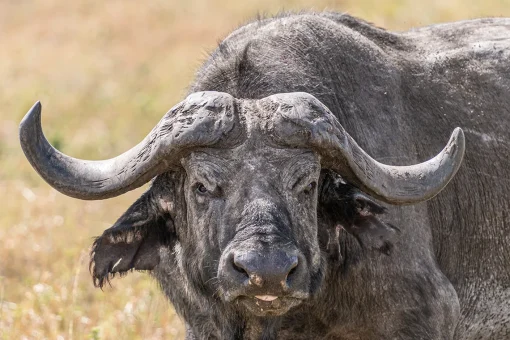
Among Africa’s most sought after animals, the African buffalo—often called the cape buffalo—stands out as a true titan of the savanna. These formidable members of the Big Five are not only iconic creatures but also some of the most difficult animals to encounter up close, thanks to their unpredictable nature and sheer strength. Buffalo herds, sometimes numbering in the hundreds, move as a unified force across the grasslands, their presence shaping the very rhythm of life on safari.
Led by a dominant matriarch, these herds are a marvel of social organization and collective defense. When threatened, buffalo don’t scatter—they band together, forming a living wall of muscle and horns that can deter even the most determined predators. This defensive strategy makes them a challenging target for lions and leopards, and historically, one of the most difficult animals to hunt on foot. Spotting a herd of African buffalo on safari is a heart-pounding experience, as their size, power, and alertness command respect from all who share the plains.
Whether you’re watching a herd graze peacefully or witnessing a dramatic standoff with predators, the African buffalo embodies the wild, untamed spirit of Africa. It’s no wonder that for many wildlife enthusiasts, seeing these animals in their natural habitat is a highlight of any African safari adventure.
How Your Safari Experience Reveals These Dynamics
Not all safari experiences reveal the predator-prey behaviour with equal clarity. The way you choose to explore really matters.
- Game drives give you a front-row seat to the hunting and herd movements
- Walking safaris uncover the hidden tracks, kill sites and other telling clues that showcase the intricate balance of the ecosystem
- Hot air balloon safaris offer a totally unique aerial perspective of predator territories and prey migration
A lot of travelers quietly choose to combine different safari styles – and you know what? It’s often easier to do so when your itinerary is flexible or tailored in advance.
Want to see what other options are out there? Check them out here: https://discover.goshenisafaris.com/tanzania-safari-en/.
You can also learn more about Gosheni Safaris, a leading Tanzania safari operator.
How the Serengeti Measures Up Against Other African Safaris
Of course, there are many other incredible wildlife destinations around Africa, each with their own unique experiences to offer* Kruger National Park in South Africa – dense bush , plenty of Big Five sightings no problem
- Okavango Delta in Botswana – where the predators live & breathe in the water
- Ol Pejeta Conservancy in Kenya – at the forefront of rhino conservation
Still, none come close to matching Serengeti’s scale, continuity & ecological completeness. So its no surprise the Serengeti’s seen as the benchmark for safari destinations across Africa.
Beyond the Serengeti: The Okavango Delta and Kruger National Park
While the Serengeti’s Great Migration is legendary, Africa’s wilderness offers a tapestry of unforgettable safari experiences beyond its borders. The Okavango Delta in Botswana is a shimmering oasis where winding waterways and lush islands create a paradise for wildlife. Here, the adventure takes on a new dimension—imagine drifting silently in a mokoro canoe or soaring above the delta in a hot air balloon, spotting elephants, buffalo, and antelope as they move through the mosaic of habitats below. The Okavango’s ever-changing landscape is a haven for the Big Five and countless other animals, making every encounter a delight for wildlife enthusiasts.
Further south, Kruger National Park in South Africa stands as one of the continent’s premier safari destinations. This vast national park is renowned for its diversity of habitats, from open savanna to dense bushveld, each teeming with iconic creatures. Game drives and guided walks offer the chance to encounter lions, leopards, rhinos, and herds of buffalo in their natural environment. Kruger’s well-maintained infrastructure and expert guides make it accessible for both first-time visitors and seasoned adventurers seeking a deeper connection with Africa’s wildlife.
Whether you’re exploring the watery wonders of the Okavango Delta or the classic landscapes of Kruger National Park, each destination promises a unique safari experience. These parks are not just places to see animals—they are living, breathing wildernesses where every day brings a new adventure and every encounter is unforgettable.
The Impact of Climate Change on Africa’s Wildlife
Africa’s wildlife is facing unprecedented challenges as climate change reshapes the continent’s natural habitats. Rising temperatures and shifting rainfall patterns are altering the delicate balance that sustains the Big Five and countless other species. Droughts have become more frequent, making it harder for African elephants to find water and forcing buffalo herds to travel greater distances in search of grazing. Black rhinos, already under threat, now contend with shrinking habitats as vegetation patterns change, putting additional pressure on their survival.
These environmental shifts don’t just affect individual animals—they ripple through entire ecosystems, disrupting predator-prey relationships and increasing competition for scarce resources. As habitats shrink and water sources dwindle, encounters between wildlife and local communities become more common, sometimes leading to conflict.
Conservation efforts are more critical than ever. Protecting Africa’s wildlife now means not only safeguarding animals from poaching but also helping habitats adapt to a changing climate. Safari operators and conservation organizations are working closely with local communities to develop sustainable practices that benefit both people and wildlife. By supporting responsible tourism and conservation initiatives, travelers can play a vital role in ensuring that Africa’s iconic creatures continue to thrive for generations to come.
Conservation, Community & Doing Safari Travel the Right Way
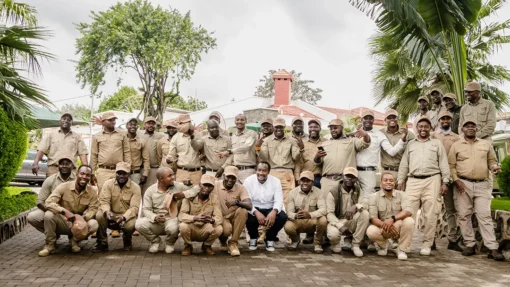
A healthy predator-prey system relies on conservation. Anti-poaching efforts protect those coveted rhino horns, while tourism money helps keep habitats & local communities safe.
Lots of safari trips include conservation contributions & community partnerships quietly working behind the scenes – and its well worth looking into when deciding where & how to travel. By being responsible tourists, you ensure wildlife stays wild & the landscapes stay intact.
Education: The Hidden Key to Africa’s Conservation Future
At the heart of Africa’s conservation success stories lies a powerful tool: education. By empowering local communities with knowledge about wildlife, habitats, and sustainable practices, education becomes the foundation for lasting change. When people understand the value of their natural heritage, they become passionate stewards of the land, working to protect the Big Five and countless other species that call Africa home.
Organizations like the Ol Pejeta Conservancy in Kenya are leading the way, offering training programs, school outreach, and hands-on conservation experiences. These initiatives not only help combat poaching and wildlife trafficking but also create new opportunities for local people, from eco-tourism jobs to community-led conservation projects. Education fosters a sense of pride and responsibility, ensuring that the benefits of wildlife conservation are shared by all.
As a wildlife enthusiast planning your next African safari adventure, you can make a difference by supporting these efforts—whether by choosing responsible safari operators, spreading awareness, or contributing to conservation education programs. Start planning your journey today and explore the breathtaking landscapes, vibrant cultures, and incredible wildlife that make Africa truly unforgettable. Together, we can help secure a brighter future for Africa’s wildlife and the communities that protect it.
Planning the Perfect Serengeti Safari – That Suits You
Whether its big cats, the epic migration story, or just fascinated by how ecosystems work, how you plan the trip really does make a difference. A few things to consider:
- When to go – dry season vs. the green season
- How long to stay & at what pace
- Are you after walking safaris, a hot air balloon ride, or just long game drives
Itineraries get a lot more interesting when you think things through – you can adjust the route, add an extra night or two, or go for seasonal deals. Especially when you book way in advance or combine trips thoughtfully.
Options like:
- 7-Day Tanzania Wilderness Safari
https://discover.goshenisafaris.com/7-day-tanzania-wilderness-safari-en/ - 5-Day Tanzania Mid-Range Safari
https://discover.goshenisafaris.com/5-days-tanzania-mid-range-safari-en/ - 7-Day Great Wildebeest Migration Calving Safari
https://discover.goshenisafaris.com/7-days-the-great-wildebeest-migration-calving-safari-en/
Any of these can be adapted to suit your timing, interests & travel style.
Why the Serengeti Stays with You – Long After You’ve Left
Serengeti doesn’t pretend to stage a show for you. What it does offer is truth. You get to see the tension of a hunt, the silence after a herd has crossed, & the rhythm of the herds moving across the open – its these moments that show you how life really fits in here.
For many people, understanding prey-predator dynamics becomes more than just a tick in a box. It becomes a journey of discovery that just carries you off on a whole new level. Its what sends people coming back for more – or makes you go ‘I really am just at the beginning of this journey’.


