
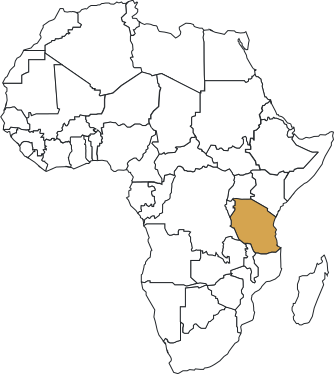
Each of Tanzania’s tribes carries a unique cultural legacy, from language and dress to music, rituals, and oral history. Meeting them isn’t just a cultural experience—it’s a journey into the living heart of Tanzania’s identity. Curious to learn more about these fascinating cultures? Read full article here
Check out our most recent article about Tanzania Tribes (then yung TZ tribes nakalink dito sa new article na to
=======
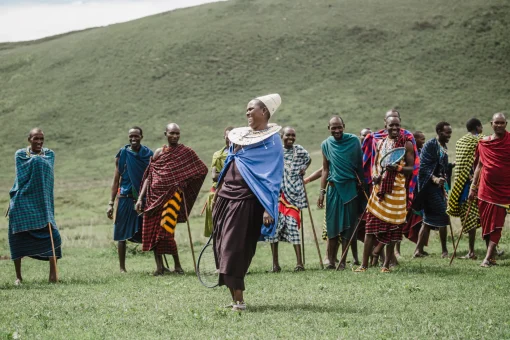
Tanzania is home to over 120 tribes, each contributing to the country’s rich and diverse social fabric. With unique traditions, languages, and practices, each tribe offers a different story and cultural experience. Below are 24 prominent tribes of Tanzania, sharing their history, culture, habitat, and what they are best known for.
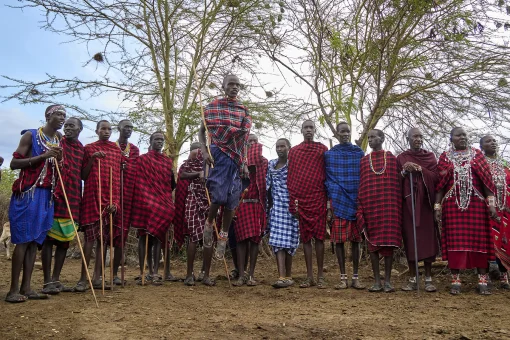
1. The Maasai Tribe
HISTORY
The Maasai migrated from the Nile Valley around the 15th century. Known for their semi-nomadic lifestyle, the Maasai have traditionally been cattle herders. They fiercely resisted colonial rule, maintaining their territory.
WHAT THEY ARE KNOWN FOR
The Maasai are famous for their distinctive red clothing, beadwork, and warrior culture. Their cattle-based economy defines their social structure.
HABITAT
The Maasai reside in the Serengeti and Ngorongoro Crater regions.
CULTURE
The Maasai value cattle and engage in warrior rituals, including initiation ceremonies and dancing.
2. The Chaga Tribe
HISTORY
The Chaga were historically divided into small chiefdoms along the southern slopes of Mount Kilimanjaro. After Tanzania’s independence, the chiefdom system was abolished.
WHAT THEY ARE KNOWN FOR
The Chaga are known for their agricultural skills, particularly in coffee cultivation and their entrepreneurial spirit.
HABITAT
They live on the southern slopes of Mount Kilimanjaro, where volcanic soil supports their farming.
CULTURE
The Chaga are celebrated for their festivals, music, and strong community-based rituals surrounding agriculture.
3. The Hadza Tribe
HISTORY
The Hadza tribe is one of the last remaining hunter-gatherer tribes in the world, living around Lake Eyasi for thousands of years without major changes in their lifestyle.
WHAT THEY ARE KNOWN FOR
The Hadza are known for their unique hunter-gatherer lifestyle, surviving by hunting and foraging.
HABITAT
They live near Lake Eyasi in the Great Rift Valley, moving seasonally to find food.
CULTURE
The Hadza have an egalitarian society, relying on oral traditions, storytelling, and communal living.
4. The Sukuma Tribe
HISTORY
The Sukuma are the largest ethnic group in Tanzania and historically lived in the northwest region near Lake Victoria. They were traditionally cattle herders and farmers.
WHAT THEY ARE KNOWN FOR
The Sukuma are known for their farming expertise and vibrant music and dance traditions.
HABITAT
They reside around Lake Victoria, where fertile land supports their agricultural activities.
CULTURE
The Sukuma are known for their lively drumming and dancing during social ceremonies.
5. The Nyakyusa Tribe
HISTORY
The Nyakyusa migrated from Central Africa and settled in the southern highlands of Tanzania, near Lake Tanganyika.
WHAT THEY ARE KNOWN FOR
The Nyakyusa are known for their farming skills, particularly in growing cassava and maize, and their vibrant beadwork.
HABITAT
They live in the Mbeya region of southern Tanzania, where fertile land supports agriculture.
CULTURE
The Nyakyusa practice traditional healing and have a rich oral tradition with strong ties to their ancestors.
6. The Gogo Tribe
HISTORY
The Gogo tribe is an ancient group from Dodoma region, historically cattle herders and farmers.
WHAT THEY ARE KNOWN FOR
The Gogo are known for their vibrant dances, music, and agricultural practices.
HABITAT
The Gogo live in the Dodoma region, where the land supports farming.
CULTURE
The Gogo are known for drumming and music, which play an integral part in their ceremonies.
7. The Wazaramo Tribe
HISTORY
The Wazaramo tribe is based on the coast of Tanzania, especially around Dar es Salaam, where they have historically traded and fished.
WHAT THEY ARE KNOWN FOR
The Wazaramo are skilled farmers and fishers, known for their rich cultural festivals and traditions.
HABITAT
They live along Tanzania’s coastal regions, near Dar es Salaam.
CULTURE
The Wazaramo have vibrant music, dance, and festivals. They also practice traditional healing.
8. The Haya Tribe
HISTORY
The Haya tribe, originally from the Lake Victoria region, has a long history of farming and trade.
WHAT THEY ARE KNOWN FOR
The Haya are known for their expertise in agriculture and their involvement in local trade.
HABITAT
They live near Lake Victoria, where the fertile soil supports their farming lifestyle.
CULTURE
The Haya tribe values storytelling and music, with dance and songs being an integral part of their culture.
9. The Iraqw Tribe
HISTORY
The Iraqw are located in Mbulu and Hanang regions and have a strong agricultural and pastoral tradition.
WHAT THEY ARE KNOWN FOR
The Iraqw are known for their stone construction techniques and agricultural practices.
HABITAT
They reside in the Mbulu and Hanang regions, farming in highland areas.
CULTURE
The Iraqw tribe is known for their traditional rituals, stone buildings, and communal living.
10. The Mbulu Tribe
HISTORY
The Mbulu tribe lives in the Manyara region, known for their agricultural skills and traditional ceremonies.
WHAT THEY ARE KNOWN FOR
The Mbulu are known for their agriculture, particularly in maize and sorghum farming.
HABITAT
They reside in the Manyara region, where the land is fertile for agriculture.
CULTURE
The Mbulu are famous for their traditional dances and music that accompany community celebrations.
11. The Pare Tribe
HISTORY
The Pare tribe lives in the Kilimanjaro region, known for their agricultural traditions.
WHAT THEY ARE KNOWN FOR
The Pare are known for their agriculture, especially in millet and banana cultivation.
HABITAT
The Pare live on the fertile slopes of Mount Pare, where agriculture thrives.
CULTURE
The Pare tribe has a strong sense of community, with music, dance, and farming rituals being central to their way of life.
12. The Wazaramo Tribe
HISTORY
The Wazaramo are based along Tanzania’s coastal regions, especially around Dar es Salaam.
WHAT THEY ARE KNOWN FOR
The Wazaramo are known for their skills in farming and fishing, and their cultural vibrancy.
HABITAT
The Wazaramo live along the coast, primarily near Dar es Salaam.
CULTURE
Their culture includes music, dancing, and participation in community festivals.
13. The Giriama Tribe
HISTORY
The Giriama tribe resides along Tanzania’s coastline and has a strong farming tradition.
WHAT THEY ARE KNOWN FOR
The Giriama are known for their farming practices and beadwork.
HABITAT
They live in coastal areas, near the Taita Hills, cultivating cassava and millet.
CULTURE
The Giriama tribe is known for their craftsmanship and lively dancing traditions.
14. The Luo Tribe
HISTORY
The Luo tribe lives near Lake Victoria, with a history rooted in fishing and trade.
WHAT THEY ARE KNOWN FOR
The Luo are known for their fishing practices and community-based trade.
HABITAT
They reside around Lake Victoria, utilizing its resources for fishing.
CULTURE
The Luo tribe is deeply connected to their oral traditions and cultural rituals.
15. The Shona Tribe
HISTORY
The Shona tribe resides in the southeastern regions of Tanzania near the border with Mozambique.
WHAT THEY ARE KNOWN FOR
The Shona are known for their metalworking, pottery, and farming.
HABITAT
They live in fertile land near the Mozambique border, where farming thrives.
CULTURE
The Shona are known for their pottery, dance, and music traditions.
16. The Mwera Tribe
HISTORY
The Mwera tribe lives along Tanzania’s coastal regions, particularly around Lindi and Mtwara.
WHAT THEY ARE KNOWN FOR
The Mwera are known for their farming and fishing traditions.
HABITAT
They live along the southern coastline, near Lindi and Mtwara.
CULTURE
The Mwera are known for their beadwork, dance, and healing practices.
17. The Sonjo Tribe
HISTORY
The Sonjo tribe resides in the Ngorongoro highlands and is one of the smallest tribes in Tanzania.
WHAT THEY ARE KNOWN FOR
The Sonjo are known for their unique agricultural practices, especially in growing barley and wheat.
HABITAT
The Sonjo live in the Ngorongoro highlands.
CULTURE
The Sonjo maintain traditional rituals and agricultural practices.
18. The Barabaig Tribe
HISTORY
The Barabaig tribe is a nomadic pastoralist group who live in central Tanzania.
WHAT THEY ARE KNOWN FOR
The Barabaig are known for their cattle herding and nomadic lifestyle.
HABITAT
The Barabaig live in the central Tanzanian plains, where cattle grazing is central to their economy.
CULTURE
The Barabaig tribe has a strong connection to their livestock, with ceremonial rituals centered around cattle.
19. The Hehe Tribe
HISTORY
The Hehe tribe is based in the Iringa region and was historically a warrior tribe.
WHAT THEY ARE KNOWN FOR
The Hehe are known for their warrior culture and their strong history of resistance.
HABITAT
They live in the Iringa region, where fertile land supports their farming lifestyle.
CULTURE
The Hehe tribe is known for their warrior traditions and vibrant music.
20. The Rukwa Tribe
HISTORY
The Rukwa tribe lives in the western part of Tanzania, near Lake Tanganyika.
WHAT THEY ARE KNOWN FOR
The Rukwa are known for their fishing and farming practices.
HABITAT
The Rukwa live along the shores of Lake Tanganyika, utilizing the lake’s resources.
CULTURE
The Rukwa practice traditional rituals, with fishing and farming central to their lifestyle.
21. The Digo Tribe
HISTORY
The Digo tribe is found in the southern coastal region of Tanzania, particularly in Mtwara.
WHAT THEY ARE KNOWN FOR
The Digo are known for their farming, fishing, and beadwork.
HABITAT
The Digo live along the southern coastline, near Mozambique.
CULTURE
The Digo are known for their drumming and dancing.
22. The Sonjo Tribe
HISTORY
The Sonjo tribe lives in the Ngorongoro highlands.
WHAT THEY ARE KNOWN FOR
The Sonjo are known for their agriculture and unique practices.
HABITAT
The Sonjo live in highland areas, ideal for farming.
CULTURE
The Sonjo maintain traditional farming practices.
23. The Wanyaturu Tribe
HISTORY
The Wanyaturu tribe resides in the Dodoma region of Tanzania.
WHAT THEY ARE KNOWN FOR
The Wanyaturu are known for their agricultural lifestyle and traditional healing practices.
HABITAT
The Wanyaturu live in the Dodoma region.
CULTURE
The Wanyaturu tribe has traditional rituals and healing practices.
24. The Gogo Tribe
HISTORY
The Gogo tribe is from the Dodoma region, historically known for their agricultural practices.
WHAT THEY ARE KNOWN FOR
The Gogo are known for farming and drumming traditions.
HABITAT
They live in Dodoma, with fertile farming land.
CULTURE
The Gogo are famous for drumming and community-centered celebrations.
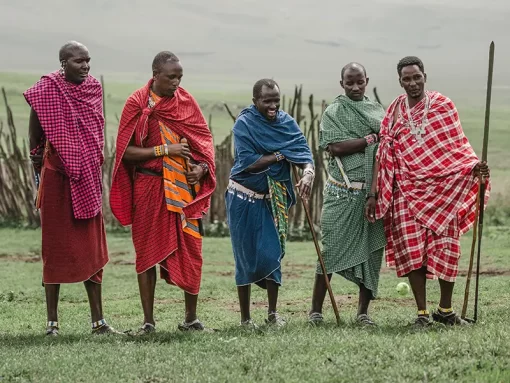
Tanzania’s diverse tribal groups form the backbone of the country’s rich cultural and historical tapestry. From the Maasai warriors of the Serengeti to the Hadza hunter-gatherers near Lake Eyasi, each tribe offers a unique perspective on life, survival, and community. Their deep connection to the land, rich traditions, and distinct ways of life are essential to the fabric of Tanzanian society.
Visiting these tribes not only offers a glimpse into their fascinating cultures but also provides a deeper understanding of Tanzania’s history, values, and traditions. Whether you are exploring the Sukuma farmers near Lake Victoria or the Chaga coffee growers on the slopes of Mount Kilimanjaro, each encounter promises to be a profound experience that connects you to the people of this beautiful country.

At Gosheni Safaris, we offer cultural immersion experiences that provide you with the opportunity to visit these tribes and engage with them directly. By embracing the customs, stories, and traditions of these tribes, you’ll gain a deeper connection to Tanzania—a country that is as much about its people as it is about its landscapes and wildlife.


