GOSHENI EXPERIENCE
Kenya Safari
About Kenya Safari
Situated on the tropical east coast of Africa, Kenya evokes images of dramatic landscapes, a rich natural heritage, and a cosmopolitan fusion of African, Asian and European cultures. These diverse highlights have made Kenya among the most popular tourist destinations on the continent.
The number one attraction is the wildlife; including the Big 5 and the spectacle of the Great Wildebeest Migration. Spread over an extensive network of national parks and private conservancies, decades of proactive conservation and investment in the hospitality industry reveal a range of destinations and activities that cater to a variety of interests and market segments.
Highlights
The Great Migration
Over a million blue wildebeest, 200,000 zebras and a multitude of other antelope proceed on an annual circular route across the Masai Mara National Reserve and Serengeti, in search of grazing.
Big 5 Safari
So named by early hunters as the most dangerous species to encounter, the legendary Big 5 live on in the modern photographic safari. The regal lion, secretive leopard, sentient elephant, moody Cape buffalo and prehistoric rhino are the most sought-after species of the African savanna.
Birding
With its diverse habitats, varying climate and abundance of wilderness left intact, Kenya is home to over 1100 species, including numerous endemics and a host of visiting migrants over the year.
Conservation Safari Experience
Participate in a conservation-focused safari experience aimed at promoting wildlife conservation and habitat preservation efforts in Kenya.
Bush Walks and Nature Trails
Delve into the heart of Kenya's wilderness on guided bush walks and nature trails led by experienced trackers and naturalists. Explore diverse ecosystems, from savannahs to forests, and encounter a myriad of flora and fauna up close.
Most Popular Kenya Safari
Experience the thrill of a lifetime on a Kenya safari, where dreams of the wild come alive. Choose from our all time popular safari tours.
- 8 Days
- Kenya
- 11 Days
- Kenya

- Nairobi, Amboseli, Ol Pejeta, Great Rift Valley, Masai Mara
Top Safari Destinations
For many, Kenya’s safari experience is the benchmark, thanks to the country’s conservation vision and robust tourism sector. Whether you’d like to explore by foot, vehicle or hot air balloon, there’s something for nature lovers from all walks of life.
Kenya’s flagship wildlife destination is home to the northern leg of The Great Wildebeest Migration and a high density of predators, particularly lions. Once the dust settles, the area is still home to an abundance of resident species, making this a worthwhile destination year-round.
Best time to go: June to October. For the Migration: September/October.
Amboseli National Park
Only the towering presence of Mt Kilimanjaro dwarfs the impressive elephants for which Amboseli is renowned. The park is well-populated with wildlife, including some predators. In summer, bird-watchers are well rewarded with the arrival of various migrant species. Amboseli’s array of landscapes evokes the best of Africa’s beauty.
Best time to go: June to September, and January-February.
Tsavo West and Tsavo East
National Park
In their entirety, these neighboring parks constitute one of the largest conservation areas on the planet. Tsavo West is more developed for tourism, while Tsavo East offers a true wilderness experience. Both parks are home to the Big 5 and numerous mammal and bird species.
Best time to go: June to September, and January-February.
Samburu National Reserve
Situated in the dry northern reaches of Kenya, this reserve is known for its beautiful arid landscapes. Visitors can view several species of mammals (Beisa oryx, reticulated giraffes and gerenuk) as well as several bird species uniquely adapted to drier conditions. Excellent leopard viewing is reported.
Best time to go: June to September, and January-February.
Lake Nakuru National Park
Renowned for occasional sightings of vast numbers of flamingos, this is Kenya’s most visited national park. Excellent viewing opportunities of rhinos, reticulated giraffes and other wildlife in a variety of habitats. The lake is host to countless water birds that visit to breed and feed in nutrient-rich waters.
Best time to go: June to March.
Select tours based on when you will come
- 8 Days
- Kenya
- Ol Kinyei Conservancy, Olare Motorogi Conservancy, Maasai Mara Reserve
- 9 Days
- Kenya
- LAKE BARINGO, LAKE BOGORIA, LAKE NAKURU, LAKE NAIVASHA, MASAI MARA
- 14 Days
- Kenya
- AMBOSELI, ABERDARES, SAMBURU, MOUNT KENYA, SWEETWATER, LAKE BARINGO, LAKE BOGORIA, LAKE NAKURU, MASAI MARA
- 12 Days
- Kenya
- Tsavo, Amboseli, Samburu, Aberdare, Great Rift Valley, Lake Nakuru, Masai Mara
Best Time To Go
- Best Time
- Peak Season
- Low/Wet Season
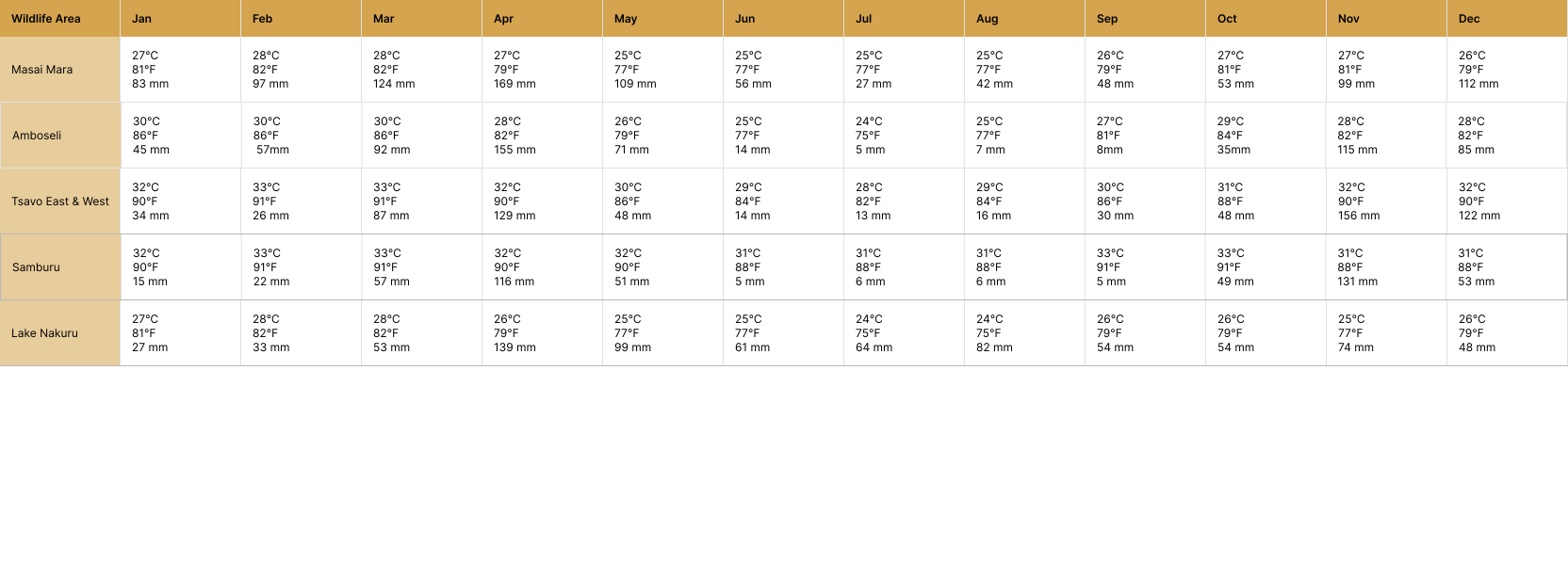
While a fantastic safari is all but assured all year round, the weather does have a role to play, meaning that certain times are better than others. The best time falls between June and October and January/February when the dry conditions make animal spotting that much easier.
Although the timing is unpredictable, the wildebeest migration is evident from August, building to its peak in late September and October. The above period coincides with the Tourism High Season, meaning accommodations and parks are generally very busy.
The month of November and from March to May are the Wet Season, which means that some roads are inaccessible and certain camps close temporarily. On a positive note, special offers may be available at some camps as there are fewer tourists, and bird-watching is at its best.
What to do before or after the safari
Beach Holiday
Climb Mt Kenya
Nairobi
Giraffe Manor
Maasai cultural experience
Diving and fishing
Frequently Asked Questions About Kenya Safari
Get answers to common questions about traveling to Kenya Safari for a hassle-free experience.
Can I see the Great Migration on a Kenya safari?
Which national parks are must-visits for a Kenya safari?
Is it safe to go on a safari in Kenya?
What wildlife can I expect to see on a Kenya safari?
Expect to see the Big Five (lion, elephant, buffalo, leopard, and rhinoceros), giraffes, zebras, cheetahs, and more.
Are there any health requirements for traveling to Kenya?
Vaccinations for yellow fever and antimalarial medication are recommended for most travelers.
What should I pack for a Kenya safari?
Include lightweight, neutral-colored clothing, a sun hat, sunscreen, binoculars, and a good camera.
Can I use my credit cards in Kenya?
Credit cards are widely accepted in cities and major safari lodges, but cash is preferred in remote areas.
What cultural experiences can I have during a Kenya safari?
Visit Maasai villages, participate in cultural talks, and buy local crafts to immerse in the local culture.
How does Kenya support eco-friendly and sustainable tourism?
Many safari lodges operate on eco-friendly principles, supporting conservation and community projects.
Can I go on a balloon safari in Kenya?
Yes, balloon safaris are popular in the Maasai Mara, offering a breathtaking perspective of the wildlife and landscape.
Is it recommended to have travel insurance for a Kenya safari?
Yes, comprehensive travel insurance covering medical emergencies and trip cancellations is highly recommended.
What is the tipping etiquette on a Kenya safari?
Tipping is customary and appreciated, with suggested amounts for guides, drivers, and lodge staff.
Can I take a beach holiday in addition to my safari in Kenya?
Absolutely, Kenya’s coast offers beautiful beaches like Diani, perfect for relaxation after a safari.
What kind of accommodations can I expect on a Kenya safari?
Options range from luxury lodges and tented camps to budget-friendly campsites, all offering various levels of comfort and immersion in nature.