
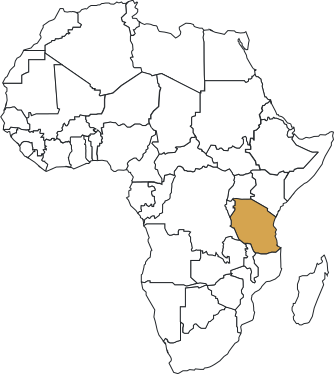
The Zanzibar Archipelago – a stunning string of islands off the coast of mainland Tanzania, famous for its gorgeous beaches, crystal-clear waters and vibrant culture. Stone Town is located on the western coast of Unguja island, the main island of the Zanzibar Archipelago, facing the Indian Ocean. Its western coast on Unguja island is home to the strategic port of Stone Town, a perfect spot in the Indian Ocean for centuries of global commerce and beyond. Long before Zanzibars tourism industry took off, the island was one of the superstar trading ports of the Indian Ocean – hence its nickname “Spice Island”. This is the story of how global trade, cultural fusion, wealth and imperial ambition came together to shape not just the Stone Town of Zanzibar City – the islands capital and historic heart – but the very identity of the island itself.

Zanzibars Head of the Trade Hierarchy and Early Trade
Zanzibar’s ideal position at the crossroads of the Indian Oceans major shipping routes between Africa, Arabia, India and Europe made it the place to be for trade long before the days of mass tourism. And with its deep water ports and safe anchorages, dhows and later European vessels were able to unload their goods, take on local products and sail off into the sunset. The resulting cultural melting pot of Swahili culture, Arab merchants, Indian traders and European powers left its mark on the island, especially in historic Stone Town, a UNESCO World Heritage Site. This old part of Zanzibar City is renowned for its centuries-old buildings, colonial landmarks and its importance as a major trading hub along the Swahili coast of East Africa. Stone Town was historically recognized as the main city of Zanzibar, serving as the administrative and commercial center during the Sultanate of Oman and British protectorate periods.
From early days of trading ivory and gold off the coast, Zanzibar’s economy shifted quite dramatically over the years to focusing on spices – particularly cloves – which thrived in the islands fertile soil and tropical climate.
History and Geography of Zanzibar
Zanzibar, a jewel of East Africa, is an archipelago located just off the western coast of mainland Tanzania in the warm embrace of the Indian Ocean. The main island, Unguja, is where you’ll find the legendary Stone Town—a UNESCO World Heritage Site and the vibrant heart of Zanzibar City. Known locally as Mji Mkongwe, or “old town,” Stone Town is a fine example of a Swahili coastal trading town, where centuries of history are etched into every winding alley and coral-stone façade.
The story of Zanzibar stretches back over a thousand years, with its strategic location making it a flourishing centre for trade and cultural exchange. From as early as the 8th century, the island’s bustling ports connected Africa, Arabia, India, and beyond, laying the foundations for the spice trade and the Indian Ocean slave trade that would later define its fortunes. The Zanzibar Sultanate, which rose to prominence in the 19th century, left an indelible mark on the island’s landscape—constructing grand former palaces like the House of Wonders and the Palace Museum, and transforming Stone Town into a cosmopolitan capital.
When Zanzibar joined with Tanganyika in 1964 to form the United Republic of Tanzania, Stone Town retained its status as the capital of this semi-autonomous region. Today, the old town’s narrow streets are lined with historical buildings, from the imposing Old Fort to the elegant Forodhani Gardens and the iconic Freddie Mercury House, birthplace of the legendary Queen frontman. Each corner of Stone Town tells a story, whether it’s the haunting site of the former slave market or the bustling energy of the local markets.
Geographically, Zanzibar is blessed with beautiful beaches, lush forests, and vibrant coral reefs. The main island’s tropical climate brings two rainy and two dry seasons, making it a year-round destination for sun-seekers and adventurers alike. Nature lovers can explore the Jozani Forest, home to the rare red colobus monkey, or dive into the turquoise waters for world-class snorkeling and sailing.
Visiting Stone Town is a journey through time and culture. Whether you’re wandering the maze-like streets, marveling at the artistic doors, or relaxing by the coast, you’ll find yourself immersed in a world where history, architecture, and natural wonders come together. From the palace museum to the old fort, and from the spice-scented air to the vibrant rhythms of daily life, Zanzibar offers an unforgettable experience at the crossroads of Africa and the world.
The Rise of the Spice Trade: Cloves, Cinnamon & More
Spice cultivation in Zanzibar really took off in the 19th Century when it was ruled by Sultan Said bin Sultan of Oman. During this time the Zanzibar Sultanate emerged as the ruling authority in Stone Town, Zanzibar and played a major part in shaping the island’s development and prosperity. In around the 1830s and 1840s he moved the capital from Muscat to Stone Town, Zanzibar, having spotted the huge economic potential that spice production offered.
Cloves became the islands number one export with Zanzibar supplying nearly 90% of the worlds spices at the height of its success. Other spices such as nutmeg, cinnamon, pepper and cardamom were also grown in plantations across the island, many of which were located in areas such as Kizimbani.
This boom transformed Zanzibar into a thriving commercial centre of the Indian Ocean spice trade. The wealth generated from spice production funded the construction of grand homes, merchant houses and civic buildings in Stone Town, making it one of the most beautiful places in the region. The wealth from spice also attracted merchants and settlers from Arabia, Persia, India and later Europe, bringing together a diverse mix of cultures and commerce.
Stone Town: Heart of the Spice Commerce
Stone Town, the historic centre of Zanzibar City, developed around this trade network and its narrow streets, carved doors and mix of architectural styles are a fantastic example of the fusion of African, Arab, Indian and European elements that came together over centuries of trade and cultural exchange. Coral stone was the main construction material used in Stone Town’s architecture, giving the buildings their distinctive reddish hue and reflecting the traditional building practices of the time.
When the spice trade was at its peak Stone Town wasn’t just a local marketplace – it was the beating heart of the Indian Ocean trade. Merchants would bring in spices from across the ocean to be stored and redistributed to markets in Europe, the Middle East and Asia. The wealth that came from this commerce is still visible today in the towns palaces, historic buildings and merchant houses.
The Old Fort, an Omani fort built in 1699, the House of Wonders, the first building in East Africa to feature modern amenities like an elevator and electricity, and other historic sites in Stone Town still stand as a testament to the time, many of which are picturesque ruins which add to the towns ancient and peaceful atmosphere. As a UNESCO-protected site, the architecture of Stone Town still gives us a glimpse into how the spice trade influenced not just the economic life, but also social and political structures in East Africa.

The Complex Legacy of Slavery & Spice
The history of the spice trade in Zanzibar cant be told without mentioning its connection to the slave trade. In the 18th and early 19th centuries East Africa’s slave trade was very closely linked to the islands commerce, with Stone Town being one of the main places where enslaved Africans were transported to markets across the Indian Ocean region.It wasnt until it was repeatedly beaten down by British abolitionists that slavery began to start winding down. Treaties such as the Frere Treaty of 1873 effectively banned the import of slaves to Zanzibar and did finally bring the curtain down on the notorious open-air slave market in Stone Town. The site where the slave market used to be is also home to a whipping post, which is a pretty grim reminder of the pain and suffering that was meted out to enslaved people during the slave trade era, and is a stark illustration of why this location is so important in our understanding of Zanzibari history.
By the time slavery was on the way out as a going concern, Zanzibar’s spice trade had well and truly taken over as its main cash earner.
Cultural and Architectural Legacy
There is no doubt that the centuries long spice and slave trade, and the people who came as a result, have left Stone Town with an extraordinary urban landscape. The town’s coral-stone and mangrove timber buildings are a roots music mix of Swahili, Arab, Indian and European influences – and these historical buildings show not just the aesthetics of fusion but the whole long history of trade and cultural swap that made the region so distinctive.
Must visit landmarks include the Christ Church Cathedral, built over the last slave market and which commemorates the abolition of the slave trade, the Old Fort, and the busy Darajani Market — all places where you can really feel the layers of history in Zanzibar washing up on the shore. St. Joseph’s Cathedral, built by French Missionaries, stands out as a prominent historical and architectural landmark in Stone Town. Its striking twin spires and intricate interior reflect its cultural and religious importance, making it a significant part of Zanzibar’s heritage.
UNESCO World Heritage Significance
In 2000 Stone Town Zanzibar got inscribed as a UNESCO World Heritage Site because it is the best possible example of an East African coastal trading town, even to this day you can still walk the urban fabric that was forged by centuries of global exchange and cultural fusion.
Getting the old town and its buildings, from merchant houses and former palaces to narrow streets filled with artisanal shops – protected is a positive thing for visitors to Zanzibar, as it lets them still walk in the footsteps of history.
Visiting Zanzibar Today: History Meets Tourism
Visiting Stone Town is an absolute must if you are visiting Zanzibar, as it gives you a unique blend of history, culture and vibrant local life.
Today, the legacy of the spice trade is a major drawcard for travelers who visit Zanzibar. Spice farm tours are a big hit with visitors, letting you explore the plantations, smell and taste cloves, cinnamon and nutmeg, and find out about the cultivation methods that put the island on the map. And, of course, combined with visits to Stone Town – including its palace museum, Old Fort and UNESCO-listed streets – you get a complete picture of how trade shaped the island’s identity. The best way to get around Stone Town is on foot, as the narrow, winding streets are pedestrian-friendly and are full of hidden gems at every turn. (Orika Africa Tours)
Zanzibar also has stunning beaches, Jozani Forest wildlife excursions, and boat trips around the archipelago – making it a pretty compelling destination in its own right. Prison Island is a popular nearby destination, known for its giant tortoises and historical prison buildings, and is easily accessible by boat from Stone Town.
When choosing your trip, most people choose to fly to Zanzibar and tend to include activities like spice tours or guided walks through Stone Town as part of their itinerary.
Other Attractions Beyond the Spice Trade
While Stone Town’s legacy as the heart of the spice trade is world-renowned, this UNESCO World Heritage Site on the western coast of the main island in the Zanzibar Archipelago has plenty more to offer for visitors to discover. As you wander the maze-like streets of Stone Town, you’ll find yourself surrounded by a living museum of Swahili culture, where historical buildings and vibrant local life blend seamlessly with the rhythms of the Indian Ocean.
One of the standout attractions is the Palace Museum, a former royal residence that now showcases the rich history of Zanzibar’s sultans. Don’t miss the rooftop tea house, where you can sip traditional tea while taking in the panoramic views over the old town and the sparkling coastline. Nearby, the imposing Old Fort—built in the 17th century—stands as a fine example of the town’s layered history, and hosts cultural events, art exhibitions, and lively performances throughout the year.
For those keen to explore the deeper currents of history, a visit to the former slave market and the Anglican Cathedral (Christ Church Cathedral) is pretty much essential. Built on the exact spot where the slave trade once cast its shadow, the cathedral is both a place of reflection and a symbol of hope, commemorating the abolition of the slave market in East Africa.
Stone Town’s cultural tapestry is further enriched by the Freddie Mercury House, dedicated to the legendary lead singer of Queen, who was born here. This unique site gives you a glimpse into the town’s artistic importance and its unexpected connections to global music history.Beyond its stunning historical buildings , Stone Town is calling to you – come experience the vibrant Darajani Market, where the intoxicating scents of spices swirl through the air and the energy of daily life is palpable. You’ll want to sample some of the local delicacies, like the legendary Zanzibar pizza, and explore the vibrant stalls, where authentic Swahili cuisine is on offer. And with Stone Town’s position on the Indian Ocean, you’re never far from a beautiful beach – perfect for taking a swim, going snorkeling, or simply soaking up the warm African sun.

As the day draws to a close, make your way to Forodhani Gardens on the seafront. This lively park is the absolute best spot to watch the sunset over the coast, enjoy some fresh seafood from street vendors, and soak up the lively atmosphere as the music and dance get going.
Whether you’re drawn in by history, culture, or the promise of relaxation, Stone Town is a destination that really has it all – a mix of the wonders of East Africa, with its stunning architecture, rich heritage, and breathtaking beaches. And with its unique charm and history, a trip to Stone Town is an unforgettable journey into the heart of the Zanzibar Archipelago. So start planning your visit today and experience the magic of this incredible town for yourself.
Planning Your Trip: Making Your Own Zanzibar with Safari Adventure
This is the ultimate guide to planning your trip to Zanzibar and Tanzania – a comprehensive guide to help you have a seamless and memorable journey.
You can tailor a trip to Zanzibar to fit any travel style or pace – and one of the most rewarding ways to experience it is as part of a broader Tanzania itinerary. Combining Zanzibar with a safari experience brings together the best of cultural history and natural adventure. Dar es Salaam serves as a major transportation hub – with convenient ferry and flight options available to Zanzibar and other destinations in the region.
Here are some ways you can customise your trip:
If you want to combine your visit to Stone Town Zanzibar City with other Tanzanian attractions, why not add a visit to Mount Kilimanjaro to your itinerary? As Africa’s tallest mountain, Mount Kilimanjaro is a popular destination for climbers and those looking for a safari adventure.
Tanzania Safari Experiences
Start your journey with some classic wildlife adventures across Tanzania’s iconic parks: Tanzania Safari Experiences offers a range of options that can include both wildlife viewing and cultural components. You can even add in some extra nights in Zanzibar at the end to round off your trip.
https://discover.goshenisafaris.com/tanzania-safari-en

Great Migration Focused Options
If you’re a wildlife fanatic, consider safaris that bring you right into the heart of the annual migration – and finish off with some history and spice in Zanzibar:
- 5-Day Serengeti Great Migration Safari — a fantastic option for seeing large herds before some beach time https://discover.goshenisafaris.com/5-days-serengeti-great-migration-safari-en/\
- 7-Day Great Wildebeest Migration Calving Safari — ideal for peak calving period sightings https://discover.goshenisafaris.com/7-days-the-great-wildebeest-migration-calving-safari-en/\
- 7-Day Great Serengeti Migration Safari — a classic extended journey before island relaxation https://discover.goshenisafaris.com/7-days-the-great-serengeti-migration-safari-en/\
- 10-Day Serengeti Wildebeest Migration Safari — for an immersive, full Serengeti migration experience
You can plan these to end in Zanzibar, where you can trade in the wide plains and wildlife for some spice tours and sunset strolls.
Mid-Range or Wilderness Safari Options
If you’re looking for a different safari style, there are options like:
Take a look at the ultimate Tanzania safari experiences:
- 7-Day Tanzania Wilderness Safari https://discover.goshenisafaris.com/7-day-tanzania-wilderness-safari-en/\
- 5-Day Tanzania Mid-Range Safari https://discover.goshenisafaris.com/5-days-tanzania-mid-range-safari-en/\
- 5-Day Wildebeest Calving Safari https://discover.goshenisafaris.com/5-days-wildebeest-migration-calving-safari-en/
Each of these allows you to explore Tanzania’s natural diversity first and then make your way to Zanzibar second, turning history and spice tours into the relaxing finale of your trip.
Conclusion
The Zanzibar spice trade was more than just about agriculture – it was a connection that tied East Africa into global markets, brought wealth and power to merchants, and shaped the cultural and architectural legacy of Stone Town Zanzibar City. After 1890, Zanzibar became a British protectorate – a period that had a huge impact on the town’s development and its place in the world. Today, that legacy lives on in the streets and markets that made Zanzibar so famous.Pairing this history with a safari through Tanzania’s national parks creates the ultimate Africa trip – wild drama, sweeping ancestral plains, and that unmistakable scent of cloves mingling with the rich cultural heritage that lines the shores of the Indian Ocean. When Zanzibar merged with Tanganyika to become part of the United Republic of Tanzania, it retained a semi-autonomous status, maintaining a degree of local governance and cultural independence, which allowed it to keep its own identity and way of governing intact within the new country.


