
Big Five Safari
Africa's Big Five
The Origin of The Big Five
Way back in the 19th century, big game hunters in Africa first coined the term, -The Big Five’ about the five animals they considered the most dangerous to hunt on foot, especially when cornered or wounded. The reasons each of the five animals made it onto the list may have varied somewhat but invariably it boiled down to the temperament when pursued, their cunning and their ability to defend themselves.
The five species that make up the Big 5 are:
- African Lion
- Leopard
- African elephant
- Black (and white) rhinoceros
- Cape buffalo
Sadly, due to their near-mythical status amongst hunters, each of the species was heavily persecuted, particularly the largest specimens of their kind, thus removing their DNA from the gene pool forever.
With the emergence of photographic safaris, the term lives on and the species retain their iconic status among wildlife enthusiasts. Whichever of the species one encounters in its natural habitat, you can be assured of a primal sense of awe and reverence.
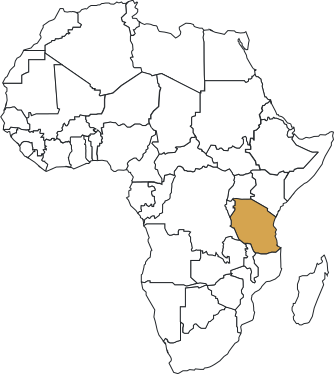
As one of the leading safari destinations in Africa, Tanzania is home to all members of the Big 5. Thanks to the country’s expansive system of national parks. reserves and conservancies, it is now relatively easy to get to the areas where the species live in their natural habitats.
The Big Five - When & Where to See Them
Lion
Famously lazy, lions are most active in the early morning, late afternoon and at night, when temperatures drop. Lions sleep up to 23 hours per day and, unusually, the lions of Lake Manyara National Park often sleep in trees. The most social big cats, lions live in prides which may number up to 50 individuals. Males are larger than females and have distinctive manes around their heads and upper body. Lions prefer fairly open habitats, such as savannah and acacia woodlands for hunting. They are widely distributed in Tanzania and can be seen year-round in the following
Tanzania national parks and reserves:
- Serengeti National Park
- Ngorongoro Crater and Conservation Area
- Tarangire National Park
- Manyara National Park (famous for tree-climbing lions)
- Ruaha National Park
- Nyerere National Park
Leopard
- Serengeti National Park
- Ngorongoro Crater and Conservation Area
- Tarangire National Park
- Katavi National Park
- Ruaha National Park
- Nyerere National Park
Elephants
The world’s largest mammal — weighing up to 6 tons — are active day and night, constantly moving in search of food. Elephants are found in a variety of habitats, ranging from swamps to woodlands to open plains. Living in large social groups, they are generally peaceful creatures and it is always interesting to watch their social interactions. Older bulls sometimes form small bachelor groups with younger bulls, separate from breeding herds. Elephants drink frequently and seem to enjoy swimming and mud baths. Visitors have an excellent chance of seeing elephants throughout the year at the following national parks and reserves:
- Tarangire National Park
- Lake Manyara National Park
- Serengeti National Park
- Ruaha National Park
- Nyerere National Park
Rhinoceros
- Serengeti National Park
- Ngorongoro Crater and Conservation Area
- Mkomazi National Park
- Nyerere National Park (Rare sightings)
Cape buffalo
- Serengeti National Park
- Ngorongoro Crater and Conservation Area
- Tarangire National Park
- Katavi National Park
- Ruaha National Park
- Nyerere National Park
The Big 5 and the Big Picture
Where to see the Big 5 in one place in Tanzania
If you have limited time and want to focus on seeing the Big 5 in Tanzania. your best bet is to visit either the Serengeti National Park or Ngorongoro Crater (and Conservation Area) in the north. If you are traveling further south, your best chance of seeing all members of the Big 5 is the Nyerere National Park.


