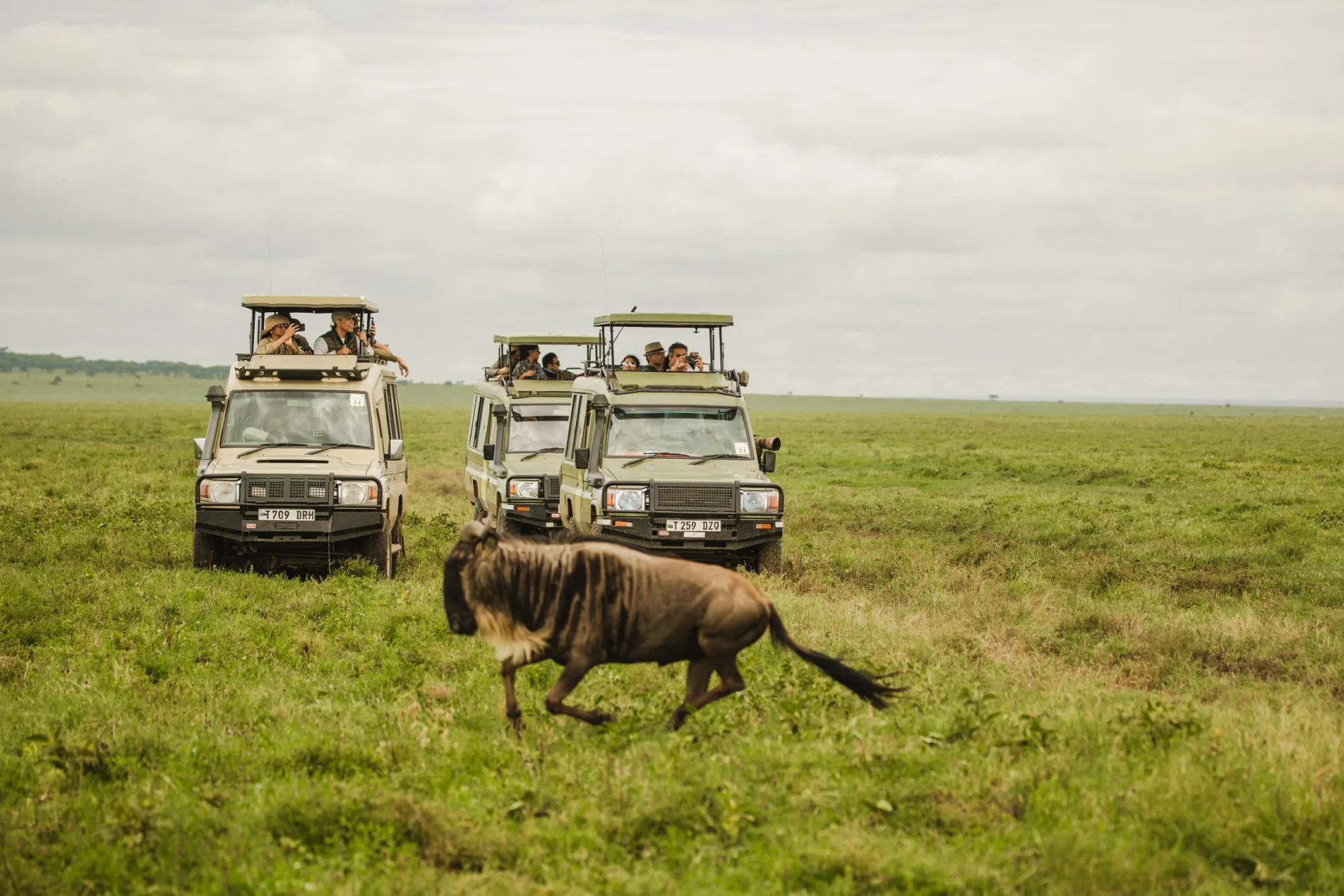
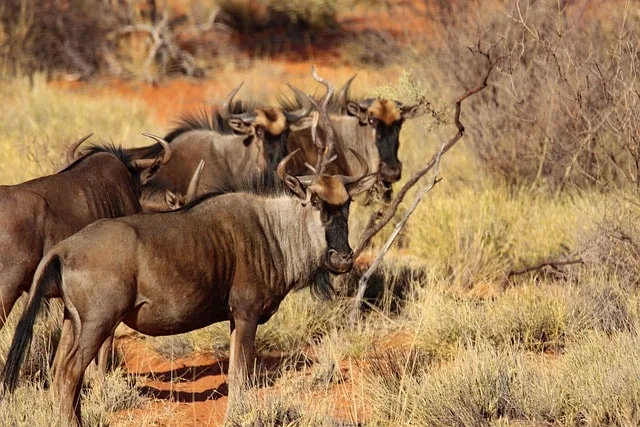
The Great Migration moves well over a million wildebeest, along with zebras and gazelles, in a clockwise circuit through Tanzania's Serengeti and Kenya's Maasai Mara every year. The herds follow rainfall, not a calendar, so timing a safari around them takes some planning.
This guide is a month-by-month forecast for the 2026 wildebeest migration: where the herds should be, what to expect in each region, and how to plan a migration safari around it.
Getting to Grips with the Great Wildebeest Migration
Every year the herds cross the Serengeti-Mara ecosystem, from the plains of Serengeti National Park in Tanzania to the Maasai Mara in Kenya. Grass and water drive the route, not instinct for its own sake. The Mara River sits in the middle of it, and the herds have to cross it, often in large, chaotic rushes.
It's one of the few wildlife events that needs no introduction once you've seen it.
Unpicking the Serengeti-Mara Migration System
The migration moves across northern Tanzania and southwestern Kenya, through a handful of key areas. Serengeti National Park covers all four corners of the route: south, center, west and north.
Ngorongoro Conservation Area and Ngorongoro Crater
Maswa Game Reserve and western Loliondo also see herds pass through.
Masai Mara National Reserve and the surrounding private conservancies mark the northern end of the route.
Rainfall and grass growth drive the migration. The herds follow traditional lines shaped by where the grazing is, not a fixed schedule, which is why planning ahead with people who track the movement matters.
Jan-Mar 2026: Calving in the Southern Serengeti
The year starts on the short grass plains of the southern Serengeti and around Lake Ndutu. This is calving season: hundreds of thousands of wildebeest calves are born within a few weeks, drawn together by the fresh grazing here.
Why It Matters
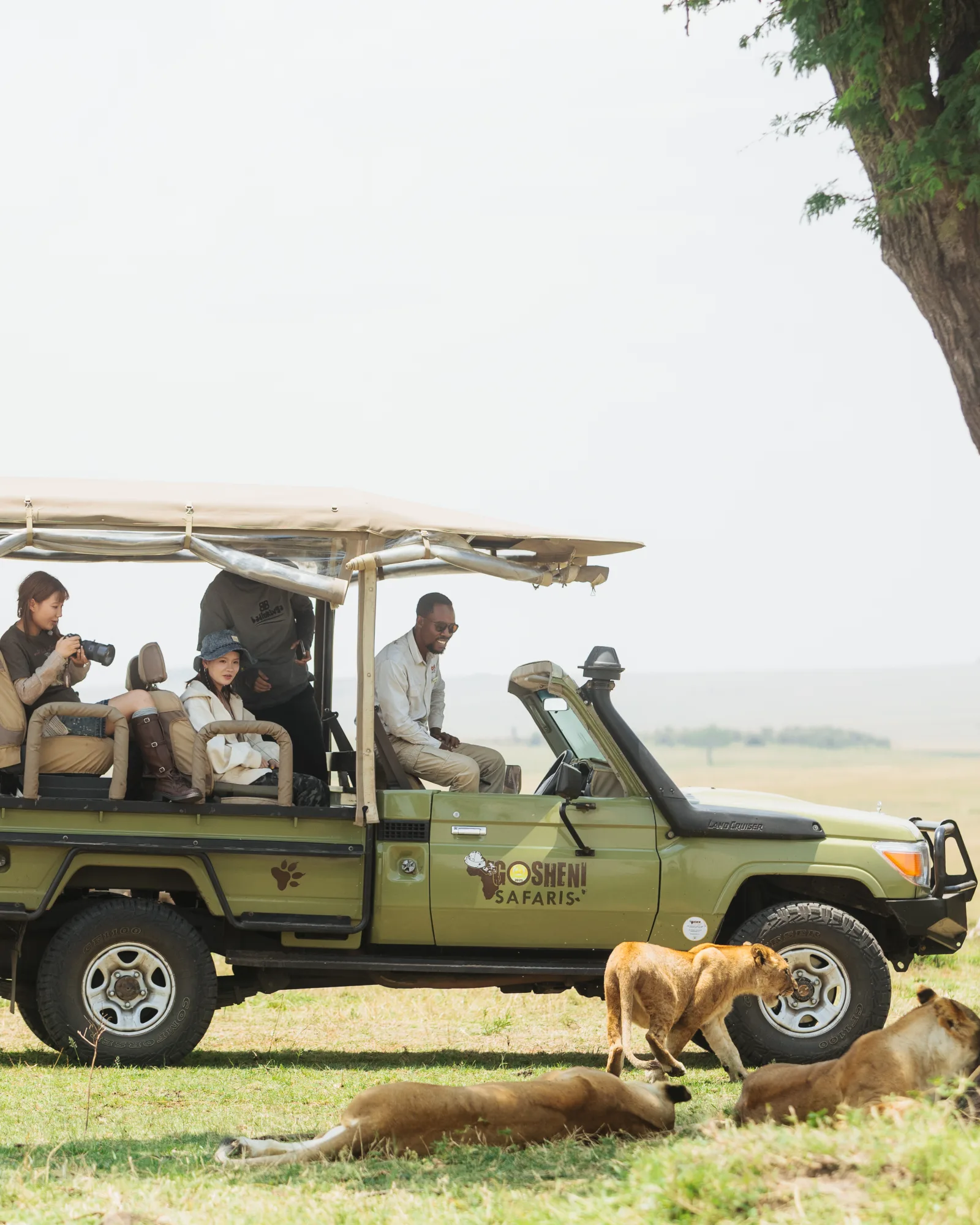
Predator activity peaks here, with lions, cheetahs, hyenas and wild dogs working the calving herds. Wildebeest spread across open plains, vehicle numbers stay lower than during the river-crossing months, and the light suits photography. This window suits safaris built around predator behavior rather than river crossings.
2026 outlook: if the short rains arrive on time in 2025, calving should peak in late January or February.
Apr-May 2026: The Long Rains & Movement Through Central Serengeti
April and May bring the long rains, and the herds move north through the central Serengeti and the eastern Serengeti. With grass and water plentiful, the herds spread out rather than bunching up. As they push north they approach the Grumeti Reserve, an important staging point for what comes next.
The Safari Experience
Fewer tourists, greener scenery, better value on Serengeti safaris. Some fixed camps close for the rains, but mobile camps keep following the herds, so game drives stay quiet rather than crowded. It suits travelers who want a slower, less commercial migration safari.
June-Aug 2026: The Short Rains & Movement Through Western Serengeti
June and July bring the short rains, and the herds move into the western Serengeti, spreading across the grasslands as they search for fresh grazing and water. This spread makes for some of the best open-plains wildlife viewing of the year.
The Safari Experience
Crowds start building for the river crossings, crossing opportunities improve, and the fixed camps begin filling up with photographers chasing the action. This stretch suits travelers who want the migration at its most dramatic.
Sep-Nov 2026: The Long Rains & Movement Through Eastern Serengeti
September and October bring the long rains, and the herds move into the eastern Serengeti, still searching for fresh grazing and water.
The Safari Experience
This is peak season for river crossings, with strong predator activity from lions, leopards, cheetahs, hyenas and wild dogs. Camps fill up fast and photography conditions are excellent. It's the most exciting window for travelers chasing the crossings themselves.
Dec 2026: Return to the Southern Serengeti
By December the herds head back south into the southern Serengeti, and the cycle starts again.
Here's that same cycle broken down by exact stretch of the route.
June to early July 2026: Western Corridor and Grumeti River. As surface water dries up, the migration gets funneled west into the western corridor, where the Grumeti River is the first real obstacle. Herds bunch up at the river's edge, waiting for the right moment to cross, and while these crossings get less attention than the Mara's, they're just as intense: crocodiles wait in the shallows, crowds are thinner than peak season, and prices are still below the August rush. It's a good window to book before the high-season surcharge kicks in.
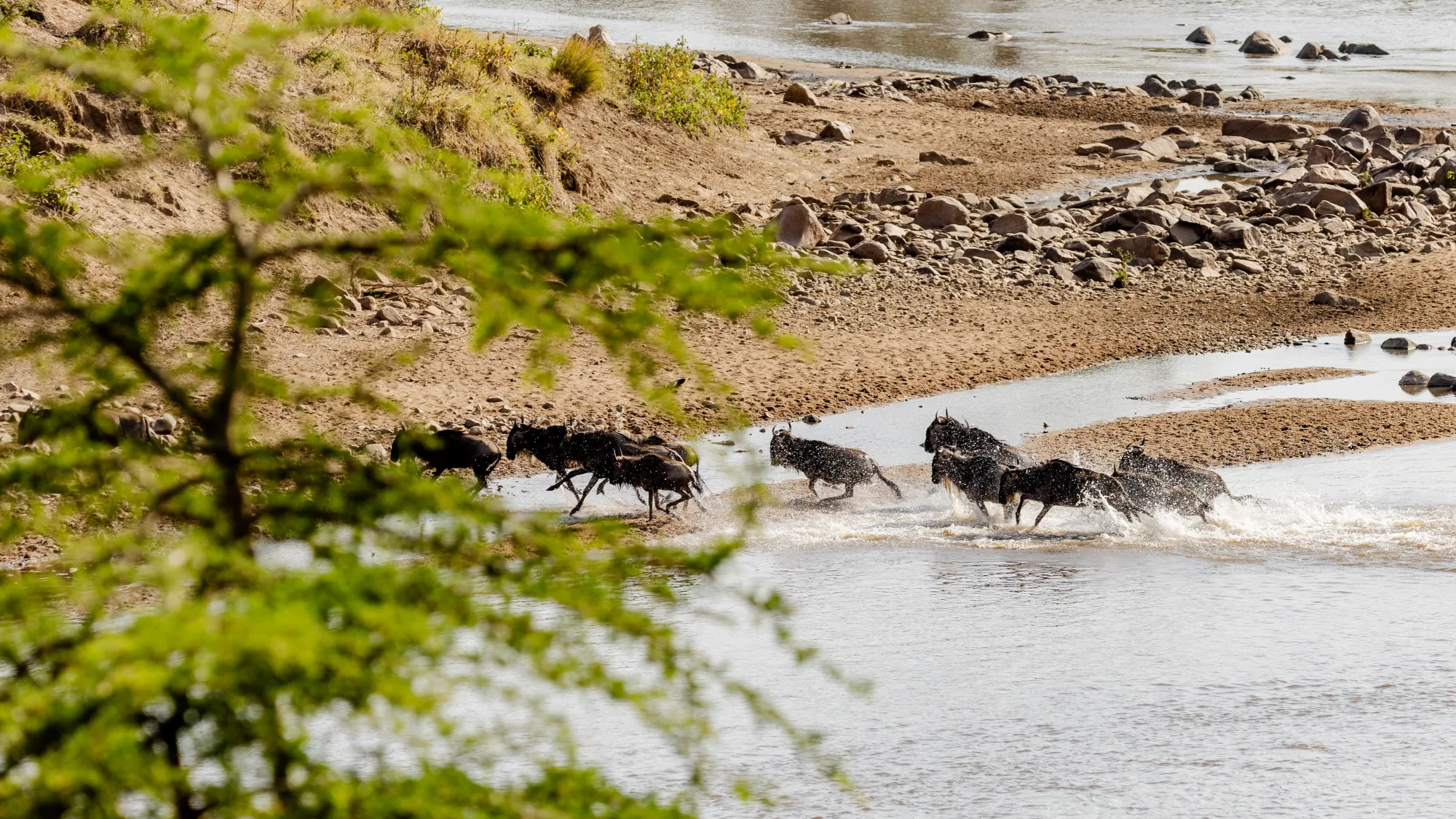
Late July to September 2026: Northern Serengeti and Mara River Crossings. This is the stretch most people picture when they think of the migration. By late July the herds reach the northern Serengeti and mass along the Mara River. The crossings themselves stay unpredictable, and predators, including the occasional leopard working the herd's edge, are never far off. As the herds push into Kenya, this becomes the peak of the Masai Mara migration.
What This Phase Looks Like
Thousands of wildebeest pack the riverbank at once, attempting crossings back and forth at different points while crocodiles work the shallows and the herd changes direction without warning. Crossings happen in both directions, so some herds end up in Kenya's Maasai Mara and others stay in Tanzania, meaning you can watch this phase from either country.
2026 Outlook:
- Late July - August: Peak crossings in the northern Serengeti
- August - September: Continued crossings into the Masai Mara Reserve
This is peak safari season, and camps and migration safari packages get booked up and pricier than at any other time of year.
October to early November 2026: Maasai Mara and the Turn South. By October most of the migration is still grazing across the Maasai Mara National Reserve and nearby conservancies. As the short rains arrive in early November, the herds turn south again, heading back toward the northern and eastern Serengeti to begin the return leg. Crowds thin out noticeably compared to August.
Late November to December 2026: Eastern Serengeti and Resetting the Cycle. By December the herds move through the eastern and central Serengeti on their way back to the southern plains, feeding on fresh growth as the cycle resets.
The Great Migration in Numbers
More than 1.5 million wildebeest make this trip each year, alongside hundreds of thousands of zebras and gazelles. Herds can reach densities of up to 1,000 animals per square kilometer. The full route covers roughly 800 to 1,000 kilometers, and individual wildebeest cover around 1,200 kilometers over the year. The Mara River crossing is the best-known moment in that route, and it shapes more than the spectacle: predator populations and grassland health both depend on it.
Best Time to Book a Great Migration Safari in 2026
| Travel Goal | Best Months |
|---|---|
| Calving & predators | Jan-Feb |
| Fewer crowds, value | Apr-May |
| Grumeti River crossings | June |
| Mara River crossings | Late Jul-Sep |
| Kenya focus | Aug-Oct |
Choosing the Right Migration Safari Package
Not all migration safari packages are built the same. The itineraries that work best account for location and flexibility, not just which lodge you sleep in. Private conservancies add guided bush walks for travelers who want to get closer to the terrain itself, not just view it from a vehicle.
What to Look For When Planning Your Safari
We look for a Serengeti itinerary that changes region with the season to stay with the herds, camps positioned near the active routes, guides who can read where the herds are heading, and enough built-in time at riverbanks to watch a crossing unfold rather than rush past one.
For calving season, pairing the southern Serengeti with Ngorongoro Crater works well. For the crossings, central and northern Serengeti cover the most ground. Combining the Serengeti with the Maasai Mara gives you both countries' share of the migration.
If comfort matters more than extravagance, a Serengeti luxury safari comes down to guiding quality, camp positioning and the pacing of your game drives, not add-ons.
Accommodation Options for the Great Migration in Kenya's Mara
The Maasai Mara National Reserve has everything from tented camps to five-star lodges. Properties like Governors' Camp, Mara Serena Safari Lodge, Ashnil Mara Camp and Mara Explorer Camp sit close to the migration routes and river crossings. For a more private experience, the reserve's conservancies, including Olare Motorogi and Naboisho, limit vehicle numbers and keep you closer to the wildlife.
How to Avoid the Crowds
The shoulder seasons, April to May or November to December, keep the migration going without the peak-season crowds, and bring greener landscapes with them. Booking into a private conservancy also helps: fewer vehicles, fewer visitors, and a guide who knows the terrain well enough to find spots other groups miss.
Get the timing and location right, and you can watch the migration with just the wildlife and the plains around you.
Curated Journeys
Safaris to Inspire This Journey
Handcrafted itineraries that bring this story to life.
Combining a Migration Safari with Other Destinations
A migration safari pairs naturally with other East African destinations. You can follow the Mara River crossings and the sight of well over a million wildebeest with gorilla trekking in Uganda, time on Zanzibar's beaches, or a stop at the Ngorongoro Crater.
If the river crossings are the priority, aim for the northern Serengeti in peak season, July to October, when herds gather at the water's edge against Nile crocodiles and waiting predators. If calving is the draw, the southern Serengeti from February to March brings thousands of newborn wildebeest onto the open plains.
The central Serengeti offers game viewing year-round, and the Grumeti River in the western corridor is another spot for river crossings outside the main season. Across the border, the Maasai Mara Game Reserve holds its own share of wildlife, including the Big Five, with the Mara National Reserve and surrounding private conservancies offering bush walks, night drives and fewer vehicles than the main reserve.
Mobile camps that move with the herds keep you close to the action throughout a trip. Private conservancies suit travelers who want fewer crowds and more time off the main tracks. Either way, pairing the Serengeti-Mara ecosystem with Uganda's gorillas, Zanzibar's beaches or the Ngorongoro Crater rounds out a trip built around the migration.
Conservation Efforts and Responsible Tourism
The migration is also part of a working ecosystem that depends on conservation and responsible tourism. Choosing eco-conscious lodges, supporting local communities and respecting wildlife and habitat all play into keeping the Serengeti-Mara system intact for future migrations. Conservation work protects migration corridors, predator and prey populations, and the grasslands the whole cycle depends on.
Why Planning the Migration in 2026 Is a Good Idea
Interest in the migration keeps growing, and so does awareness of responsible tourism around it. For 2026, better park management and more space between camps should mean a trip that doesn't come at the ecosystem's expense.
Booking early gets you access to the better migration safari packages, a spot in the top mobile camps, your pick of travel window, and no last-minute compromises on either.
The Final Word
The Great Migration isn't a single event. It's a year-round cycle of movement across the Serengeti ecosystem, whether you catch a river crossing, watch predators working the herd, or just follow the animals across the plains.
Plan it right, and a migration safari in Tanzania becomes a rare encounter with nature on its own terms. If 2026 is the year, now's the time to start planning.
Ready to Book Your 2026 Adventure?
These itineraries are ones our US guests choose most often, and every one can be tailored to your travel dates, budget and interests:
The Great Migration Overview
Tanzania Safari Experiences
- 5-day Serengeti Great Migration Safari
- 7-day Great Wildebeest Migration Calving Safari
- 7-day Tanzania Wilderness Safari
- 5-day Tanzania Mid-Range Safari
- 5-day Wildebeest Calving Safari
- 7-day Great Serengeti Migration Safari
Where You'll Stay