
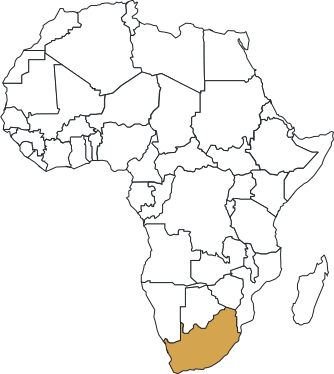
Climbing Kilimanjaro – Let the Chagga Mountain Guides Show You the Way
The moment the bus drops you off in Moshi, and you’re hit with the steamy equatorial air and the heady scent of coffee in bloom, you get the warmest of welcomes: someone gives you a hand and says, “Karibu sana!” – welcome. Before you even lay eyes on the mountain, you meet the people who own the place. Your lead guide, possibly a third-generation climber who’s kid of a guy whose grand-dad used to carry gear for the first European expeditions, greets you with a cheerful “Mambo?” and waits for your enthusiastic “Poa!” – the classic Swahili call-and-answer that’ll be ringing out every morning for the duration of your Kilimanjaro trek.
To climb Mount Kilimanjaro is one of the world’s most popular adventure activities, drawing trekkers from around the globe with the promise of summiting Africa’s highest peak. The appeal lies not only in the breathtaking scenery but also in the unique requirements of preparation, acclimatization, and determination needed for a successful ascent.
This guide’s all about what most climbing guides miss entirely: the living, breathing culture of Mount Kilimanjaro – a culture that’s been shaped by the Chagga people whose ancestral homeland wraps itself around the mountain’s lusher southern and eastern slopes. The Chagga have been building on the mountain guiding tradition since the early twentieth century, taking what started out as porter work for colonial expeditions and turning it into a proper, professional mountain guide culture that now supports over 20,000 families all around the region. The climbing experience of Chagga guides is unmatched, with their extensive expertise, professionalism, and deep knowledge of the mountain ensuring a safe and memorable journey for climbers of all backgrounds.
Whether you’re gearing up for your first kili climb or heading back to explore a new route, this article will help you not only tick the boxes on summit safety but also get a deeper feel for the language, food, stories, and village life that make climbing kilimanjaro way more than just a physical challenge. For many, the journey is truly life changing, offering a transformative experience that leaves lasting memories and a renewed sense of accomplishment.
What this guide will teach you:
- Who the Chagga are and why their guiding tradition is the real deal
- How to track down routes and operators that really get you immersed in the local culture
- The best time to go for both the weather and the cultural vibes
- What everyday life on the mountain is like with Chagga guides and porters
- Practical ethics: how to tip, give gifts, and make real connections

Who Are the Chagga? The Heart and Soul Behind Kilimanjaro’s Guiding Tradition
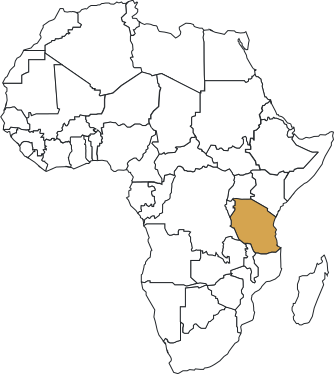
The Chagga are Tanzania’s largest ethnic group, with a solid two million people who speak Chagga, a Bantu language with loads of regional dialects to keep you on your toes. Their homeland stretches all the way from about 800 to 1,800 meters up – that’s far below the alpine deserts and glacial summits, but close enough to the mountain that it’s shaped just about every bit of their history.
For centuries before the first Europeans caught sight of Kilimanjaro’s snow-capped peak, the Chagga were farming the mountain’s incredible volcanic soil. They built sophisticated irrigation systems using glacial rivers, grew bananas and coffee in layered forest gardens called kihamba and used the mountain’s network of caves to keep safe during conflicts. You get the picture: the mountain wasn’t just a backdrop – it was like the ultimate provider, protector and spiritual anchor.
When those first foreign climbers came calling in the late nineteenth century – Hans Meyer and Ludwig Purtscheller, and a pretty crucial Chagga guide named Yohani Kinyala Lauwo who summited with them back in 1889 – it was the Chagga who made the ascent possible. Lauwo, from a village near Marangu, knew the routes, the weather patterns and the survival strategies that would become the foundation of modern guiding.
Some cultural facts you might want to keep in mind before and after your trek:
- Village gateways: Marangu, Machame, Mweka and Rombo are all important starting or finishing points for major routes – most porters and kilimanjaro guides come from these communities
- The banana culture: Banana plants are everywhere below the national park – food, brewing, animal feed, building materials – you name it
- Coffee heritage: Loads of Chagga families grow Arabica coffee on their small plots – some operators even offer farm visits as pre- or post-climb experiences
- Family ties: You’ll often meet guides whose dads and grand-dads also worked the mountain – creating multi-generational expertise that’s passed down through oral tradition
Why Choose to Climb with Chagga Guides? They Know the Mountain Inside and Out
Picking a Chagga-led mountain crew isn’t just a feel-good decision – it’ll directly impact your summit success and the overall vibe of your trip.
Guiding climbs on Kilimanjaro is essential, as expert guides play a crucial role in navigating the well-marked trails, ensuring safety, and providing structured support throughout the expedition in Tanzania.
Mountain Knowledge Forged in the Fire
Chagga guides don’t learn the mountain from a textbook. Many start out carrying loads as teenagers, alongside uncles and older brothers – absorbing all the wisdom they can get about Kilimanjaro’s moods over the years. They can read the clouds rolling in over the Shira Plateau days before any weather apps pick up on it. They know which micro-routes on the Barranco Wall are best to take after a rain, and they totally get that “pole pole” philosophy – it’s not some tourist slogan – it’s really just a survival strategy that’s been refined over generations. While most routes up Kilimanjaro do not require technical skills or specialized climbing equipment, the guides’ expertise ensures your safety and greatly increases your chances of success.
This Inherited Knowledge Actually Pays Off
Climbers who partner with experienced Chagga guides on routes like the Lemosho Route or Northern Circuit are finding that the odds of making it to the top are a whole lot higher – anywhere between 85 and 95 percent, for example, which is a sizeable jump from the industry average of about 65 percent. And its not just dumb luck that sets them apart, its all about the right blend of pacing, knowing when the right time to acclimatize and being able to spot the early warning signs of altitude sickness before things get serious.
Formal Training Melds with Time-Honoured Traditions
Today’s Chagga guides are the perfect blend of modern pro and old-school wisdom. Many hold professional certifications like Wilderness First Responder, plus mountain rescue training and memberships with groups like the Kilimanjaro Porters Assistance Project (KPAP) which sets the industry standard for fair porter treatment and pay. But ask one of the old-timers about their summit experience and you’ll hear not just a lot about altitude but stories about the mountain spirits, legends about the glaciers, and songs their grandmothers used to sing about the changing face of Kibo.
Impacting the Community
When you choose a Chagga-led team, your cash doesn’t disappear into some foreign bank account – instead it circulates through the local schools, farms and co-ops. The climbing industry as a whole supports around 20,000-30,000 porters and guides, the vast majority from Chagga communities. So by choosing local operators you’re directly funding education, healthcare and infrastructure on the mountain slopes. Chagga teams also often collaborate with other groups on Kilimanjaro to promote environmental responsibility, remove trash, and keep the mountain clean.
Why this Matters for Your Climb:
- Deeper cultural connections come out of those rest breaks and evening meals
- Guides who really understand when to take it easy can give you a much better shot at acclimatization
- Stories and songs turn a purely physical challenge into a truly unforgettable trip
- You’re actually helping out the communities that make your Kilimanjaro trip possible
Preparing for the Climb: Blending Practical Steps with Chagga Wisdom
Getting ready for your Kilimanjaro climb is about more than just packing your bags and lacing up your boots—it’s about preparing your body, mind, and spirit for the adventure of a lifetime. Climbing Kilimanjaro is a unique challenge, and the best way to set yourself up for summit success is to blend solid practical preparation with the time-tested wisdom of the Chagga people, who have called the slopes of Mount Kilimanjaro home for generations.
Start with the essentials: Your fitness level is key. Regular day hikes, cardio workouts, and strength training will help you build the stamina needed to tackle the long days and gain elevation as you make your way to the summit of Kilimanjaro. Remember, most trekkers find that slow and steady wins the race—so focus on endurance rather than speed.
Acclimatization is everything. The high altitudes of Kilimanjaro can catch even experienced hikers off guard, so plan your Kilimanjaro trek with plenty of time to adjust. Choose a tour operator that prioritizes gradual ascent profiles and includes extra acclimatization days—routes like the Lemosho or Northern Circuit are great for this. Listen to your Kilimanjaro guides, who are experts at spotting early signs of altitude sickness and know when to encourage a slower pace or extra rest.
Mental preparation matters, too. The climb is as much a test of resilience as it is of physical strength. Take time before your trip to visualize the journey, prepare for tough moments, and remind yourself why you’re taking on this challenge. The Chagga philosophy of “pole pole” (slowly, slowly) isn’t just about walking—it’s about patience, humility, and respecting the mountain’s rhythms.
Logistics can make or break your experience. Book your Kilimanjaro trip with a reputable tour operator that values both summit success and the well-being of their mountain staff. Look for companies that are members of the Kilimanjaro Porters Assistance Project (KPAP), provide proper gear for their crew, and offer comforts like a spacious dining tent, private toilet tents, and reliable airport transfers from Kilimanjaro International Airport. These details may seem small, but they make a huge difference in your comfort and safety on the mountain.
Tap into Chagga wisdom. Spend time learning from your guides and porters—ask about their experiences, listen to their advice on pacing and hydration, and soak up their stories about the mountain’s history and spirit. Their knowledge, passed down through generations, is one of your greatest assets on the way to the roof of Africa.
By blending these practical steps with the insights of the Chagga, you’ll be well-prepared for an amazing trip—one that’s about more than just reaching Uhuru Peak. It’s about embracing the journey, respecting the mountain, and connecting with the people who make every successful climb possible. When you finally stand at the summit of Mount Kilimanjaro, looking out over the vast African landscape, you’ll know that your preparation—both physical and cultural—helped you reach new heights, creating memories that will last your entire life.
Immersive Kilimanjaro Itineraries: Connecting You to the Heart of Chagga Culture
Not every route is created equal when it comes to cultural immersion – while every climb relies on Chagga porters and crew, some itineraries offer a lot more opportunities to really get to know the local people. The entire trip is carefully planned to ensure a seamless and immersive experience, covering everything from logistics and accommodations to on-mountain care.
Route Overview with Cultural Touchstones
| Route | Days | Cultural Connection | Summit Success Rate |
|---|---|---|---|
| Marangu Route | 5-6 | Historic Chagga gateway; hut-based; oldest climbing tradition | ~70% |
| Machame Route | 6-7 | Southern Chagga villages; passes through lush rainforest | ~80-85% |
| Lemosho Route | 7-8 | Moshi/Marangu cultural add-ons; scenic; excellent acclimatization | ~90% |
| Northern Circuit | 8-9 | Less crowded; full mountain circumnavigation; extended crew time | ~95% |
The Marangu route, despite sometimes being written off as the easy option, actually has a deep historical connection. This was the route old-school Chagga guides developed back in the early 20th century, and the villages around it still have a strong climbing tradition. The Machame route takes you through lovely rainforest zones where Chagga farmers used to gather medicinal plants and other forest goodies.
When choosing the best route for your Kilimanjaro climb, consider your personal preferences, desired level of difficulty, scenery, and how much time you can spend on the mountain. In general, for trekkers who want the best of both worlds – deep culture and a good chance of making it to the summit – the Lemosho or Northern Circuit routes are probably the ones to go for. Many successful climbs on these routes are planned over seven days or more to maximize acclimatization and comfort. These longer itineraries – a minimum of 7 days, ideally 8 or 9 – give you the time to acclimatize properly and spend loads of quality time with your crew, hearing their stories and learning songs. Spending more days on the mountain significantly increases your chances of reaching the summit. For detailed advice on preparing for your climb, including what to pack, check out this comprehensive Kilimanjaro and safari packing checklist.
Adding Cultural Depth Before and After the Climb
Sometimes the real immersion happens before and after the actual climb. Consider adding a day or two in Moshi or Marangu to:
- Get a taste of village life: go on a guided walk with a Chagga elder and visit coffee farms, markets and homesteads
- Explore the underground world: check out the old Chagga caves that were once used for food storage and protection
- Get involved in coffee culture: visit a family farm and roast, grind and brew coffee the traditional way
- Take in the local scene: visit a Sunday service, go to the market or just hang out and get a feel for the community
These extensions turn a purely physical challenge into a lifestyle-changing cultural experience.

Choosing a Culturally-Rich Route and Operator
Not all tour operators put the same amount of emphasis on cultural immersion. When you’re choosing a company, look out for these signs:
Operator Check List:
- Chagga-owned or managed leadership (not just having a few Chagga staff members)
- They’re a member of KPAP or similar
- Cultural experiences get a clear mention in the itinerary – it’s not just a vague “local flavor”
- They can arrange village visits with real community elders, not just some hotel “cultural show”
- They operate with moderate group sizes (6-12 climbers) so everyone can interact with the crew
- They manage the whole trip from start to finish, ensuring all logistics, route planning, and experiences are seamlessly organized
Questions to Ask Before You Book:
- What percentage of your guides are Chagga?
- Can you arrange a village visit or coffee farm experience before the trek?
- Will there be time for language lessons or storytelling in camp?
- What are your porter load limits and wage policies?
Companies like Ultimate Kilimanjaro & other serious players in the local operators scene often give a lot of love to their Chagga guide veterans – many of whom have piled on thousands of summits over the course of their multi-decade careers. This wealth of experience makes the summit push turn from a grueling slog into a joint right of passage.
The Best Time to Climb for Culture and Conditions
Getting your timing right for a Kilimanjaro climb has a lot to do with not just the weather, but how vibrant the local culture is at the time. What route you take is beside the point – all that really matters is getting it right for your goals.
Primary Climbing Windows
| Season | Months | Weather | Cultural Notes |
|---|---|---|---|
| Main Dry | June-October | Cool, 5-15°C days; summit -15°C; 10-20% rain chance | Peak Chagga harvest season; village life vibrant; clearest views |
| Short Dry | January-March | Warmer, 10-20°C; fewer crowds; 80%+ success on Lemosho | Lively markets post-New Year; warm summit nights |
| Long Rains | Late March-Early June | 70% precipitation; muddy trails | Fewer climbers; lush landscapes; challenging approaches |
| Short Rains | November-Early December | Unpredictable; afternoon showers | Quieter; some village events; variable conditions |
For visitors who are more interested in the local culture, late June to September is the way to go: clear views, coffee harvest at peak time on the Chagga farms, schools are open so you might even get to meet the kids – and the guides won’t be overbooked. The rainy season does bring out the green – and there’s hardly anyone else on the mountain, but muddy roads & cloud cover on the summit day can make it a bit less of a trip.
The two rainy seasons – long rains from late March to early June and short rains in November – aren’t all bad. Some people actually like the solitude & the deeper connections with the local people you get from not having to fight through crowds. Just be prepared for a bit of mud on the trail & some cloud cover on summit day.
Synchronising Your Trip with Local Events
The Chagga calendar doesn’t publish festivals in tourist brochures or anything – but your operator will be able to help you line up with some meaningful local moments.
- Coffee harvest (June – September): farms are buzzing – perfect time to catch genuine coffee processing demos
- Sunday church services: a real spectacle- hours of singing – you might even get to join in with your guide & have some genuine cross-cultural moments
- Weekly markets: at different villages on different days – your operator can help you time it so you catch one
- School visits: term time is the best time – some operators can even organise school visits that are a win for both the students and the travellers – trust your operator to help
Ask your operator about the quietest periods- when there are few climbers around & the guides have more time to spend with visitors, share stories & visit with their families. Avoid peak season (January and July-August) and you’ll get some real interaction on the mountain.
On the Mountain: Daily Life with Chagga Guides and Porters
The culture of Kilimanjaro reveals itself in small moments: the way your guide says “Habari za asubuhi?” (How is your morning?) as they unzip your tent, the songs that rise spontaneously on steep switchbacks, the evening stories about glaciers that were twice as large when they first summited kili.
Another highlight of camp life is the great food prepared by skilled mountain chefs, who ensure each meal is both delicious and nutritious, making it an essential part of the overall Kilimanjaro experience.
A Typical Day Through a Cultural Lens
Morning: Your professional mountain guide arrives with hot tea and a cheerful greeting in Swahili. Most climbers learn to respond with “Nzuri sana!”—very good—whether they feel it or not. Breakfast happens in the large dining tent or dining tent setup, where ugali (maize porridge), eggs, and fresh fruit fuel the day ahead. This is when experienced guides assess everyone’s condition, watching for signs of altitude sickness before they become problems.
On the trail: The “pole pole” pace feels almost meditative. Your guide points out plants used in traditional Chagga medicine, shares observations about how the African landscape has changed over their career, and occasionally leads the group in call-and-response songs. The assistant guides spread through the group, ensuring no one falls behind, adjusting pace based on breathing patterns they’ve learned to read over thousands of ascents.
Afternoon: Arriving at tented camps before the weather turns, you settle into three person tents or similar accommodations while the support crew transforms the campsite into a temporary village. The dining tent becomes a gathering place for tea, snacks, and conversation. This is when stories emerge—about earlier expeditions, about the mountain’s spirits, about family life in the villages below.
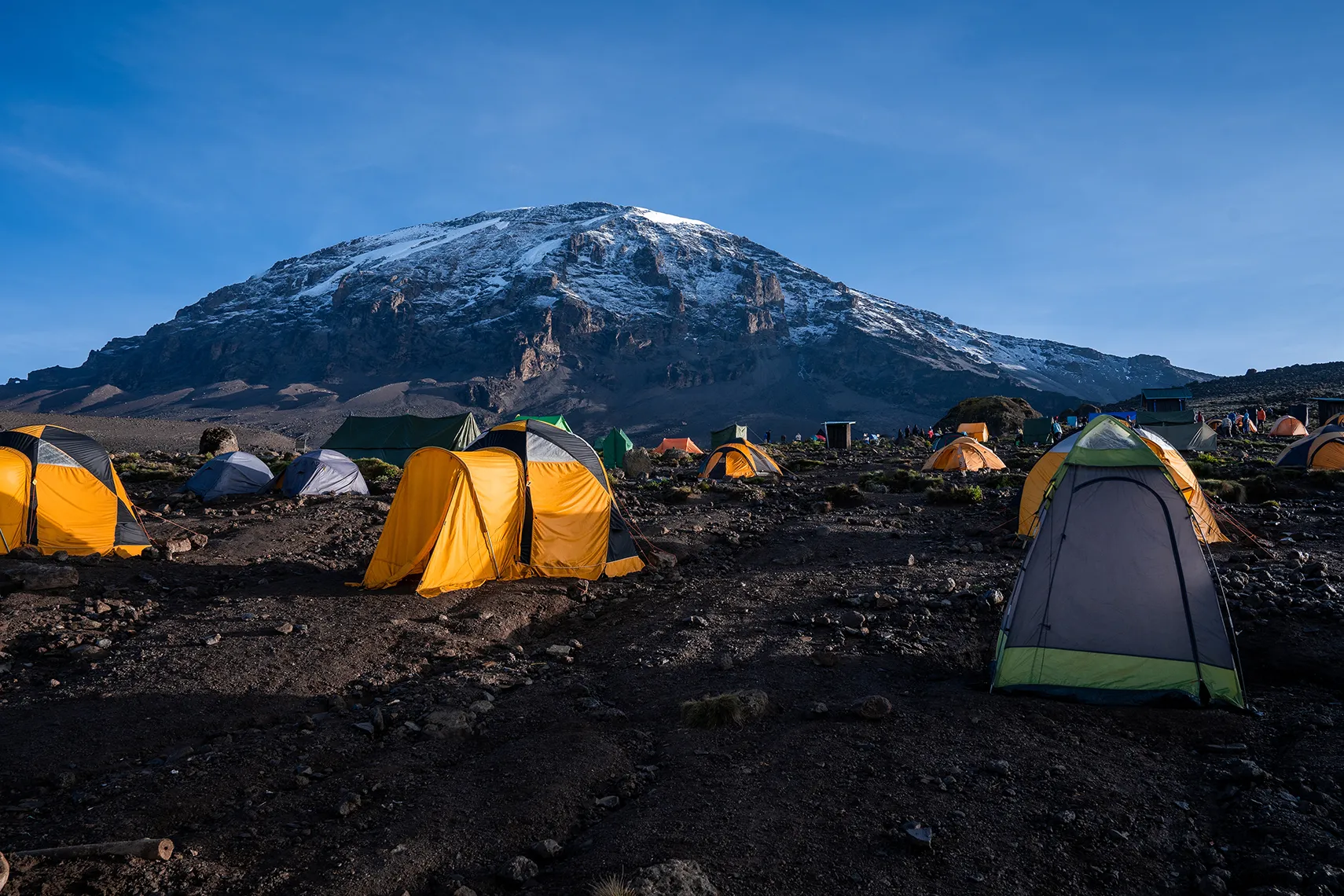
Evening: Dinner in the camp brings delicious food that somehow materializes at 4,000 meters: soup, rice, vegetables, stews. The food quality often surprises climbers, thanks to dedicated cook teams who carry fresh ingredients up the mountain. After eating, guides often share folklore about Kibo and Mawenzi—the two volcanic peaks—or teach Swahili phrases for the next day’s challenges.
Mountain Meals, Songs & Shared Rituals
Mountain feasts with a bit of Chagga flair
The delicious grub on Kilimanjaro is a testament to the rich Chagga agricultural traditions that have been around for centuries. There’s this staple food called Ugali that you can find all over East Africa, and it’s directly connected to the highland farming of maize and millet that kept the communities of the mountain going for so very long. You might even catch a glimpse of some banana-based dishes, which is pretty interesting given how bananas are the main crop for Chagga farming down below. The mountain crew takes great pride in cooking up hot, nourishing meals that fuel your body all the way from the lower acclimatization points up to the final push for Uhuru Peak at 5,895 meters – the true summit of Kilimanjaro and the roof of Africa.
Songs and Chants
Keep an ear out for those Swahili songs that start to come out on the tough sections of the climb, especially as you get closer to summit night. These aren’t performances for our benefit; they’re the exact same songs that guides and porters have been singing to keep the rhythm and their spirits up for generations. Some of the common tunes celebrate the mountain, cheer people on to keep going and sometimes even have a little good-natured teasing for those who are struggling. If you show an interest in learning the lyrics, most guides will light up – it makes a big difference to them to know you’re really into it.
The Farewell Ceremony
On the final day, after you’ve descended and the trip is almost over, the Chagga crews traditionally get together for a big tipping ceremony. The singing and dancing is all about celebrating the fact that you made it to the top and the emotional intensity can catch a lot of people off guard. It’s here that all the relationships you’ve built over those 7 days of shared struggle really start to crystallize into something lasting. If you want to show your appreciation, trying to say a few words of thanks in Swahili like Asante sana, familia yetu ya mlima (Thank you so much, our mountain family) really shows you value the effort everyone put in.
How to Respect & Support Chagga Guiding Culture
The ethics of climbing Kilimanjaro deserve just as much attention as making sure you’re physically fit or have the right gear. Your choices have a real impact on the mountain crew – the people who make it possible for you to stand on the summit.
Fair Tipping Practices
Tipping is where a big chunk of the mountain crew’s income comes from – often way more than their base wages. Industry standards suggest:
| Role | Suggested Daily Tip (USD) |
|---|---|
| Lead guide | $20-25 |
| Assistant guides | $15-20 |
| Cook | $15-20 |
| Porters | $10-15 |
For a 7-day climb with a typical crew, the total tips usually end up being between $300-500 or more per person. This isn’t some luxury gratuity – it’s essential income that helps support families, education and community development. Budget for it as a core cost of the trip – don’t think of it as something extra.
Choosing Ethical Operators
The Kilimanjaro Porters Assistance Project and other similar groups make sure that operators are doing okay on these key issues:
- Load limits: porters shouldn’t be carrying more than 20-25 kg – a lot of outfits do push 30+ kg
- Fair wages: porters should get at least $10-15 and guides $20+ per day, with the 2017 Porters Tariff
- Gear provision: operators should be providing proper clothes, sleeping gear and rain gear
- No child labor: all crew members should be adults with proper ID
When you’re vetting a tour operator, make sure to ask directly about these standards. The good ones will be happy to share – avoid those that get evasive.
Respectful Photography and Interaction
- Always ask for permission before taking a picture of a porter, guide or villager\
- Take an interest in the people behind the job – learn their names and backgrounds\
- Don’t just use the crew as props for social media content
Village Purchases:
Instead of buying Kilimanjaro souvenirs at the airport transfer shops in Arusha, try buying directly from the Chagga villages: coffee, bananas, honey, handicrafts. The markup in tourist shops rarely goes to the producers – buying local keeps the money where it’s needed most.
Language, Gifts and Long-Term Connections
Basic Swahili to learn before you go:
Don’t just learn “hello” and “goodbye” – a few basic phrases like Jambo / Mambo (hello), Habari? (how are you), Nzuri sana (very good), Asante (thanks) and Pole pole (slow down) will go a long way to showing respect and curiosity.
Appropriate gifts:
Don’t go buying random candy or clothes – if you want to give something, contribute to community projects through established channels – school supplies through a verified NGO or donations to KPAP-affiliated welfare funds. Direct cash gifts can create awkward power dynamics and dependency.
Staying connected:
A lot of guides love staying in touch with past clients. Leave genuine reviews that name specific people who made a difference in your trip. Some even end up in touch via WhatsApp, sharing photos and updates. These kinds of relationships remind us that the mountain experience isn’t just about a transaction – it’s about building relationships. You came to learn how to be an informed Mt Kilimanjaro guide for your own adventure – one that takes the summit of Mount Kilimanjaro in a way that respects the people who make it all possible.
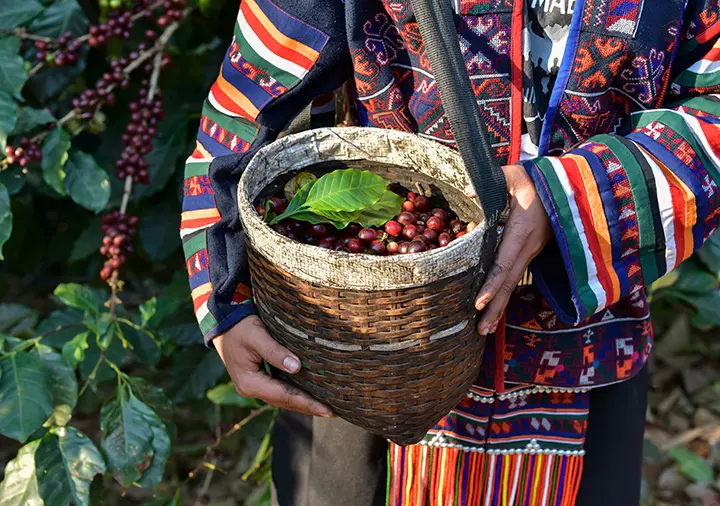
The dual focus of any worthwhile Kilimanjaro climb is pretty clear-cut: get to Uhuru Peak safely (5,895 meters up in the air) and make meaningful connections with the Chagga communities whose skills, hard work and warm hospitality make getting there possible. These 2 goals aren’t competing with each other – they go hand in hand.
Key planning steps:
- Sort out your dates around the dry season windows (June-October or January-March) and, if you can, match up with harvest times or local events
- Pick a route that really connects with Chagga culture – the northern circuit for maximum cultural immersion or the lemosho route for a good balance between the views, acclimatization and a bit of extra cultural flair
- Make sure to research your tour operator thoroughly for Chagga leadership, KPAP membership and genuine cultural experiences included in the itinerary
- Schedule in some extra days in Moshi or Marangu for village strolls, coffee farms and markets
- Set aside a budget for fair tips, ethical operators and buying directly from Chagga communities
- Have a go at learning some basic Swahili and approach the climb with a genuine interest in the lives and traditions of your guides
Even with a pretty standard 7 day itinerary you can make a real difference by asking questions when you take a break, walking through villages with intention, sharing meals with some real conversation and learning the songs that have been echoing off Kilimanjaro for generations.
The guiding industry for climbers has changed a lot since Yohani Kinyala Lauwo made the first summit back in 1889 – but the core idea remains the same: Chagga expertise, Chagga hard work and Chagga hospitality make every climb possible. Loads of climbers say the experience changed them – not so much because they stood on the roof of Africa, but because of the relationships they formed on the way to the top.
It’s this that sets apart a climbing trip from just ticking a box on your adventure list – understanding that you’re not conquering a mountain on your own. You’re walking it with people who call it home, who know its moods and stories, who carry your gear, cook your meals and sing you through the tough nights.
The Serengeti and Ngorongoro Crater will still be there for your East Africa trip. Mount Everest base camp can wait for another time. But the Kilimanjaro trip you’re planning right now has the potential to be more than just a physical challenge – it can be a genuine meeting with a culture that’s thrived on these slopes for centuries
Get started on planning your culturally-rich and responsibly done Kilimanjaro climb now.
- Choose an operator led by the local people.
- Schedule those extra village days.
- Don’t forget to learn the salutations.
- Bring a trash bag for good leave-no-trace hiking practice.
- Ask about private loo tents and day hikes in the acclimatization plan.
- Look up airport transfers from Kilimanjaro International that support local business.
- Before you go, review this Tipping Guide in Africa to understand the local customs and how you can support the community through gratuities.
The real Kilimanjaro experience isn’t just standing at the top – it’s climbing there with the Chagga people, who have guided other climbers and climbed this mountain their whole lives.
When you finally stand at the summit of Mount Kilimanjaro, watching the sun come up over the African landscape, you’ll understand: the roof of Africa isn’t just a geographic point. It’s a shared achievement, a cultural exchange and an invitation to look at travel in a whole new light.
Pole pole. The mountain will wait for you. The Chagga will guide you there.


