
Key Takeaways
- Most first-time US visitors should be landing at Kilimanjaro International Airport (JRO), Julius Nyerere International Airport in Dar es Salaam (DAR) or Zanzibar (ZNZ) – depending on whether theyre prioritizing northern safaris, southern parks or some beach time.
- Wise travelers often fly in one airport (say, JRO) and out of another (say, ZNZ) to avoid backtracking & long, tiring drives across the country – saving you lots of time & energy.
- Domestic light aircraft flights can cut road time between parks like Serengeti National Park, Ruaha National Park & Zanzibar way down, but you’ll have to stick to pretty light luggage (usually 15-20kg in soft bags).
- Don’t just plan for wildlife – US travelers should also think about getting to medical care, consular support (Dar es Salaam, Arusha, Zanzibar), ATMs and reliable currency exchange.
- Book those flights & internal connections a good 3-6 months or more upfront – which allows for decent layovers and ‘buffer days’ in case of delays or jet lag from the States.
How to Plan Your Ideal Safari Route from the US
Your safari route planning starts from your US departure city (be it NYC, Atlanta or LA) & ends at the exact national parks and islands you’re after. Get this bit right, and you’ll be wasting less time, having fewer exhausting transfers, and way more hours watching wildlife or relaxing on those pristine beaches.
Here are 3 classic route archetypes for first-time US visitors: When planning your trip, think about which airport will be best for your safari route and what destinations you want to hit, as choosing the right airport can make all the difference in streamlining your journey and maximizing your time in Tanzania.
- Northern Circuit + Zanzibar ( Most Popular Route): Arrive at JRO, check out Tarangire National Park, Lake Manyara, Ngorongoro Crater & Serengeti National Park, then fly over to Zanzibar for some beach time before heading back home.
- Southern Circuit from Dar (Quieter, More Remote): Fly into DAR, then fly in on a smaller plane to Nyerere National Park & Ruaha National Park for a wilder, less crowded experience.
- Mixed North-South (10-14+ Nights): Combine elements of both circuits for longer trips, often using multiple domestic flights to cover more of Tanzania’s diverse wilderness areas.
US visitors usually change planes in Europe (Amsterdam with KLM/Delta, Paris with Air France), the Middle East (Doha with Qatar Airways, Istanbul with Turkish Airlines, Dubai with Emirates/flydubai), or Africa (Addis Ababa with Ethiopian, Nairobi with Kenya Airways) before getting to Tanzania.
Work your way backwards from the best wildlife experiences. If you want to see the Great Migration, timing’s everything:
| Migration Period | Location | Best Arrival Airport |
|---|---|---|
| December–March | Southern Serengeti (calving) | JRO |
| May–June | Western Serengeti | JRO |
| July–October | Northern Serengeti | JRO |
Schedule in at least one ‘soft’ day at the start in Arusha or Dar es Salaam to get over that long transatlantic flight, before embarking on long drives or game viewing. Your body’ll thank you, and you might even enjoy that first sunrise game drive.
Key Tanzanian Gateways for US Safari Travelers
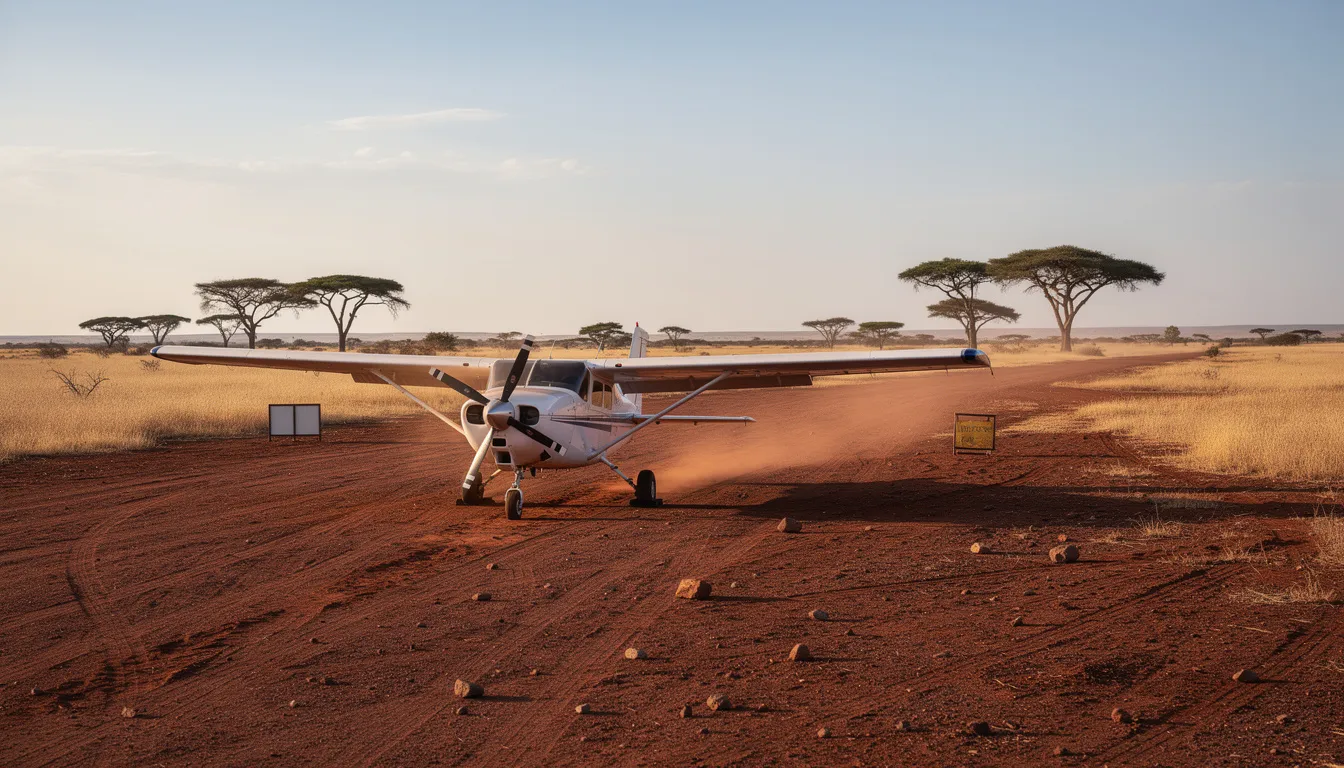
Three main international airports handle most US safari visitors: Kilimanjaro International Airport (JRO), Julius Nyerere International Airport in Dar es Salaam (DAR), and Abeid Amani Karume International Airport in Zanzibar (ZNZ). Arusha Airport (ARK) and Mwanza Airport (MWZ) serve important domestic roles for connecting to bush airstrips and remote destinations.
Which airport you choose determines whether your route focuses on the northern circuit (JRO/ARK), southern parks (DAR), or a beach-first or beach-last approach (ZNZ with domestic hops). From these main airports, travelers can often fly directly to key regions or national parks, making it convenient to reach destinations like the Serengeti or Zanzibar without lengthy layovers.
US visitors rarely use all the airports in Tanzania. Instead, they typically combine one primary international gateway with 1–2 regional airports or bush airstrips. Understanding each gateway’s strengths helps you build the most efficient itinerary for your time and budget.
Kilimanjaro International Airport (JRO): Best for Northern Safaris
Kilimanjaro International Airport sits between Arusha and Moshi in northern Tanzania and serves as the primary gateway for travelers heading to climb Mount Kilimanjaro and explore the northern circuit. This is where most first-time US visitors begin their safari adventure.
Typical US routing includes:
- New York → Amsterdam → JRO (KLM/Delta codeshare)
- Chicago → Doha → JRO (Qatar Airways)
- Los Angeles → Istanbul → JRO (Turkish Airlines)
- Atlanta → Addis Ababa → JRO (Ethiopian Airlines)
Transfer times from JRO:
- Arusha: approximately 1–1.5 hours by road
- Moshi: approximately 45–60 minutes
Hotel shuttles and pre-booked drivers are strongly recommended for late-night or early-morning arrivals from the US. Don’t rely on finding a taxi at 2 AM when you’re jet-lagged and disoriented.
Facilities useful to US travelers at JRO:
- Free or low-cost Wi-Fi
- ATMs (Visa/MasterCard compatible)
- Currency exchange counters
- SIM card kiosks (Vodacom, Airtel, Tigo)
- Basic medical room
JRO is smaller and simpler than DAR, which actually makes it easier to navigate when you’re exhausted from crossing multiple time zones.
Route advantages from JRO:
- Arusha to Tarangire National Park: ~3 hours
- Arusha to Lake Manyara: ~2–3 hours
- Arusha to Ngorongoro Crater rim: ~4 hours
- Light aircraft flights from nearby Arusha Airport (ARK) to multiple Serengeti airstrips
Julius Nyerere International Airport, Dar es Salaam (DAR): Gateway to the South
Julius Nyerere International Airport is Tanzania’s largest and busiest airport, located in Dar es Salaam on the Indian Ocean coast. This is the main gateway for southern circuit parks and the hub where many international airlines land their largest aircraft.
Common US routing to DAR:
- New York → Doha → DAR (Qatar Airways)
- Washington → Dubai → DAR (Emirates)
- Chicago → Istanbul → DAR (Turkish Airlines)
- Los Angeles → Addis Ababa → DAR (Ethiopian Airlines)
Logistics on arrival:
- City center or if you’re headed to Zanzibar: approximately 20–40 minutes depending on traffic
- Pre-booked hotel cars or trusted taxis recommended over informal offers
- Traffic in Dar can be unpredictable, so budget extra time
Facilities for US travelers:
- Three terminals (Terminal 3 handles most international flights)
- Duty-free shops
- Airline lounges
- Multiple ATMs and currency exchange
- SIM card providers
- Limited but growing options for free Wi-Fi and food
Route patterns from DAR: From Dar es Salaam, travelers usually fly by light aircraft directly to Nyerere National Park airstrips (e.g., Mtemere) or Ruaha (Msembe). Airlines like Coastal Aviation, Auric Air, and Safari Air Link operate these routes, minimizing long, rough road journeys that can take 7–10+ hours.
If you want to visit Mikumi National Park, you can drive from DAR in approximately 4–5 hours, making it one of the few southern parks accessible by a reasonable road trip.
Key Tanzanian Gateways for US Safari Travelers
Three main international airports are where most US safari visitors land: Kilimanjaro International Airport (JRO), Julius Nyerere International Airport in Dar es Salaam (DAR) & Abeid Amani Karume International Airport in Zanzibar (ZNZ). Arusha Airport (ARK) & Mwanza Airport (MWZ) are also important for getting to bush airstrips.
Which airport you choose will pretty much determine whether your route focuses on the northern circuit (JRO/ARK), southern parks (DAR), or a beach-first or beach-last approach (ZNZ with domestic hops). From these main airports, you can usually fly directly to key regions or national parks. This makes it pretty easy to get to places like the Serengeti or Zanzibar without too many layovers.
US visitors don’t usually use all the airports in Tanzania. They typically use one main airport such as Kilimanjaro International Airport, the gateway to Mount Kilimanjaro, and then maybe 1 or 2 domestic airports or bush airstrips. Knowing the strengths & weaknesses of each will really help you build the most efficient itinerary for your time & budget.
Kilimanjaro International Airport (JRO): Ideal for Northern Safaris
Kilimanjaro International Airport is in northern Tanzania & serves as the top airport for visitors heading to climb Kilimanjaro & explore the northern circuit. This is where most first-time US visitors start their safari adventure.
Typical US routing includes:
- New York → Amsterdam → JRO (KLM/Delta codeshare)
- Chicago → Doha → JRO (Qatar Airways)
- Los Angeles → Istanbul → JRO (Turkish Airlines)
- Atlanta → Addis Ababa → JRO (Ethiopian Airlines)
Transfer times from JRO:
- Arusha: 1–1.5 hours by car on the road
- Moshi: about 45-60 minutes – you can get there quick
Hotel shuttles and pre-booking some drivers for when you arrive here from the US at 2 AM is a good move – you don’t want to have to find a taxi when your jet-lag is at its worst.
Facilities that might come in handy to US travelers at JRO:
- Free or low-cost Wi-Fi to stay online
- ATMs you can use with your Visa or MasterCard
- Currency exchange counters – they’re available
- SIM card kiosks to get a local number – Vodacom, Airtel & Tigo are the main options
- A basic medical room in case of emergencies
JRO airport is actually a lot smaller and less complicated to get around compared to Dar, which might be a relief after crossing so many time zones.
What’s useful to know about JRO:
- Arusha to Tarangire NP – that’s about 3 hours
- Arusha to Lake Manyara – 2–3 hours
- Arusha to the Crater rim – 4 hours
- You can also do light aircraft flights out of nearby Arusha Airport to different airstrips in the Serengeti
Julius Nyerere International Airport, Dar es Salaam (DAR): The Southern Gateway
Julius Nyerere International Airport is Tanzania’s biggest airport – it’s located in Dar es Salaam on the coast of the Indian Ocean. This is the main entry point for southern Tanzania’s parks and the place where most international airlines bring in their biggest planes.
Common routes from the US to DAR:
- New York to Doha and then on to DAR (Qatar Airways)
- Washington to Dubai then DAR (Emirates)
- Chicago to Istanbul then DAR (Turkish Airlines)
- Los Angeles to Addis Ababa then DAR (Ethiopian Airlines)
Getting yourself sorted after arrival:
- City centre: 20-40 minutes, but traffic can be unpredictable
- It’s best to book a car or a trusted taxi in advance – don’t rely on people offering you a ride on the street
- You should also budget some extra time to get anywhere in Dar
What US visitors will need for the airport:
- Three different terminals (Terminal 3 is the one most people fly in to)
- Duty-free shops for shopping
- Airline lounges if you’re entitled
- Plenty of ATMs and currency exchange places
- Several options to get a SIM card and some places with free Wi-Fi – just be aware that it’s limited
Route patterns from DAR: When flying from Dar to the mainland, most people go straight to the Nyerere NP airstrips (like Mtemere) or Ruaha (Msembe) – it’s a straightforward light aircraft flight. Airlines like Coastal Aviation, Auric Air and Safari Air Link run these routes. And you can avoid the long, bumpy road journey that would take 7-10 hours or more.
If you want to visit Mikumi National Park, you can drive from DAR – it takes about 4-5 hours, so while it’s a bit of a drive, it’s doable. Alternatively, if you’re interested in exploring safaris in northern Tanzania, Arusha offers access to several top safari destinations.
Abeid Amani Karume International Airport, Zanzibar (ZNZ): The Beach Destination
Abeid Amani Karume International Airport on Unguja Island is the main entry point to the Zanzibar Archipelago – and it’s a great place to fly in to, or fly out from if you’re ending your trip on the beach. The airport has lots of international connections and is a great spot to use as a starting or ending point on a multi-destination ticket.
How you can get to the island:
- Direct flights from European cities (though they can be seasonal)
- Lots of domestic flights from DAR, JRO and ARK
- Air Tanzania and others have flights to the mainland safari spots from Zanzibar
- You can also get to Pemba Island from the mainland or Zanzibar with domestic flights
Practical stuff to know:
- Stone Town: 10-15 minutes to get there in a car
- Main north-coast beaches: Nungwi or Kendwa are an hour to an hour and a half
- If you have a late flight in, it’s best to book a car to avoid any funny business with taxi drivers
What US visitors should know about ZNZ:
- The airport is modern and you’ll find the immigration queues in control
- ATMs and currency exchange are available
- SIM card vendors will sort you out
- Duty-free shops and cafes are waiting for you
- Just be aware that in peak season (July to September and December to January), things can get a bit busy
Why ZNZ is a good place to end or start your trip
- You can fly in to JRO or DAR for your safari, then fly out of ZNZ after your beach holiday. This way you avoid backtracking through the mainland and save yourself a whole travel day.
Arusha (ARK) and Mwanza (MWZ): Domestic Connectors
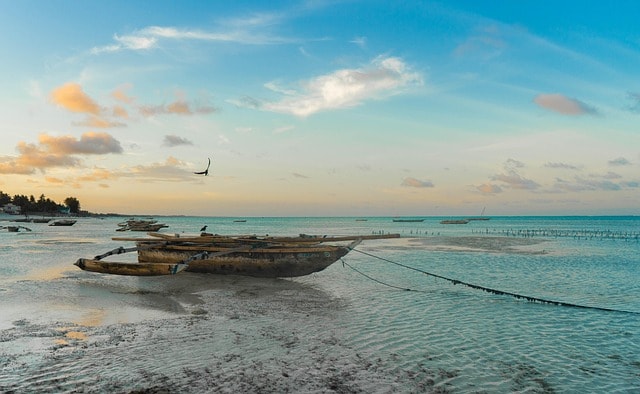
Arusha Airport (ARK) and Mwanza Airport (MWZ) aren’t usually your first port of call when flying from the US, but they are super useful for getting the best routes and cutting down on the long road drives.
Arusha Airport (ARK) is a regional Airport in Arusha Just a regional airport, around 20 minutes from the centre of Arusha town
- Typically handles light aircraft flights – think Serengeti, Lake Manyara, Tarangire and Zanzibar
- Loads of US travelers will start at JRO, then have a night in Arusha & the next day depart from ARK for that bush airstrip
- Basic facilities: a small café, limited seating & no ATMs – make sure you’ve withdrawn cash in Arusha before arrival
Mwanza Airport (MWZ):
- Located right on the southern shore of Lake Victoria
- Another option for getting into the Serengeti – takes around 2.5-3 hours by road to the western or central areas
- Short light aircraft hops to park airstrips are available
- Good for those doing Serengeti & Kagera region or heading to Bukoba Airport
You’ll want to pre-arrange airport transfer routes with your tour operator to make sure they go smoothly. No trying to piece together flight timetables on your own – let the experts handle that.
Balancing Flights and Drives: A Little Warning for First-time US Visitors
Tanzania is a big country, & if you’re used to US highway speeds & infrastructure, you’ll soon find yourself making the common mistake of not balancing flights & drives. What looks like a quick drive on a map can take all day on African roads.
The average speed on many safari routes is 30-50 km/h, because of the state of the roads, speed limits, villages & wildlife crossings. So, what looks like a 200-300 km drive on the map is actually going to take 8+ hours.
But light aircraft flights can really help – they connect key safari hubs (Arusha, Manyara, Serengeti, Ruaha, Nyerere, Zanzibar) & turn an 8-10 hour drive into a 1-2 hour flight. However, these flights cost more & you’ll have to keep your baggage down (usually soft-sided bags only & weighing in at 15-20 kg).
Think of the long scenic drives (e.g. from Arusha to Ngorongoro with some cultural stops) as experiences in their own right, not just a way to get from A to B. Don’t schedule them on arrival or departure days when you’re all jet-lagged & hungover.
Typical Drive Times on Popular Routes
Northern Circuit:
- Arusha to Tarangire – about 3 hours
- Arusha to Manyara – 2-3 hours
- Manyara to Ngorongoro – 1.5-2 hours
- Ngorongoro to Central Serengeti – 4-6 hours (depending on the state of the roads)
Southern Circuit:
- Dar es Salaam to Nyerere by road – 6-7+ hours (some of it on rough roads)
- Dar es Salaam to Ruaha – 10+ hours
- DAR to Nyerere – 35-45 minutes
- Nyerere to Ruaha – 45-60 minutes
Don’t try to cram too many long drives into your itinerary. Fatigue, jet lag & those early morning game drives all add up & leave you feeling beat, rather than exhilarated.
When to Fly and When to Drive
Some general guidance:
- Take the scenic route: Arusha to Tarangire, Manyara to Ngorongoro, routes with some cultural stops
- Fly the long legs: Serengeti to Zanzibar, Dar to Ruaha, Nyerere to Ruaha
Use a combination of one-way drives & one-way flights to avoid going the same route twice. For example, drive out from Arusha through Tarangire & Ngorongoro, then fly back from Serengeti to ARK or Zanzibar. Sometimes, after flying to a nearby airstrip or border crossing, a short drive will get you into the heart of your destination in Tanzania – e.g. the Serengeti.
Bush flights usually leave in the late morning or afternoon. Try to time your trip so you can do morning game drives & check out of your lodge without rushing.
Accommodation – Whatever Your Style
No matter how you like to travel or what your budget is, Tanzania’s got all sorts of accommodation options to enhance your safari experience. If luxury is your thing, then high-end lodges like the Four Seasons in the Serengeti or the opulent Ngorongoro Crater Lodge will give you world-class amenities, a taste of the good life & some of the most stunning views in the national parks. Some of these properties even include guided game drives & exclusive experiences so you can really indulge.
Or maybe you’re on a tighter budget – either way, there are plenty of guesthouses & camping sites near places like Mikumi & Tarangire that won’t break the bank. Many of these options are just outside the park boundaries, so you can get some wildlife action while keeping costs in check.When planning your trip to Tanzania, keep in mind the location of your accommodation and how it fits into your overall game park visits, plus the kind of amenities and sustainability practises that catch your eye. Many of the tour operators who are based in Dar es Salaam and other major cities offer package deals that combine accommodation, transportation, and guided safaris – which makes planning a whole lot easier. Then there’s the accommodation options – from five star luxury lodges to cozy little tented camps or even a plain old guesthouse – Tanzania’s got something to suit every kind of traveler out there.
Health, Safety & Medical Access Along Your Route
While Tanzania’s safari areas are generally pretty safe, US visitors should be thinking about medical access and getting out of dodge in a hurry when mapping out their routes. These remote parks are, by definition, pretty remote – and if you’re going to be in a serious medical pinch, you need to be thinking ahead.
Stuff you should do before you leave:
- Get yourself some good travel insurance that includes medical evacuation
- Make sure your tour operator and any lodges you’re using have a flying doctor service lined up (like AMREF)
- Confirm that the remote camps you’re staying at have some kind of satellite phone or radio comms
Major cities like Dar es Salaam and Arusha have pretty good hospitals and clinics, whereas most of the parks are relying on lodge medical kits and emergency evacuations.
Don’t forget to factor in the altitude (Ngorongoro’s rim is around 2,300m/7,500ft) and heat/humidity (the coast and Zanzibar can get pretty steamy) when you’re planning out your route, especially if you’ve got any health concerns like cardiovascular or respiratory issues.
Vaccinations, Malaria Zones and Route Planning
Check out the CDC website and a travel clinic about 4-8 weeks before you leave for up-to-date advice on yellow fever, typhoid, hepatitis and malaria – all the kinds of things that are a problem in Tanzania and on the route you’re taking.
Malaria risk varies by region:
- Not so bad: Highland areas like Arusha and Ngorongoro
- More risky: Low-lying regions like the coast and Zanzibar and Nyerere and Ruaha
This might influence where you start and end your trip – and some US travelers might need to route through countries that are ‘at risk’ of yellow fever on the way, which can be a problem at border crossings.
Where to get medical help on popular routes
Better equipped hospitals and clinics:
- Dar es Salaam: Pretty much the best medical facilities in the country
- Arusha: Good hospital plus a few private clinics
- Moshi: Pretty good facilities for Kilimanjaro trekkers
- Stone Town/Zanzibar: Good private clinics and hospitals
Try and plan your route so you pass through or end/start near at least one of these places, especially if you’ve got any ongoing health issues or are traveling with kids.
Not forgetting to pack a personalized medical kit – and also confirm with your lodges along the way what kind of first-aid and comms they’ve got on offer.
Consular, Legal & Documentation Considerations for US Visitors
While the paperwork for most US citizens is pretty straightforward, the route you choose (for example, whether you fly in via Nairobi or some other African hub) can affect visa requirements and where you can get consular help.
The US Embassy in Dar es Salaam is the main one, with limited consular outreach in other places. If you’re flying in or out of DAR, you’ll have easier access to formal help if you need it.
Register with the US State Department’s Smart Traveler Enrollment Program before you leave – especially if you’re going to be in remote southern parks where comms can be a bit dodgy.
Visas, entry points and overland crossings
US citizens usually get a Tanzanian visa online (e-visa) or on arrival at places like JRO, DAR or ZNZ. Try and get the online application done a few weeks in advance to avoid stress.
Some safari routes take you into Kenya and Tanzania – that requires separate visas for each country, careful border formalities and an understanding of entry and exit procedures at airstrips and land posts.
Try and avoid cramming too many country changes into one day – delays and queues at immigration can be a real pain.
Where can you get consular help and how does it affect your route?
US Embassy (full services): Dar es Salaam
If you’ve got a major issue, chances are it’ll be routed through Dar, regardless of where you are in Tanzania.
Honorary consuls or liaison officers: Arusha, Zanzibar and some other major tourist hubs sometimes have limited representation. They can help coordinate with Dar in an emergency, but it’s not the same as having a full embassy.
Store all your important documents in secure cloud storage – and leave a copy with a trusted friend or family member back in the US. Replacing lost documents can mean a trip to Dar.
Money, Payments and Currency Along Tanzania Safari Routes
Being pretty on top of your finances – cards versus cash, ATMs versus exchange bureaus – should influence how you structure your nights in cities and remote camps along the route.Major cities and tourist hubs – like Dar es Salaam, Arusha, Moshi and Zanzibar – have loads of ATMs and dependable banks where you can get the cash you need. On the other hand, many camps and remote locations are mostly cash-only and you can only pay by card. This means your money doesn’t go as far in these places.
Recommended approach for US visitors:
- Bring US dollars (and make sure they’re nice and fresh, printed after 2006 is a good rule of thumb)
- Hit the ATMs on arrival to get some local Tanzanian shillings
- Use shillings for any tips, small purchases, and incidentals during your drives
Where to Withdraw, Exchange and Pay by Card
Places where you can find financial services:
- Airports (JRO, DAR, ZNZ) – ATMs and exchange counters are usually available here
- City centers (Arusha, Dar es Salaam, Stone Town) – you’ll find plenty of banking options here
Maybe the airport exchange rates are a bit worse than the city bureau, but they’re great for getting a head start on your expenses. Most mid-range and high-end lodges accept major credit cards (Visa, MasterCard; sometimes AmEx) but you might get charged a 3-5% surcharge.
Before you leave:
- Let your banks know about your travel plans
- Bring at least two debit/credit cards with you
- Keep one of those cards safe somewhere (like in your hotel safe) in case you lose or have it stolen
Managing Money on the Road and in Remote Parks
Take some cash with you in Arusha, Dar or Zanzibar before heading into multi-day park stays. ATMs are a rare sight inside parks like Serengeti, Ruaha, and Nyerere.
What you can use:
- US dollars: Just for tipping and souvenirs at lodges (if they take them)
- Tanzanian shillings: For any local markets, roadside stalls or small purchases you make on long drives
Plan some route stops in towns with ATMs (like Arusha, Karatu, Moshi) to top up your cash if you need to.
Getting Around and Staying Connected on the Ground
Picking airports and routes is only half the battle. US visitors also need to think about communication, power, and getting to places at odd hours.
Many international flights from the US arrive late at night or early in the morning, which can muddle whether you should hang around the airport or push on to the first park. Don’t push on. Get some rest.
Get all your ground transfers and internal segments sorted through a reputable tour operator that handles airport pickups, hotel transfers, and bush flights all in one neat itinerary.
SIM Cards, Connectivity and Navigation
Local SIM cards (from Vodacom, Airtel, Tigo) are available at JRO, DAR, and ZNZ. Get one straight after clearing customs so you’ve got data access for messaging and basic navigation.
How good is the coverage:
- It’s strong in cities and along main roads
- It can be patchy in remote parks and wilderness areas
Get some offline maps and keep important numbers (like hotel numbers and operator contacts) saved on your phone.
Self-driving isn’t recommended for first-time US visitors due to the road conditions, signage and driving standards. Plan your routes around professional driver-guides who know the terrain.
Timing Your Flights, Transfers and Game Drives
When to arrive at the airports:
- International departures should be at least 3 hours before
- Domestic terminals are best to arrive 1.5-2 hours before (especially in peak season)
Most safari days kick off with super early morning game drives (often at 6:00 AM). Routes that involve same-day long drives plus dawn activities can be exhausting for jet-lagged US travelers.
Build some mid-day rest blocks into your itinerary. Try not to schedule key experiences (like Ngorongoro Crater descent) on the same day as long intercontinental travel segments.
How to be a Considerate Visitor
Traveling to Tanzania offers US visitors a great chance to immerse themselves in a rich and diverse culture. As you plan your safari trip, think about how to be respectful and considerate of local customs and traditions. Tanzania is a pretty conservative country, so dress modestly – especially in rural areas and when visiting local communities. Learn some basic Swahili phrases like “jambo” (hello) and “asante” (thank you) and people will really appreciate it.
Embracing the Tanzanian “hakuna matata” (no worries) attitude will help you adapt to the relaxed pace of life and make the most of your journey. Many travelers find that taking part in cultural tours or experiences (organised by tour operators in Arusha and other cities) is a great way to get a better understanding of local traditions, crafts, and daily life. By being considerate and having an open mind, you’ll not only enrich your own trip but also build positive connections with the people you meet along the way.
Taking Care of the Environment
Responsible safari travel is all about taking care of the environment. Make sure you’re not causing any harm and that you’re looking out for the animals and their habitats.As a safari traveler in Tanzania, its pretty crucial that you keep an eye on your environmental impact & strive for responsible tourism. The country’s national parks & game reserves are fragile ecosystems that rely on looking after them if they’re gonna stay healthy for generations to come. The Tanzania Airports Authority along with other groups are actively working to promote eco-friendly tourism practices across all Tanzanian airports & travel sectors.
You can do your part by picking tour operators & accommodations that put eco-friendly practices first, like trying to cut down on plastic waste, conserving water, and supporting local conservation initiatives. It’s the little things too – like respecting wildlife habitats, staying on marked paths, and keeping an eye on your carbon footprint. Consider offsetting your travel emissions, opting for eco-lodges, and supporting community-based tourism projects that make a difference for both people and the environment.
By thinking about your choices while you’re on your trip, you’re helping to keep Tanzania’s amazing natural beauty safe and making sure that its national parks remain a haven for wildlife and travelers alike. Responsible safari travel isn’t just about seeing all the sights – its about keeping them around for the next bunch of adventurers.
Sample Multi-City Flight Strategies from Major US Hubs
Booking multi-city flights (e.g. US-JRO, ZNZ-US) can make a big difference in routing efficiency and dont usually cost any more than simple round trips when booked right.
Major US departure cities and typical routing:
- New York (JFK/EWR): try a route that goes through Amsterdam, Doha, or Istanbul
- Atlanta (ATL): flying through Addis Ababa or Amsterdam
- Chicago (ORD): try a route via Doha, Istanbul, or Amsterdam
- Los Angeles (LAX): flying via Doha, Dubai, or Istanbul
Make sure to have a decent layover (3-5 hours) on the first leg from the US to give yourself time for delays & security checks, especially if you’re changing airlines or airline alliances.
For people heading to lesser-visited areas, Songwe Airport (which serves Mbeya & southern national parks) and Dodoma Airport (which serves central Tanzania & nearby national parks) are alternative regional gateways. These airports might be included in custom itineraries to get to southern or central Tanzania.
Example: New York to Kilimanjaro & Zanzibar
Suggested routing:
- Outbound: New York to Amsterdam then Kilimanjaro (KLM/Delta)
- Return: Zanzibar to Amsterdam then New York
This way you can arrive at JRO for northern safaris and depart from ZNZ at the end of a beach stay without having to go back to JRO or DAR.
Buffer recommendations:
- At least one night in Arusha after you arrive
- An extra night in Zanzibar before you leave
- This helps with delayed domestic flights from the mainland
Example: West Coast US to Southern Tanzania via Dar es Salaam
Suggested routing:
- Los Angeles or San Francisco to Doha (Qatar Airways) then DAR
- Or you could fly via Dubai (Emirates) or Istanbul (Turkish Airlines)
These routes can be a long haul (24+ hours door to door) and involve multiple time zones, so it’s a good idea to book an overnight in Dar before heading to Nyerere or Ruaha.
Avoid trying to squeeze in tight connections between US arrivals and bush flights. Use your city stay to sort out any issues like money, SIM cards or missing luggage before heading off on safari.
FAQs
Q: How far in advance should a first-time US visitor book flights and safari arrangements to Tanzania?
A: Book international flights 3-6 months ahead and the core safari bits (lodges, internal flights) 6-9 months ahead for peak times like June-October and December-February. Popular lodges in the Serengeti and Ngorongoro are really hard to find unless you book ages in advance – and last minute bookings often mean compromising on where you stay or paying through the nose.
Q: Is it better to start with safari or with Zanzibar when coming from the US?
A: For most US travelers, starting with safari makes the most of your early morning wakeups caused by jet lag. Your body clock will probably have you up at 5 AM anyway – perfect for sunrise game drives. Doing Zanzibar last gives you a relaxing buffer before the long flight home. However, nervous flyers or people recovering from stressful departures might want to start with a beach stay to unwind.
Q: Can I visit both Kenya and Tanzania on my first trip from the US?
A: Yes you can – loads of routes combine Kenya’s Masai Mara with Tanzania’s Serengeti or northern circuit, often using small cross-border flights. This requires separate visas and some careful planning. First-time visitors should allow at least 10-12 nights and work with a tour operator who’s experienced in cross-border safaris. The extra hassle is worth it for the combined wildlife experience.
Q: How much time should I realistically plan for my first Tanzania safari from the US?A: While some adventurous travelers can make do with 7 to 8 night trips but lets be real 10 to 14 nights on the ground is perfect for first time US visitors. You’ll finally have some time to adjust to that crazy American time zone, visit a couple of different places without spending all your time in transit and squeeze in some beach or city time without having to constantly be packing and rushing like a mad person. Anything less just makes you feel like you spent most of your trip stuck in a plane.
Q: Are there any age or health limits that I should consider with my safari routes?
A: There’s no specific age limit for visiting parks but some lodges and activities (like those walking safaris – talk about intense ) have minimum ages (usually 12 to 16 years) and health requirements that you need to meet. And for families with young kids or for people with mobility issues or heart problems, its best to pick routes that have shorter drives , lower elevations and good medical facilities close by – like those northern circuit lodges near Arusha in Ngorongoro or the beach resorts on Zanzibar that have a clinic nearby.
Ready to Plan Your Tanzania Safari?
Discover tailored safari experiences designed to bring you closer to the action—whether you’re chasing the Great Migration, exploring Tanzania’s wilderness, or witnessing the magic of the Serengeti.
Start planning with these popular safari options:
- Great Migration Overview: https://discover.goshenisafaris.com/great-migration-en/
- Tanzania Safari Experiences: https://discover.goshenisafaris.com/tanzania-safari-en/
- 5-Day Serengeti Great Migration Safari: https://discover.goshenisafaris.com/5-days-serengeti-great-migration-safari-en/
- 7-Day Great Wildebeest Migration Calving Safari: https://discover.goshenisafaris.com/7-days-the-great-wildebeest-migration-calving-safari-en/
- 7-Day Tanzania Wilderness Safari: https://discover.goshenisafaris.com/7-day-tanzania-wilderness-safari-en/
- 5-Day Tanzania Mid-Range Safari: https://discover.goshenisafaris.com/5-days-tanzania-mid-range-safari-en/
- 5-Day Wildebeest Calving Safari: https://discover.goshenisafaris.com/5-days-wildebeest-migration-calving-safari-en/
- 7-Day Great Serengeti Migration Safari: https://discover.goshenisafaris.com/7-days-the-great-serengeti-migration-safari-en/
Your next unforgettable safari begins here.


