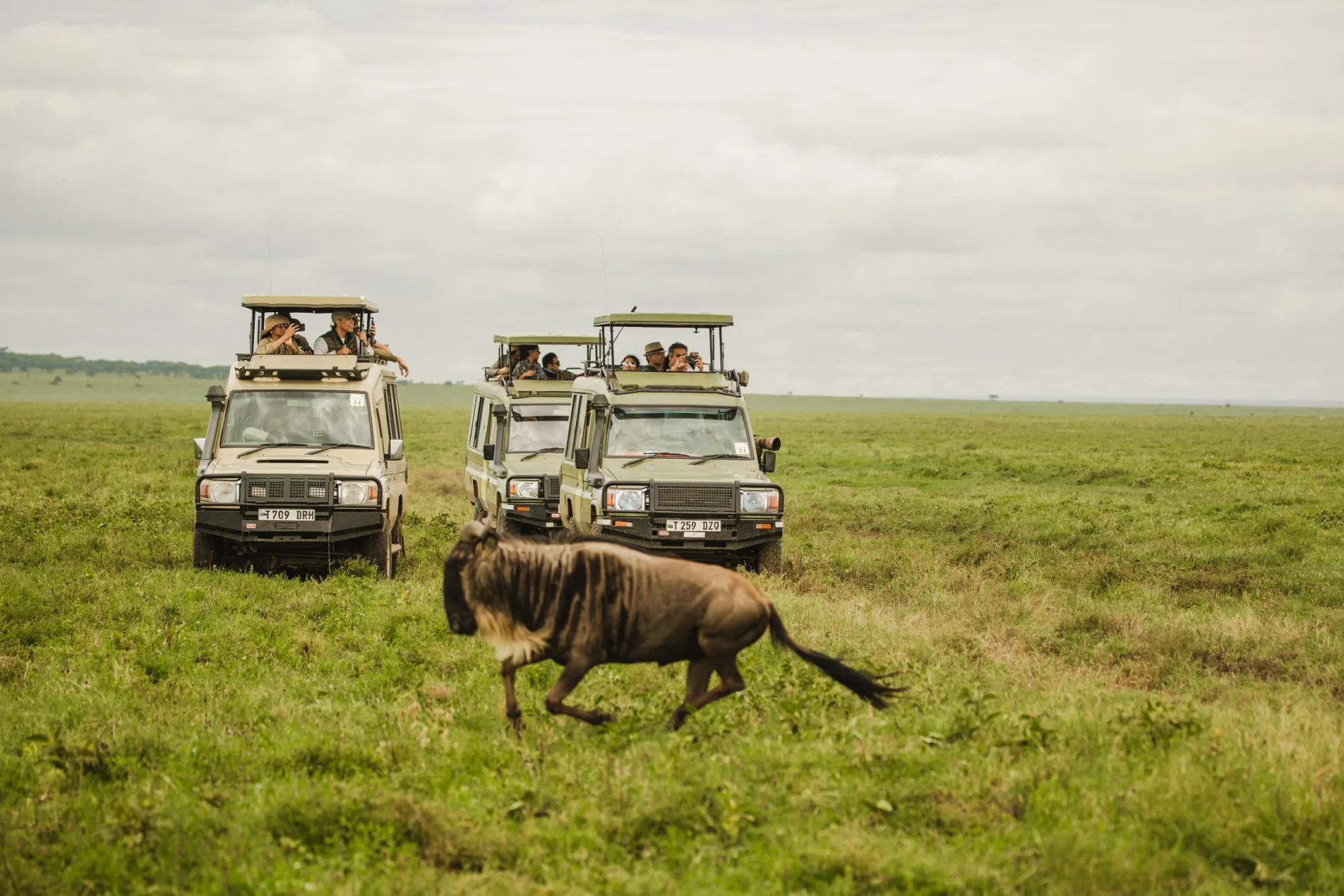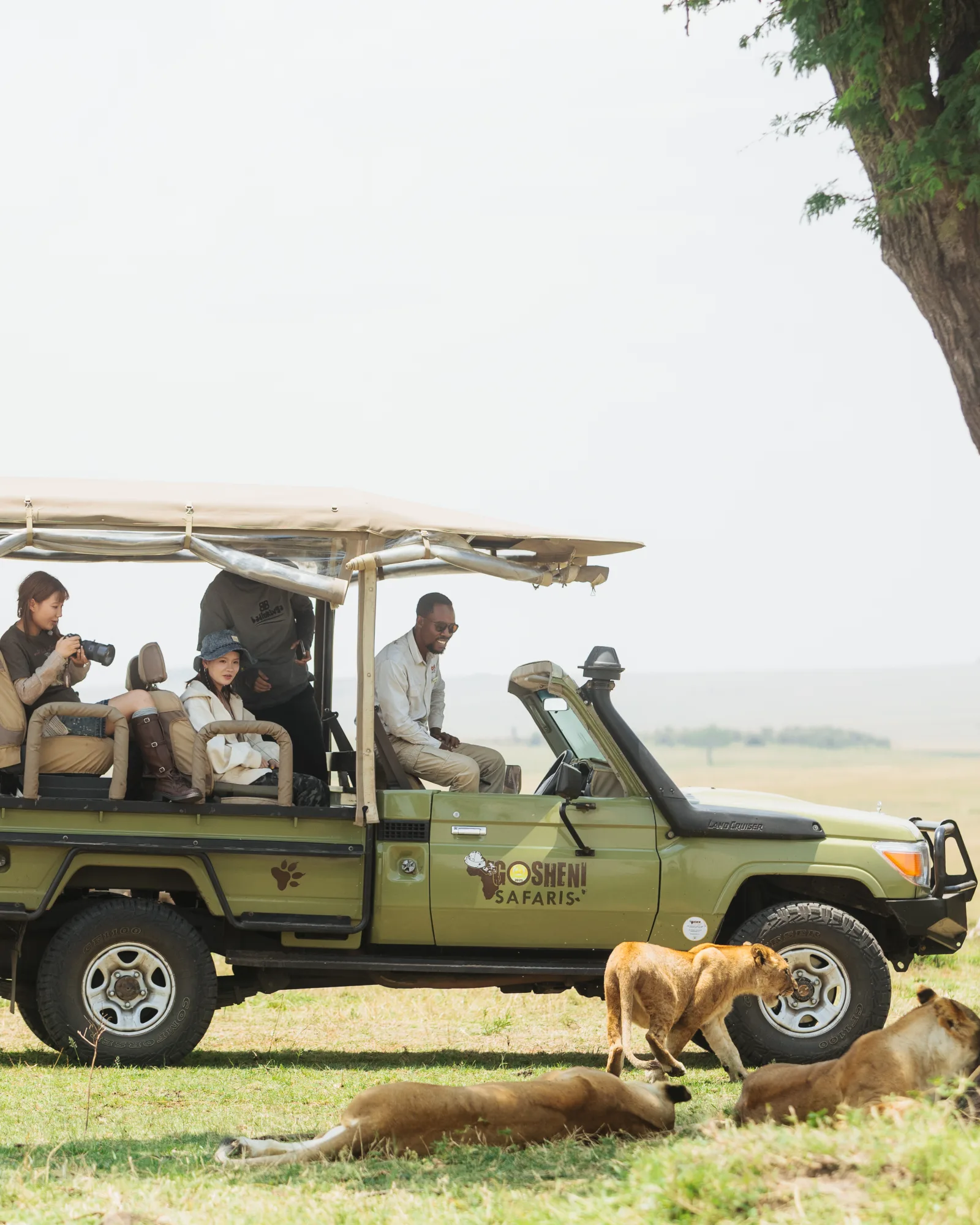
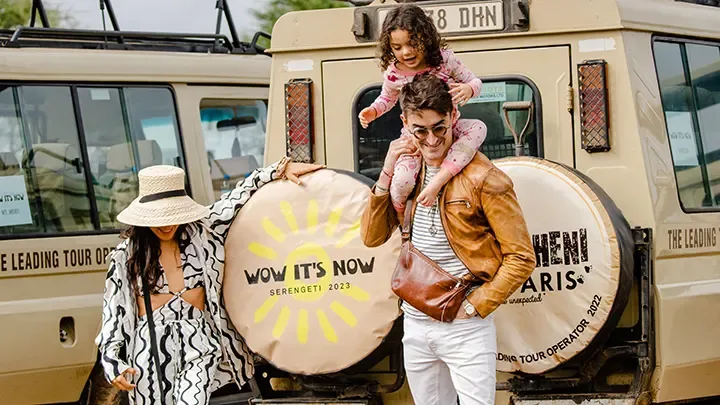
A Serengeti tour is the trip most people picture when they imagine an African safari: open plains, big cats, and wildebeest herds stretching to the horizon. We run Serengeti tours out of Tanzania, based in Arusha since 2009, and this guide covers how a trip with us actually comes together, from your first questions to the days you'll spend in the park.
Here's what it covers: the basics of booking, how an itinerary gets built, and the five experiences that make up most Gosheni Serengeti trips.
Answering Your Safari Questions Up Front
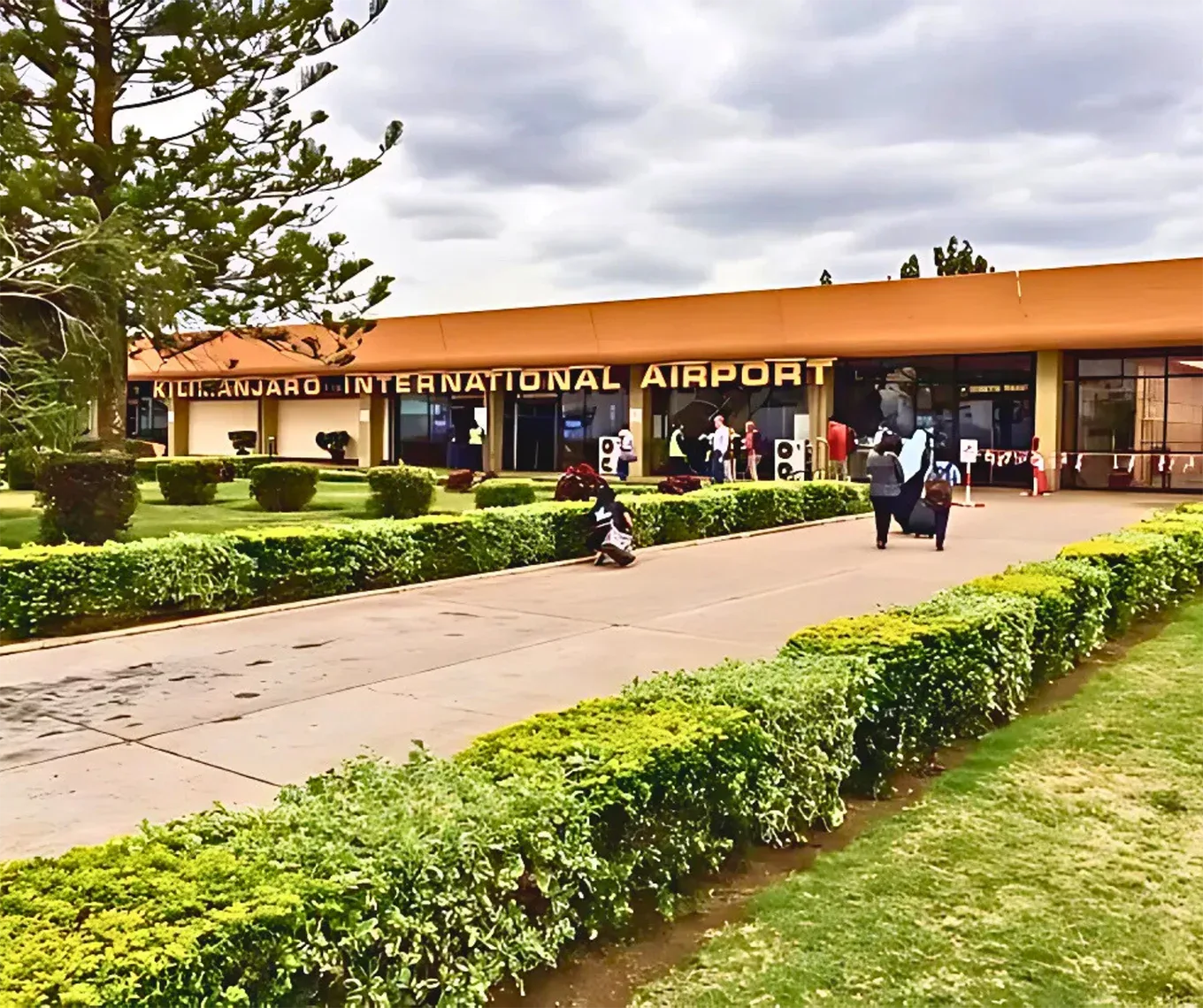
You'll land at Kilimanjaro International Airport, the main entry point for most Serengeti tours, or at the smaller Arusha Airport. We handle the transfer from either one, the pre-safari briefing, your lodge choice inside Serengeti National Park, and the private vehicle for the rest of the trip.
A few things shape what a trip with us looks like:
- Vehicles: custom-built 4x4s with pop-up roofs and charging points.
- Guides: Tanzanian guides who know the animals and the terrain.
- Accommodation: lodges and tented camps picked to match your travel style and budget.
- Logistics: transfers, permits and planning handled before you arrive.
This guide covers five experiences that come up on most Gosheni Serengeti trips:
- The Great Migration: more than a million wildebeest and zebra moving through the ecosystem
- Game Drives: wildlife drives tailored to the different zones of the Serengeti
- Bush Meals & Sundowners: meals and drinks served outdoors, away from camp
- Cultural Encounters: visits with Maasai communities near the park
- Scenic Fly-Ins & Lodge Life: flying in and settling into camp
Most guests choose one of three trip lengths:
- Quick fly-in (3-4 days): a focused Serengeti trip for travelers short on time
- Northern Circuit (6-8 days): the Serengeti plus Ngorongoro Crater and Tarangire National Park
- Extended trip (10+ days): the full circuit with a Zanzibar beach extension
Timing matters more than almost anything else in planning: calving season, the river crossings and the quieter shoulder months each mean a different trip. We cover the month-by-month breakdown later in this guide.
Planning Your Serengeti Tour with Gosheni Safaris
Planning starts weeks or months before you land in Africa. Here's how it works and what you'll actually need to decide.
Most itineraries start in Arusha, where we're based. We pick you up from Kilimanjaro International Airport or Arusha Airport, get you settled for the night, and go through the route and any special requests with your guide before you head out.
Common Itinerary Templates
We build trips around three main templates, each one adjustable to your interests:
4-5 Day Serengeti & Ngorongoro: covers the Ngorongoro Conservation Area and central Serengeti. Good for first-timers or anyone adding a safari onto a longer East Africa trip.
7-8 Day Tarangire-Serengeti-Ngorongoro Circuit: the classic Northern Circuit, with Lake Manyara National Park, the elephant herds at Tarangire National Park, the Ngorongoro Crater rim, and several days in the Serengeti. Long enough for full days of game driving across more than one ecosystem.
10+ Day Serengeti Plus Zanzibar: pairs 6-8 days on safari with 3-5 nights on Zanzibar's beaches, for travelers who want wildlife and time by the ocean.
Which one fits depends mostly on how much time you have and whether you want a beach extension. First-timers with about a week usually go for the Northern Circuit. Return visitors with more time on hand often add Zanzibar at the end.
Matching Style to Season
Travel style matters, and we match guests to properties that fit their preferences and the time of year.
Mid-range tented camps give you a real bush feel: comfortable beds, private bathrooms, and dinner under the stars with other guests.
Luxury lodges go further: private decks over waterholes, plunge pools, and restaurant-level food.
Where we place you also shifts with the season. Guests go to Ndutu in the south during calving season, the western corridor near the Grumeti River as the herds move through, and up to the Kogatende area in northern Serengeti when the Mara River crossings are on.
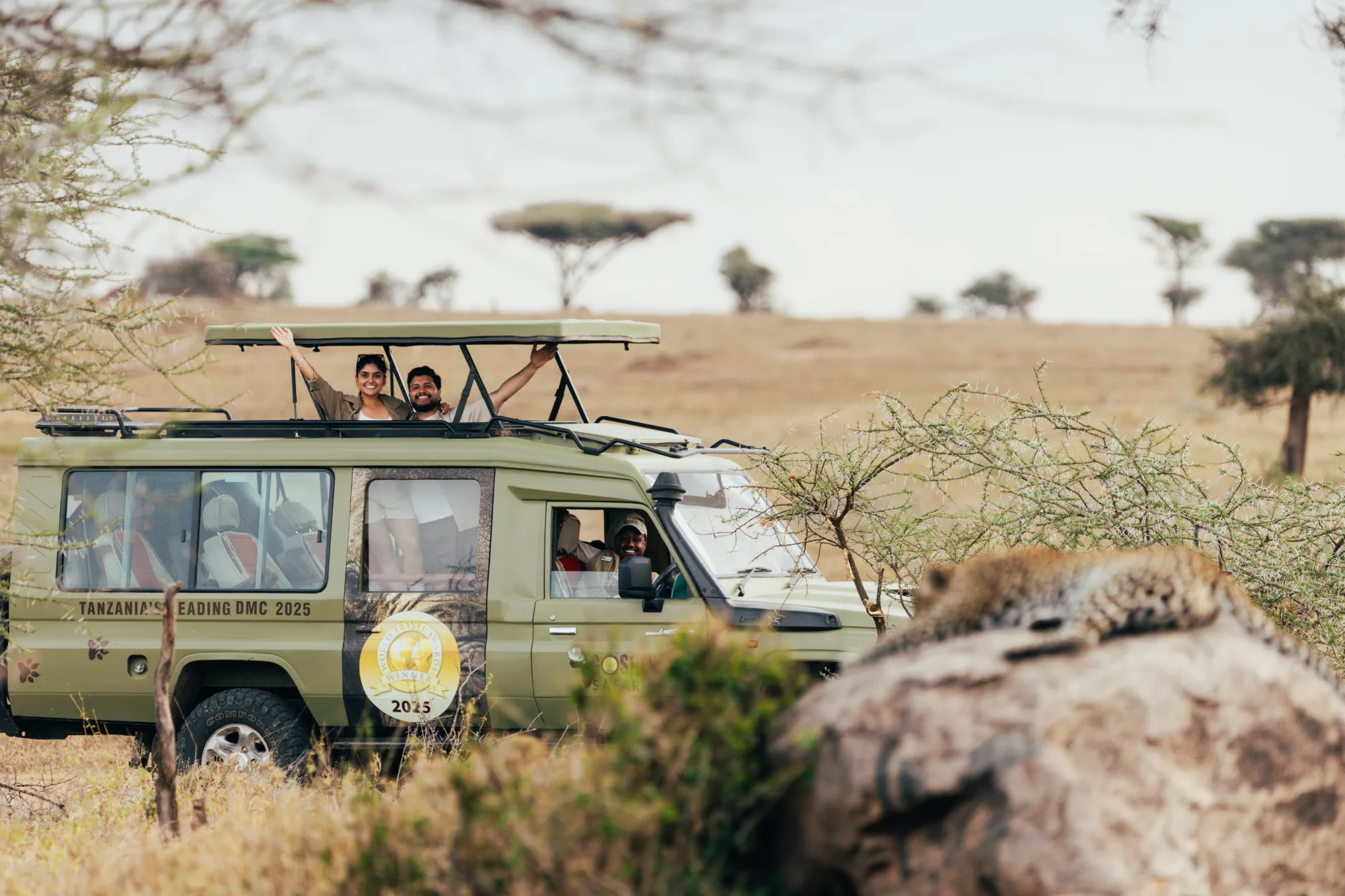
Every trip comes with its own guide and a private 4x4, not a shared group vehicle. If we spot a cheetah stalking something, we can stay and watch it play out. If a driver hears about a lion down another track, we can go check it out. Nobody's working off a fixed schedule.
Before you travel, we also help with:
Setting your dates around the migration, if that's a priority
Confirming dietary needs with the lodges (vegetarian, vegan, gluten-free, halal, and so on)
Arranging small extras for honeymoons or anniversaries
Experience 1: The Great Migration
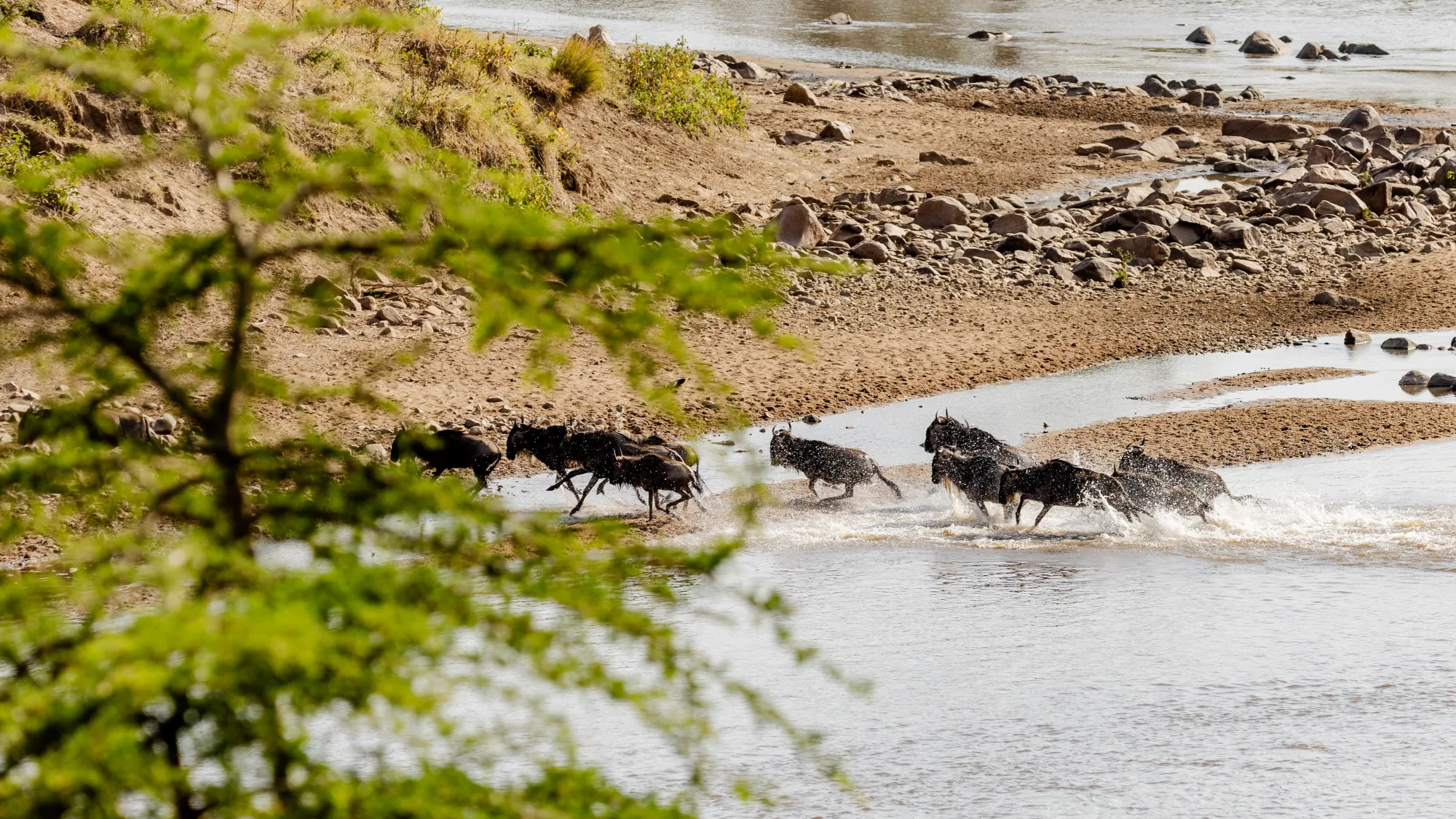
More than a million wildebeest and zebra move through the Serengeti-Mara ecosystem every year, chasing the rain and fresh grass over a route of roughly 1,000km. It isn't random wandering. The herds follow a pattern shaped by rainfall, and we plan your route and dates around where they're likely to be. We cover the month-by-month timing in detail in the next section.
A typical migration day starts with an early game drive, when lions and cheetahs are often still finishing a night's hunting. We rest at camp through the heat of the day, then head out again in the afternoon toward the crossing points, in the western corridor or northern Serengeti depending on the season.
Our guides know the quieter viewpoints and crossing spots, so you're not jostling for position with a line of other safari vehicles.
Our guides also explain what's happening as you watch it: why wildebeest hesitate at a riverbank even with crocodiles waiting, how cheetahs adjust their hunting style to the terrain, why one crossing point draws more animals than another.
We keep a safe distance at the crossings and don't crowd the animals. That's partly about safety, and partly about not disrupting what you came to see.
Best Times & Places for a Gosheni Migration Adventure
This is the month-by-month guide to picking the best time and place to come:
- January to early March: calving season in Ndutu, in the southern plains. Births peak here, and predator activity follows.
- Late May to June: herds push into the Grumeti River area in the western corridor, trying the early river crossings. Fewer tourists than the Mara crossings later in the year, and plenty of predator activity along the riverine forest.
- July to September: the Mara River crossings. Herds mass on the riverbank and cross through water where crocodiles are waiting.
- October to November: the herds move south again through central Serengeti as the dry season ends. Good game viewing as the cycle starts over.
We book camps and mobile camps close to where the herds are likely to be, which keeps driving times down and leaves more time with the animals.
Experience 2: Game Drives with Gosheni's Guides
Game drives aren't only about the migration. They're private, not fixed-schedule group tours, and the pace follows your interests and whatever's actually out there that day.
A Typical Day on Safari
- Dawn: coffee brought to your tent, then out as the sky turns from black to gold.
- Sunrise drive: predators are most active early, lions heading back after a night out, cheetahs scanning for breakfast, leopards dragging kills into the trees.
We pack lunch so you can stay out on game drives instead of heading back to camp. Sometimes that means eating at a picnic site, sometimes it means parking at a hippo pool and setting up on the hood of the Land Cruiser.
- Midday: back at camp during the hottest hours, when the big cats are resting too.
- Afternoon drive: elephants come out of the woodland, buffalo gather at the waterholes, and the light is good for photos.
- Sunset: back to camp as the sun drops behind the acacia trees, often with a stop for a drink and the view.
Our guides are Tanzanian professionals with years of experience in animal behavior, photography and safety. They know the Serengeti's different zones well:
- Seronera Valley (Central Serengeti): year-round predators, including resident lions and leopards.
- Moru Kopjes: a rocky outcrop where lions like to bask, plus ancient rock paintings nearby.
- Western Corridor: riverine forest, hippo pools, and seasonal migration routes.
- Lobo/Northern Serengeti: remote woodland with dramatic rock formations and access to the Mara River.
We use custom Toyota Land Cruisers with pop-up roofs, charging points for camera batteries, and cooler boxes stocked with water and cold drinks.
Sightings vary, but on a typical trip you might see:
- Lion prides on granite kopjes in central Serengeti
- Cheetahs scanning for prey from a termite mound
- Elephant herds along the Seronera River
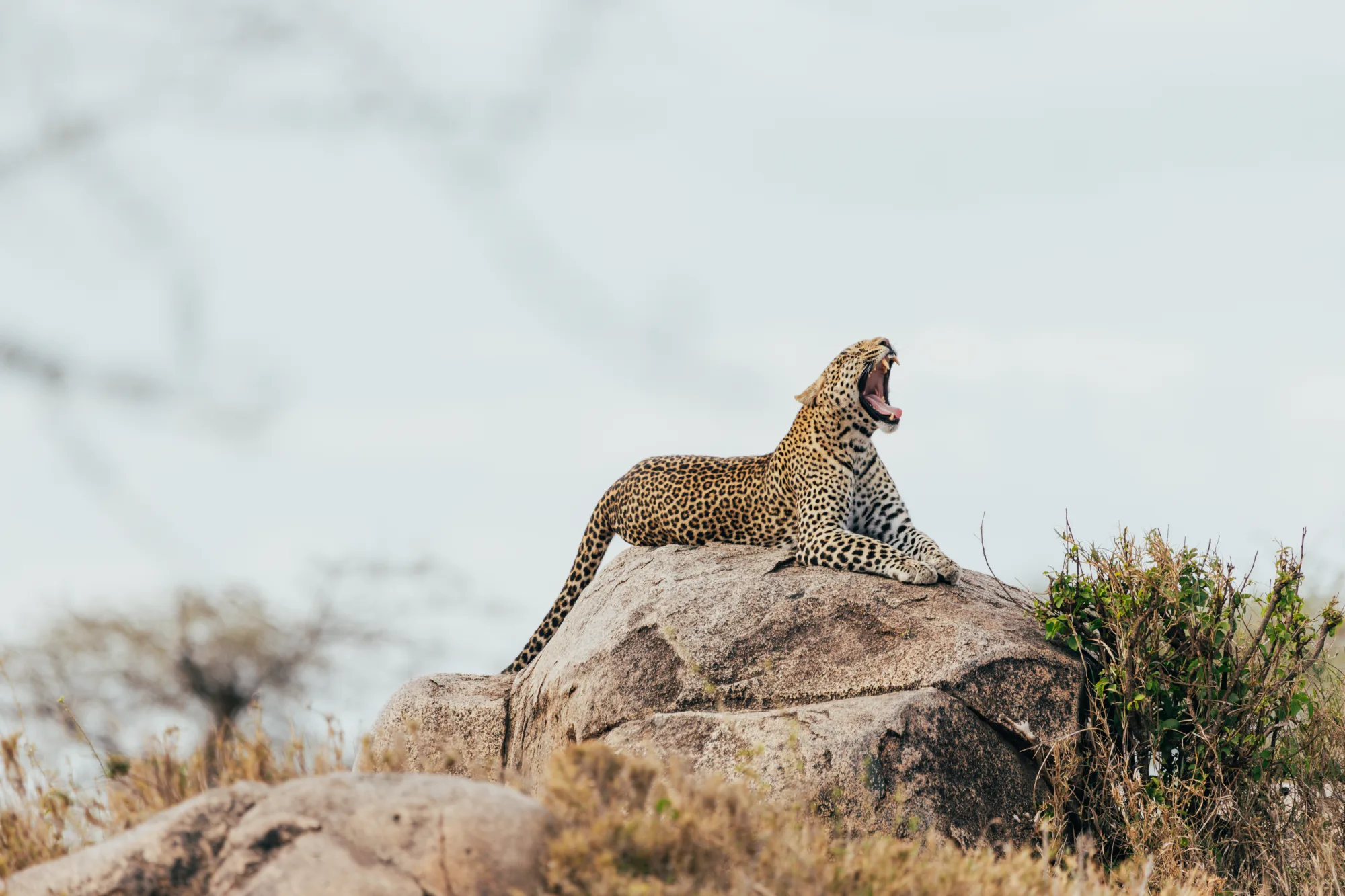
- Leopards resting in sausage trees
- Black rhino, with some luck, in one of the protected zones
Because your vehicle is private, we don't rush off when we find something good. If it's a hunting cheetah or a pride with cubs, we stay until you're ready to move on.
Photography & Sunrise Game Drives
For closer wildlife encounters, we also run a hot air balloon safari over the Serengeti at sunrise.
We leave camp before sunrise to catch predators finishing their night hunts, lions heading back to cover or hyena clans returning to their dens.
On photography drives, we position the vehicle for light and composition, plan the route around likely sightings, and give you the time a good shot takes.
Some of what you might see and photograph on these drives:
- A hippo pool at dawn, mist still rising off the water
- A fig tree where a resident leopard is often seen
- A lion on a rocky outcrop in the evening light
Experience 3: Bush Meals and Sundowners
Mealtimes on safari don't have to mean sitting at a table indoors. Most of ours happen outside, with the rest of your group.
Full-Day Safari Dining
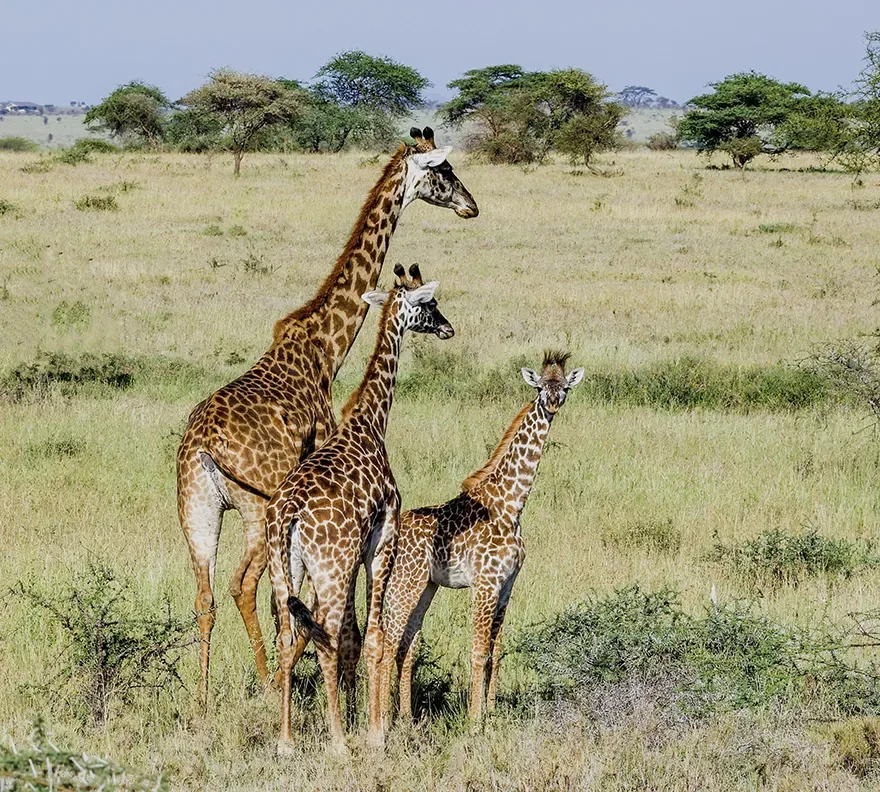
On a full-day game drive, your guide packs lunch so you don't have to head back to camp. You'll usually stop somewhere scenic to eat it, often under an acacia tree with giraffes browsing nearby.
Bush Breakfasts
After a morning drive, we set up breakfast at a scenic viewpoint: a kopje ridge over the plains, or a spot by a river valley where you can watch hippos in the distance.
The usual spread includes:
- Fresh coffee
- Eggs cooked to order
- Fresh tropical fruit
- Toast, pastries and preserves
- Grilled sausages and bacon
It's served on linen with proper cutlery, and your guide stays close in case you need anything.
The Classic Sundowner
In the late afternoon, your guide finds an open spot with a view, sets up drinks and snacks, and you watch the sun go down: acacia trees silhouetted against the light, hyenas starting to call as the day cools off.
It's a good way to end a day on safari.
Dietary needs (vegetarian, vegan, gluten-free, halal) are sorted with our lodges and camps before you arrive. Let us know what you need during planning and we handle the rest.
Experience 4: Cultural Encounters
A Tanzania safari isn't only about wildlife. We build in time to meet people too, particularly the Maasai, whose homelands surround the Serengeti.
Maasai Village Visits
We can arrange optional visits to Maasai villages, not staged shows, but visits arranged through ongoing relationships with specific communities. These usually include:
- How homes are built from local materials: branches, mud and cow dung
- Beadwork and jewelry-making techniques passed down through generations
- Cattle and goat herding practices central to Maasai life
- Traditional jumping dances and songs performed by young warriors
We work with local guides to keep these visits small and respectful, and the communities are paid directly for hosting you.
Highlands Walks & Village Visits
Guided walks also introduce you to people who live and work outside the park: farmers, local guides, village leaders, who talk about daily life in the area. These walks might include:
- Visiting small villages or local markets
- Stopping at coffee farms on the Rift Valley escarpment
- Learning about daily life and agriculture in the area
- Seeing ancient stone tools and nearby archaeological sites
Our guides are local, so you get a sense of how people and wildlife share this land. The name Serengeti comes from the Maasai word "Siringet," which translates roughly to "endless plains."
Balancing wildlife and culture
Most cultural visits happen on transfer days, moving from Arusha to Tarangire, or from Ngorongoro to the Serengeti, when midday heat keeps wildlife out of sight anyway. We can build in as much or as little of this as you want; some guests want the deeper experience, others just want a taste.
Experience 5: Flying In and Lodge Life
Getting to the Serengeti, and winding down after a day of game drives, is part of the trip too.
Arriving by Air
Flying in gives you views over the Ngorongoro Crater, the Rift Valley escarpment and miles of hills on the way down. The flight from Arusha takes about 90 minutes, which saves 5 to 6 hours against driving. Your guide meets you at the airstrip, and you're on a game drive within the hour.
Lodge Life
Lodges and camps vary, but they're all built around being outdoors: a deck, a view, the sounds of the bush at night.
Tented camps offer:
- Proper beds, no sleeping bags needed
- Private bathrooms with hot showers
- Evening campfires with local food and wine
- Sleeping out in the bush under open sky
Luxury lodges add more:
- Private decks over waterholes or open plains
- Private plunge pools with a view
- More than one dining option
- A place to unwind after game drives
After the Safari: Zanzibar or Lake Manyara
Some guests add time elsewhere once the safari ends. We can arrange extensions to:
- Zanzibar (3-5 nights): beaches, spice tours, and the architecture of Stone Town. A real contrast to the mainland.
- Lake Manyara (1-2 nights): tree-climbing lions and flamingos along the shore.
- Extended Tarangire: more time for elephant viewing and the baobab forests of northern Tanzania.
We coordinate the road, air and boat transfers for any extension, so the logistics stay out of your way.
Choosing Lodges and Camps
Where you stay shapes the trip. We usually suggest splitting your nights across more than one location:
- 2 nights in central Serengeti, with year-round predators and easy access to the Seronera Valley
- 2 nights wherever the migration is at the time, the southern plains, western corridor, or northern woodlands
And a choice of styles:
- Tented camps: canvas tents in the acacia woodland, campfires, a real bush feel without giving up comfort.
- Luxury lodges: stone and timber buildings over river valleys or hills, often with private decks and infinity pools. Good for honeymoons or special occasions.
Service and consistency matter as much as the setting. Tell us what matters most to you, leopard sightings, attentive staff, privacy, and we'll point you toward places that deliver on that specifically.
Booking your Serengeti trip
A Serengeti trip with us usually combines the same five pieces covered in this guide: the migration, game drives with local guides, bush meals, time with local communities, and getting in and out of the park in comfort.
When to Book
Some periods book out further ahead than others.
- Peak season (July-September, Christmas/New Year): book at least 9-12 months out
- Calving season (January-March): book at least 6-9 months out
- Shoulder seasons (April-June, October-November): book at least 4-6 months out
Curated Journeys
Safaris to Inspire This Journey
Handcrafted itineraries that bring this story to life.
Getting Started
Here's what we need to get started:
- When you want to travel, or if your dates are flexible
- How many days you want (most trips run 3-10 days)
- Your budget per person
- Any special interests: photography, family travel, honeymoons, and so on
We'll put together a draft itinerary as a starting point, then adjust it with you until it's right, down to game drive timing and your airport drop-off.
It starts with a phone call or an email.
Game Viewing Tips: Making the Most of Every Sight
A little preparation helps. Bring binoculars and a camera with plenty of storage; you won't know in advance when you'll spot lions hunting, elephants on the move, or a leopard resting in the shade. A field guide helps you identify what you're looking at, from the Big Five down to the smaller birds.
Patience matters on a game drive. Some of the best moments happen without warning, during a picnic lunch by the Mara River, or while waiting as a herd gathers to cross. Trust your guide's instincts on where and when to wait.
A hot air balloon ride at sunrise or a night drive gives you a different view of the park. Staying alert and patient is most of what it takes to get good sightings in the Serengeti.
Mornings start cold, especially in an open-sided vehicle, so bring a layer you can peel off as the day warms up. Dry-season roads are dusty, so a scarf or buff is worth packing too.
Where You'll Stay