
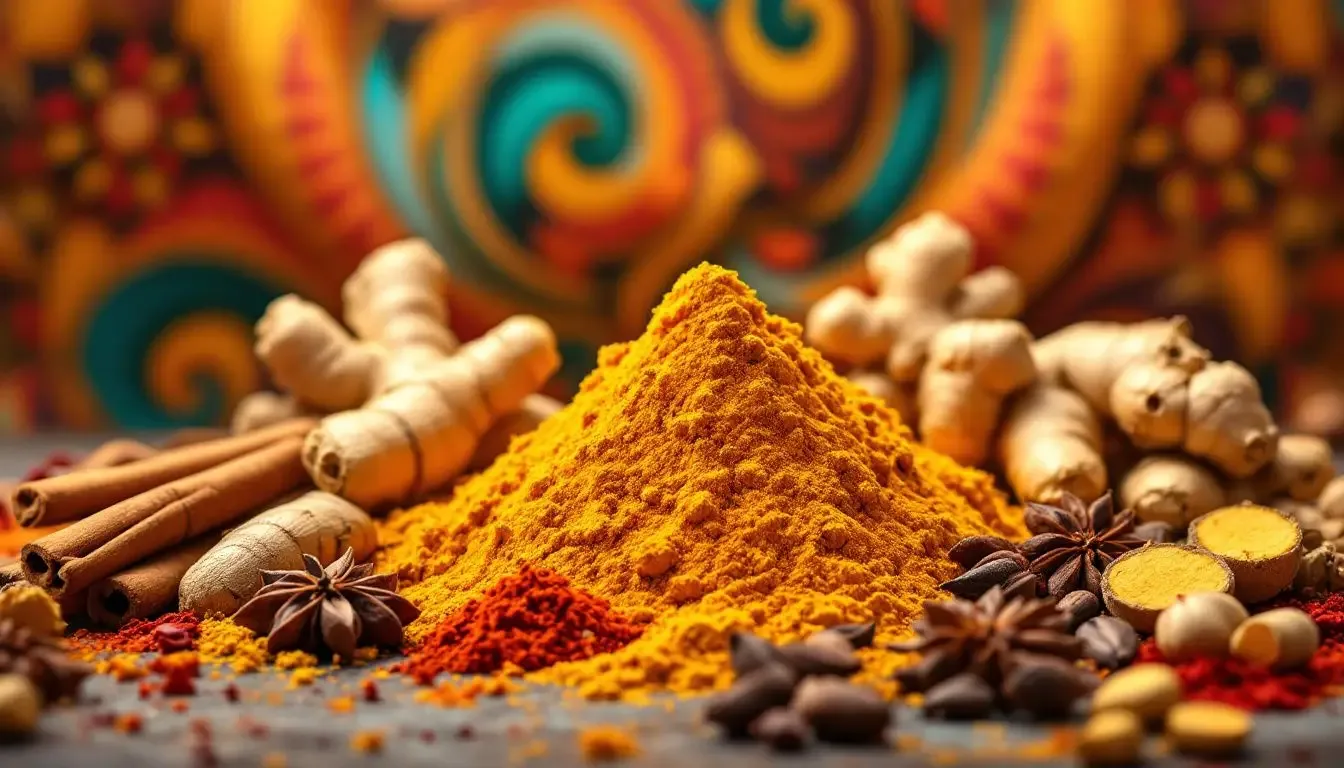
Short answer: Tanzania, and especially Zanzibar, grows more than 30 spice crops. The best known are cloves, the island's biggest spice export, along with cinnamon, nutmeg, black pepper and cardamom. You can see and smell them growing on a spice farm tour on Zanzibar, where most of the plantations are.
| Spice | Where it grows | Known for |
|---|---|---|
| Cloves | Zanzibar | Tanzania's leading spice export |
| Cinnamon | Zanzibar | Ceylon and cassia varieties, used in pilau |
| Nutmeg | Zanzibar | Desserts and traditional remedies |
| Black pepper | Southern highlands and East Usambara Mountains | An everyday cooking spice |
| Cardamom | Zanzibar | Sweets and spiced tea |
Tanzania spices, including cloves and turmeric, are known for their unique flavors and health benefits. This article explores their origins, culinary uses, and the ways they enhance well-being.
Key Takeaways
Tanzanian spices, such as cloves and cinnamon, are integral to the culture and economy of the region, particularly in Zanzibar, which is known as the ‘Spice Island’.
The health benefits of Tanzanian spices, including anti-inflammatory and antioxidant properties, have increased their demand globally, aligning with the growing preference for natural ingredients.
Challenges such as certification and financing hinder local spice producers in Tanzania; however, sustainable practices and quality assurance initiatives are essential for enhancing market access and supporting farmers.
Tanzania Spices: Discover the Rich Flavors and Health Benefits
Tanzanian spices symbolize a rich cultural heritage and vibrant culinary tradition that enhances both local and international cuisine. The spice trade, which began in the 12th century, was a significant factor in the globalization of trade routes across East Africa. Today, Tanzania and Zanzibar are celebrated for their diverse spices, such as black pepper and turmeric, which continue to enhance a variety of dishes worldwide.
Spices like cloves, cinnamon, and turmeric not only add depth to culinary creations but also offer numerous health benefits, making them a staple in kitchens around the globe. For over a millennium, these spices have been integral to Tanzania’s culture and economy, particularly in Zanzibar’s fertile lands, earning it the nickname ‘Spice Island’.
The ideal climate and soil conditions contribute to the country’s status as a notable producer in the region.
Introduction
Tanzania, with its breathtaking landscapes and vibrant culture, has long captivated travelers. Known for its historical spice trade, particularly in Zanzibar, the country offers a rich tapestry of flavors and aromas that tell a story of centuries-old traditions. The cultivation of spices like cloves and cinnamon has been integral to Tanzanian culture and its economy, shaping the way of life for many local producers.
Embarking on a trip to Tanzania is not just a journey through stunning green landscapes but also a culinary tour that introduces you to the diverse and rich flavors that define the region. From the sun-kissed fields where spices are grown to the bustling markets where they are sold, every part of this journey offers a glimpse into the efforts and lives of those who rely on the spice trade.
The story of Tanzanian spices is one of quality, health, and the warm hospitality of its nature people.
The Spice Island Legacy
Zanzibar, often referred to as the ‘Spice Island,’ holds a significant place in the history of the global spice trade. For over a millennium, spices have been integral to Tanzania’s culture and economy, particularly in Zanzibar’s fertile lands. The spice trade, which began in the 12th century, was a significant factor in the globalization of trade routes across East Africa.
Spices are more than just ingredients in Tanzanian cuisine; they are a symbol of the country’s identity, enhancing both culinary experiences and cultural practices. The rich history and vibrant culinary tradition of Tanzanian spices are evident in their widespread use in both local and international dishes.
Zanzibar and the Eastern Arc Mountains are significant regions for spice production, benefiting from ideal climate and soil conditions.
Clove Tree Heritage
Zanzibar is renowned for its rich history in the spice trade, often described as a paradise of smells and flavors. Cloves, introduced to Zanzibar by the Sultan of Oman, play a central role in this legacy. The clove tree (Syzygium aromaticum) thrives in Zanzibar’s fertile soil and ideal climate, making the island one of the world’s top producers of cloves.
Cloves are integral to Zanzibari cuisine, enhancing the flavors of traditional dishes like pilau. The harvesting of cloves is a labor-intensive process, requiring skilled labor to pick them by hand or beat them out of trees with sticks. Their warm flavor adds depth to savory dishes, and their distinct aroma is often incorporated into beverages like spiced tea.
Cinnamon Cultivation
Tanzania produces two main types of cinnamon: Ceylon and cassia, with Ceylon considered the true cinnamon that commands higher prices. This spice is a staple in Zanzibari cuisine, used in a variety of dishes, including desserts and savory preparations like pilau.
Cinnamon is valued for its culinary uses. Additionally, it is recognized for its health benefits. The antioxidant properties have been recognized for their role in supporting the immune system. They may also help in potentially lowering blood sugar levels.
Derived from the inner bark of the cinnamon tree, this spice continues to be a treasured crop in Tanzania’s spice production.
A Palette of Flavors
Tanzania is home to over 30 key spices, including clove, pepper, ginger, cinnamon, and cardamom, catering to both local and international markets. These spices are integral to Tanzanian identity, enhancing both culinary experiences and cultural practices. The vibrant flavors of Tanzanian cuisine are largely attributed to the diverse array of spices used in traditional and modern dishes.
Innovative uses of spices like cardamom and cinnamon in desserts, such as mandazi, highlight the versatility of Tanzanian spices in contemporary cuisine. The following subsections will delve into specific spices that define Tanzania’s rich culinary palette.
Black Pepper
Black pepper, cultivated primarily in the Southern highlands and East Usambara Mountains, is a key spice in Tanzanian cuisine. It adds depth and heat to soups, stews, and marinades, making it an essential ingredient in many dishes. Tanzania produces black, green, and white pepper, each playing a significant role in the spice trade.
The cultivation of black pepper not only supports local farmers but also contributes significantly to Tanzania’s economy. Its versatility and robust flavor make it a staple in kitchens around the world, further solidifying Tanzania’s position in the global spice market.
Cardamom's Warm Aroma
Cardamom is a significant spice in Zanzibar, often used in traditional sweets and to flavor popular beverages. Its warm, aromatic flavor enhances a variety of dishes, from desserts to savory meals, showcasing the rich culinary heritage of the region.
Ginger's Spicy Kick
Ginger is a key component in Tanzanian cuisine, contributing both flavor and potential health benefits. Its spicy kick is a common feature in many dishes, adding a distinctive taste that complements the rich array of spices used in Tanzanian cooking.
Medicinal Properties of Tanzanian Spices
The demand for spices from Tanzania is rising, largely due to an increasing preference for natural ingredients in healthy lifestyles. Tanzanian spices are recognized for their diverse health benefits, including anti-inflammatory, antioxidant, and antimicrobial properties. For instance, cloves possess high antioxidant content and potential antibacterial effects, making them a valuable addition to a healthy diet.
Cinnamon is also celebrated for its health benefits, such as anti-viral properties and the ability to lower blood sugar levels.
The following subsections will explore the medicinal properties of specific Tanzanian spices in more detail.
Turmeric's Antioxidant Properties
Turmeric, derived from the plant Curcuma longa, is celebrated for its health-promoting attributes. Curcumin, the primary bioactive compound in turmeric, exhibits significant antioxidant effects, contributing to its medicinal applications. Traditionally, turmeric has been used to treat digestive issues, respiratory conditions, and inflammation.
The antioxidant properties of turmeric make it a valuable spice for promoting overall health and well-being. Its use in traditional remedies highlights its importance in Tanzanian culture and medicine.
Nutmeg and Mace for Wellness
Nutmeg and mace, sourced from the Myristica fragrant tree, are known for their therapeutic benefits. These spices possess compounds that promote digestive health and may aid in reducing stress and anxiety. The essential oils extracted from nutmeg and mace are often utilized in aromatherapy for their calming effects.
Incorporating nutmeg and mace into your diet can provide various health benefits while adding a unique flavor to your dishes. Their wellness properties make them a valuable addition to Tanzanian cuisine.

Economic Benefits and Sustainability
The spice industry in Tanzania has evolved, with the private sector now handling marketing and exports, following the dissolution of a governmental agency in 2000. The demand for spices from Tanzania is rising, largely due to an increasing preference for natural ingredients in healthy lifestyles. Tanzania produces over 30 significant spice crops, with a focus on enhancing the export potential of high-demand spices.
Cloves are Tanzania’s leading spice export, representing a dominant share in the global market, particularly from Zanzibar. The cultivation of cloves in Zanzibar significantly contributes to the local economy and agricultural sustainability. Initiatives aimed at supporting local producers focus on increasing the comparative advantage of farmers in the global spice market.
Supporting Local Producers
Farmers in Tanzania face challenges such as lack of technical training, need for financing, and certification barriers. Trianon Spices employs climate-smart and regenerative agriculture principles to enhance spice value. These sustainable practices help prevent local rainforest degradation.
By addressing these challenges and enhancing farming practices, the livelihoods of small-scale farmers in Tanzania can be significantly improved. Supporting local producers is essential for maintaining the quality and sustainability of Tanzanian spices.
Organic Farming and Quality Standards
The organic label serves as a certification that products adhere to specific production, handling, and processing standards. The Tanzania Spices label is designed to enhance the marketability and sustainability of the spice sector in Tanzania. Spice farmers in Tanzania can achieve higher prices and better market access through the quality assurance provided by the Tanzania Spices label.
The International Trade Centre supports the Tanzania Spices label within the framework of the EU-funded East African Community Market Access Upgrade Programme. The following subsections will explore the challenges and benefits of organic farming and quality standards in Tanzania.
Certification Challenges
High costs and limited access to certification bodies are major obstacles for Tanzanian farmers seeking organic certification. A lack of awareness and expertise in navigating the certification process further complicates the situation for farmers.
To benefit from premium organic prices, Tanzanian spice farmers need to be certified.
Premium Market Access
Meeting European quality standards is crucial for Tanzanian spice producers as it ensures their products meet the expectations of international buyers. Quality standards contribute to consumer confidence and can significantly impact market preferences. Accessing premium markets requires compliance with certifications that guarantee the quality and traceability of spices, benefiting both producers and consumers.
Culinary Journey Through Tanzanian Spices
Dishes like Pilau, seasoned with an array of spices, reflect the rich culinary heritage of Tanzania. Tanzanian spices play a pivotal role in shaping the unique flavors of the local cuisine. Traditional dishes made with Tanzanian spices not only nourish but also celebrate the country’s diverse culture and history.
The following subsections will explore traditional recipes and modern twists that showcase the versatility of Tanzanian spices in both local and global cuisine.
Traditional Recipes
Machi paka, a traditional dish that combines grilled fish with coconut curry, showcases the use of spices like cardamom and turmeric. Mkate mimina, a popular rice cake, is made with coconut and cardamom, reflecting the local use of spices in traditional desserts.
Kachumbari, a fresh vegetable salad, is often served alongside pilau to enhance traditional Tanzanian meals. The octopus coconut curry, known locally as ‘pweza wa nazi,’ showcases how Tanzanian spices complement seafood, particularly in coastal regions.
Traditional Tanzanian cuisine is rich and diverse, heavily relying on local spices to create distinct flavors and aromas.
Modern Twists
Seared salmon in coconut curry is a modern take on traditional machi paka, illustrating how Tanzanian spices can create contemporary dishes. Coconut and cardamom cake is a contemporary dessert that combines classic cake techniques with the flavors of Zanzibar spices.
Kuku na Chipsi Masala is a contemporary favorite that features marinated chicken paired with crispy fries, showcasing Tanzanian spices in a modern style. Modern culinary practices have embraced Tanzanian spices, creating innovative dishes that appeal to global food enthusiasts.
Summary
Tanzanian spices, with their rich flavors and numerous health benefits, are an integral part of the country’s cultural and economic fabric. From the historical significance of Zanzibar as the ‘Spice Island’ to the diverse palette of spices like black pepper, cardamom, and turmeric, these spices continue to enhance both local and international cuisine. The medicinal properties of these spices further highlight their importance in promoting a healthy lifestyle.
The economic benefits and sustainability of the spice industry in Tanzania are evident in the support for local producers and the adoption of organic farming practices. Despite challenges in certification, the potential for accessing premium markets remains a promising avenue for Tanzanian farmers. Traditional recipes and modern twists alike showcase the versatility of Tanzanian spices, making them a cherished component of the culinary world. As we conclude this flavorful journey, we hope you are inspired to explore and embrace the rich heritage of Tanzanian spices in your own culinary adventures.
Curated Journeys
Safaris to Inspire This Journey
Handcrafted itineraries that bring this story to life.



Customize Your Zanzibar Experience with Gosheni Safaris
All tours at Gosheni Safaris can be tailored to meet your specific interests and preferences. If you're planning a trip to Zanzibar, make sure to explore the rich spice heritage of the island. Whether you're interested in visiting the vibrant spice markets or experiencing the aromatic spice plantations, simply let us know, and we'll customize your itinerary to ensure a memorable and enriching journey. Our dedicated team is here to enhance your travel experience, making your visit to Zanzibar both unique
Frequently Asked Questions
What makes Zanzibar known as the 'Spice Island'?
Zanzibar is recognized as the 'Spice Island' because of its historical importance in the global spice trade, especially in cloves and cinnamon. This legacy continues to influence its cultural and economic development today.
What are the health benefits of Tanzanian spices?
Tanzanian spices provide significant health benefits, including anti-inflammatory, antioxidant, and antimicrobial effects. Cloves and turmeric exemplify these advantages, contributing to overall health and wellness.
How do Tanzanian spices contribute to the local economy?
Tanzanian spices notably bolster the local economy by supporting farmers and enhancing export opportunities, particularly with cloves being a key export that holds a substantial share in the global market. This not only provides income for local communities but also boosts the nation's economic growth.
What challenges do Tanzanian farmers face in obtaining organic certification?
Tanzanian farmers encounter significant challenges in obtaining organic certification, including high costs, limited access to certification bodies, and insufficient awareness and expertise to navigate the certification process effectively. Addressing these barriers is crucial for enhancing their ability to achieve organic certification.
How are Tanzanian spices used in modern cuisine?
Tanzanian spices are employed in modern cuisine to create innovative dishes such as seared salmon in coconut curry and coconut and cardamom cake, highlighting their versatility and appeal in global culinary practices.
Questions
Spices in Tanzania: Frequently Asked Questions
Tanzania produces more than 30 spice crops, with cloves, cinnamon, nutmeg, black pepper, cardamom and vanilla among the most widely grown. Nearly all of the country's spice production comes from Zanzibar, where the volcanic soil and humid climate suit clove and cinnamon trees particularly well.
Zanzibar earned the name because cloves, introduced in the 1800s, turned the island into one of the world's biggest clove exporters almost overnight. Cinnamon, nutmeg and pepper followed, and the spice trade shaped Zanzibar's economy and its mix of African, Arab and Indian influences for generations.
Yes, spice farm tours near Kizimbani and other plantations around Zanzibar are one of the island's most popular half day trips. Guides walk you through the plantation, let you smell and taste fresh cloves, cinnamon bark and vanilla pods, and explain how each crop is harvested and dried.
Where You'll Stay