
A Tanzania safari is near the top of the list for most American travelers planning a trip to Africa, but the question of cost is one most tour operators dance around rather than answer directly. Pricing pages tend to be vague, and if you do get numbers out of an operator, it's often only after a sales call, with packages that are never itemised, so you have no idea what you're actually paying for. This article gives you the opposite: a line-by-line breakdown of what a Tanzania safari actually costs, what pushes those costs up or down, and what you're getting for your money.
The short answer: a quality Tanzania safari for an American traveler runs $3,000 to $7,000 per person for a 7-10 day trip, excluding international flights. That's a wide range, because Tanzania covers everything from relaxed mid-range lodge safaris to fully private luxury camps on the Serengeti plains. This guide is about what pushes you toward one end of that range or the other.
International Flights: The Biggest Single Cost by a Mile
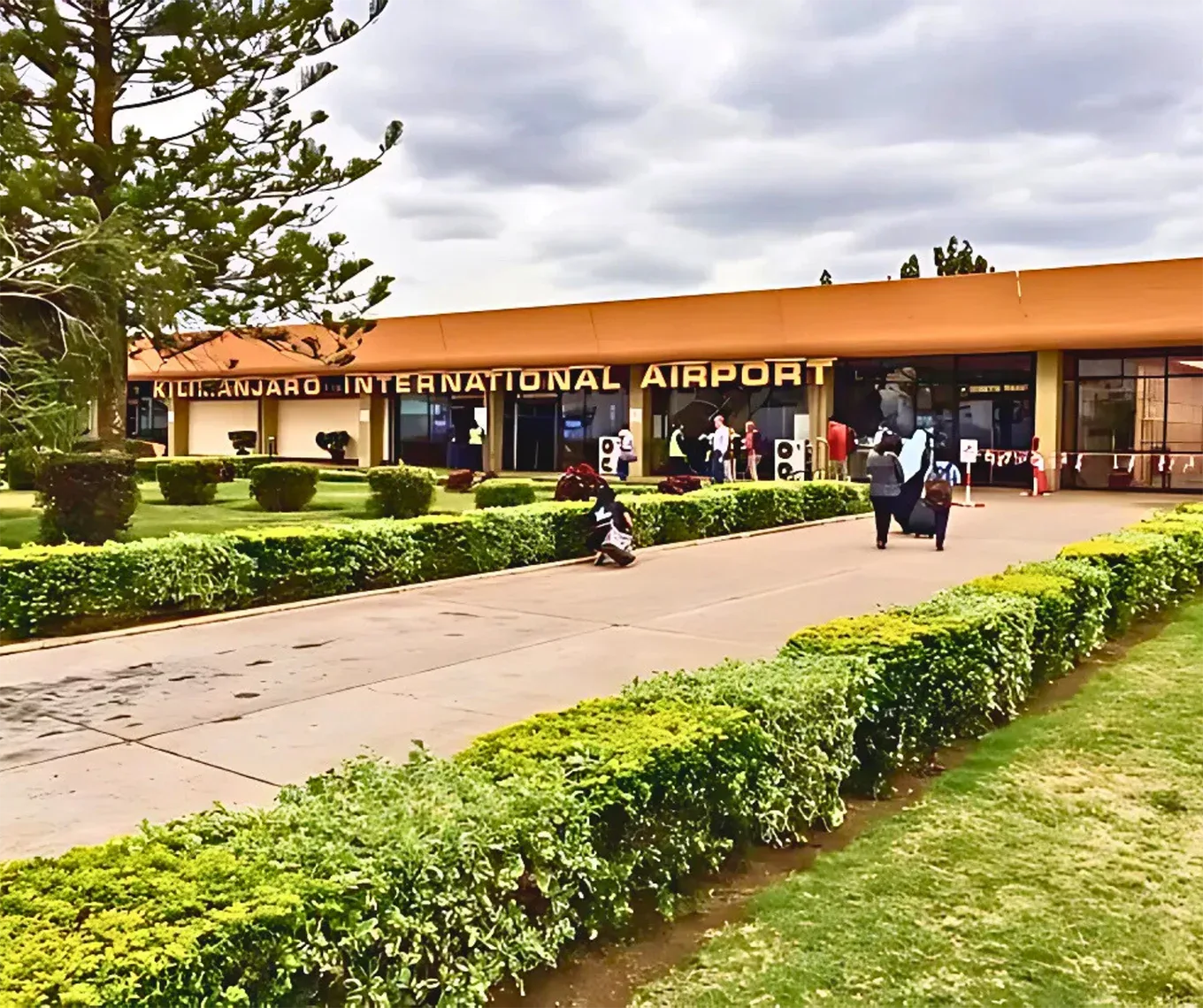
Most American travelers fly into Kilimanjaro Airport (JRO), the main gateway for the northern safari circuit, or into Dar es Salaam for southern circuit trips. Some itineraries use Nairobi as a starting point for combined Tanzania and Kenya safaris. Flights from the US East Coast to Kilimanjaro typically run $1,200 to $2,200 per person in economy, depending on route, airline and how far ahead you book. Business class costs considerably more, and none of this is within a tour operator's control. What you can control is booking six to twelve months ahead for peak season travel, July to October, which is the surest way to keep the airfare down.
Safari Destinations: Where You Can Go and How It Affects Your Budget
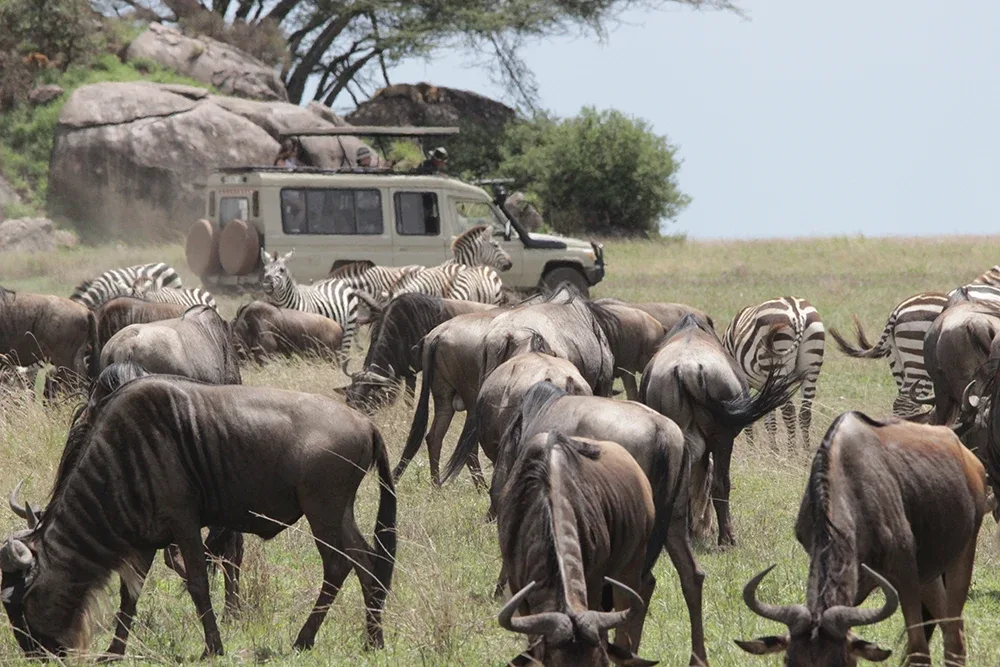
The parks you choose shape both your experience and your budget. Serengeti National Park is the centerpiece of Tanzania's safari circuit: vast plains, huge wildebeest and zebra herds, and the Great Migration. Adding the Ngorongoro Conservation Area brings you to the Ngorongoro Crater, a natural amphitheater dense with elephants, rhinos and predators, though visiting it adds its own entrance fee on top of the standard conservation area fee. Lake Manyara National Park adds groundwater forests, tree-climbing lions and flamingos along the lake edge, plus the scenery of the Rift Valley escarpment.
Cost scales with how many parks you visit and for how long. A 4-day Serengeti and Ngorongoro Crater package typically starts around $2,000 per person, while a 7-day trip that adds Lake Manyara runs closer to $3,500 per person.
Safari Package Costs: What You Actually Pay Out
This is where operator quality, accommodation standard and itinerary design start to matter. Here's a realistic cost framework for a standard 7-8 day northern Tanzania safari covering Tarangire, the Serengeti, the Ngorongoro Conservation Area and Lake Manyara, similar in scope to our 10 days Tanzania luxury sky safari, and the classic circuit for most first-time American visitors.
| Safari Tier | Cost Per Person (7-8 days) | What's Included |
|---|---|---|
| Budget / Camping | $2,000-$2,500 | Camping or basic tented camps, shared facilities, group joining possible |
| Mid-Range Lodge | $3,000-$5,500 | Comfortable lodges or permanent tented camps, en-suite, private vehicle |
| Luxury / Premium | $5,500-$9,000+ | High-end camps, exclusive locations, private guides, premium wildlife access |
These figures are per person, based on two people sharing. Solo travelers pay a single supplement, typically an extra $300-$800, since the private vehicle and guide aren't shared. Groups of three or more reduce the cost per person, since vehicle and guide fees split between more people: a family of four on a private safari pays considerably less per person than a couple on the same itinerary.
Safari Transportation: Getting Around and What It Costs
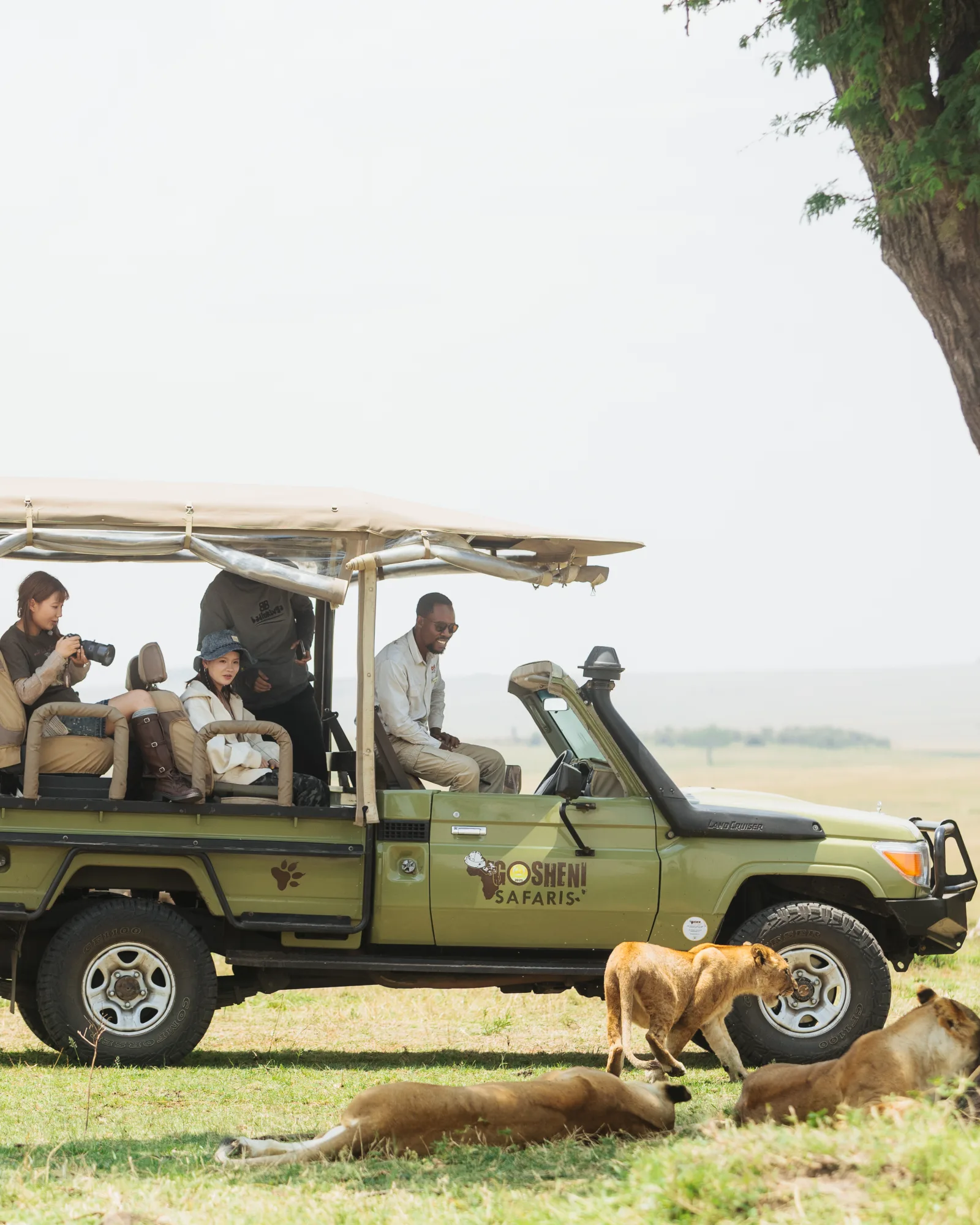
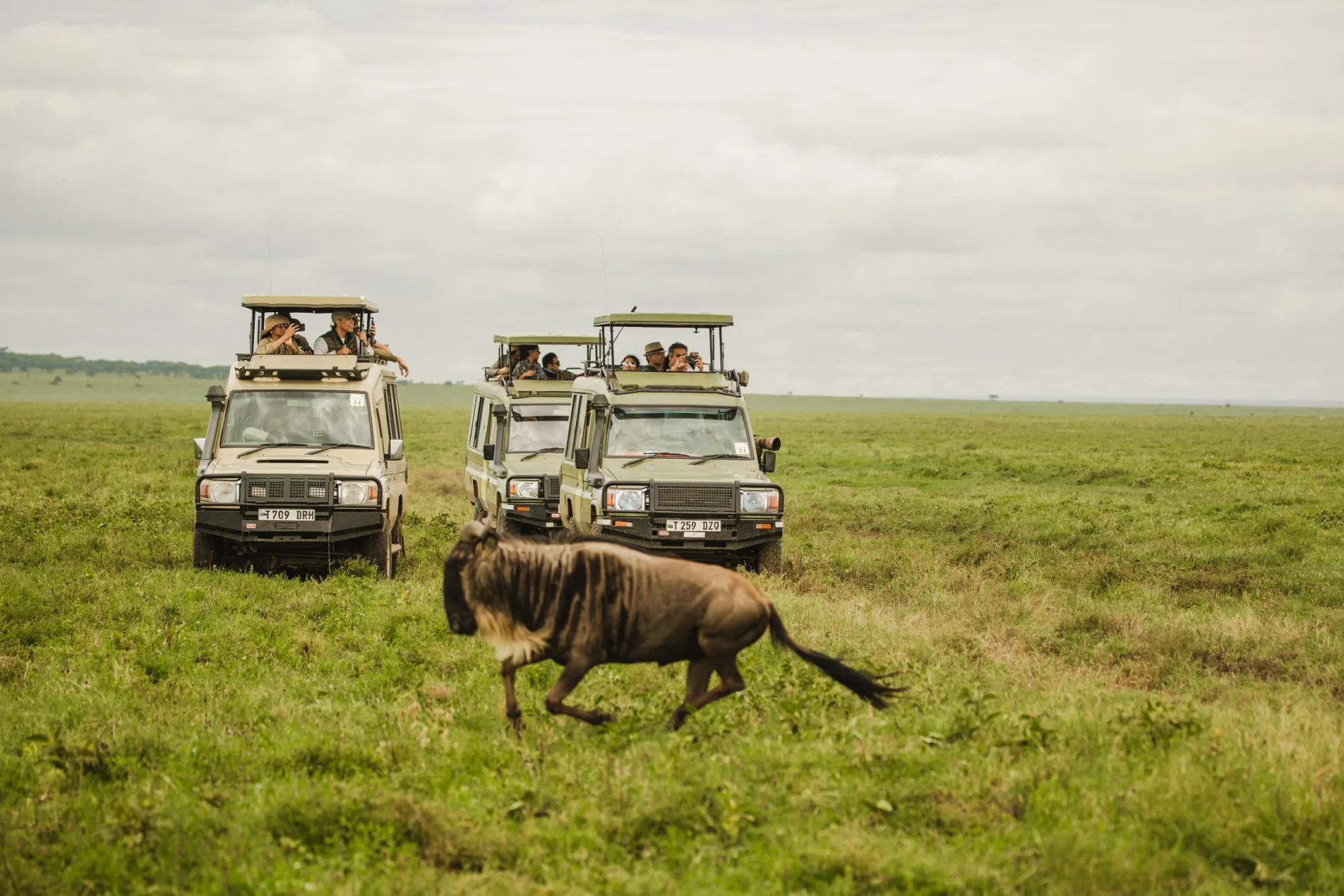
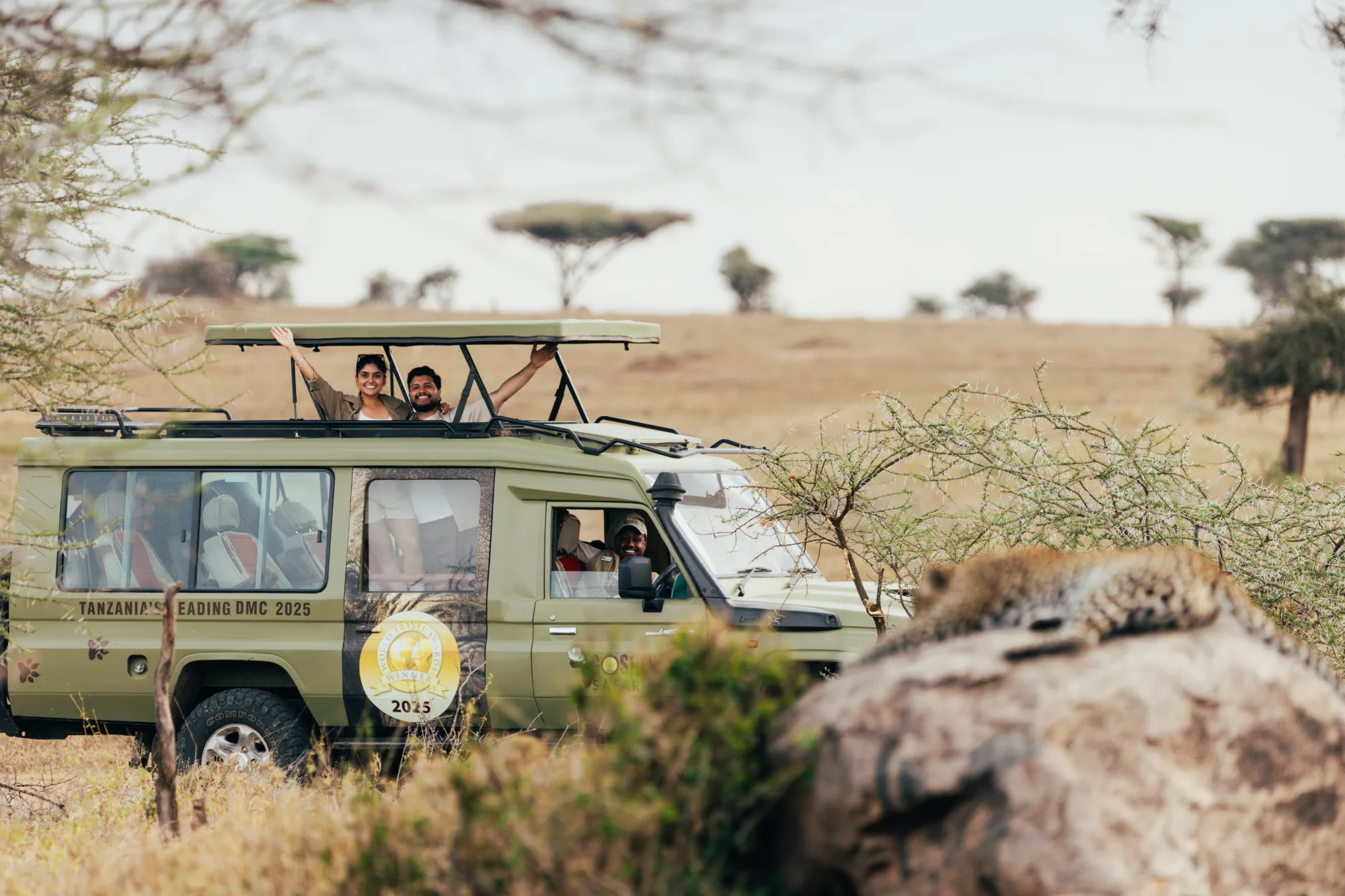
The standard way to explore the Serengeti and other parks is in a custom safari vehicle, usually a 4x4 with a pop-up roof for game viewing. Game drives start at around $100 per person for a half-day, with full-day excursions costing more, especially venturing deep into the central Serengeti or Ngorongoro Conservation Area.
Hot air balloon safaris are a popular add-on, more on pricing below. Airport transfers between Kilimanjaro Airport or Arusha and your lodge typically start at $50 per person, depending on distance and group size.
Factor transportation in alongside accommodation and park fees when you budget. Each mode, vehicle game drives, a balloon flight, or an airport transfer, adds its own cost to the total.
What You Actually Get for Your Money
A quality safari package from a reputable operator includes airport transfers on arrival and departure, all specified accommodation, all meals during the safari days (a good operator includes breakfast, a hot picnic lunch served in the field, and dinner, not a packed lunch handed through a car window), all park fees for every park and conservation area you visit, a private safari vehicle in good condition with a pop-up roof, a professional guide throughout, and bottled water in the vehicle.
What's not typically in the base price: international flights, travel insurance (a must, see below), visa fees (currently around $50-$100 for most US nationals), tips for guides and camp staff, add-ons like a hot air balloon safari (around $500-$600 per person), and personal spending on souvenirs or drinks. Some itineraries include a guided tour of Olduvai Gorge and its stone tools and hominid fossils, or offer it as an add-on.
Park and Conservation Fees: A Hidden Cost if You Don't Keep an Eye Out
Tanzania's park fees are among the highest in Africa and make up a big share of the overall cost. Serengeti National Park charges around $80-100 a day per person for international visitors. The Ngorongoro Conservation Area adds a separate crater service fee of around $70-80 per person per visit, on top of the standard conservation area fee. Lake Manyara National Park and Tarangire National Park cost a bit less but still add up. Don't forget the daily vehicle fee on top of the per-person fees.
On a 7-day northern circuit safari visiting 3-4 parks, total park fees per person can easily reach $500-800. These should be itemised and clearly listed in any quote. If an operator's per-person price looks suspiciously low, check whether park fees are included or billed separately; it's one of the most common ways travelers end up with a surprise on their final bill.
The Great Migration Premium: When You Go Matters
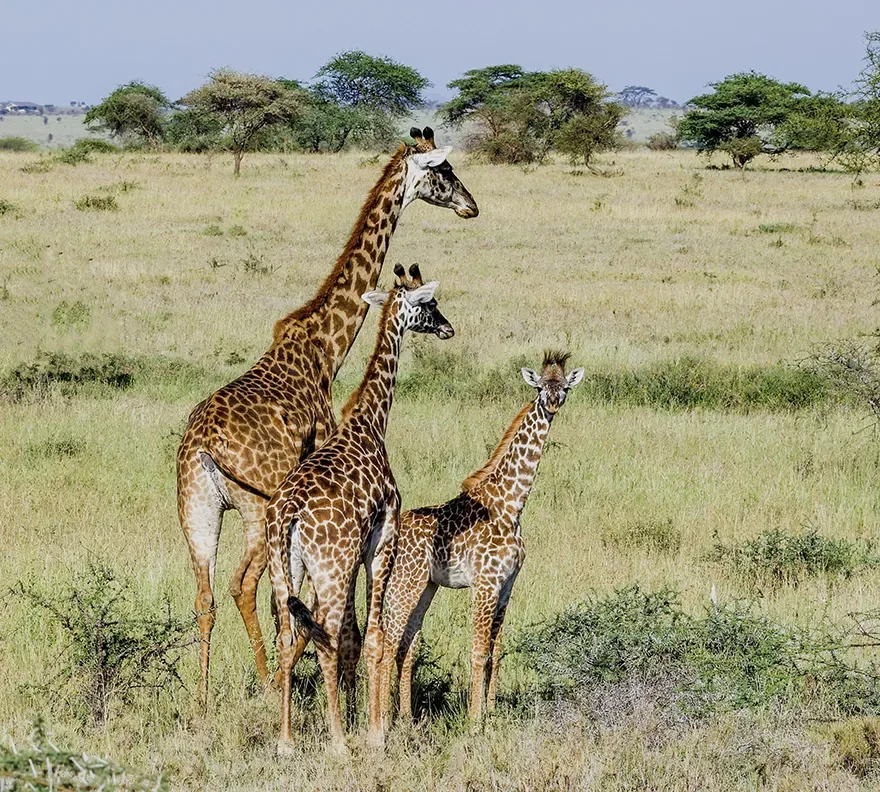
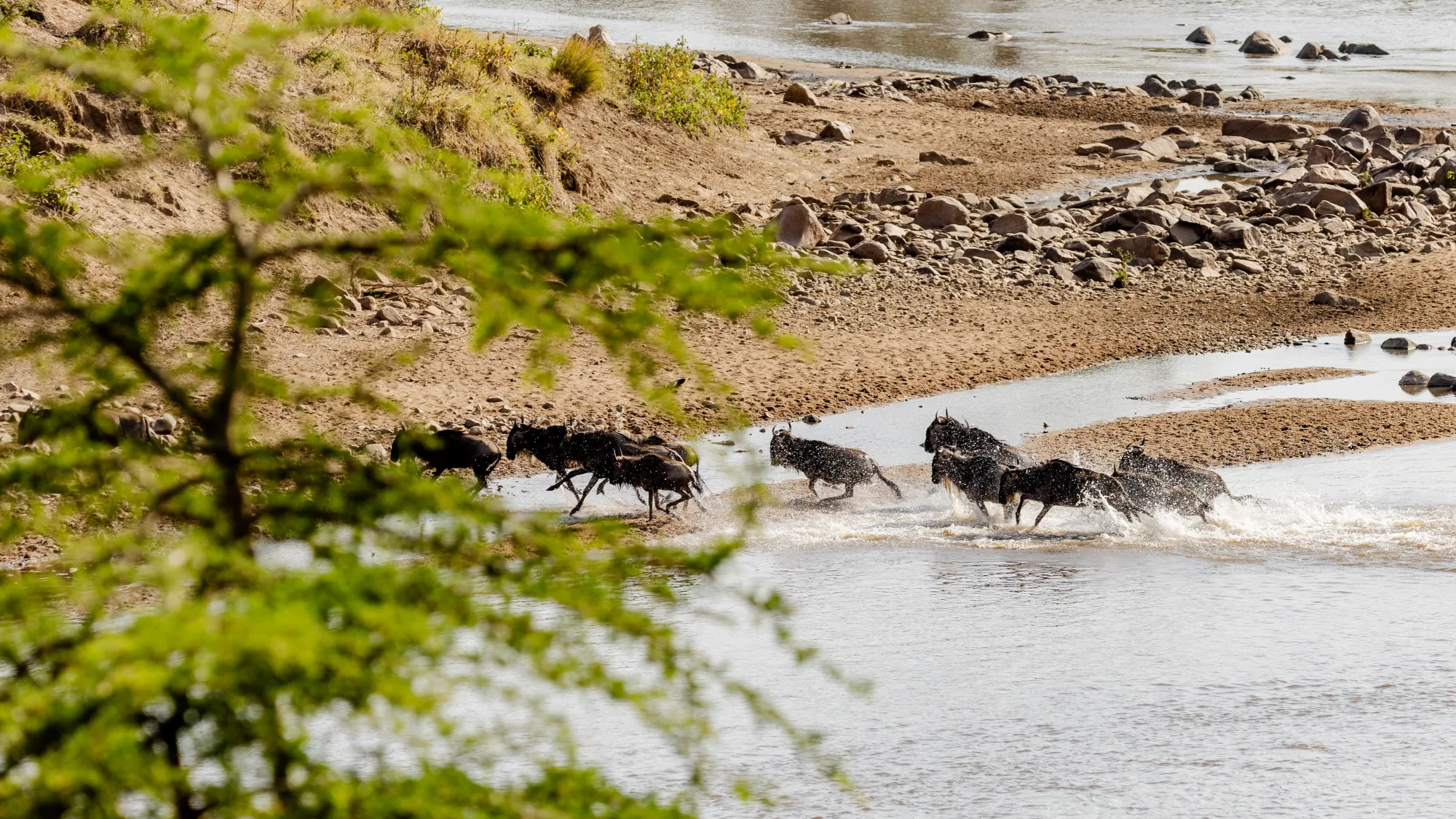
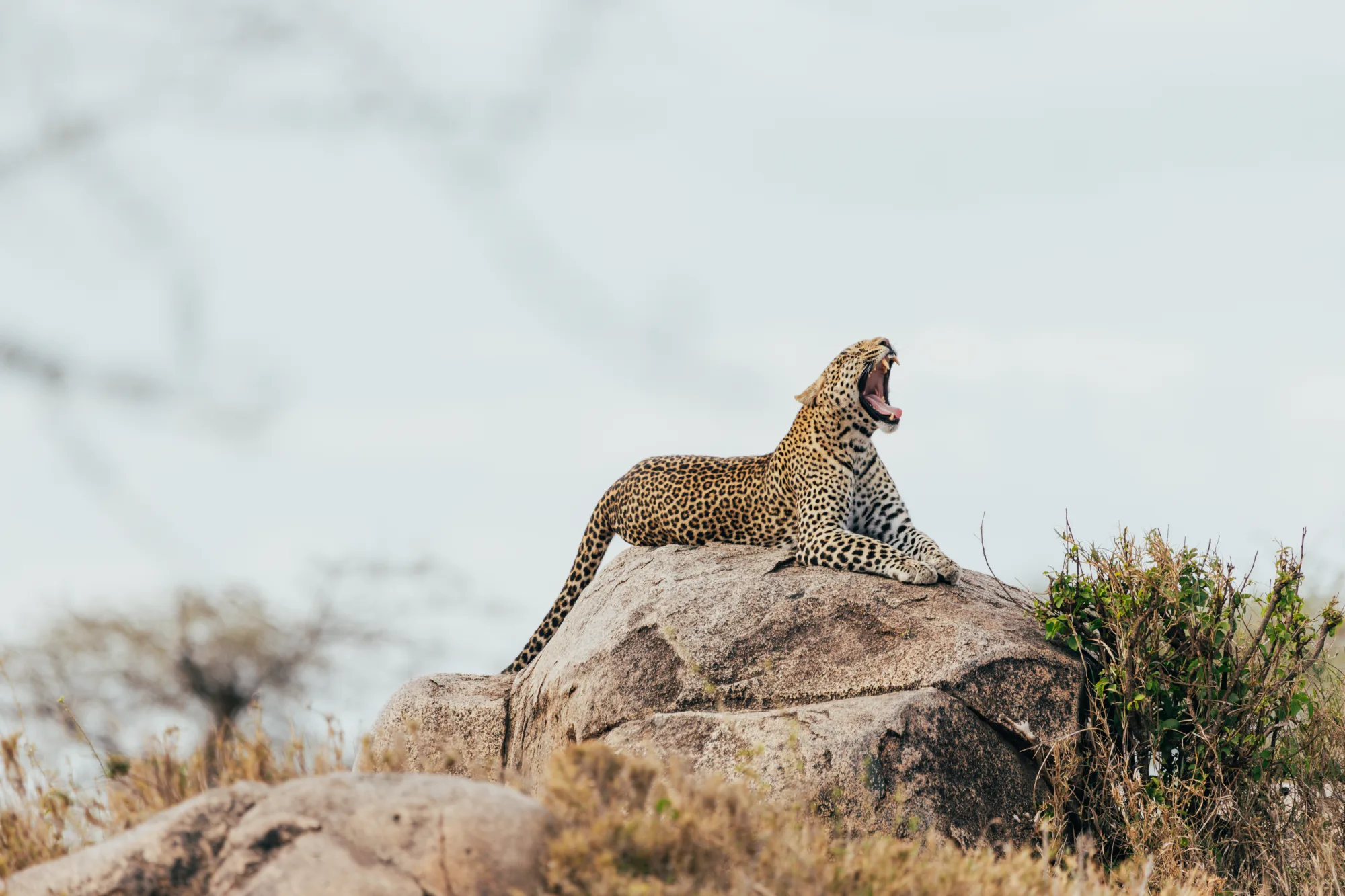
Tanzania is a year-round destination. The Serengeti's resident wildlife, lions, leopards, cheetahs, elephants and giraffes, is around regardless of season. But travel during the Great Migration, particularly the peak river-crossing period from July to October when over a million wildebeest funnel through the western corridor toward Kenya's Maasai Mara, and expect a premium price.
Peak-season accommodation at migration camps in the central Serengeti or western corridor runs up to 60% more than during the green season, November to March. Balloon safaris during peak season sell out fast, so book well ahead. The migration is something else to see, those river crossings are unlike anything else on the continent, but budget for the price tag that comes with them.
The green season has its own case: accommodation prices drop, the plains are lush, and the calving season from January to March brings predator activity near Ndutu into overdrive as lions, leopards and cheetahs gather around newborn wildebeest. Early-morning game drives during calving season produce some of the most dramatic wildlife viewing of the year, at a lower price than the July to October peak.
Hot Air Balloon Safari: The Ultimate Splurge
A hot air balloon safari is the clearest splurge on a Tanzania itinerary: drifting above the Serengeti plains at sunrise, with wildebeest and elephant herds visible for miles in every direction.
Balloon safaris launch at dawn and run about an hour over the Serengeti or, where an operator offers it, the Ngorongoro Crater. A champagne breakfast out on the plains follows the landing. Expect to pay around $500-$600 per person, depending on location and season.
It's a splurge, but one many travelers say is worth it: a different view of the same wildlife spectacle, from a few hundred feet up.
Olduvai Gorge and Laetoli: Adding a Prehistoric Adventure
For travelers interested in history, adding Olduvai Gorge and Laetoli to a safari itinerary brings a different dimension to the trip. Known as the "Cradle of Mankind," Olduvai Gorge is one of the world's most significant archaeological sites, where researchers have uncovered stone tools and fossils dating back millions of years. A guided tour covers the discoveries that shaped our understanding of early human evolution.
Nearby Laetoli is known for footprints left by early hominids over 3.6 million years ago, preserved in volcanic ash.
Both sites combine easily with a Serengeti or Ngorongoro Crater safari. Guided tours typically run $100-$200 per person depending on length: a half-day tour of Olduvai Gorge alone runs around $150 per person, while a full-day tour that includes Laetoli runs closer to $250 per person.
Adding Kilimanjaro or Zanzibar: What It Adds to the Bill
Plenty of US travelers combine a Tanzania safari with a Kilimanjaro climb, a beach extension in Zanzibar, or both. A Kilimanjaro climb on the Machame Route (7 days) or Lemosho Route (8 days) adds around $2,000-$3,500 per person, covering guide and porter fees, park fees and accommodation in mountain huts or tents, plus all meals on the mountain. Budget separately for tips: guides and porters work long days in tough conditions, and $200-$300 per person is a reasonable amount.
A Zanzibar beach extension of 4-5 nights adds roughly $800-$2,500 per person, depending on accommodation, from guesthouses in Stone Town to beachfront resorts on the north or east coast. Flights between Kilimanjaro Airport or Arusha and Zanzibar run $150-$250 per person one way. A full "bush to beach" trip, 7 days of safari plus a Zanzibar extension and domestic flights, comes to roughly $5,000-$9,000 per person all-in, excluding international airfare.
The Non-Negotiables: Travel Insurance, Tips, and Visas
Three costs outside the safari package itself aren't optional. Travel insurance covering medical evacuation is a genuine must for any Tanzania trip: a decent policy runs $150-$350 per person for a two-week trip, depending on age and coverage level. Without it, medical evacuation from a remote conservation area can cost $30,000-$50,000, more than the entire trip, which is why insurance ranks right behind flights and the safari itself on your budget.
Tips for guides, drivers and camp staff are part of the travel budget too, not an optional extra. A guide working full days across several parks earns the tip: budget $15-$20 per day per person for guides and $5-$10 per day per person for camp staff. For a 7-day safari with two travelers, that's roughly $200-$400 in total gratuities.
Getting a Tanzania visa is straightforward and can be done online in a few minutes. Apply in advance through the e-visa portal rather than on arrival, and check the official Tanzania immigration website for the current fee and requirements before you travel.
The Real Cost: What to Budget as a US Traveler
Here's a rough estimate for a 7-8 day mid-range Tanzania safari with a 4-night Zanzibar extension, for two travelers, covering flights, the trip itself and everything else you'll need.
Cost Breakdown
| Cost Item | Estimated Cost (Per Person) |
|---|---|
| International flights (economy, US East Coast) | $1,400-$2,000 |
| 7-8 day mid-range Tanzania safari package (incl. park fees) | $3,000-$5,000 |
| 4-5 night Zanzibar extension + internal flights | $1,200-$2,800 |
| Travel insurance (with medical evacuation) | $150-$350 |
| Visa fee | $50-$100 |
| Guide and camp staff tips | $200-$400 |
| TOTAL ESTIMATE | $6,000-$10,500 per person |
Is that a lot of money? Yes, on the face of it. But set against a dawn game drive across the Serengeti, a day at the Ngorongoro Crater with elephants moving below the rim, a visit to Olduvai Gorge, and sunsets over the Rift Valley, most travelers who've done the trip say it holds up. The variable that matters most is the operator. We keep our quotes itemised and transparent, no hidden fees, no surprises once you're on the ground, and build a Tanzania package around your budget and what you want out of the trip, whether that's a first mid-range safari or a fully private luxury one. Start the conversation early, be upfront about your budget, and we'll build something that fits it.
Curated Journeys
Safaris to Inspire This Journey
Handcrafted itineraries that bring this story to life.
Where You'll Stay