
The Low-Down
If you’re after the ultimate African family experience, Tanzania is the way to go. As a country, Tanzania offers a rich variety of family travel experiences, from thrilling wildlife safaris to vibrant cultural encounters and relaxing beach escapes. Just imagine your little ones watching a million wildebeests thunder across the golden plains, spotting lions lounging under acacia trees and then unwinding on Zanzibar’s stunning white beaches – all within a fortnight.
This guide is specifically for families with kids and teens planning a 10-14 day trip that combines the incredible Great Migration (which takes in the Serengeti and Ngorongoro Crater) with a relaxing beach break in Zanzibar. Whatever your little ones are like, whether they’re curious 8-year-olds or adventure-seeking teens, we’ve got the low-down on timing, routes, sample itineraries, accommodation, activities, health and safety and budgeting to make your family safari one to remember.
Why Tanzania’s Great Migration Is A Killer Experience For Families
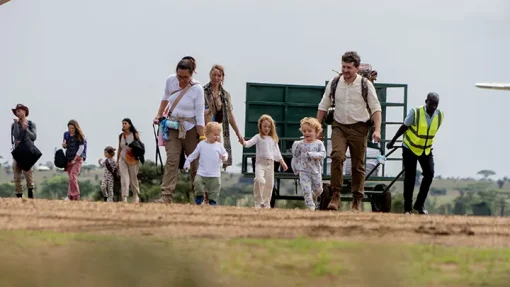
The Great Migration is one of the most epic wildlife spectacles on the planet – every year 1.5 million wildebeest, 200,000 zebras and countless gazelles make a 500-mile journey through the Serengeti in search of fresh grazing land. And for your kids, witnessing all this incredible wildlife up close is an education like no other.
Tanzania gives families loads more Migration viewing time than Kenya – the herds do cross into Kenya’s Maasai Mara for a bit, but a big chunk of the time they stay put in Tanzania’s Serengeti:
| Season | Location | What Families See |
|---|---|---|
| December–March | Southern plains (Ndutu) | Calving season, baby wildebeest, predator action |
| April–June | Western Corridor | River crossings begin, green landscapes |
| July–October | Northern Serengeti | Dramatic Mara River crossings, peak concentrations |
| November | Central Serengeti | Herds moving south, fewer crowds |
What Tanzania has to offer families includes:
- Wildlife Galore : lions, cheetahs, elephants, giraffes and the Big Five are all right there in front of you
- Easy Peasy Logistics : Kilimanjaro International Airport is where it’s at for getting to the northern safari circuit
- Child-Friendly Lodges : loads of camps offer family rooms and suites, as well as kids clubs and activities
- Learning Opportunities : your kids can learn about predator-prey dynamics, weather patterns, Maasai culture and conservation challenges like poaching and losing habitat
You can tailor your game drives to suit your family – shorter 2-3 hour morning drives are perfect for little ones, while teens can go for longer adventures or even a hot-air balloon ride over the Serengeti. And with private vehicles, you’re free to head back to camp whenever the little ones need a nap.
When’s The Best Time To See The Great Migration In Tanzania With Kids?
Timing is everything for a family Great Migration trip – it’s all about what you want to see : calving, river crossings, or just loads of wildlife that’s easy to spot.
The Great Migration isn’t a one-off event – it’s a constant journey of wildebeest and other animals following the rainfall across the Serengeti. Knowing this cycle will help you pick the best time for your trip.
December-March: Calving Season (Southern Serengeti & Ndutu)
For families after baby animals and some real predator action, calving season is the place to be. Between late January and early March, an estimated 250,000 baby wildebeest are born on the open plains of Ndutu. The flat landscape makes spotting wildlife a breeze, and the scenery is a photographer’s dream.Best for families looking for a real baby animal show, with shorter drives and some easy accessibility – and who don’t mind a slightly smaller crowd.
Considerations: Some camps in this area are no-muss, no-fuss seasonal tented affairs that may not be ideal for very young kids. February and early March are the best times to see the Great Migration’s most adorable action.
June–October: River Crossings (Western & Northern Serengeti)
In the dry season, things get a lot drier and a lot less buggy, and the roads are in far better shape, making it the perfect time to witness those jaw-dropping river crossings in the northern Serengeti. Between July and September, herds of wildebeest make multiple crossings of the Mara River, creating those iconic safari moments that everyone’s talking about.
Best for older kids who can deal with long days waiting near the river with a pair of binoculars, families who want easier logistics, and those who are already on holiday from school.
Considerations: The river crossings can be pretty intense – there are those rather unsavory looking crocodiles just waiting to catch any stragglers, and some kids may find it all a bit too much to handle, so it’s worth having a chat about it with your family beforehand.
Shoulder Seasons: April–May and November
You’ll get the best deals and see fewer tourists, but you will have to put up with a bit more rain and the odd muddy road. The ‘long rains’ of April–May can make some areas impassable, while November sees a lot of shorter afternoon showers as the herds start to make their way south.
Best for families with older kids who can handle a bit of unpredictability and don’t mind splashing around in the mud.
School Holiday Alignment
| Holiday Period | Migration Location | Recommendation |
|---|---|---|
| UK/US Summer (July–August 2026) | Northern Serengeti | Target Mara River crossings + Zanzibar beach |
| Easter (April 2026) | Western Corridor | Possible crossings, greener landscapes |
| December Holidays | Southern Serengeti | Early calving, festive safari atmosphere |
| February Half-Term | Ndutu | Peak calving season |
Planning Your Route: Ngorongoro, Serengeti & Zanzibar
Most family trips follow a fairly logical route: fly into Kilimanjaro International Airport near Arusha, explore the Ngorongoro Crater area, then head into the Serengeti, finishing off with a well-deserved beach break in Zanzibar – either by flying from Arusha or direct from the Serengeti airstrips.
Families planning a broader Southern Africa adventure often include highlights like Etosha National Park in Namibia for incredible wildlife viewing, Boulders Beach in Cape Town for up-close penguin encounters, and the thundering Victoria Falls in Zimbabwe as must-see destinations.
This way you’ve got the least amount of backtracking and can build in some rest days at the right times.
Ngorongoro Crater for Families
The Ngorongoro Crater is a UNESCO World Heritage site and one of Africa’s most incredible natural habitats. This ancient volcanic caldera is a massive 100 square miles and home to an utterly staggering array of wildlife – over 30,000 animals including 25 critically endangered black rhinos.
Recommended stay: 1 or 2 nights should do it
Why families love it: you’ve got a really good chance of spotting the Big Five in one day, it’s a contained environment that feels manageable, and the scenery is just stunning
Practical tips:
- The crater rim is at 2,300 meters elevation – a pretty reasonable 10% of visitors experience a bit of a headache
- Get up early, the crater can get pretty crowded by mid-morning
- Have a think about staying in Karatu for some more affordable, family-friendly lodges with gardens and pools
Serengeti for Families
Serengeti’s the place where the Migration magic really happens across an area that’s a whopping 5,700 square kilometers.
Recommended stay: 3 to 5 nights – you want to give yourself enough time to soak up the atmosphere
Critical consideration: the camp you choose needs to match your travel dates:
| Your Travel Dates | Recommended Serengeti Area |
|---|---|
| January–March | Ndutu (southern Serengeti) |
| April–June | Central Seronera, Western Corridor |
| July–October | Northern Mara/Kogatende |
| November | Central Seronera |
Connecting to Zanzibar
Zanzibar’s just a 1.5-hour flight from Arusha or the Serengeti airstrips, making it the most convenient beach add-on for families. Here are a few common routes to consider:
- Morning flight from Seronera Airstrip or Kogatende to Arusha, then on to Zanzibar the same day
- From Kilimanjaro Airport after an overnight rest in Arusha – recommended for families with younger kids
Important: internal flights will typically only allow soft bags with 15–20 kg per person, so pack light – no hard-shell suitcases.
Ideal Trip Length
For most families, 10–14 days is the sweet spot. Less than 7 nights can feel a bit rushed, especially with jet lag, while anything over 14 nights can start to feel a bit tiring and expensive – unless your family is utterly and completely safari-mad.
Sample Family Itineraries by Age Group
We’ve put together a few sample itineraries that you can adapt to suit your specific travel plans and requirements. Each one is designed around realistic pacing and suitable activities for the age group in question.
These itineraries showcase the diversity of activities and experiences available for families, from wildlife safaris to cultural encounters, ensuring there is something to engage every type of traveler.
10-Day Itinerary for Families with Children Ages 7–10
This one prioritizes manageable drive times, fun activities and lots of rest, making it perfect for families with kids in this age group. Some activities, such as longer game drives or certain adventure options, may be more suitable for older children.
| Days | Location | Focus |
|---|---|---|
| 1–2 | Arusha | Arrival, rest, coffee farm visit or cultural center |
| 3–4 | Ngorongoro/Karatu | Crater descent, Maasai village visit |
| 5–7 | Central or Southern Serengeti | Morning and afternoon game drives, midday pool time |
| 8–10 | Zanzibar (Nungwi or Kendwa) | Beach resort with kids’ club, snorkeling, Stone Town |
Relax on the beach at a family-friendly resort, snorkel in the crystal clear waters and explore the narrow streets of historic Stone Town
Best for: Families with young kids who need a break from the action, first-timers to safari and anyone after a perfect balance of adventure and relaxation.
12-14 Day Itinerary for Families with Teens
Teens love a challenge so this itinerary packs in some tough adventures and real cultural immersion, all led by knowledgeable guides who ensure safety and provide deeper learning throughout each activity.
| Days | Location | Focus |
|---|---|---|
| 1–2 | Arusha | Arrival, optional Kilimanjaro lower slopes hike |
| 3–4 | Lake Manyara or Tarangire | Elephants, baobabs, walking safari introduction |
| 5–8 | Northern Serengeti | Extended game drives, optional hot-air balloon safari, photography workshop |
| 9–10 | Ngorongoro | Crater, Maasai cultural homestay with traditional jumping dances |
| 11–14 | Zanzibar | Diving certification at Kendwa, kite surfing at Paje, Stone Town history tour |
Best for: Teenagers who are looking for adventure, families who don’t mind putting in the extra miles and anyone after an in-depth cultural experience alongside some amazing wildlife encounters.
Calving Season Itinerary (Late January-February)
| Days | Location | Focus |
|---|---|---|
| 1–2 | Arusha | Arrival and acclimatization |
| 3–5 | Ndutu (Southern Serengeti) | Calving plains, baby wildebeest, predator action |
| 6–7 | Ngorongoro | Crater day trip, evening stargazing |
| 8–12 | Zanzibar | Extended beach relaxation, spice farm tour |
Best for: Families who are after a baby animal fix, those who prefer shorter drives and open plains and anyone after a quieter time of year.
July-August River Crossing Itinerary
| Days | Location | Focus |
|---|---|---|
| 1 | Arusha | Arrival |
| 2–3 | Lake Manyara or Tarangire | Elephants, flamingos, baobab forests |
| 4–7 | Northern Serengeti (Kogatende) | Mara River crossings, big cats, hippo pools |
| 8–12 | Zanzibar | Beach, snorkeling, dhow sunset cruises |
Best for: Older kids and teens who can handle the long waits near the river and for families who want to seize the opportunity of school holidays.
Choosing Family-Friendly Camps, Lodges & Resorts
Accommodation choice is a big deal on a family safari. You need a place that is safe, comfy and has a great atmosphere – without necessarily being on the action.
For families looking for a more immersive wilderness experience, camping is a fantastic option. Bush camping under the stars allows families to connect with nature and enjoy the adventure of sleeping outdoors in Africa’s stunning landscapes.
What to Look for in Safari Lodges
| Feature | Why It Matters for Families |
|---|---|
| Family tents or interconnecting rooms | Kids sleep close but parents have space |
| Flexible meal times | Early dinners for tired children |
| Child-friendly guides | Engaging explanations, patience with questions |
| Shorter drive options | Prevents meltdowns on long bumpy roads |
| Pool or recreation area | Essential for midday breaks |
Important: A lot of camps restrict very young kids (usually under 6-7) for safety and practical reasons. Check the age minimums before you book.
Some camps in the central Serengeti around Seronera have great family tents, while some northern Serengeti camps near Kogatende have age minimums due to remote locations and logistics.
Zanzibar Resort Considerations
When heading to the beach, look for:
- Swimmable beaches with gentle waves: Nungwi and Kendwa are the best spots on the north coast for families to swim
- Pools with shallow areas: Little ones need a shallow pool to splash about in
- Kids’ clubs and babysitting services: A kids’ club or babysitter can give you some well-deserved adult time
- Flexible room configurations: Family rooms, adjacent rooms or villas work a lot better than just singles for families with younger kids
Balancing Adventure and Comfort
Consider combining different accommodation styles:
- 3 nights in a tented camp: Experience the great outdoors, hear the night sounds of the bush and fall asleep to the calls of wildlife in the African bush
- 2-3 nights in a solid lodge: Proper beds, a bigger bathroom, more space for families with younger kids
Before you book, always ask the lodges about:
- Minimum ages for walking safaris or night drives – usually there are age restrictions for these activities
- Car seat or booster seat availability – usually not provided so bring your own
- Food allergy accommodations and options for fussy eaters
Activities for Kids & Teens on Safari
A good family safari is more than just sitting in a 4×4. It’s about getting kids involved and active, with a mix of wildlife viewing, hands-on activities and cultural experiences that they’ll remember for life. Engaging with local communities allows families to learn about unique customs and traditions, participate in ceremonies, and gain a deeper understanding of the region’s heritage.
Classic Game Drive Experiences Easier Morning and Afternoon Drives for younger kids (2–3 hours instead of 5–6 hours )
- Breaks in the Midday at camp for swimming, naps, and some board games
- Talks with the Young Rangers where guides give a rundown on animal tracks, who left that big pile of poop, and how the animals behave
- Visit a Chimpanzee Sanctuary to observe rescued chimps and learn about their rescue and rehabilitation efforts
Some lodges have structured kids’ programs. Singita Grumeti has a mini rangers program for kids as young as 6, where they get to learn tracking skills, animal habits, and conservation ideas through hands-on stuff.
What to Expect for Different Ages
For younger kids (6–10) :
- Going tracking with a guide in the dirt around camp
- Playing some simple Swahili games with the camp staff
- Keeping a wildlife drawing journal and checking off the animals we spot each day
- Bush craft sessions to find out about birds and plants
For tweens (10–12) :
- Visiting some Maasai homes near Ngorongoro to learn about their traditional houses and crafts
- Getting some basic photography skills with a guide
- Spending some time gazing at the stars with a laser pointer to find out the constellations
For teens (13+) :
- Taking a sunrise hot-air balloon ride over the Serengeti ( usually about $600 per person for an hour in the air )
- Doing a full-day game drive with a picnic lunch in the bush
- Doing a walking safari in some special areas ( age limits usually 12–16+ )
- Night drives to see some of the nocturnal leopards – the Serengeti has about 3,000 of them
The Magic of “Nothing” Time
Some of the best memories are made when we do absolutely nothing – pool time, card games, campfire stories, and just watching wildlife wander by the tent.
Make sure to build in at least one full rest day during your safari part – exhausted kids just aren’t that into wildlife – they get pretty cranky
Get The Kids Involved
Let the kids have a say in the planning:
- Older kids can decide between a balloon ride or extra game drives
- Younger kids can help keep a wildlife checklist or draw pictures in their journal
- Everyone can learn 10 Swahili phrases before we leave
Tackling Zanzibar with the Family
Zanzibar is the perfect add on to a Tanzania safari – a spice island that’s just a 1.5 hour flight away, with white sand beaches, a rich history, and a chance to unwind after all those early mornings and dusty game drives.
| Area | Beach Character | Best For |
|---|---|---|
| Nungwi/Kendwa (North) | Wide beaches, swimmable at all tides | Families wanting easy beach access, sunset cruises |
| Paje/Jambiani (East) | Shallow lagoons, windy conditions | Older kids interested in kite surfing |
| Michamvi (Southeast) | Quieter, boutique atmosphere | Families seeking tranquility |
How Long to Stay
4–6 nights usually does the trick – long enough to relax, but not so long that the kids get bored. After a 4-7 day safari, everyone needs at least one pure “do nothing” day by the pool when we arrive.

What to Do With the Kids in Zanzibar
- Take a snorkelling trip to Mnemba Atoll : over 400 fish species hang out there
- Sunset dhow cruises : exactly like the ones the ancient traders used – suitable for older kids and teens
- Spice farm tours : the kids get to smell and taste the good stuff – cinnamon, cloves and vanilla, while learning about the island’s trading history
- Stone Town walking tours : we adjust the length to suit the kids’ attention spans – old fort, Wonders house, and ice cream stops
- Jozani Forest monkey trek : spot some rare red colobus monkeys ( only about 1,500 left in the world )
- Visit a turtle sanctuary ( some even let the kids release baby turtles )
For tips on what to pack for your trip, see this safari packing advice and checklist.
Adventurous families can also consider a helicopter ride for a unique aerial view of the region, such as over Victoria Falls, to add an unforgettable experience to their Africa family travel.
For Older Kids and Teens
| Activity | Minimum Age | Notes |
|---|---|---|
| PADI Junior Open Water diving | 10 | Check with local operators |
| Kite surfing lessons | Typically 12+ | Paje offers steady winds |
| Deep-sea fishing | Varies | Usually teens preferred |
| Scuba certification | 10+ | Available at Kendwa Rocks |
Being Respectful of Local Culture & Staying Safe
- Dress modestly away from the resort, especially in Stone Town and villages
- Keep an eye on the kids around pools and boats
- The coastal climate’s pretty humid, so make sure they drink plenty, and don’t forget the suncream
- Reef-safe sunscreen for snorkelling
Safeways to Have a Family Safari
There’s hundreds of families that go to Tanzania and Zanzibar each year without a hitch. Just make sure to get a few things right beforehand – especially the health and safety bit. If you’re considering other destinations, a Botswana safari is also an incredible option for families.
Malaria and Vaccinations
Most of Tanzania is in a malaria zone, and while Zanzibar has less risk, there is still some. Every family member needs protection
The key things to do:
- Get in touch with a travel medicine clinic 6–8 weeks before you go
- Get prescriptions for antimalarials that are suitable for each family member’s age* Discuss recommended vaccinations: Yellow Fever (it’s a must) and Hepatitis A; also consider shots for Typhoid, plus get any routine boosters that are due
Safari Safety Basics for Your Kids
Before you go on this wild adventure, teach your younglings these rules – don’t bother telling them ‘suggestions’ – they need to know the hard facts:
- Never go tearing around the camp at night – you don’t want some curious animal to think its a playmate
- Stick close to a grown-up when you’re being escorted between areas by staff; don’t disappear into the savannah
- Keep those limbs inside the vehicle when you’re on a game drive – no tempting a lion to play a game of ‘spot the person sticking out’
- Listen to the guide – they’re not going to joke about anything – they’re there to keep you safe
Age Minimums and Rules – what you need to know
Some lodges have rules about how old you need to be to join in on the fun, especially if they offer Maasai village visits as part of their activities:
| Activity | Typical Minimum Age |
|---|---|
| Standard game drives | 6–8 years |
| Walking safaris | 12–16 years |
| Hot-air balloon safaris | 7–8 years (height/weight may apply) |
| Night drives | 8–12 years |
Managing Motion Sickness and Fatigue – so it doesn’t ruin your trip
- Don’t travel without some motion sickness remedies – the roads are bumpy and guaranteed to give you a headache
- Plan regular breaks when you’re out driving around
- Don’t overdo it – try not to stack up too many long drives on consecutive days
- Let your body recover after that long flight – don’t be in a rush to get on with your safari
Travel Insurance and First Aid – a few things to be aware of
Get comprehensive travel insurance that covers you for:
- Medical evacuation – make sure it’s at least $100,000; you never know what might happen\
- Trip interruption – be prepared for the unexpected\
- And don’t forget to cover safari activities and non-motorized water sports
Carry a basic first aid kit for the family – plasters, antiseptic, oral rehydration salts, pain killers for the kids and a thermometer.
Budgeting & How Long to Stay – all those dollars and cents
A Great Migration safari and some time on Zanzibar beach is a big investment, but the memories will last a lifetime. Budgets vary depending on the time of year you go and where you stay.
Budget Ranges – where the money goes
| Category | Approximate Daily Cost Per Person |
|---|---|
| Mid-range family safari (Tanzania) | $400–$700 |
| Luxury family safari (Tanzania) | $800–$1,500+ |
| Zanzibar beach days | $150–$400 |
| Peak season premium | 20–40% higher |
Peak months (July–September, late December–early January) command the highest prices.
What Drives Up the Cost
- Internal flights – Serengeti to Arusha to Zanzibar – they’re not cheap
- Park fees – entry to the Serengeti and Ngorongoro National Parks can add up – kids often get a discount but it’s not always free
- Private vehicles – they are convenient but come at a cost
- Accommodation tier – you can choose from tents, permanent lodges or luxury villas – they don’t come cheap
How Long to Stay for – the ideal trip length
| Trip Length | Assessment |
|---|---|
| 8–10 nights | Bare minimum; feels rushed but doable |
| 10–14 nights | Ideal for most families |
| 14+ nights | Excellent if budget allows; add side destinations |
If you’ve got the budget for it, 14+ nights will give you plenty of time for the safari, some beach time and maybe even some extra side trips for good measure
If you’ve got very young kids though, consider a shorter safari (3-4 nights) combined with a longer beach stay – that way everyone gets a bit of a break
How to Save Money – some helpful tips
- Travel in the shoulder season – June or October are great months for the weather and the prices are lower
- Mix and match accommodation tiers – a bit of luxury here and a simpler lodge there can save you some dollars
- Family specials – many camps and lodges have special deals for families – just ask
- Multi-generational groups – if you’re traveling with grandparents or another family, booking several rooms or a private villa can save you some money
Packing & Preparing Your Kids for the Trip – make it fun
Packing smart is key to a stress free trip. And make sure you get your kids involved in the packing process too – it builds their excitement and teaches them about responsibility.
Clothing Essentials – what to pack
| Item | Quantity | Notes |
|---|---|---|
| Neutral-colored t-shirts | 4–5 | Avoid bright white (gets dusty) and blue (attracts tsetse flies) |
| Lightweight long sleeves | 2–3 | Evening mosquito protection |
| Fleece or light jacket | 1 | Mornings can be cool June–August |
| Wide-brimmed hat | 1 | Sun protection on game drives |
| Closed shoes | 1 pair | For game drives and walking |
| Sandals | 1 pair | For beach and lodge |
| One nicer outfit | 1 | Some lodges have dress codes for dinner |
Sun and Bug Protection – the essentials
- High SPF sunscreen that’s safe for the reef
- After-sun lotion to soothe the skin
- Some child-safe insect repellent
- Light long sleeves and trousers for the evenings
- A buff or scarf for dust protection on game drives
Comfort and Entertainment for the Kids
- A small backpack for each child
- Refillable water bottles
- Binoculars – even kids can use them to spot some wildlife
- A camera or phone for the teens
- Some travel games, books or e-readers
- Download some movies or wildlife documentaries for the downtime
Important Documents – don’t leave home without these
- Passports with at least six months validity
- A printed copy of your travel insurance
- Your vaccination certificates – Yellow Fever might be checked at some border crossings* Parental consent letters, if one parent is off on an adventure with the kids alone
Getting Kids in the Right Mindset
Before setting off: consider exploring our 6 Days Okavango Delta, Chobe And Victoria Falls Safari for an unforgettable adventure.
- Crack out some books about African safaris and the wildlife that live there that are right for their age – will make the trip all the more exciting
- Have a watch or two on documentaries about the Serengeti and Zanzibar – they’ll get a great taste for what to expect
- Have a chat about the dos and donts of the trip (staying quiet around animals, for example) and why these are important – kids who are on board with the rules are much more likely to behave themselves on the trip
- Get them familiar with a pair of binoculars
- Teach them some Swahili phrases – it’s a great way to get them learning about the local culture and having a bit of fun along the way
Kids who feel like they understand the rules are more willing to buy in and make the most of the trip.
Q&A – Family Travel in Tanzania
How does Tanzania compare to other African safari destinations for family travel?
Tanzania is probably the most well-established safari destination in East Africa, with loads of experienced guides and lodges that have been around for decades – you’ll feel really safe and well looked after. Yes, there are some general precautions you should take in cities like Arusha and Zanzibar, like keeping valuables safe and not walking alone at night, but that’s the same pretty much anywhere you travel.
Compared to some of the other big safari destinations like South Africa (which has loads of malaria-free options like Kruger National Park and near Cape Town) Tanzania requires a bit more planning and preparation, but the reward is the truly spectacular Great Migration, considered one of the world’s most spectacular wildlife events. If you’re looking for other family-friendly options to consider, places like Botswana (the Okavango Delta is just amazing), Zambia (they’ve got some incredible walking safaris and Zambezi River experiences, and of course Victoria Falls is a must see) and Zimbabwe (Victoria Falls is another one of those must sees, and they’ve got some great helicopter rides on offer) are all worth looking at, but Tanzania really is the best place to see the Great Migration.
Can we cram in a Kilimanjaro trip for the teens, as well as the Great Migration and Zanzibar?
If you want to climb Kilimanjaro, it’s a serious commitment – you’re talking a minimum of 6 days on the mountain, and you need to be in pretty good physical shape to make it. If you’re looking at adding this onto a 10-12 day family safari, it’s going to be a pretty packed trip and might leave the teens feeling a bit burnt out.
But what you can do, if you’ve got a teen who’s up for an adventure, is to take them on a 1 day hike on the lower slopes of the mountain. You can get some great views of the peak and walk through some beautiful montane forest, which should be an experience they’ll always remember.
What if my kid is a picky eater, or has some food allergies?
Most of the safari lodges and Zanzibar resorts are pretty good at handling simple Western-style food – pasta, grilled chicken, rice, chips and fresh fruit are all pretty standard on the menu. If your kid’s got some specific dietary needs – gluten-free, nut-free, dairy-free – it’s worth giving the lodges plenty of notice so they can make arrangements. And, just in case, don’t forget to pack some emergency snacks that your kid knows and loves.
Practical tips:
- Get in touch with the lodges when you’re booking and let them know about any dietary requirements\
- Confirm the arrangements with each place 2 weeks before you arrive\
- Keep some emergency medications on hand (like EpiPens and antihistamines)\
- Pack some snacks your kid is definitely going to eat, just in case
How far in advance should we start planning a Great Migration family trip?
If you’re looking at going during peak season (July-September is best for the river crossings, December-February is best for the calving) you’re going to need to book pretty far in advance – 9-12 months at the very least. There are only a limited number of family rooms and suites available at the top lodges, and they tend to get snapped up really quickly. Even if you’re looking at a shoulder season trip, it’s worth booking 4-6 months in advance, just in case.
Can young kids handle early morning game drives and long flights?
The key is to plan ahead and not try to do too much. If you’ve got a young kid, you might want to limit the length of the game drives to 2-3 hours, and make sure there are plenty of rest days built in along the way. And when it comes to flights, try to avoid the cheapest fares that come with multiple long layovers – just stick to something straightforward and easy to manage.
The main thing is to pace yourself. If you overdo it, the whole family is going to end up feeling frazzled and cranky – what you want is a family safari that feels like a real adventure, not a endurance test.
Ready to plan the Family Safari holiday?
Discover tailored safari experiences designed to bring an unforgettable exprience for everyone in the family—whether its chasing the Great Migration, flying over Tanzania’s wilderness, or witnessing the magic of the Serengeti.
Start planning with these popular safari options:
- Great Migration Overview: https://discover.goshenisafaris.com/great-migration-en/
- Tanzania Safari Experiences: https://discover.goshenisafaris.com/tanzania-safari-en/
- 5-Day Serengeti Great Migration Safari: https://discover.goshenisafaris.com/5-days-serengeti-great-migration-safari-en/
- 7-Day Great Wildebeest Migration Calving Safari: https://discover.goshenisafaris.com/7-days-the-great-wildebeest-migration-calving-safari-en/
- 7-Day Tanzania Wilderness Safari: https://discover.goshenisafaris.com/7-day-tanzania-wilderness-safari-en/
- 5-Day Tanzania Mid-Range Safari: https://discover.goshenisafaris.com/5-days-tanzania-mid-range-safari-en/
- 5-Day Wildebeest Calving Safari: https://discover.goshenisafaris.com/5-days-wildebeest-migration-calving-safari-en/
- 7-Day Great Serengeti Migration Safari: https://discover.goshenisafaris.com/7-days-the-great-serengeti-migration-safari-en/
Your next unforgettable safari begins here.


