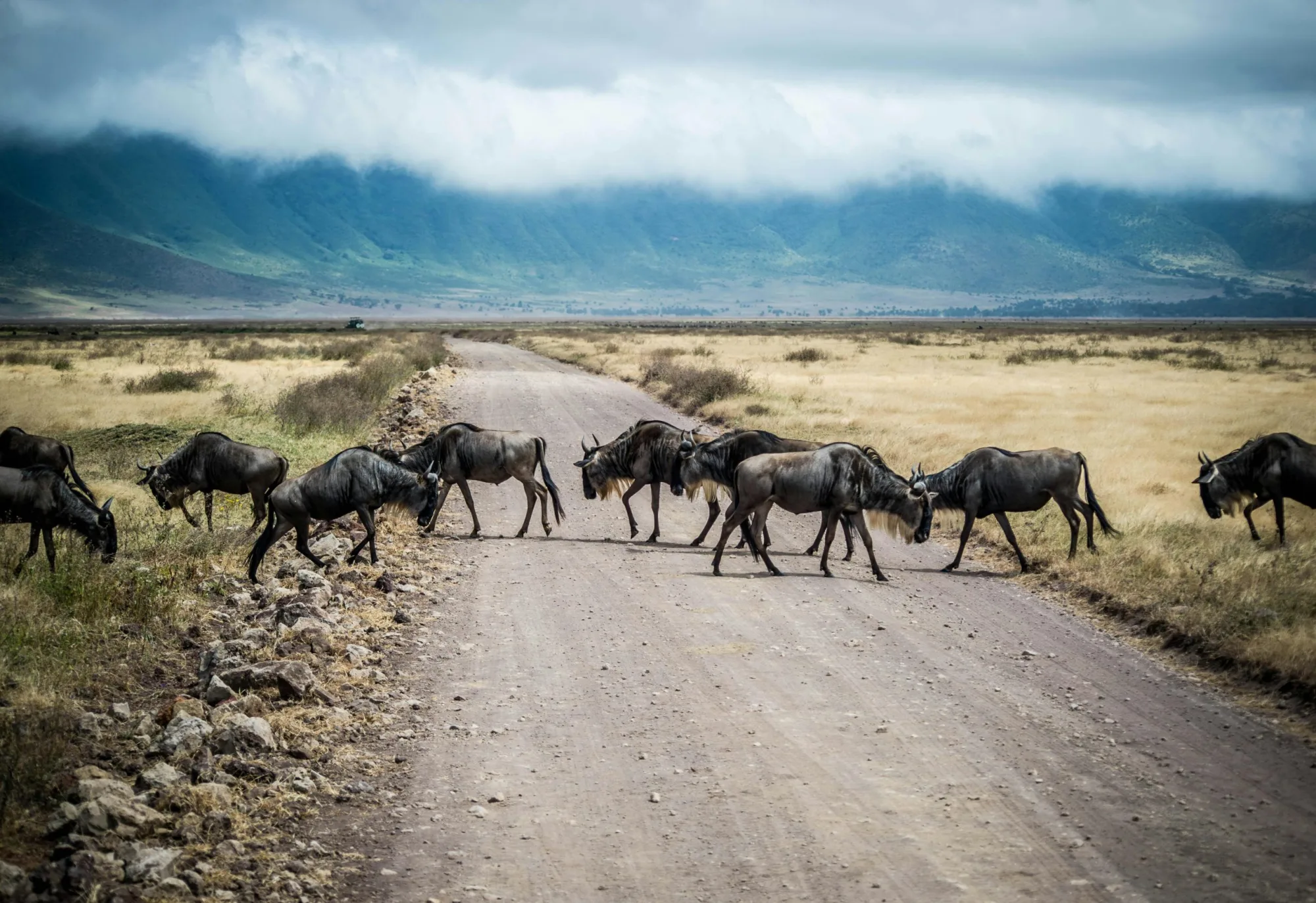

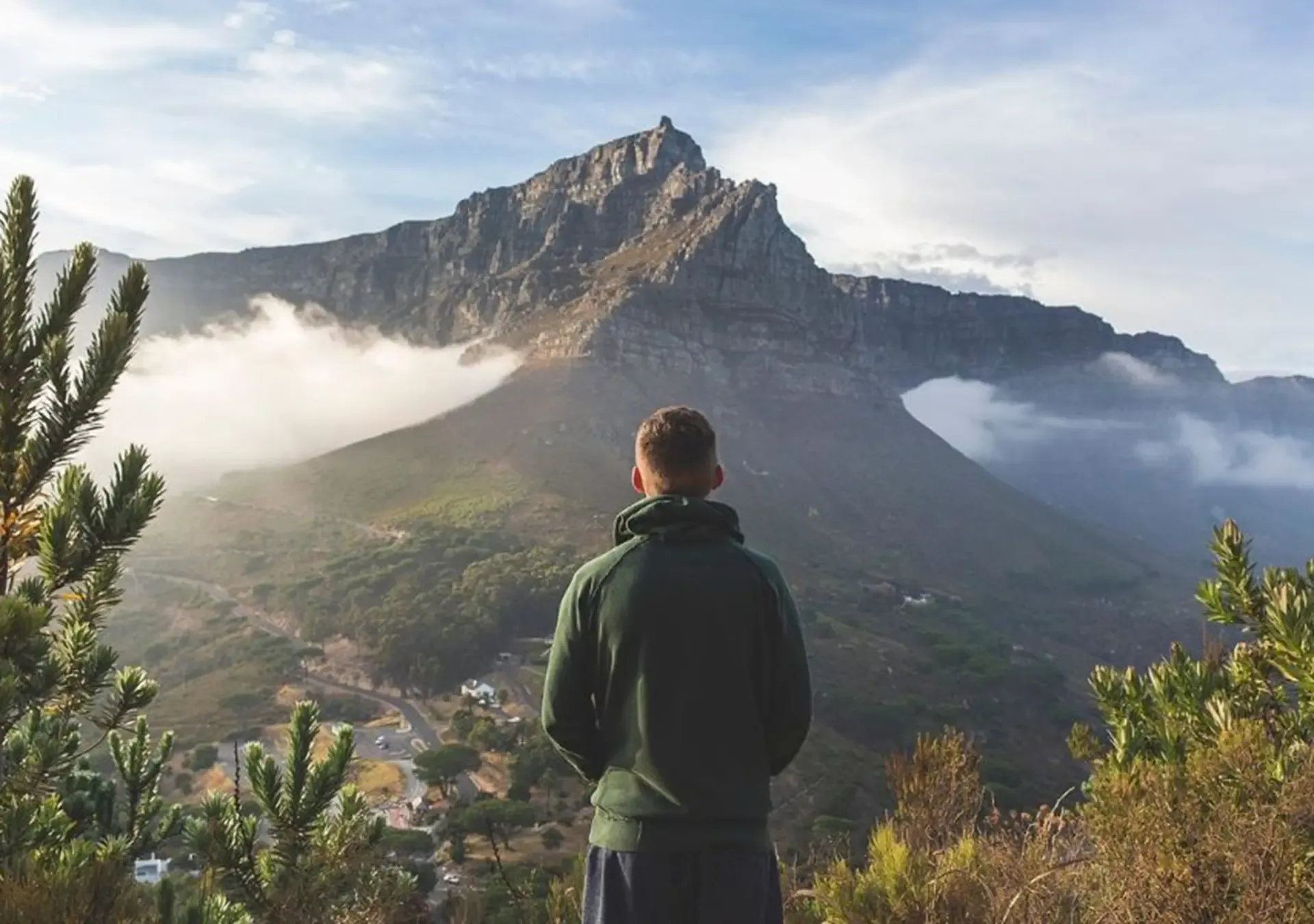
Africa is such an interesting destination with an impressive array of jaw-dropping tourist attractions. The serene atmosphere and the wildlife, the turquoise ocean, white sandy beaches, towering mountains, and cultural displays are some of the best on the planet, which explains why this massive continent continues to see thousands of visitors every year.
But while traveling is often interesting and informative, it is important to have an idea of the territory you intend to visit. Usually, when people think about visiting Africa, one question that usually pops up ‘but is it safe’? Sure there may be parts of Africa that have recorded episodes of political unrest, but that shouldn’t stop you from experiencing the many natural wonders and unforgettable activities that it has to offer. With these eight helpful tips, you should be able to enjoy a safe and hitch-free travel experience in Africa:
1. Avoiding Travel Scams
Scams are everywhere not just in Africa, but travel scams are even more pronounced, especially for first-time visitors. There are various degrees of travel scams and it is crucial that you are able to spot them to avoid being a victim. Some of the common travel scams are:
Overbooked Hotel
Always ensure you book your hotel before traveling. You might come across taxi drivers who would tell you the hotel you are headed is overbooked so they can take you to a ridiculously expensive hotel, from which they’ll get a commission.
Broken Meters in Taxi
Use Uber or arrange local transport with your travel agency to avoid getting ripped off by taxi drivers who usually overcharge unsuspecting travelers. They tell you the meter is broken and then proceed to charge you as much as a hundred dollars.
Fake Tickets
Be on the lookout for people trying to sell a plane, bus, train tickets for a discounted price to avoid paying a higher fee. This is usually fake.
2. As Much As Possible, Don’t Accept Help At The Atm
A stranger walks up to you and asks to help you with your withdrawal to reduce local bank charges. Do not fall for this. The idea is to get your pin and next thing you know, your money is gone. Another strategy they use is to transfer money to your account so you can help them withdraw since their bank network is having issues. Do not fall for this because the transfer is either fake or you might become an accomplice to fraud.
3. Fake Hotel Calls
Be wary of calls at night in your hotel room requesting your credit card details. They tell you they are calling from the front desk at the hotel. Don’t give out your details and in the event of this, always ask to see the manager.
4. When Staying Out At Night
It is advisable to avoid late-night crawling, especially in sparsely populated areas but if you must, then let the following tips guide you.
Go with a Local
If you must go out at night, use the help of a trusted local to take you out at night.
Don’t be flashy
You don’t need a soothsayer to tell you that by showing off your expensive accessories you make yourself a potential target for theft. Cut down the excesses especially at night.
Avoid Asking For Directions From Strangers
As earlier stated, do not ask for directions from strangers, especially at night. This is why your guide is important.
Don’t Flash Money Around
Flashing your money invites the wrong company. Walk around with limited cash especially at night.
5. Be Wary Of Old/ Child/ Injured Beggars
This strategy is ubiquitous around the world. They use children or elderly or seemingly injured beggars to prey on tourists knowing that you can’t say no to them. When you bring out your wallet to help, those using the children will see where you keep your wallet and pickpocket later.
6. Choose Reliable Tour Operators
To ensure your travel experience is smooth, choose a reliable tour operator. Do proper research on which tour operators best suits your needs and perform all due diligence.
7. Get Medical Checkup Before Your Trip
You don’t want to catch any form of sickness during your vacation, especially malaria, which is still present in some African countries. There are good hospitals with adequate infrastructure to cater to your health issues in the bigger cities, but in the rural areas, the health facilities are not so equipped so you should take all necessary precautions. Almost every African country requires proof of Yellow fever vaccination, while Hepatitis A, Rabies, Typhoid and Meningococcal meningitis are all pretty common shots to get. You may also want to pack a basic med tool kit that contains:
Anti-malaria medication
Antibiotics
Painkillers
Antihistamine
Hydrocortisone cream
Insect repellent
8. Know Your Travel Destination
Know your Zambia from Congo, Malawi from Tanzania and the various inherent risks associated with visiting each. Do your research and if possible, get in touch with your national embassy for any safety concerns in the area before embarking on your trip to avoid going to a chaotic destination.

The Bottom Line
The natural beauty of Africa cannot be overemphasized and there are numerous destinations littered all over the continent waiting to be explored. However, you should be aware of the safety concerns and situations in your preferred destination to avoid being taken unawares. This helps you stay ahead and makes your trip more interesting.
Curated Journeys
Safaris to Inspire This Journey
Handcrafted itineraries that bring this story to life.



Where You'll Stay