
The Rainbow Nation Safari
Safaris in South Africa
South Africa packs a continent into one country: Big Five safaris in Kruger's private reserves, the winelands and beaches of the Cape, whales breaching off Hermanus and the garden-draped cliffs of the Garden Route. Malaria-free reserves like Madikwe and Addo make it the easiest choice for family safaris.
Best time to go
May · Jun · Jul · Aug · Sep · Oct
Climate
Seasons are reversed: dry winter (May to September) is prime safari time with mild days and cold nights; summer (November to March) is hot and green. The Cape has winter rains and dry, warm summers.
Currency
ZAR
Languages
English, Afrikaans, Zulu
The country
About South Africa
South Africa packs a continent into one country: Big Five safaris in Kruger's private reserves, the winelands and beaches of the Cape, whales breaching off Hermanus and the garden-draped cliffs of the Garden Route. Malaria-free reserves like Madikwe and Addo make it the easiest choice for family safaris. Self-drive friendly, superbly serviced and endlessly varied, it rewards two-week itineraries that mix Cape Town's table-clothed mountain with the Lowveld's leopards, then continue into Mozambique's Indian Ocean islands or Victoria Falls.
Visas & entry
Many nationalities (UK, EU, US, Canada, Australia among them) enter visa-free for up to 90 days. Passports need 30 days' validity beyond departure and two blank pages. Check requirements for your nationality before travel.
Not sure where to start?
Tell us your dates and dreams, a specialist builds your South Africa route within 24 hours, free.
Start planningThe easiest safari country in Africa
South Africa is where a safari stops being an expedition. Roads are excellent, self-drive is genuinely practical, medical care is world-class, and you can pair the Big Five with wine estates, a coastal road trip and one of the world's great cities in a fortnight without a single bush flight.
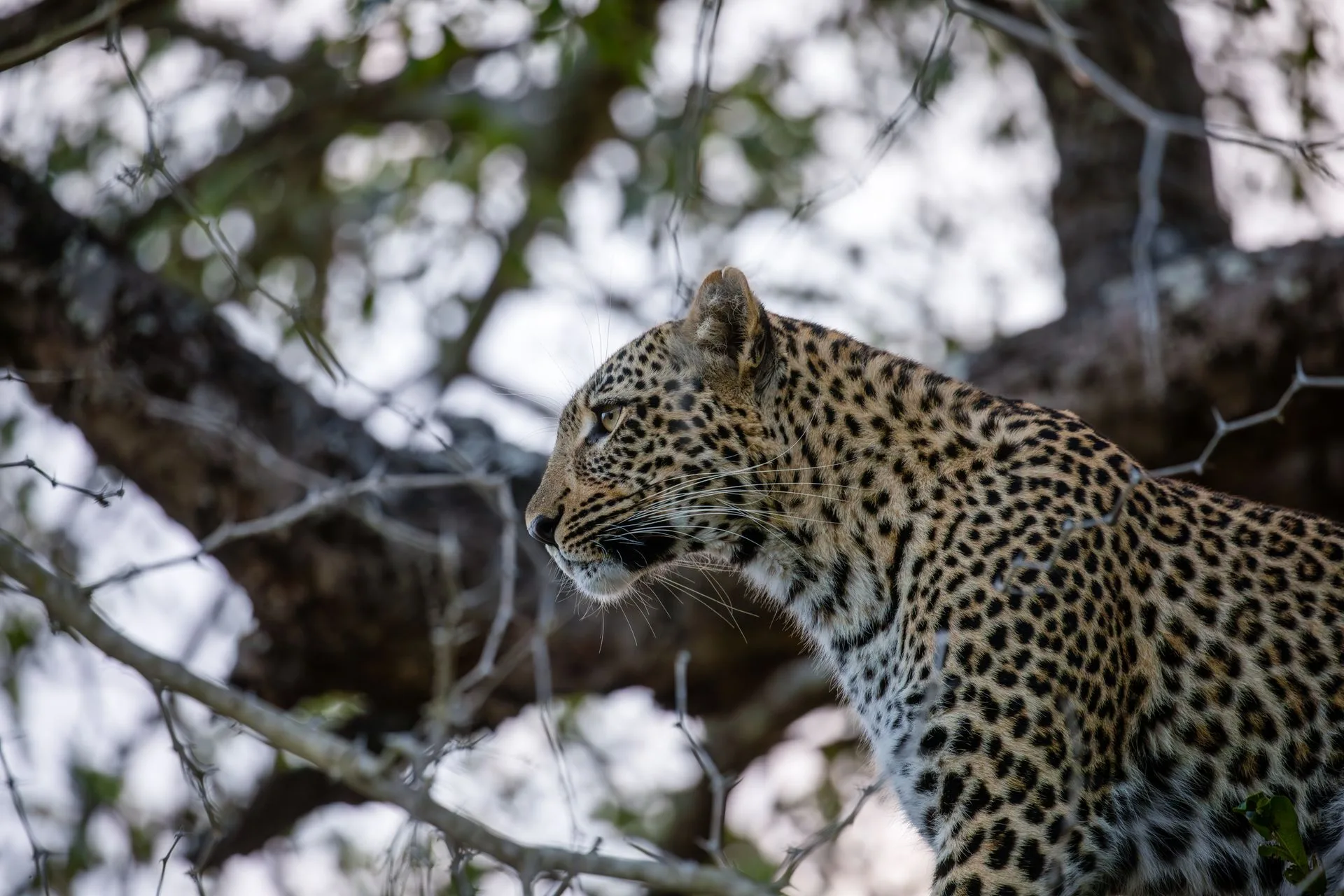
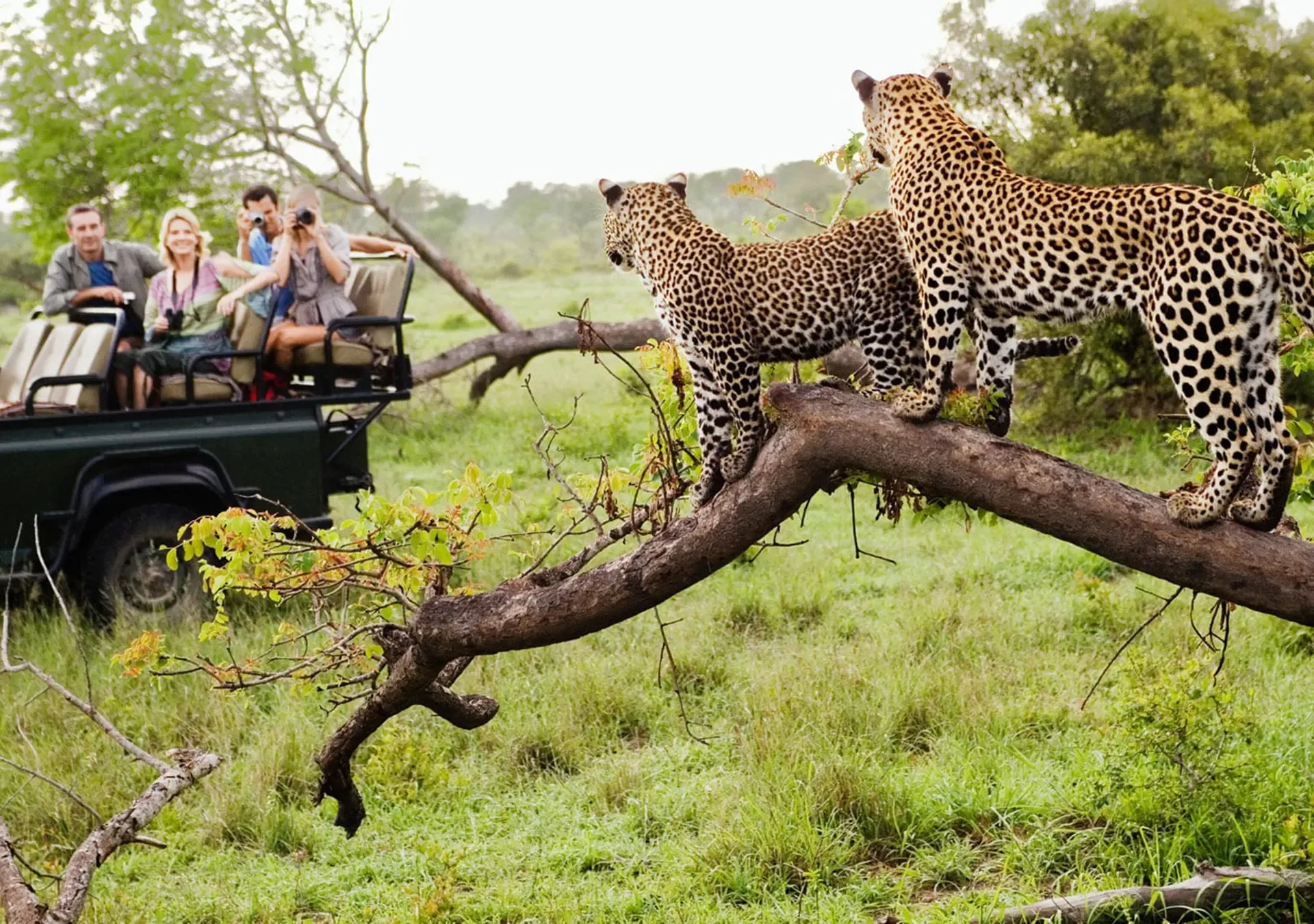
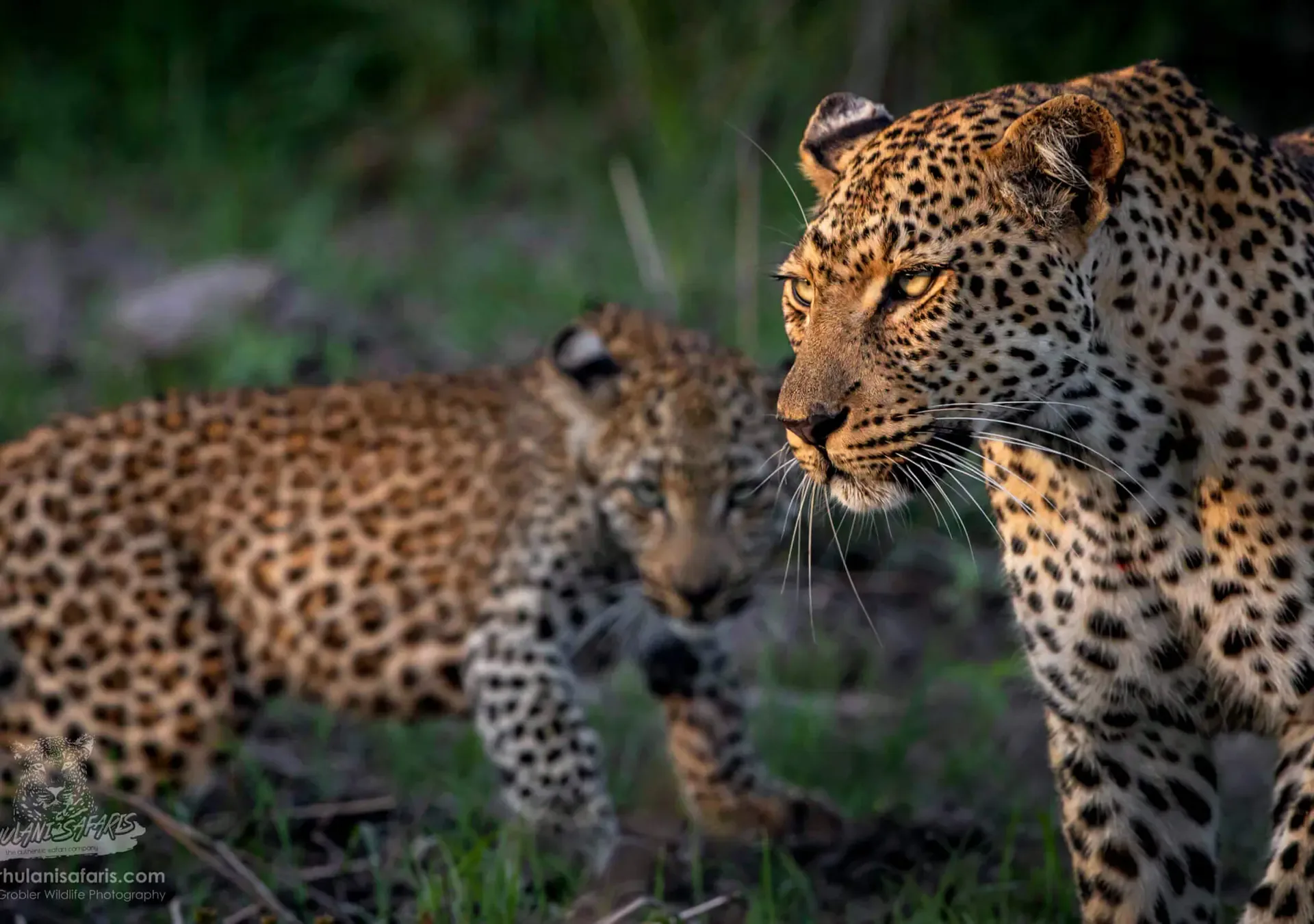
It is also the best country for two specific travellers: families, because of the malaria-free reserves; and anyone who wants leopard, because the private reserves bordering Kruger deliver sightings that are close to guaranteed.
Where to go in South Africa
Most trips pair one safari region with one of the Cape or coastal regions. A two-hour domestic flight connects almost any two of them.
Kruger & the private reserves
Kruger is roughly the size of Wales and offers the widest range of prices anywhere in African safari, from self-drive rest camps to the private reserves on its unfenced western boundary. Sabi Sand is the reason people talk about South African leopards, decades of habituation mean relaxed daytime sightings, and Timbavati, Thornybush, Kapama and Balule share the same wildlife with lower rates.
- Best for
- Leopard, Big Five, value
- Season
- May to Sep
- Also
- Sabi Sand, Timbavati, Kapama
Malaria-free Big Five
Madikwe on the Botswana border and Addo Elephant in the Eastern Cape both offer the Big Five with no malaria risk, which makes them the obvious choice for young children, pregnant travellers and anyone who would rather not take prophylaxis. Madikwe is a proper wilderness reserve with excellent wild dog; Addo pairs naturally with the Garden Route.
- Best for
- Families, no malaria
- Season
- Year-round
- Also
- Addo Elephant, Pilanesberg
KwaZulu-Natal
Hluhluwe-iMfolozi is the oldest proclaimed reserve in Africa and the park that saved the white rhino from extinction; it still offers some of the continent's best rhino viewing along with the rest of the Big Five. Combine it with the iSimangaliso wetlands at St Lucia and you get bush, hippo estuary, turtle beaches and Zulu cultural sites within a short drive of each other.
- Best for
- Rhino, bush and beach
- Season
- May to Sep
- Also
- St Lucia, Zululand
Cape Town & the Garden Route
Table Mountain, the Cape Peninsula and the winelands at Stellenbosch and Franschhoek, then the coastal road east through Hermanus for southern right whales between June and November, and Tsitsikamma's forest and gorges. It is not a safari, and it is the half of the trip most guests talk about afterwards.
- Best for
- City, wine, coastline
- Season
- Nov to Mar
- Also
- Garden Route, Hermanus
South Africa safari packages
We run 28 ready-made South Africa itineraries, from three-day Kruger trips to 16 days with Mozambique. Prices are per person, from, as of 27 October 2026.
- Kruger National Park: 3 Days Adventure Kruger Tented Safari from US$1,676, 4 Days Kruger National Park Safari from US$2,694, or the 5 Days Rustic Kruger Safari, our lowest-priced, from US$1,616.
- Sabi Sand: 3 Days Sabi Sands Game Reserve Safari from US$2,395, or both reserves on 5 Days Kruger and Sabi Sands Safari from US$3,892.
- Cape Town and the Garden Route: 10 Days Best of South Africa Safari from US$6,526, with Hermanus, Tsitsikamma and Addo Elephant National Park.
- Kruger and Zululand: 7 Day Kruger National Park and Zululand Safari from US$4,568.
Questions
South Africa questions
May to September is the dry winter and by far the best for game viewing: thin bush, animals concentrated at water, no malaria pressure and no rain. It is cold on early morning drives, so bring layers. Summer, from October to March, is green, hot and better for birding, and it is the right season for Cape Town.
Kruger proper is far cheaper and you can self-drive, but you must stay on the roads and sightings get crowded. The private reserves permit off-road following and night drives, cap vehicles at a sighting and include a guide and tracker, which is why leopard sightings there are so much better. Many itineraries do a few nights of each.
It is the best in Africa for young families. Madikwe, Addo and Pilanesberg are malaria-free, drive times are short, many lodges have family units and dedicated children's programmes, and medical care is excellent. Note that some private lodges set minimum ages for game drives. Tell us your children's ages and we will only propose properties that genuinely accommodate them.
For the Kruger region and KwaZulu-Natal lowveld, yes. The risk is seasonal and low in winter but prophylaxis is standard advice. Madikwe, Addo, Pilanesberg and the entire Cape are malaria-free. Confirm with your travel clinic.
Yes: South Africa is the one African safari country where self-drive is genuinely straightforward, on good roads with clear signage and driving on the left. We routinely build self-drive Garden Route legs with guided lodge stays for the safari portion. City-centre driving at night is the one thing we advise against.
The tourist regions are heavily travelled and the reserves and Garden Route are unproblematic. Cities require normal urban caution. Do not walk with valuables at night, use ride-hailing or hotel transport rather than hailing on the street, and keep car doors locked in traffic. Your guide will brief you on specifics for each place you stay.
Why visit South Africa
South Africa is often called "The World in One Country", and the name fits. Beaches sit beside high peaks. Desert gives way to savannah, and busy cities give way to quiet national parks. Few countries put modern comforts and a genuinely wild Africa so close together.
It is one of the best places to see the Big Five, and it makes an easy first introduction to Africa as a whole. If you have not been before, it is a good place to learn what you like. Our Big Five safaris show the options.
Things to do in South Africa
Wildlife
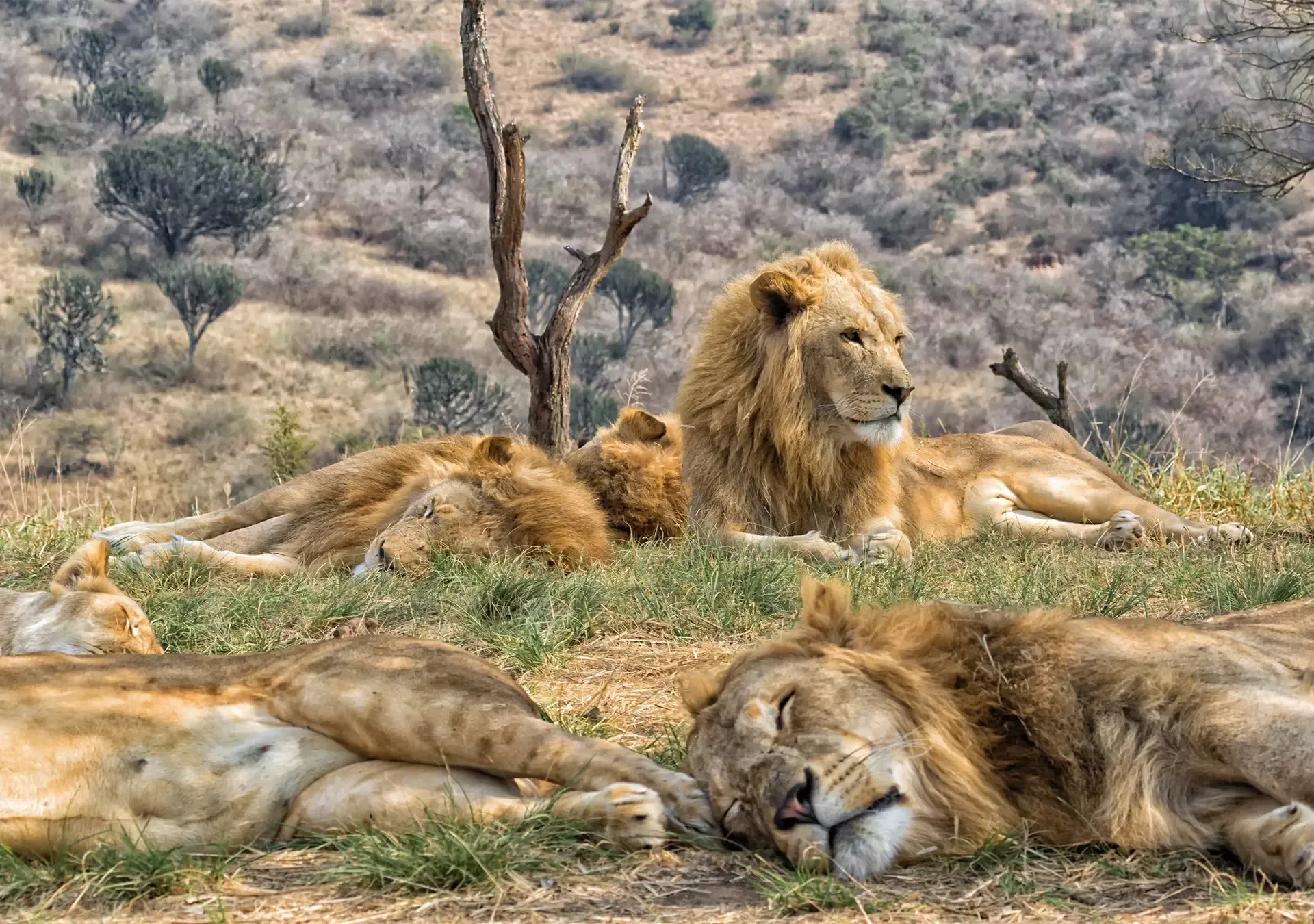
The range of animals is wide because the ecosystems are. Kruger National Park is one of the best places in Africa to look for the Big Five (lion, leopard, elephant, buffalo and rhino) at any time of year. The Sabi Sand and Timbavati private reserves are two neighbouring conservation areas in the north-east of the country.
Scenery
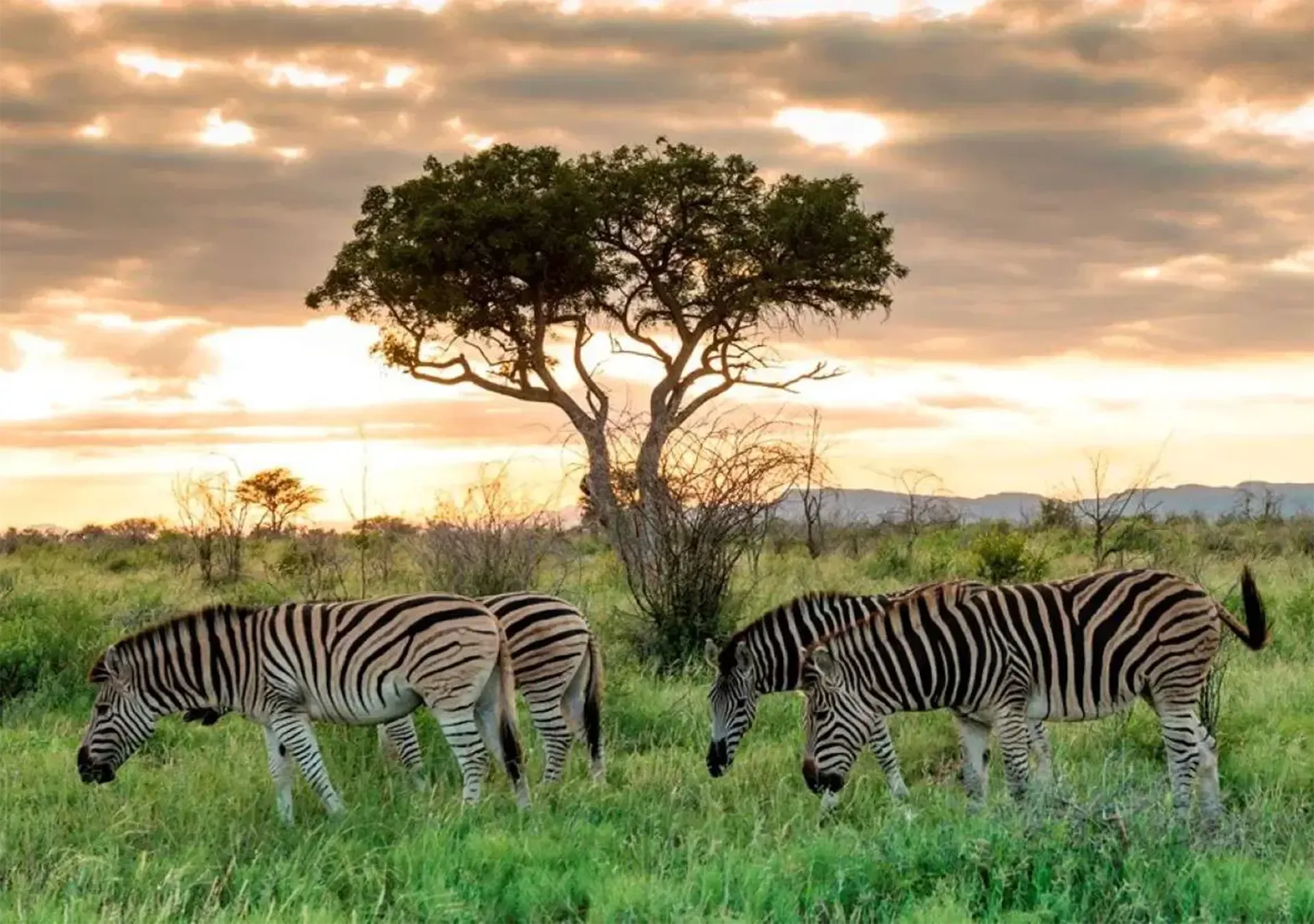
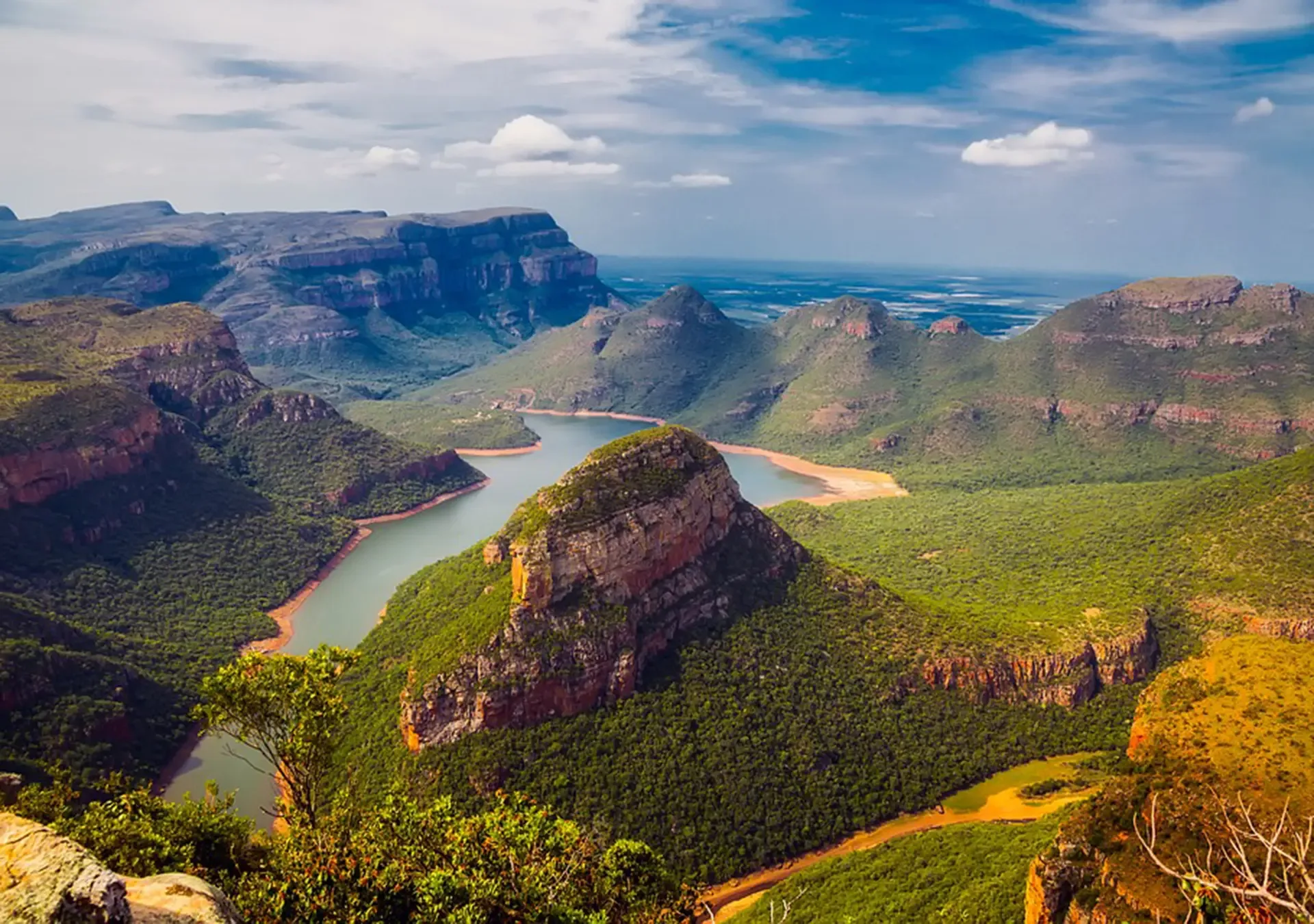
The landscapes run from the rolling hills of the Drakensberg to the rugged coast of the Garden Route. Kgalagadi Transfrontier Park has arid savannah, red sand dunes and acacia trees. Pilanesberg sits inside the remains of an extinct volcano, which gives it an unusual geology among African reserves.
Cities and history
Cape Town has Table Mountain, the Cape Peninsula and Robben Island. Johannesburg is the energetic counterpart. Both reward a day or two with a local guide. Museums, historic sites and townships tell the story of the country, and travelling with proudly South African guides helps it come alive.
Food and wine
The towns of the Cape Winelands are a year-round place to eat and drink well, with European influences meeting African ingenuity. The estates are known for their wines, their settings and their history, and tasting tours are an easy way into the country's wine heritage.
Beaches
The coastline is about 2,800 kilometres long. In summer the Garden Route is lined with safe beaches, activities and places to stay.
Adventure
If you want something more active, you can go shark cage diving, bungee jump or hike. Many of these are an easy add-on to a Cape or Garden Route stay.
More regions worth a look
The Eastern Cape has some of the country's most beautiful and unspoiled beaches, and Addo Elephant Park sits on the same coast. KwaZulu-Natal blends bushveld with coastline. Madikwe is a smaller reserve with a strong wilderness feel.
Best time to visit South Africa
The seasons are the reverse of Europe and North America, and the right month depends on where you are going, the bush or the coast.
| Season | Months | What to expect |
|---|---|---|
| Summer | December to February | Peak season on the coast, especially Cape Town and the Garden Route. Warm to hot, with some rain in certain regions. |
| Autumn | March to May | One of the best times to come. The weather is mild and busy places are quieter, the landscape is still green after the rains, and the safaris are good. |
| Winter | June to August | Dry and cooler. In the bush the vegetation is thin and animals come to the water. Early morning drives are cold, so bring layers. |
| Spring | September to November | Temperatures rise and flowers bloom, especially in the Western Cape. Good for hiking and outdoor activities. Game viewing is still good, but as the bush greens up animals can be harder to find. |
More questions about South Africa
What is the climate like?
It varies a great deal: Mediterranean in the south-west, temperate on the interior plateau and subtropical in the north-east. Most of the country has plenty of sun and mild temperatures through the year.
Do I need a visa?
Many visitors can enter without a visa for short stays, but it depends on your nationality. Check the current rules for your passport before you travel.
What vaccinations do I need?
Hepatitis A, hepatitis B and typhoid are commonly recommended. A yellow fever certificate is needed if you arrive from a country with a risk of the disease. Malaria tablets are advised for some areas only. Ask a healthcare provider for current advice.
What currency is used, and where can I change money?
The South African rand (ZAR). Change money at banks, bureaux de change and major airports. ATMs are widely available.
What is there to do apart from safari?
Visit Cape Town, tour the Cape Winelands, spend time on the Garden Route beaches, or try adventure sports such as bungee jumping and shark cage diving.
What should I pack?
Pack for the regions and the season. Light, breathable clothes work for the day, with warmer layers for the evening. Neutral colours suit safari. Bring walking shoes, a hat and sunscreen.
What health precautions should I take?
Drink bottled water, avoid mosquito bites in malaria areas, use sun protection, and take comprehensive travel insurance that covers medical costs.
Can I see cultural diversity?
Yes. The country is known as the "Rainbow Nation", and you can see it in cultural sites, museums, food and festivals.
What about children or older travellers?
South Africa suits all ages, with activities and places to stay for each. Keep vaccinations up to date and choose itineraries that match the group's fitness. See our family safaris.
How can I celebrate a special occasion?
Try a private safari, a vineyard tour, a beach dinner or a scenic helicopter flight. Tell us the occasion and we will plan around it.
How does South Africa compare with other safari countries?
Other countries are known for particular wildlife experiences. South Africa is known for range: good safaris, many other activities and easy access. Its well-developed tourism infrastructure suits first-time and returning travellers.
Can I see the Great Migration in South Africa?
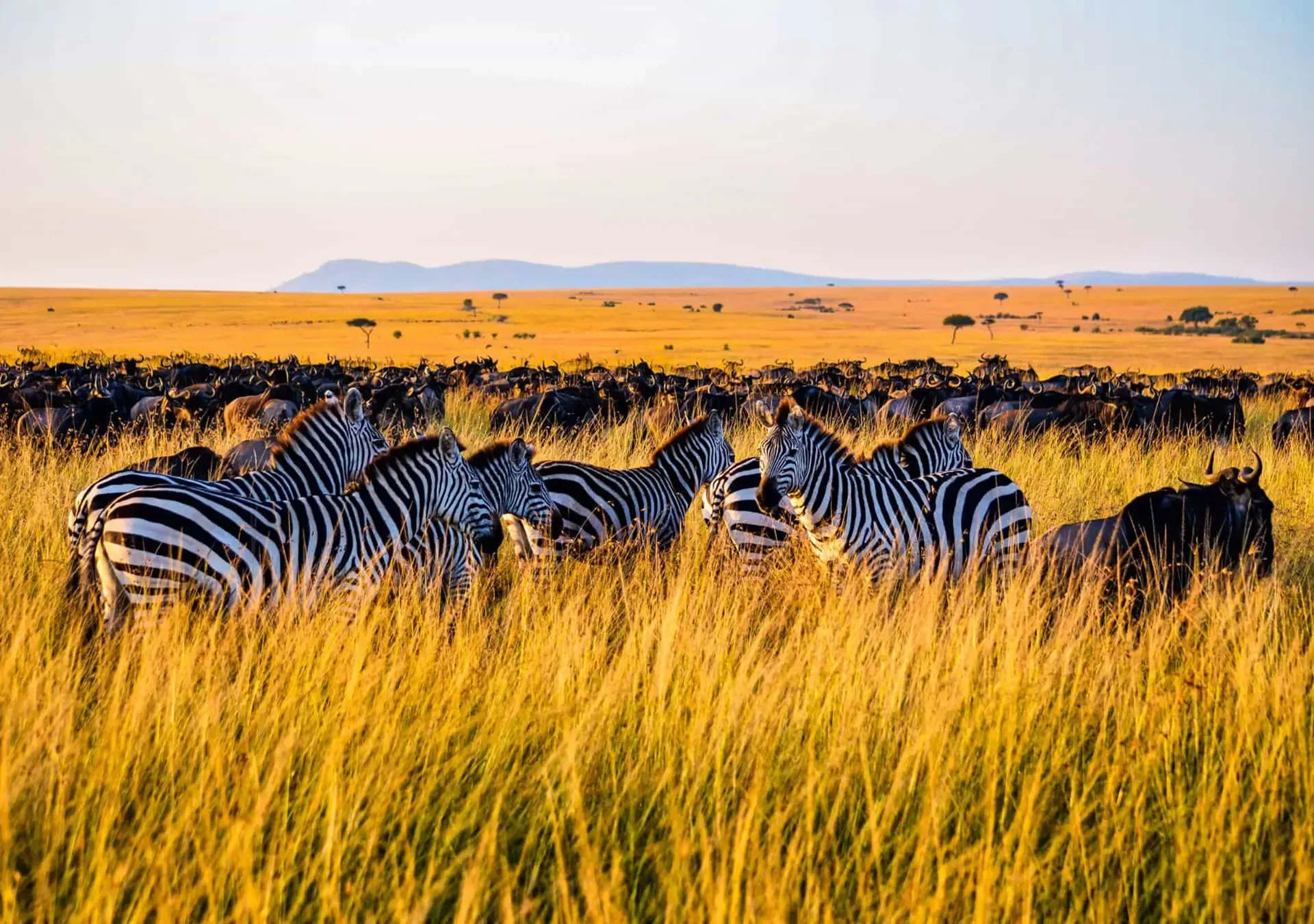
No. The Great Migration happens in East Africa, mainly across Tanzania and Kenya. South Africa has its own wildlife, and the Big Five can be seen in Kruger and in Sabi Sand. The varied ecosystems also support many other mammals and birds.
Is there a special wildlife event in South Africa?
The annual sardine run, usually between May and July. Huge shoals of sardines move along the coast from the Eastern Cape towards KwaZulu-Natal, and sharks, dolphins, whales and seabirds follow them. Divers and people on the shore can watch it. In the bush, calving season brings newborn animals in the warmer months.
Find your bearings
South Africa on the map
Tap a marker to open the destination guide.
Where to go
Destinations in South Africa
Ordered by how often our safaris visit, start at the top or wander off the list.

Your South Africa story starts here
Let's shape it around you
Every journey is tailor-made: your pace, your budget, your dream sightings. Free itinerary within 24 hours, no obligation.