

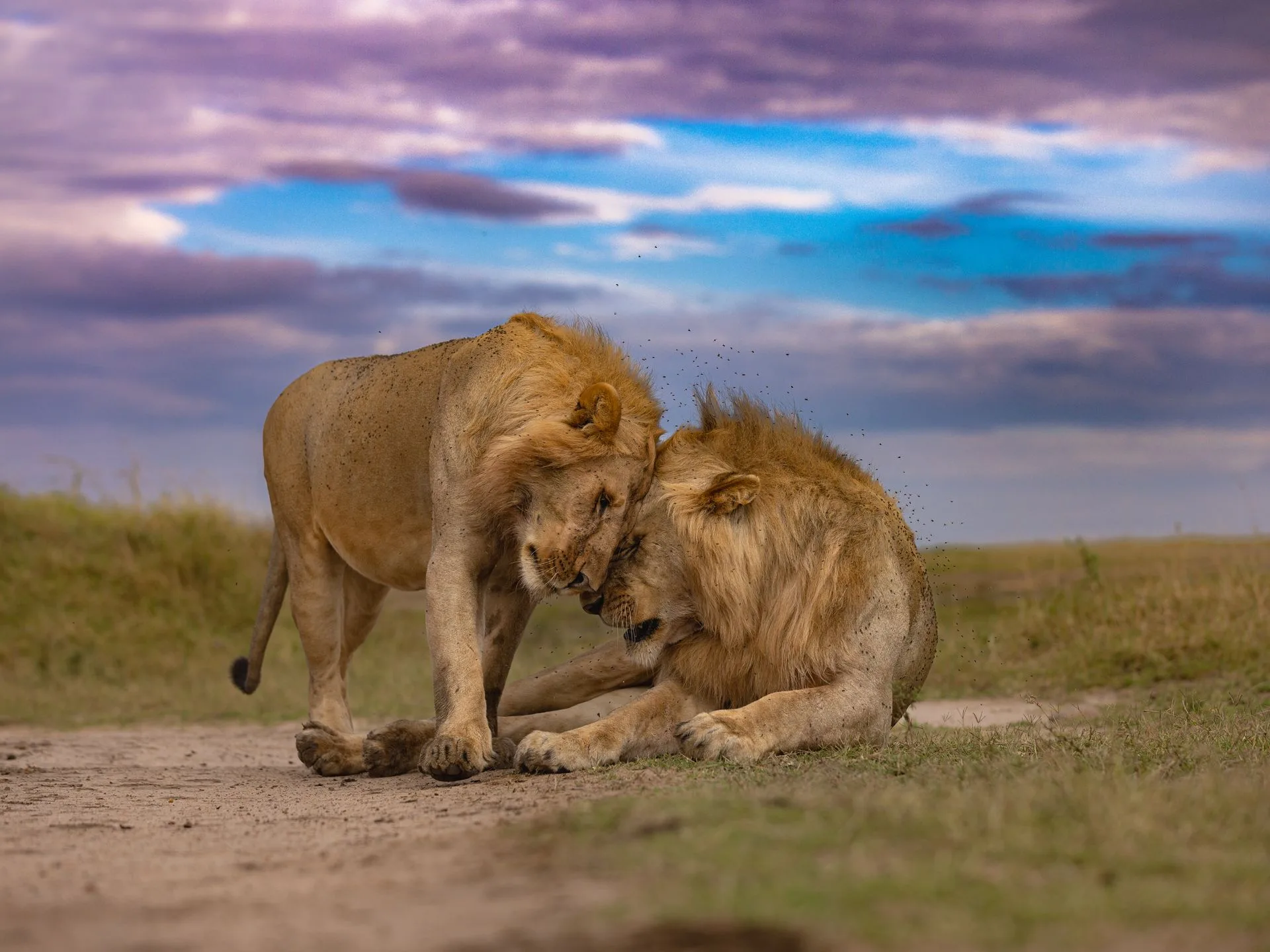
Where Safari Began
Safaris in Kenya
Kenya is where the safari was born, the land of the Masai Mara's river crossings, Amboseli's elephants beneath Kilimanjaro, and the flamingo-painted lakes of the Great Rift Valley. Its private conservancies pioneered community-owned conservation, offering night drives and bush walks the national parks cannot.
Best time to go
Jul · Aug · Sep · Oct · Jan · Feb
Climate
Pleasantly warm year-round, cooler in the highlands. Dry seasons July to October and January to February; long rains April to May. The Mara migration season runs July to October.
Currency
KES
Languages
Swahili, English
The country
About Kenya
Kenya is where the safari was born, the land of the Masai Mara's river crossings, Amboseli's elephants beneath Kilimanjaro, and the flamingo-painted lakes of the Great Rift Valley. Its private conservancies pioneered community-owned conservation, offering night drives and bush walks the national parks cannot. Beyond the big game, Kenya layers experience on experience: Laikipia's rhino strongholds, Samburu's special five, tea-green highlands and the Swahili coast at Diani and Lamu. Combine it with a Tanzania safari for the full Great Migration story, Serengeti one side of the border, Mara the other.
Visas & entry
Kenya uses an Electronic Travel Authorisation (eTA), all visitors apply online before arrival (around USD 34, typically approved within days). Passports need six months' validity. Confirm current requirements before travel.
Not sure where to start?
Tell us your dates and dreams, a specialist builds your Kenya route within 24 hours, free.
Start planningKenya, and why it still sets the standard
Kenya is where the safari was invented, and it remains the most efficient safari country in Africa: the Masai Mara, Amboseli beneath Kilimanjaro, the Rift Valley lakes and the Indian Ocean all sit within short internal flights of Nairobi. You can see the Great Migration in the morning and be on a beach two days later without a long overland transfer.
Its parks fall into four natural groups, and most itineraries pick two. The choice usually comes down to two things: whether your dates fall inside the migration window, and whether you want conservancies, private land bordering the Mara where night drives, walking and off-road following are permitted and vehicle numbers at a sighting are capped.
Where to go in Kenya
Distances are large but internal flights are frequent and cheap, so combining two of these groups in a week is normal.
The Mara & the Rift
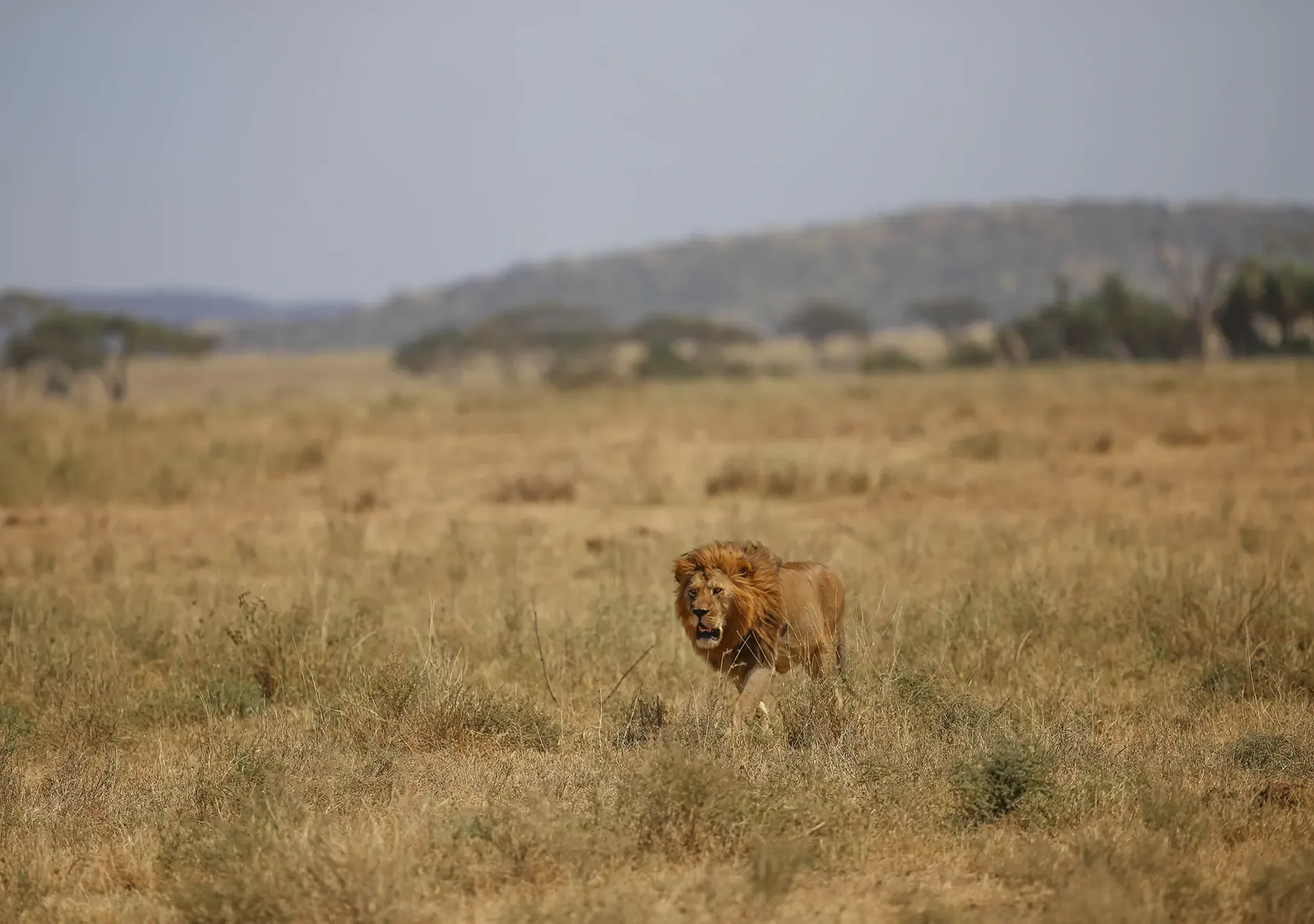
The Masai Mara is the northern extension of the Serengeti ecosystem and holds the highest predator density in Kenya: lion, cheetah and hyena year-round, plus the migration river crossings from roughly July to October. The bordering conservancies trade a little on price for far fewer vehicles and activities the reserve does not allow. Lake Nakuru and Lake Naivasha sit on the drive north and add rhino and extraordinary birdlife.
- Best for
- Big cats, the Migration
- Season
- Jul to Oct for crossings
- Also
- Nakuru, Naivasha, conservancies
Amboseli & Tsavo
Amboseli gives you the picture everyone comes to Kenya for: big-tusked elephant herds crossing open pans with Kilimanjaro filling the sky behind them. Neighbouring Tsavo East and Tsavo West together form one of the largest protected areas on earth: red-dust elephants, the Mzima Springs, and a sense of scale the Mara cannot match. It is the natural southern circuit and connects easily to the coast.
- Best for
- Elephants, Kilimanjaro views
- Season
- Jun to Sep, Jan to Feb
- Also
- Tsavo East, Tsavo West
The Samburu north
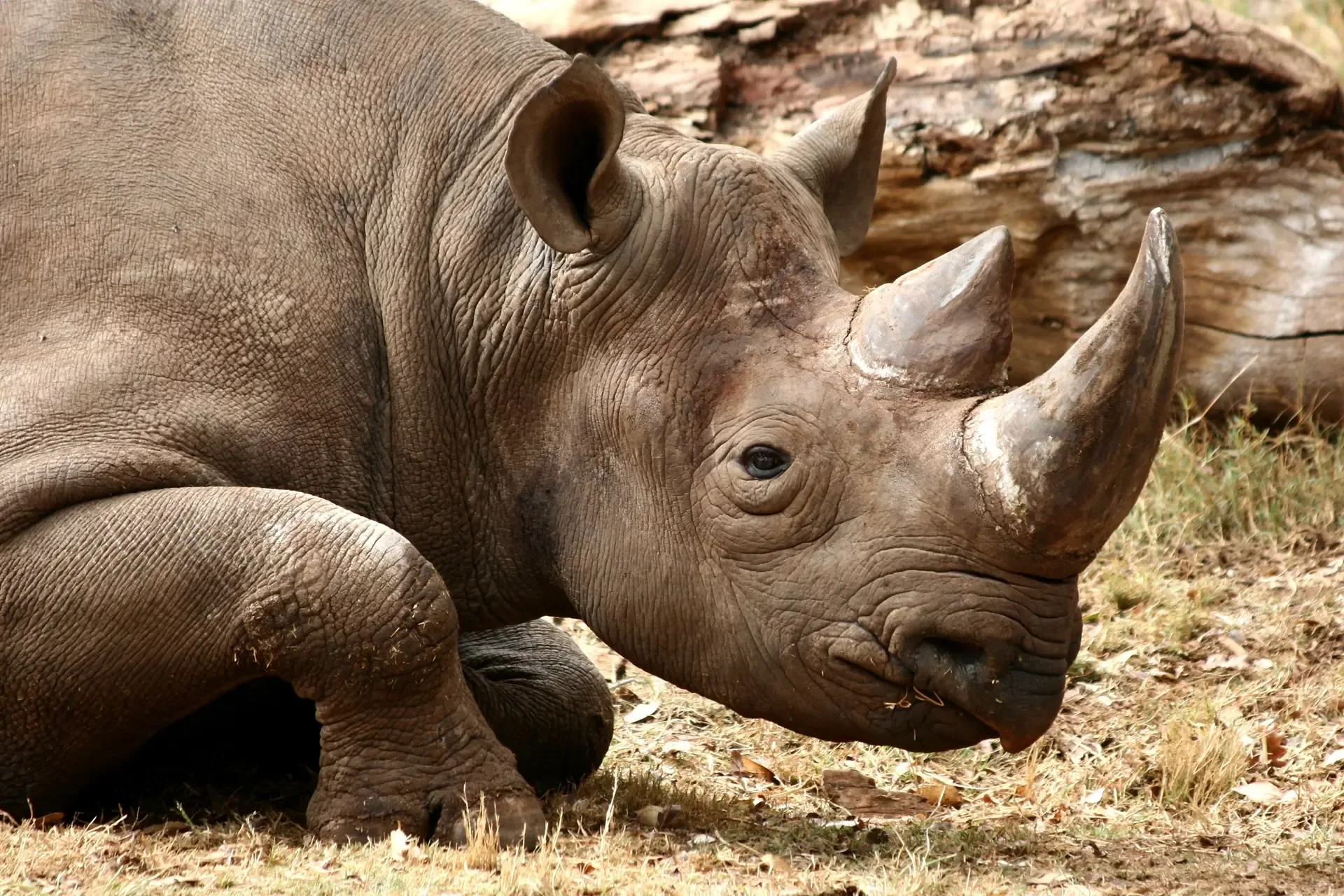
Arid, rugged and much quieter, the north holds species you will not see further south (Grevy's zebra, reticulated giraffe, gerenuk, Beisa oryx) collectively the "Samburu special five". Leopard sightings along the Ewaso Nyiro river are among the most reliable in Kenya. Ol Pejeta nearby is a working conservancy and one of the best places on the continent to see both black and white rhino.
- Best for
- Rare species, leopard, rhino
- Season
- Jun to Sep, Jan to Feb
- Also
- Ol Pejeta, Mount Kenya
The coast
Kenya's Indian Ocean shore is the classic way to end a safari: Diani's wide white sand and reef, Mombasa's Swahili old town and fort, and Lamu: a UNESCO-listed island with no cars, only dhows and donkeys. A 60-to-90-minute flight from the parks, so the beach costs you a transfer, not a day.
- Best for
- Beach, Swahili culture
- Season
- Dec to Mar, Jul to Oct
- Also
- Mombasa, Lamu
Questions
Planning a Kenya safari
The herds cross into the Masai Mara from roughly July and stay until October, when they head back south into Tanzania. September is the most reliable month for Mara River crossings. Outside that window the Mara is still outstanding for resident predators, Kenya's big cats do not migrate.
The Masai Mara plus one of Amboseli or Samburu covers the widest range in a week. The Mara gives you predators and open plains; Amboseli gives you elephants and Kilimanjaro; Samburu gives you species found nowhere else in the country. Add Lake Nakuru if rhino matter to you.
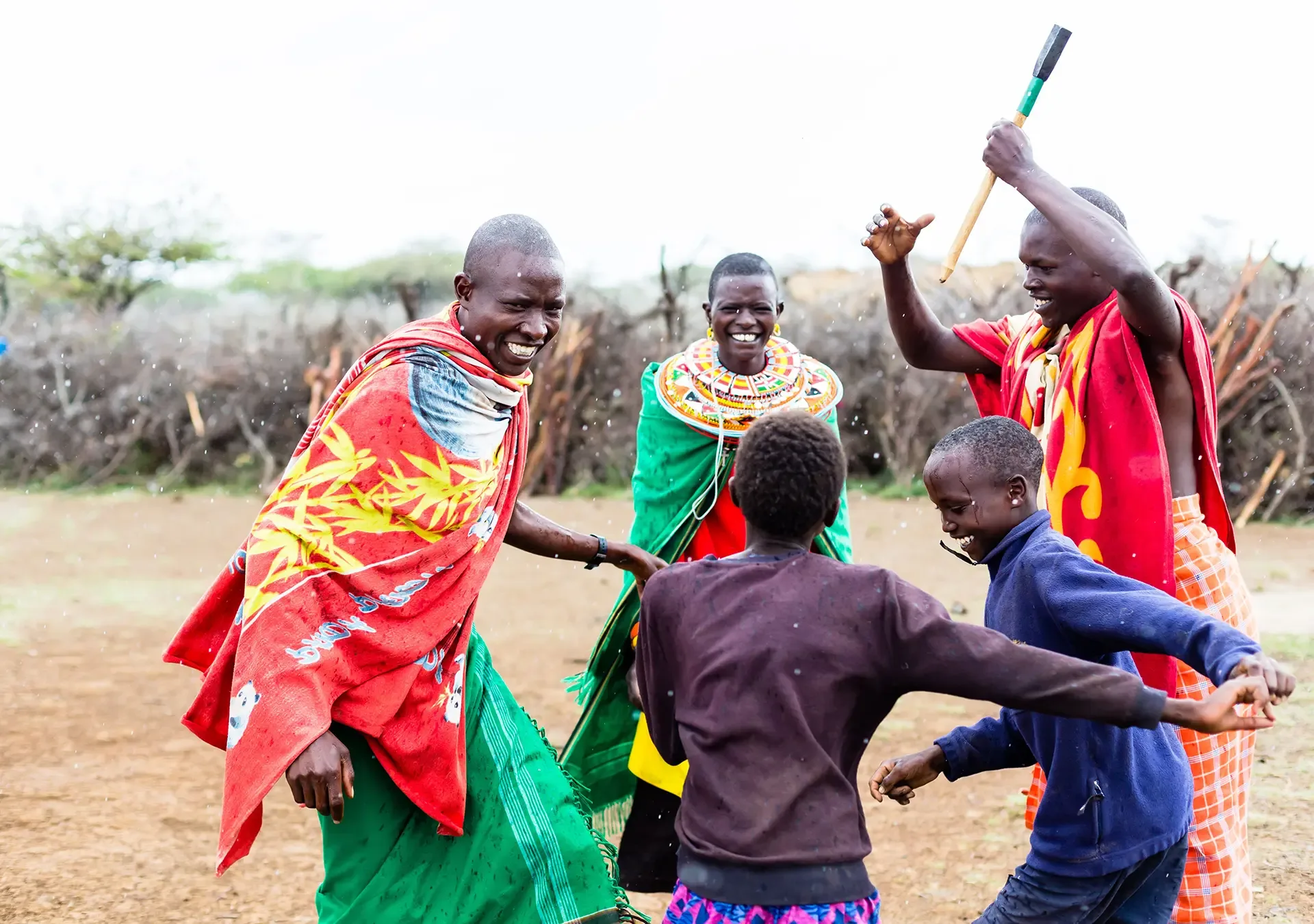
Usually, yes. Conservancies cap the number of vehicles at a sighting, permit night drives, walking safaris and off-road following, and share revenue directly with the Maasai landowners. In peak season the difference between a conservancy sighting and a reserve sighting can be twenty vehicles.
Fly for anything beyond the Mara-Nakuru-Naivasha loop. Nairobi to the Mara is 5-6 hours by road against a 45-minute flight, and light-aircraft transfers between the Mara, Amboseli, Samburu and the coast are frequent. Driving is cheaper and lets you see the Rift Valley escarpment, which is genuinely worth one leg.
Kenya uses an electronic travel authorisation that must be obtained before departure. There is no visa on arrival. A yellow fever certificate is required if you are arriving from a country where yellow fever is a risk, and malaria prophylaxis is recommended for all safari areas. Check current requirements with your travel clinic, as they change.
Yes, and it is a common request. The Mara and the Serengeti are one ecosystem divided by a border. You can cross by road at Isebania or fly between the two. Note that each country charges its own park fees and visa, so a combined trip costs more than the same number of nights in one country.
Find your bearings
Kenya on the map
Tap a marker to open the destination guide.
Where to go
Destinations in Kenya
Ordered by how often our safaris visit, start at the top or wander off the list.
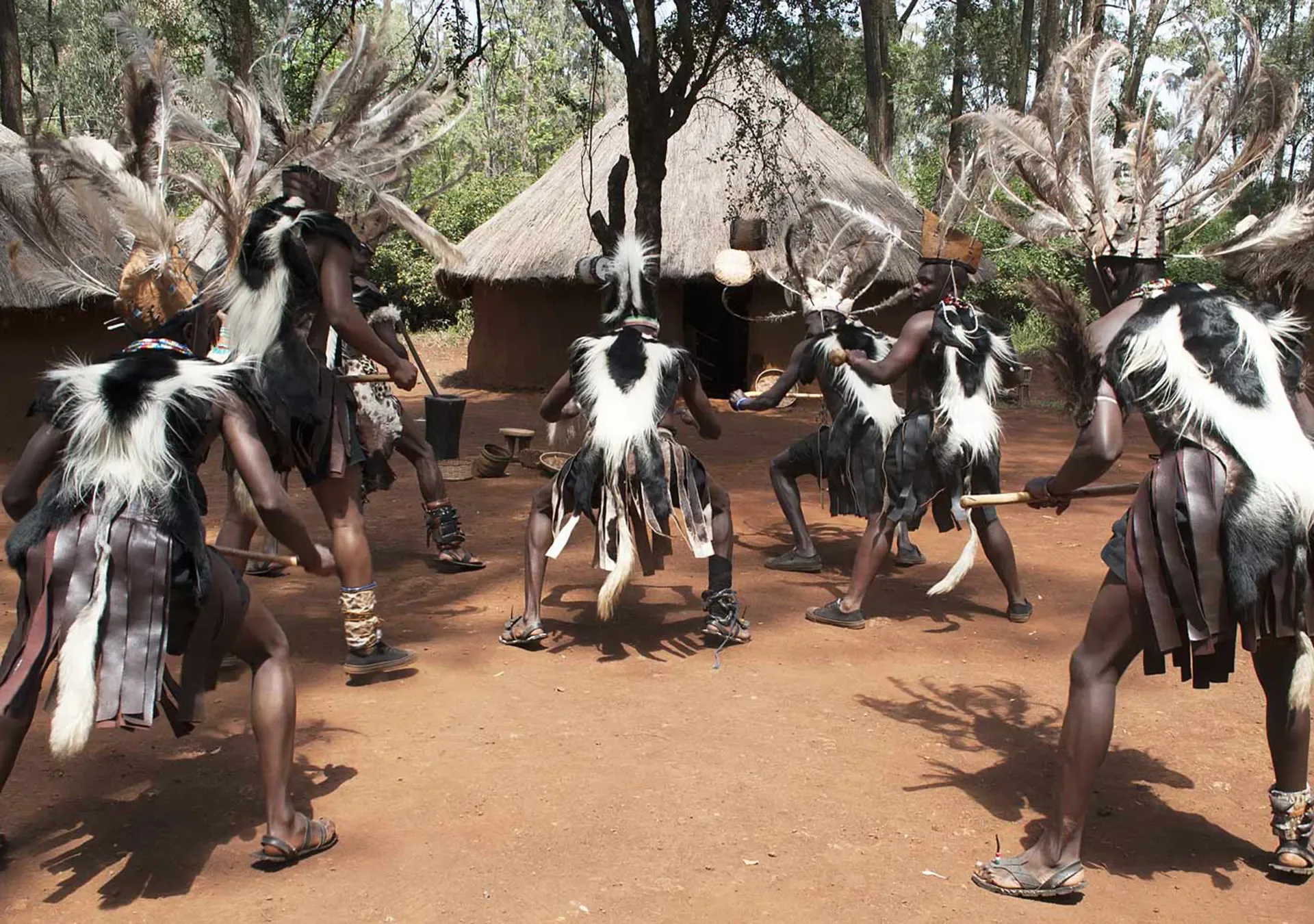
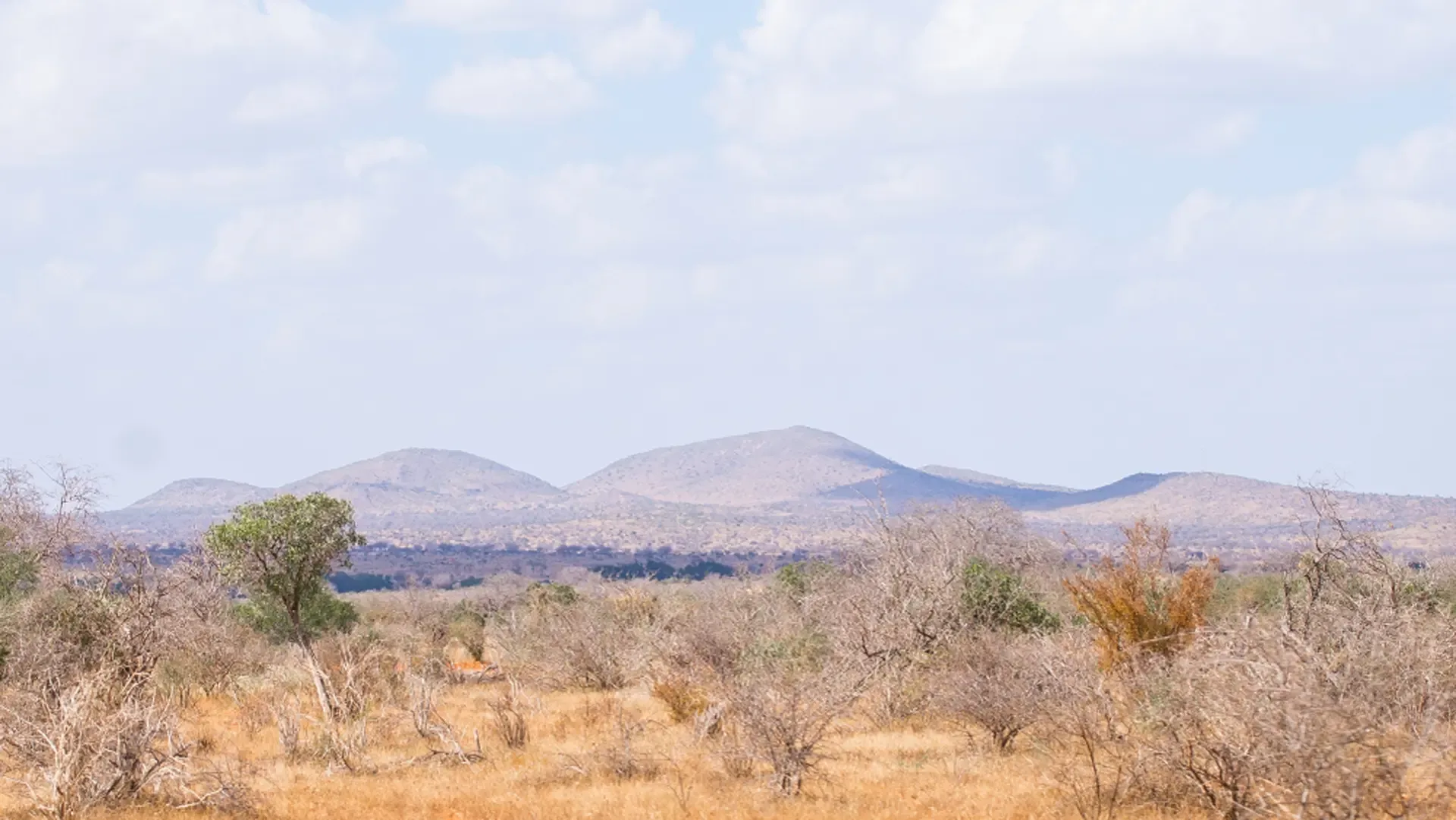
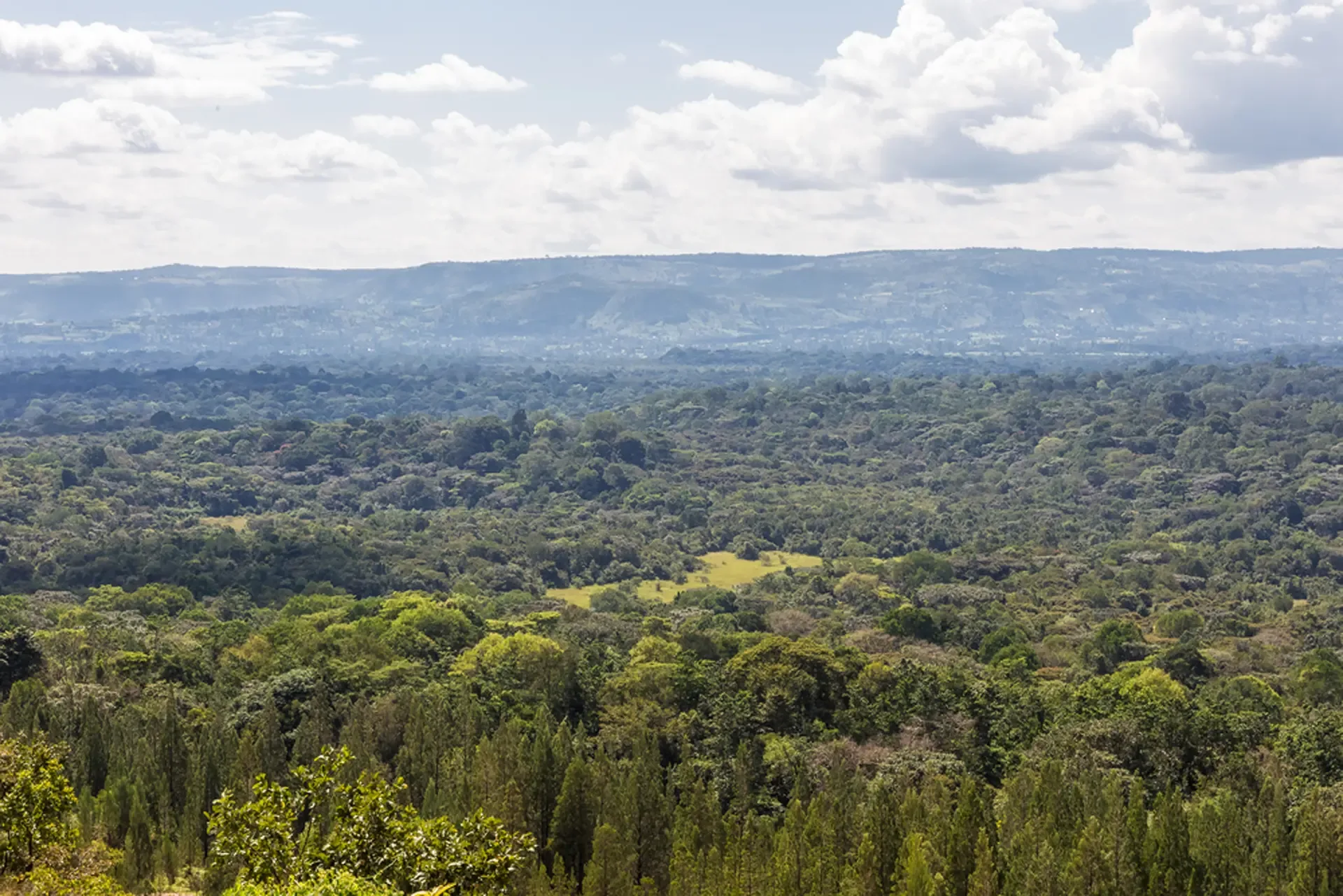
Your Kenya story starts here
Let's shape it around you
Every journey is tailor-made: your pace, your budget, your dream sightings. Free itinerary within 24 hours, no obligation.