
Safari style
Signature Photographic Safari
Private photographic safaris capped at four photographers per vehicle, built around time in one ecosystem rather than a new camp every morning. Long sessions, guide-led positioning and enough nights to go back and improve on yesterday's fra…
What a Signature Photographic Safari is
A Signature Photographic Safari is a private Tanzania safari built around the way wildlife photography actually works: long sessions on one subject, a guide who positions the vehicle for light rather than for a view, and enough nights in one ecosystem that you can go back and improve on yesterday's frame.
The difference from a standard safari is not the lodges or the parks. It is the pacing and the seat count. A general-interest guest is usually satisfied after ten minutes with a cheetah. A photographer may need an hour, and may need to sit through fifty minutes of nothing to get the ten seconds that matter. An itinerary that moves camp every morning cannot give you that, however good the camps are.
We run two of these safaris, and they are chapters of the same story at opposite ends of the year. Both are twelve days, both are private, and both cap the vehicle at four photographers.
Calving or crossing: which one to book
The Great Migration is a continuous loop, not an event with a start date, so the honest question is never when is the migration but where will the herds be on my dates.
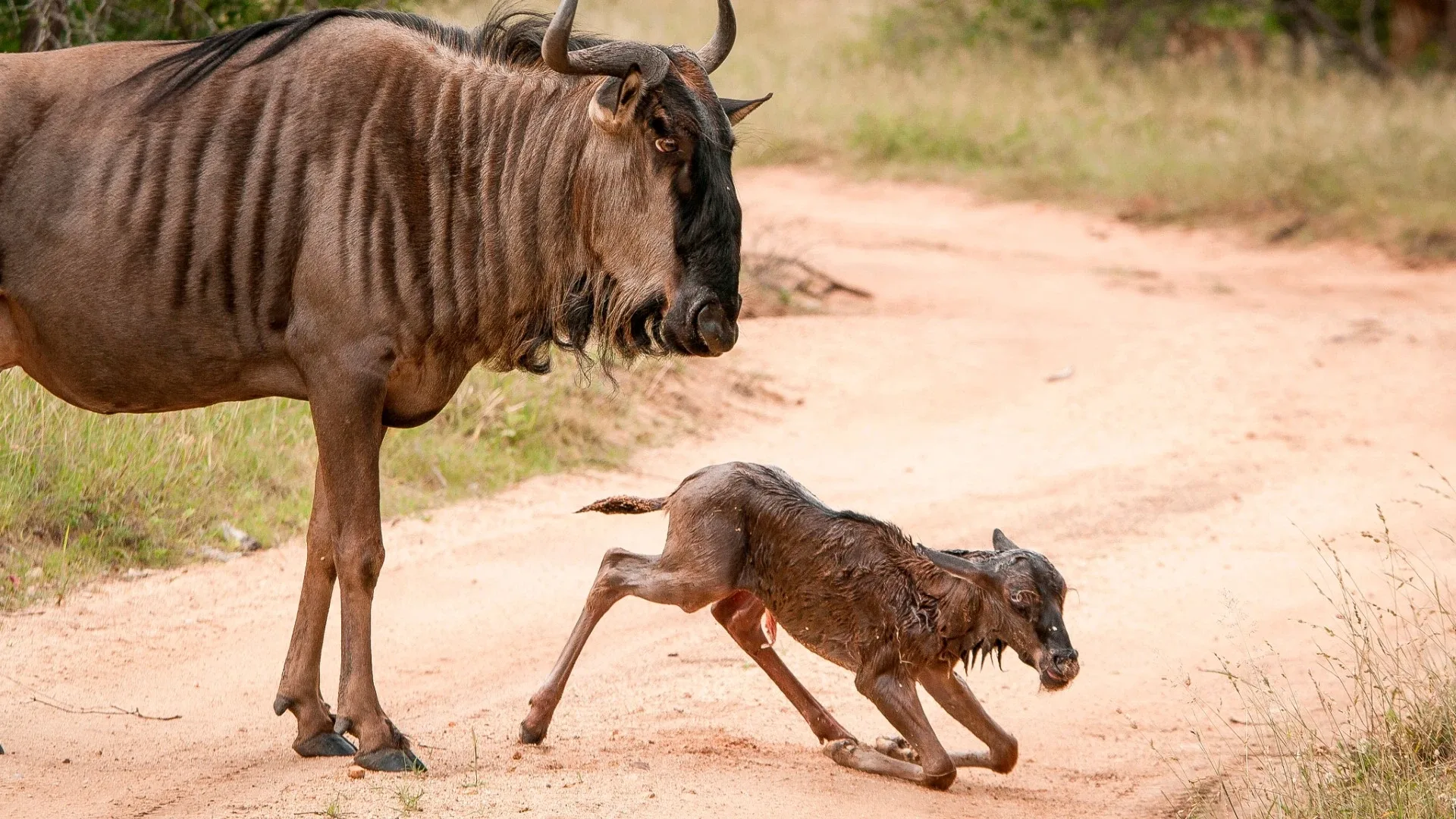
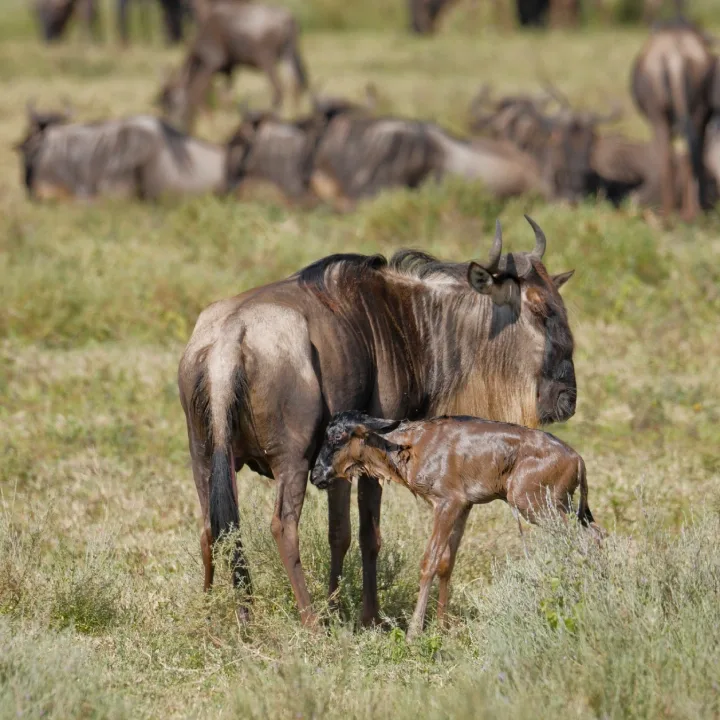
Book the calving safari for January to March. Around half a million wildebeest calves are born on the short-grass plains of the Ndutu area and the southern Serengeti across a few weeks. The concentration of newborn animals draws predators in, which is why this window offers the best cheetah and lion photography of the year alongside the mother-and-calf work. Our itinerary gives it four nights.
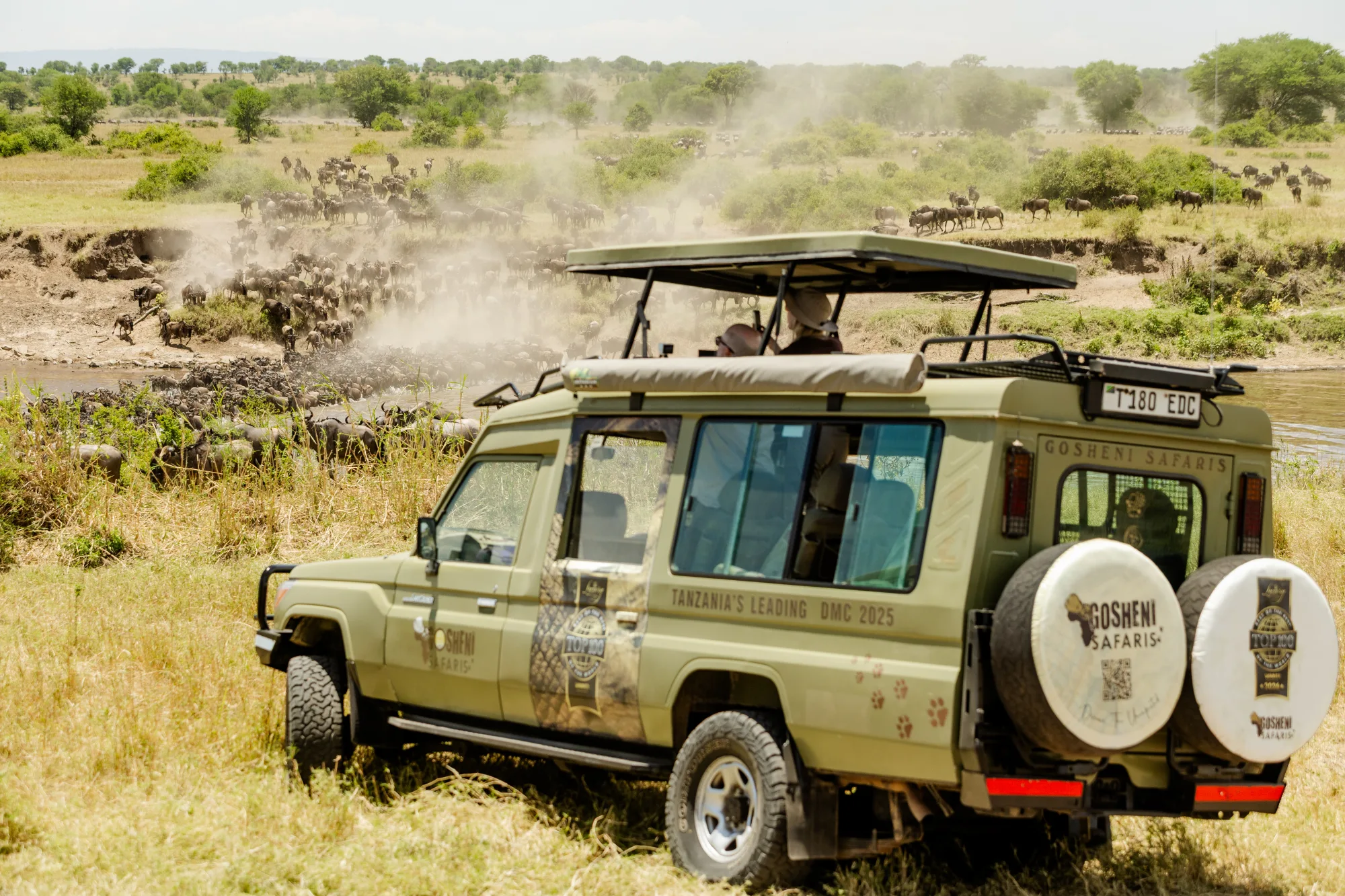
Book the river crossing safari for July to October. The herds are in Northern Serengeti, moving across the Mara River. A crossing can last four minutes, and waiting for one can take four days, which is precisely why the itinerary allocates four nights at Kogatende rather than a single afternoon at the river. We fly you straight in so the safari begins in the migration zone instead of losing a day to the road.
Both itineraries then add three nights in Central Serengeti for resident leopard, lion and cheetah, and a full day inside Ngorongoro Crater, so the portfolio you go home with is not dependent on one event happening on cue.
Why we cap the vehicle at four photographers
One to four photographers travel in one vehicle. Five to eight means two vehicles, and nine to twelve means three. We will not seat six photographers in one vehicle under the Signature label.
This is the part of the product most operators quietly compromise, because a fifth and sixth seat is almost pure margin. It is also the part that decides your images. With four, every photographer has a window and practical access to the pop-up roof, room for a long lens and a second body, and a beanbag position that is not somebody else's elbow. With six, two people are always shooting past someone.
The vehicle is private to your booking, which is what allows the day to follow the wildlife instead of a group consensus. It carries a refrigerator, charging points, binoculars and Wi-Fi where there is network coverage.
Why travel with Gosheni
Local guiding and field knowledge. A photographic safari lives or dies on the guide. Knowing the road network is not enough: the guide has to read herd movement, understand river access, judge vehicle positioning against the light, and know when waiting is worth more than driving.
Our own safari fleet. We operate our own customised vehicles and manage our own guiding team, which gives us direct control over vehicle condition, equipment and who is assigned to your booking.
Time in the right place. Four nights in the migration zone and three in Central Serengeti means fewer camp changes and far more productive hours in the field.
Honest promises. We do not advertise a guaranteed river crossing, birth or hunt, because no operator can deliver one. We commit to the things that genuinely raise your odds: the right region, enough nights, an experienced guide, a private vehicle and the patience to be in position before anything happens.
Who these safaris are for
Wildlife photographers and serious enthusiasts; photography clubs and hosted photo groups; couples who want a slower, observation-led safari; repeat safari travellers who have stopped collecting species and started working on behaviour and light; content creators who need more field time than a standard itinerary allows; and anyone specifically interested in the Great Migration.
You do not need to be a professional. There is no compulsory kit list, and beginners are welcome. What the safari asks of you is the willingness to sit with a sighting rather than tick it off. A private professional photography host can be added to either itinerary if you want field instruction and image review.
Questions
Frequently Asked
A photographic safari is a private safari paced for photography rather than sightseeing. It spends several nights in one ecosystem instead of moving camp daily, caps the vehicle at four photographers so everyone has a window and roof access, and gives the guide licence to stay with a sighting for an hour. The parks and the lodges are often the same; the pacing, the seat count and the guiding brief are not.
Our twelve-day Signature Photographic Safaris start at USD 6,500 per person for four photographers sharing a private vehicle, rising to USD 10,420 to 10,830 for a solo photographer with a vehicle to themselves. That includes park, conservation and crater fees, all accommodation, the domestic flight, and the private vehicle with guide. International flights, visas and insurance are not included.
January to March for the calving season on the Ndutu and southern Serengeti plains, when newborn wildebeest concentrate predators into a small area. July to October for the Mara River crossings in Northern Serengeti. Central Serengeti and Ngorongoro Crater photograph well year-round, which is why both of our itineraries include them.
A maximum of four, in a vehicle private to your booking. Five to eight photographers means two vehicles and nine to twelve means three. We do not put six photographers in one vehicle under the Signature label, because the window and pop-up roof access is what you are paying for.
No. These are wild events driven by rainfall, grazing and animal behaviour, and any operator who guarantees one on a given day is selling you something they cannot deliver. What we commit to is four nights in the correct region rather than a single afternoon, guides who read behaviour before it happens, and a private vehicle that can hold position for hours.
One or two camera bodies, a 100-400mm or similar telephoto zoom, a longer prime for serious wildlife work, a 24-70mm or equivalent for landscapes, spare batteries, memory cards, backup storage, a cleaning kit with dust protection, and a beanbag or other support. Nothing is compulsory. Tell us what you are carrying before you travel, because the bush flights have stricter baggage limits than international airlines.
No. These safaris suit professionals, serious enthusiasts, photography clubs, couples with a strong interest in photography and content creators alike. Beginners are welcome, and a private professional photography host can be added for coaching, image review and field instruction.
The collection
Signature Photographic Safari journeys
2 safaris · every one adjustable
Related articles
 Photographic Safari
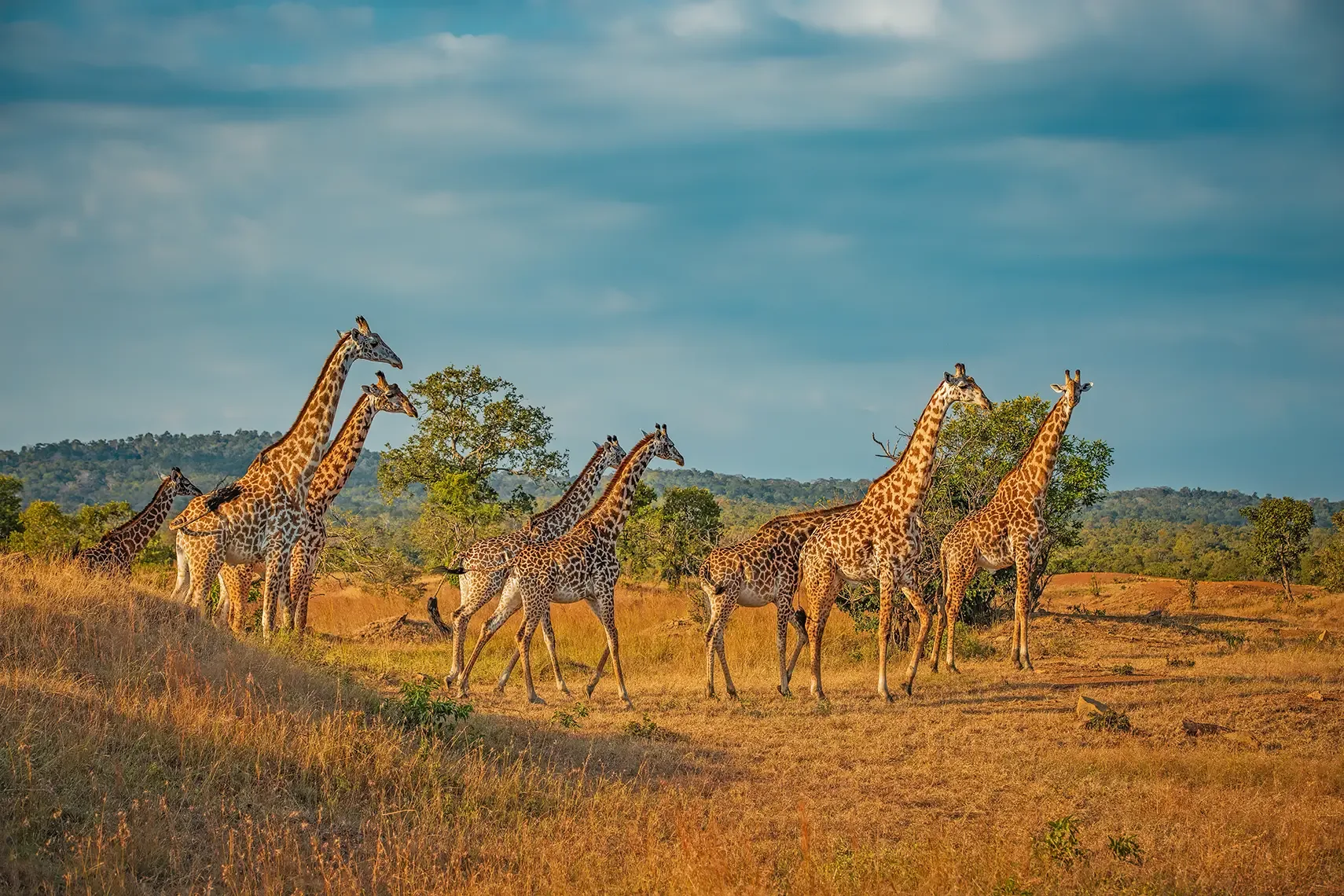
Grumeti Safari: Best Times, Wildlife Highlights & Travel Tips
Read More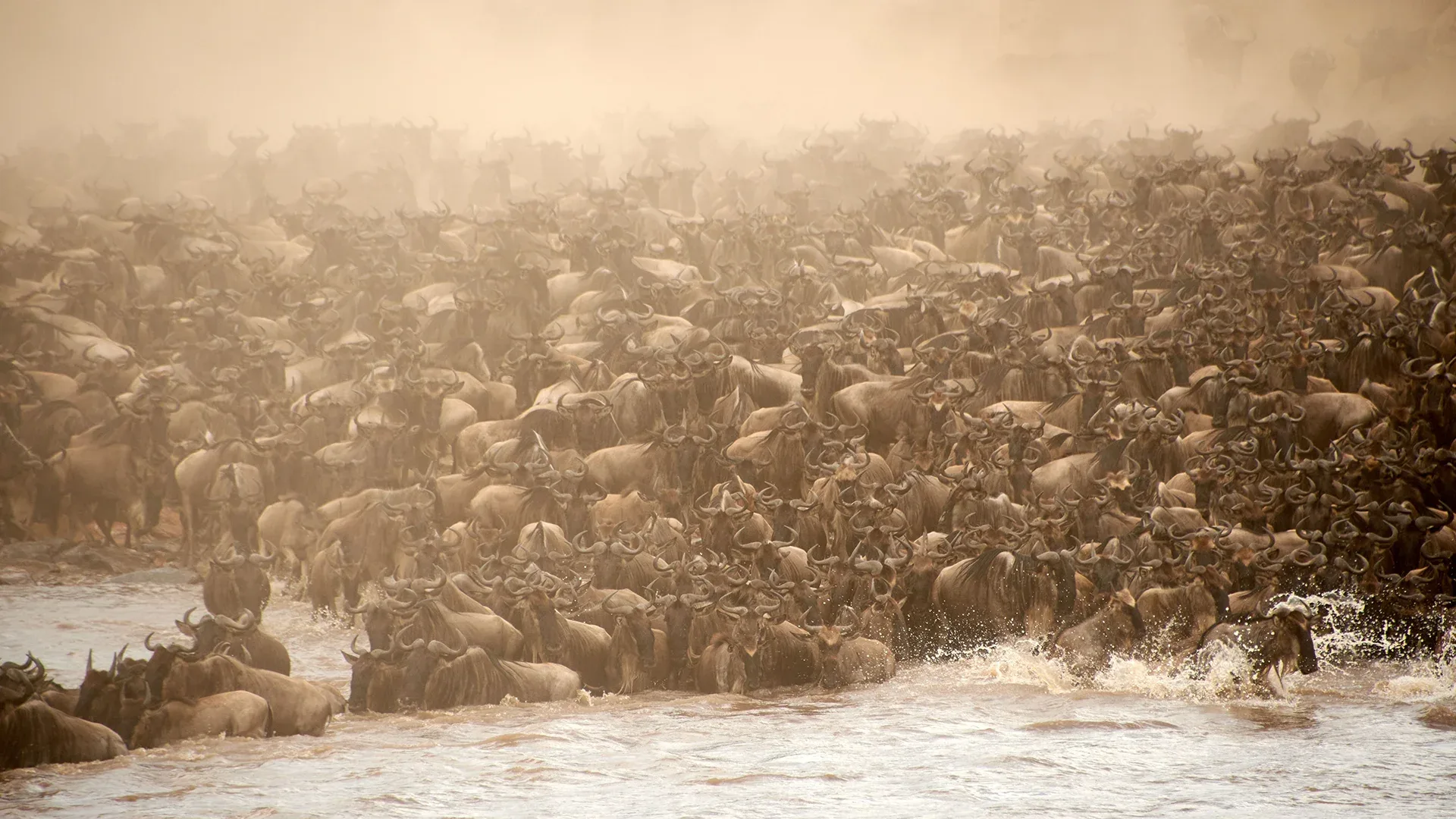 Photographic Safari
Great Migration Safari vs. Regular Safari in Tanzania: Understanding the Difference and How to Choose
Read More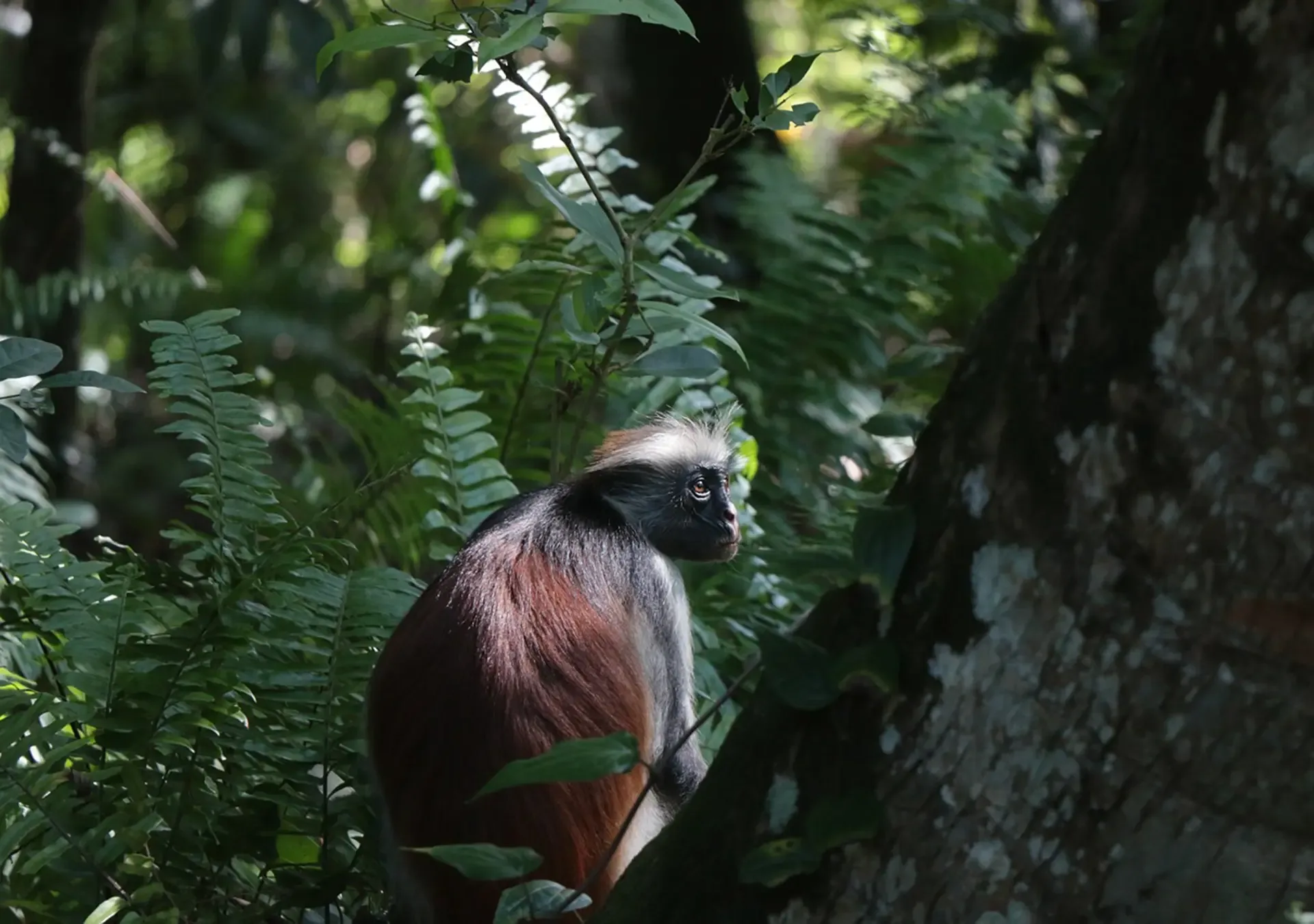 Photographic Safari
Jozani Forest and Spice Tour: Nature Activities in Stone Town Tanzania
Read MoreFound your style?
Now let's make it your safari
Tell us your dates and dreams, a specialist crafts your tailor-made itinerary within 24 hours. Free, no obligation.