Tanzania is home to the Ngorongoro Crater, Tarangire National Park, and the Ngorongoro Conservation Area. A private safari in Tanzania lets you build your own route across these parks instead of following a fixed group schedule. The first real decision isn't which lodge to book, it's how you'll move between parks: drive in a 4x4 safari truck, or fly between airstrips in a small bush plane.
Both approaches have loyal fans. The right one depends on your budget, your schedule, and the kind of trip you want. Here's how road trip safaris and fly-in safaris in Tanzania compare.
Understanding Tanzania Safaris
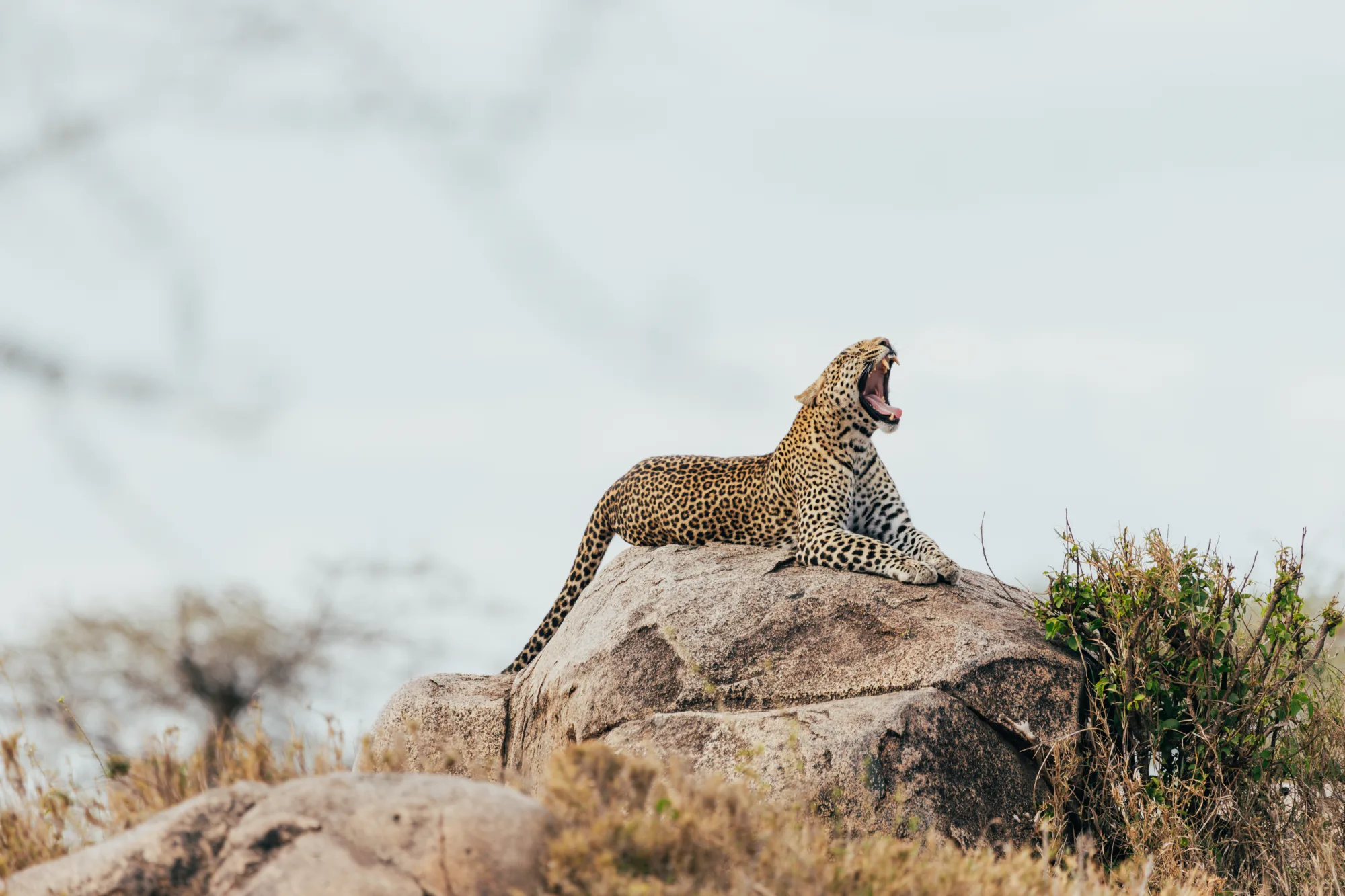
Tanzania's national parks hold the Big 5: lions, leopards, elephants, buffalo and rhinos. The Ngorongoro Crater is a UNESCO World Heritage Site, a volcanic caldera with one of Africa's densest concentrations of wildlife. Whether the goal is tracking lions across the Serengeti plains, watching elephants at a Tarangire waterhole, or timing a trip around the Great Migration, a private itinerary can be built around it.
Choosing Your Private Safari Destination in Tanzania
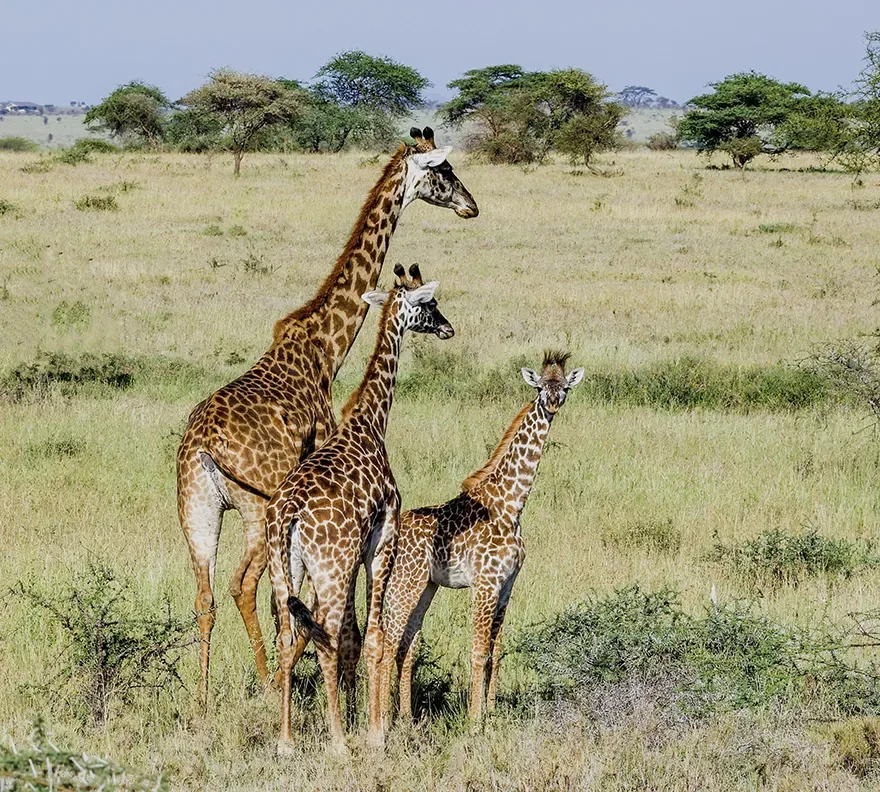
Each park has its own character. Serengeti National Park is known for its open plains and migration herds. Tarangire has ancient baobabs and large elephant herds. The Ngorongoro Conservation Area combines volcanic scenery with a wildlife-dense crater floor. A private safari in Tanzania means deciding how much time to spend in each, based on what you actually want to see.
Tanzania Safari Highlights
The Serengeti is the best known park, mainly because of the Great Migration; year-round you can also find lions, cheetahs and elephants here. The Ngorongoro Crater adds rare black rhinos and large lion prides to the list. Lake Manyara is known for tree-climbing lions and flamingos. The northern Serengeti, often the last stop on an itinerary, is where the Great Migration's river crossings happen.
The Road Trip Safari: Budget Option
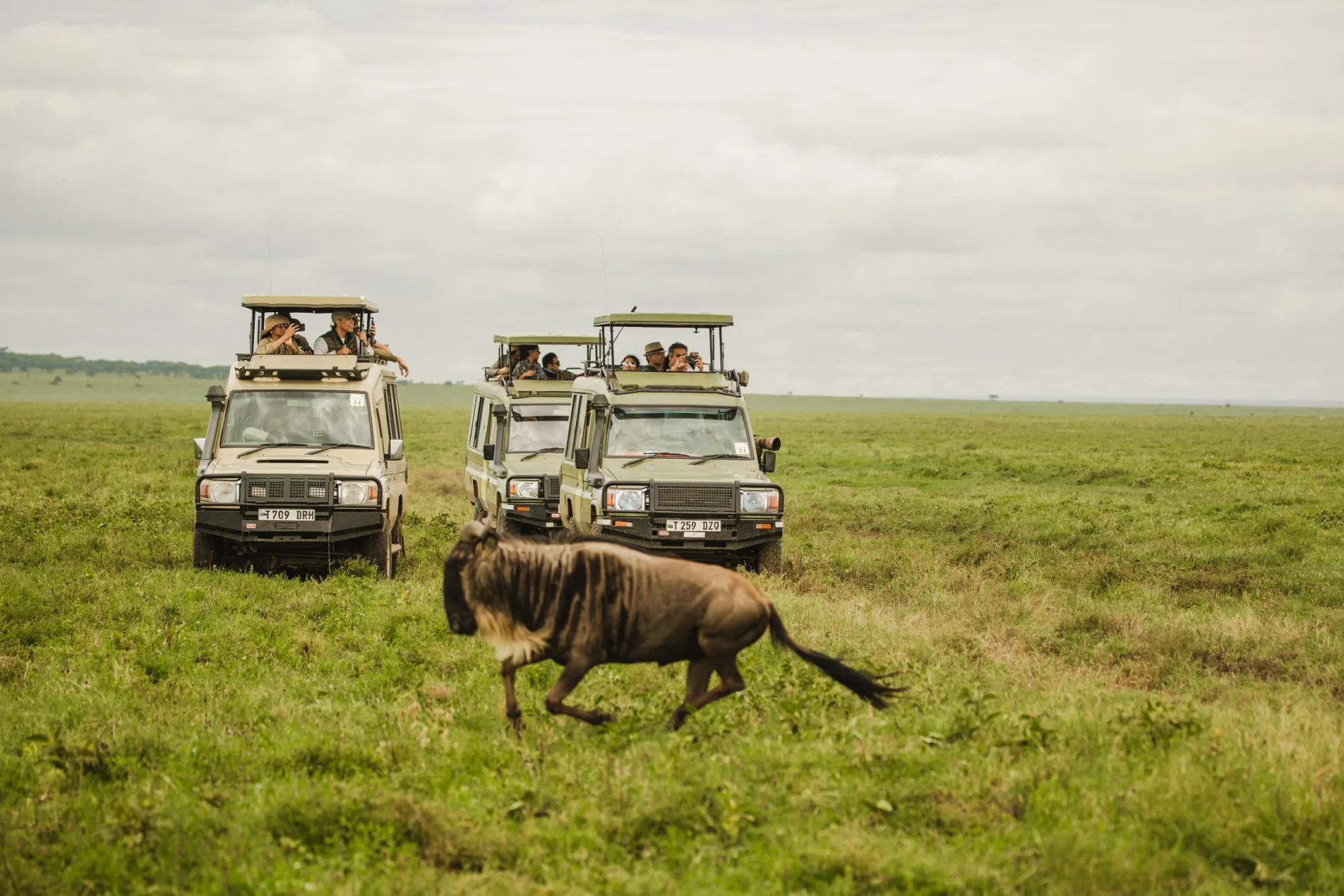
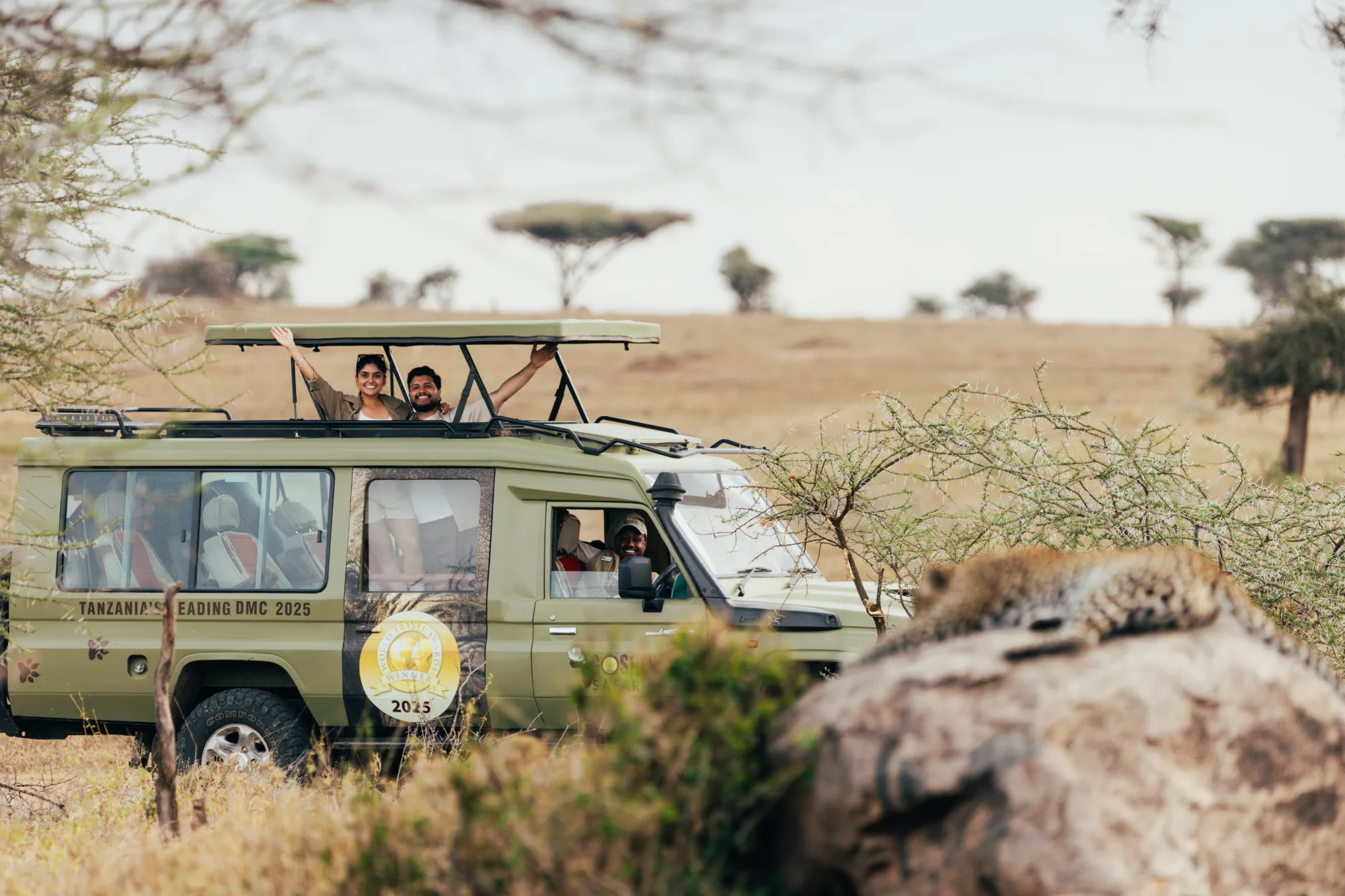
A road trip safari usually starts in Arusha, the gateway to Mount Kilimanjaro and Mount Meru, then continues to Tarangire, Lake Manyara, the Ngorongoro Conservation Area and the Serengeti. Driving between parks is how most Tanzania safaris have been run for decades, and it's still the backbone of most tailor-made itineraries.
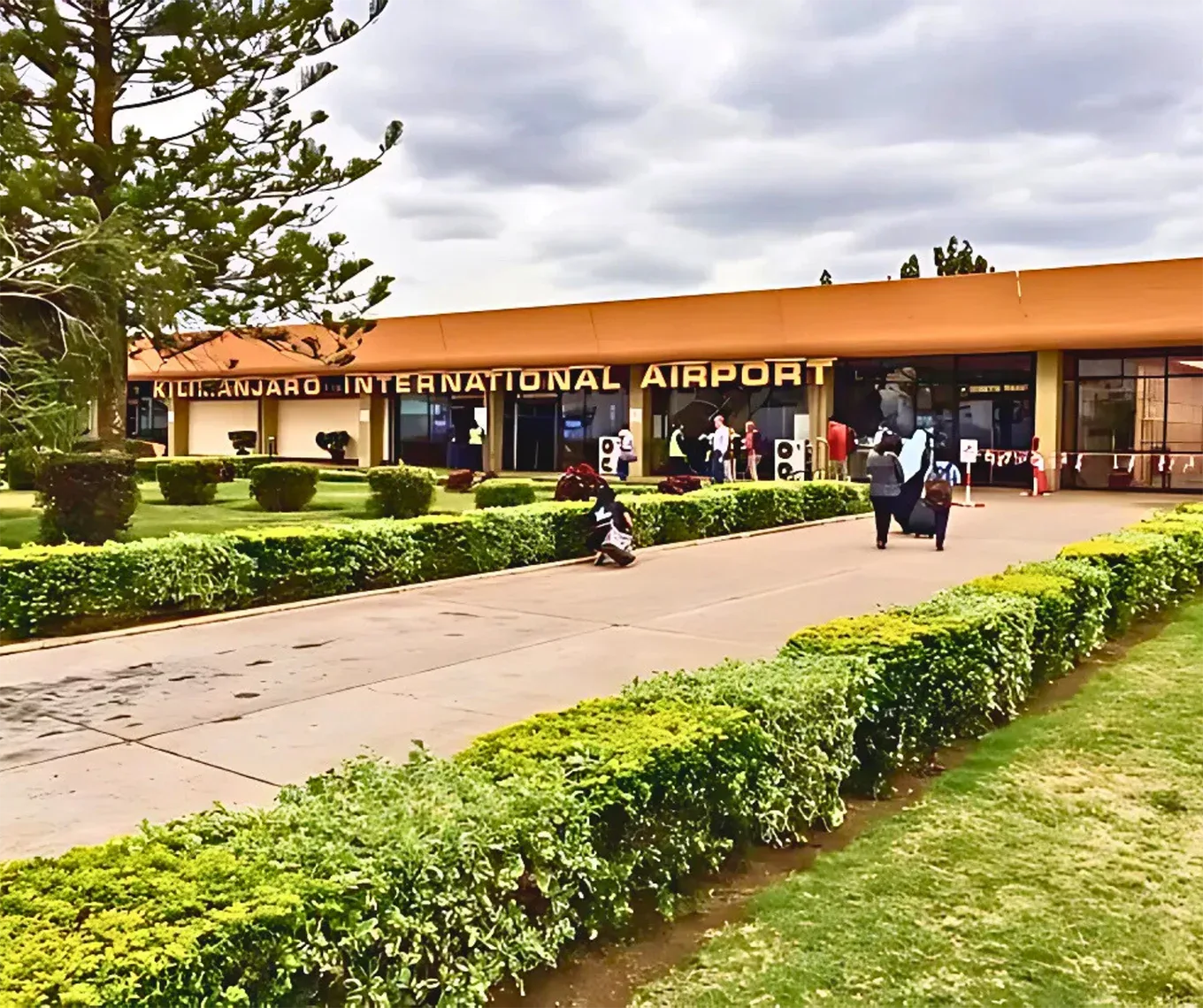
Cost: For two travelers, expect $400 to $800 per person per day, depending on accommodation, from mobile tented camps to permanent lodges. An 8 to 10 day northern circuit itinerary runs $4,000 to $10,000+ per person, including airport transfers from Dar es Salaam or Kilimanjaro International Airport.
Time: The drives add up. Arusha to Tarangire is about 2 hours. Tarangire to Lake Manyara is another hour. Ngorongoro to the Serengeti can take 6 to 8 hours. Many operators treat the driving itself as part of the experience, since you spot wildlife along the way.
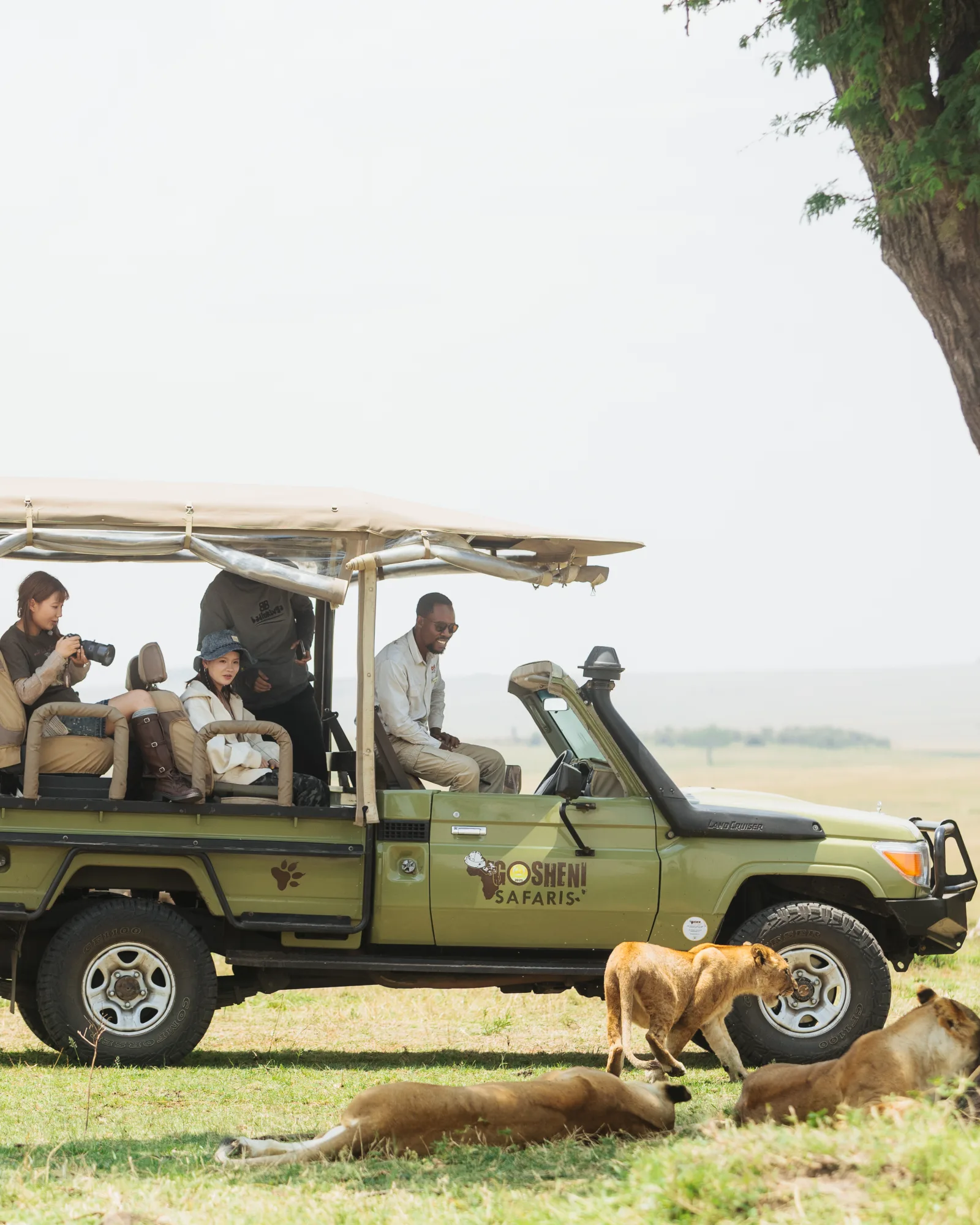
Comfort: The customized Land Cruisers used for game drives aren't built for long hauls, and a third day of dusty, corrugated roads wears on you. In exchange, you get close contact with the landscape: Maasai villages along the route, breakfast with the Tarangire River as your view, picnic lunches during game drives.
Best for: Travelers with time to spare who want to see the country at ground level and keep costs down. First-timers tend to get the best value this way.
The Fly-In Safari: Fast and Comfortable
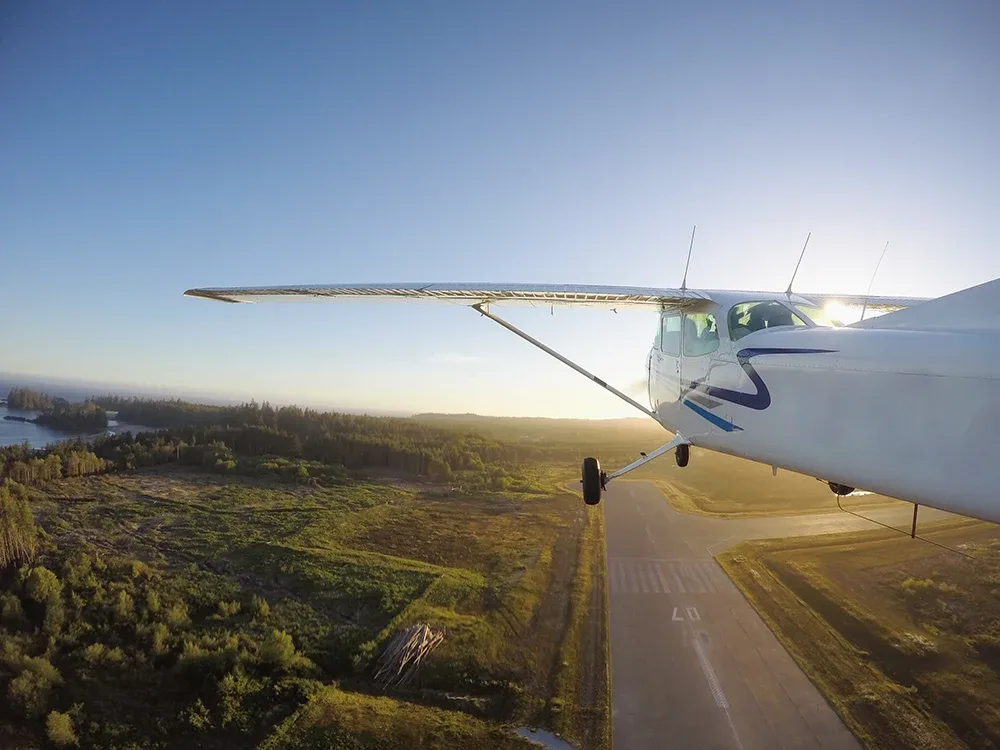
Fly-in safaris use charter planes to get you from Arusha or Kilimanjaro to the Serengeti, the Ngorongoro Conservation Area, or Tarangire in under an hour. Then it's straight into the parks.
Cost: Charter flights run $200 to $600 per person per leg. A full fly-in circuit covering the same northern parks as a road trip adds another $1,500 to $3,000 per person on top of that, before luxury lodge or tented camp rates. A 7-night trip can run $8,000 to $15,000+ per person.
Time: For US travelers with 7 to 10 days, a fly-in safari makes sense. You can cover the Serengeti, the northern Serengeti, the Ngorongoro Crater, and Tarangire in 5 or 6 nights, with no days lost to driving.
Comfort: Fly-in safaris suit anyone who'd rather skip long drives. The small planes give aerial views of the Serengeti plains and the Ngorongoro Crater, and the camps used tend to be high-end: good food, warm showers, a smaller group of fellow travelers.
Best for: Travelers short on time, celebrating a special occasion, or chasing the Great Migration with minimal driving.
The Hybrid: Both Worlds
Many experienced Tanzania safari operators recommend a hybrid: drive the scenic, doable leg from Arusha to Tarangire and Lake Manyara, then fly the longer legs into the Serengeti and back. It combines the road trip's variety with the time savings of flying.
Great Migration Safaris
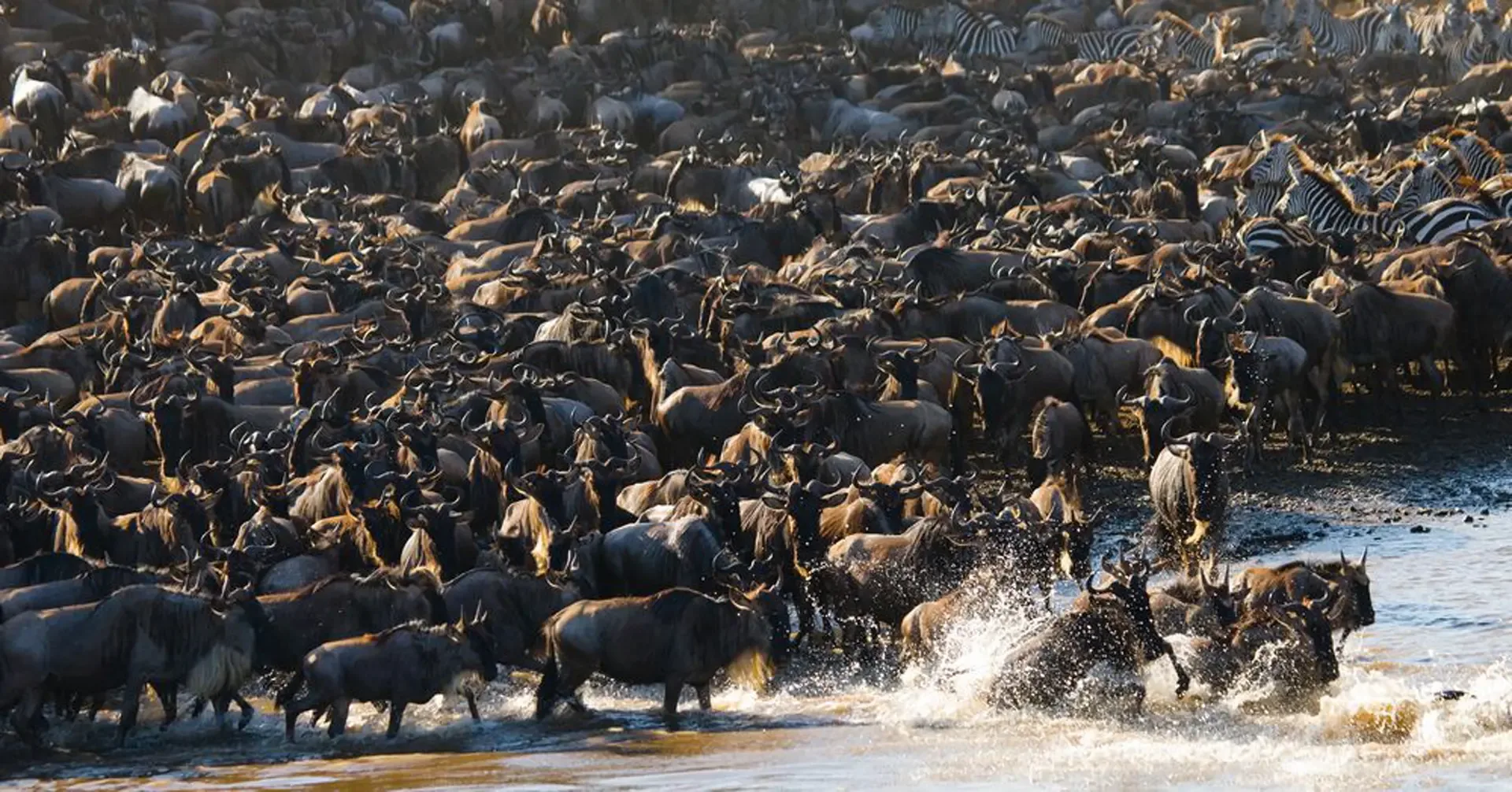
The Great Migration draws more travelers to Tanzania than almost anything else. Each year, millions of wildebeest, zebras and antelope cross the Serengeti plains. The best window to see it is June to October, when the herds gather in the northern Serengeti and river crossings near the Grumeti play out.
Accommodation Options
Tanzania's safari circuit runs from boutique lodges to multi-day luxury camps. Travelers who want comfort can find lodges on the rim of the Ngorongoro Crater or inside the Serengeti; travelers after a more rustic feel can book tented camps. Most camps and lodges sit close to good game-drive access, double occupancy rooms are widely available, and most accommodation packages include airport transfers.
Departure and Arrival
A Tanzania private safari typically starts in Arusha, the main gateway to the country's national parks. From there, travelers head out by road or air to the Serengeti, Tarangire, or the Ngorongoro Crater. On departure day you're transferred to the airport, usually in Dar es Salaam or Kilimanjaro. Many travelers add on a few days in Zanzibar, for beaches and the history of Stone Town.
Planning and Preparation
The dry season, June to October, is the best time for wildlife viewing, when animals cluster around remaining water sources. If the Great Migration is the priority, July to September puts you in the Serengeti for the river crossings. Accommodation ranges from full-service lodges to tented camps, and most packages include airport transfers from Dar es Salaam or Kilimanjaro International Airport. Game drives run in custom-built safari vehicles. Double rooms are widely available for couples or friends traveling together; solo travelers usually pay a single supplement.
The Bottom Line for US Travelers
If budget matters more than time, a road trip safari works well: game drives on the crater floor, afternoons watching lions at Tarangire, nights under canvas in the Serengeti, all without flying. If time is tight, a fly-in safari gets you to more parks with less driving. Either way, itineraries covering the Serengeti, the Ngorongoro Crater and Tarangire are available, including 7-day Serengeti migration safaris and Ndutu calving-season migration safaris, with an optional Zanzibar extension.
Want to Create a Customized Road and Fly-In Safari?
You can customize any of the itineraries below. Write to us about the safari you have in mind.
Curated Journeys
Safaris to Inspire This Journey
Handcrafted itineraries that bring this story to life.
The Great Migration Overview
The migration's timing drives most of the planning decisions above: the dry season (June to October) for general wildlife viewing, and July to September for the Serengeti's river crossings.
Tanzania Safari Experiences
- 5-day Serengeti Great Migration Safari
- 7-day Great Wildebeest Migration Calving Safari
- 7-day Tanzania Wilderness Safari
- 5-day Tanzania Mid-Range Safari
- 5-day Wildebeest Calving Safari
- 7-day Great Serengeti Migration Safari
Where You'll Stay