

Tanzania safari destination
Ngorongoro Conservation Area
The Ngorongoro Conservation Area is a protected area of 8,292 km² in northern Tanzania, about 180 km west of Arusha, and its western side runs up against Serengeti National Park. It was created in 1959, and it is the onl…
The destination
About Ngorongoro Conservation Area
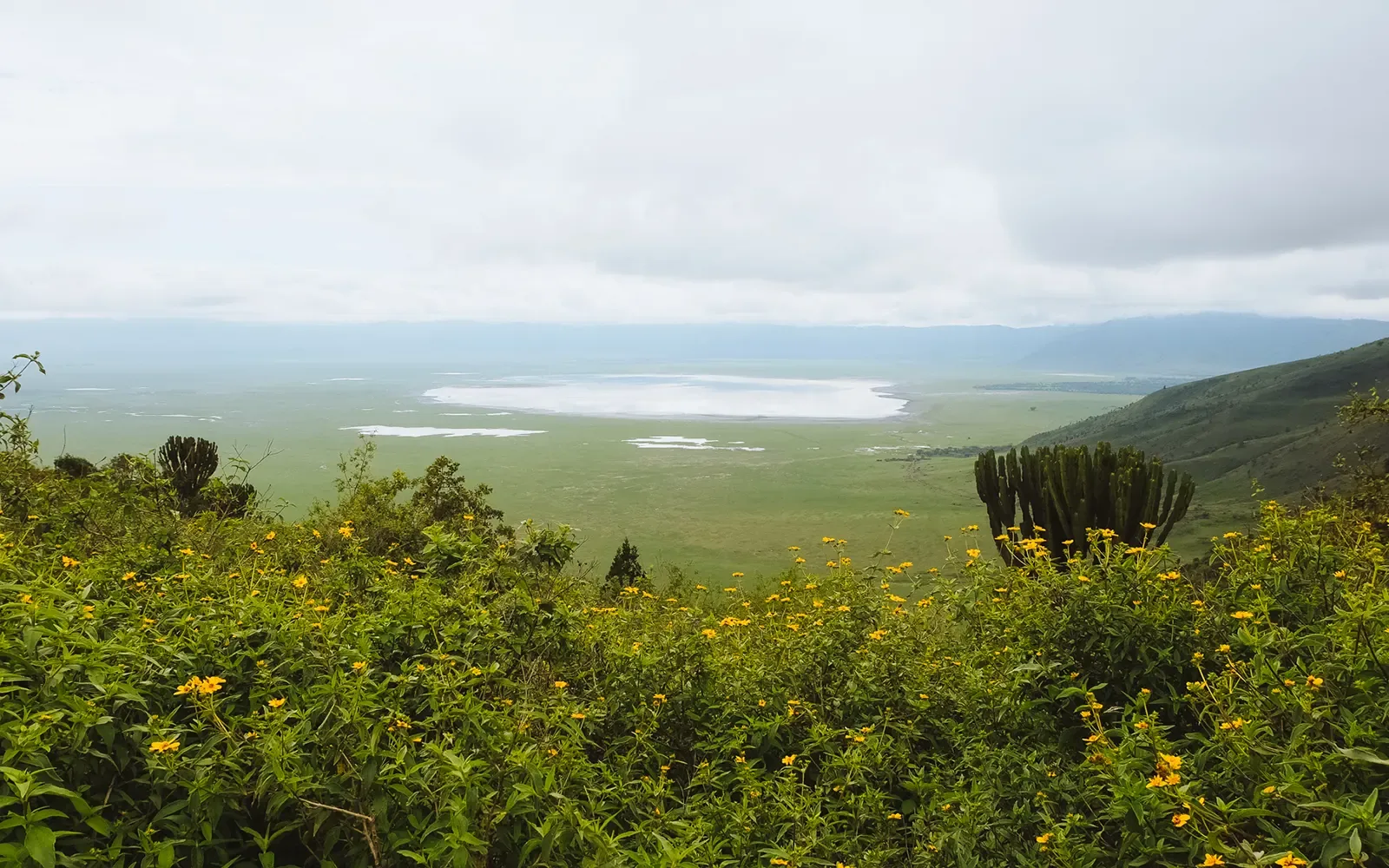
The Ngorongoro Conservation Area is a protected area of 8,292 km² in northern Tanzania, about 180 km west of Arusha, and its western side runs up against Serengeti National Park. It was created in 1959, and it is the only conservation area in Tanzania that protects wildlife while letting people live inside it, so you will share the roads with Maasai herders and their cattle. UNESCO inscribed it as a World Heritage Site in 1979. Most visitors come for the Ngorongoro Crater, but the area also holds Olduvai Gorge and the smaller Olmoti and Empakaai craters. The crater floor covers 260 km² (100 mi²), and the walls rise about 610 metres (2,000 ft) above it. An eruption enriched the area with mineral-rich dust, which made the soils fertile, and underground rivers feed springs that bring nutrients to the surface. Those springs keep water on the crater floor all year, and the grazing animals that gather around them enrich the soil further. Swamps and patches of forest grew up over time, and today about 25,000 large animals live inside the crater. The Maasai are said to have named the place after the sound of a cowbell. People once lived and grazed cattle in the crater, but settlement there is restricted and grazing on the crater floor has been restricted since 2015. The crater is the core of the conservation area, which is valued as much for its archaeology, above all at Olduvai Gorge, as for its wildlife. There is a picnic area at the Ngoitokitok Springs where you can stretch your legs and eat lunch. With so much game on the crater floor, good sightings are close to certain in any month. More than 500 bird species have been recorded across the conservation area, from waterbirds to raptors. Some of the most important finds in the study of human evolution were made at Olduvai Gorge, where there is a museum and guided tours. Visits to Maasai homesteads can be arranged with a local guide, for an insight into the history and traditions of the people who live here. Guided walks on the crater rim and in the highlands around it can be arranged too. Game drives on the crater floor run as half or full days, with an experienced guide looking for the Big Five and everything else that lives there. Hiking trails run from the crater rim to the nearby mountains. Walking is not permitted on the crater floor itself.
Put it on your route
Weave Ngorongoro Conservation into your journey
- Tailor-made itinerary within 24 hours
- Free & no obligation, unlimited revisions
- Planned by born-and-raised local experts
Ngorongoro Conservation Area tours
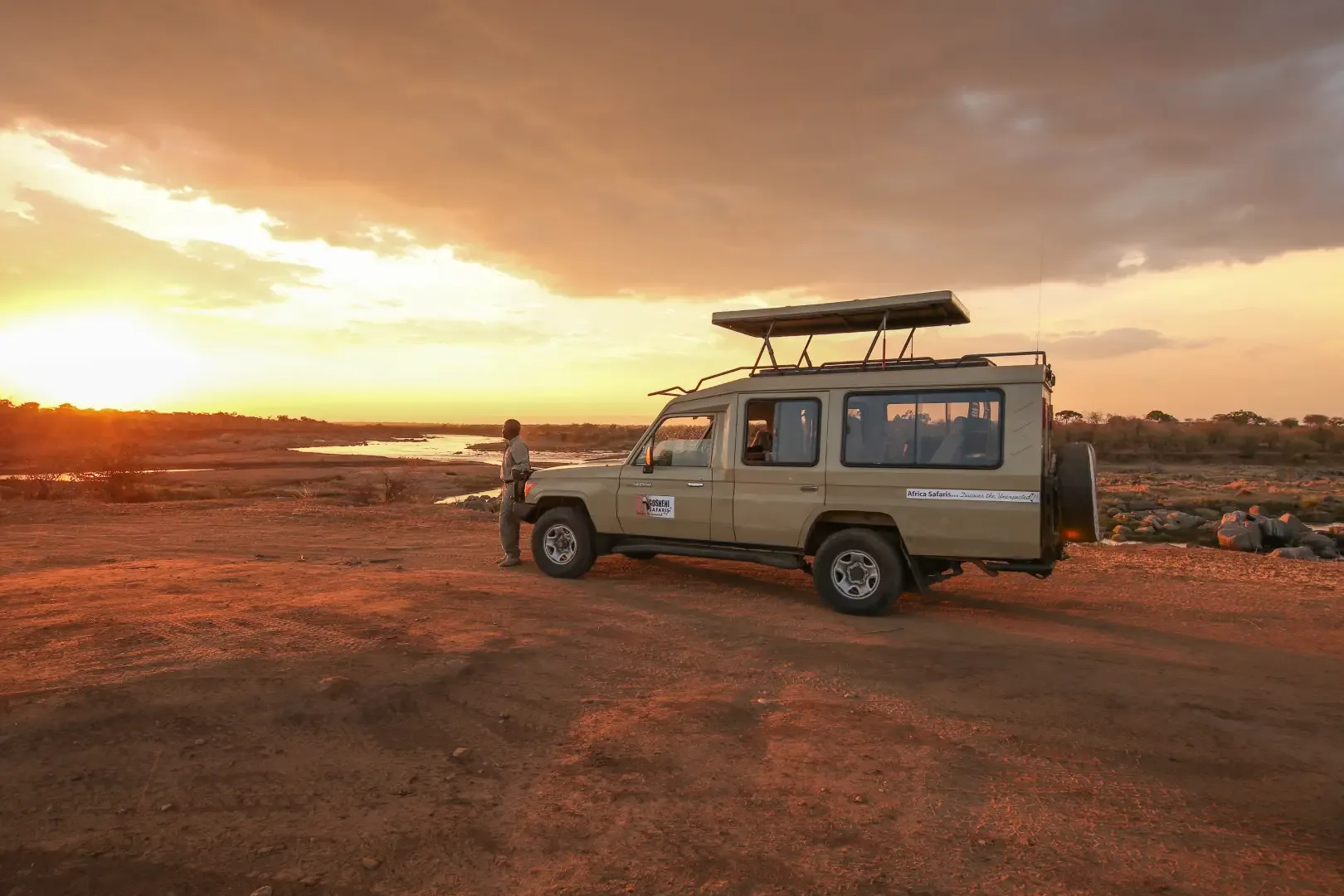
The quickest way in is our Ngorongoro Crater Day Trip from Arusha. You are picked up at about 5.30 to 6 in the morning, drive up through Karatu to the rim and spend the morning on the crater floor, about 600 metres below, with a picnic lunch down there. You are back in Arusha between 7 and 8 in the evening. It is a private trip in your own 4x4 with a driver-guide, and the conservation and crater fees are included. On our live tour page on 27 October 2026 it costs US$295 per person for a group of six in peak season and US$895 for one person travelling alone.
That is a long day. If you have longer, sleep near the crater and carry on to the Serengeti past Olduvai Gorge. The 6 Days Best Northern Tanzania Safari does exactly that: a day in the conservation area, then on through Olduvai Gorge to the Serengeti. It was from US$3,095 per person on 27 October 2026.
Empakaai Crater
Empakaai is a smaller crater about 40 km north of the Ngorongoro Crater, with a salt lake on its floor where flamingos feed. You can only walk down with a ranger. The path is steep, about 2.5 km down, and the walk takes around two hours there and back. The road out is slow, so it takes most of a day. Empakaai is not on any of our ready-made trips, so ask about it when you enquire.
Maasai bomas
Maasai families live throughout the conservation area, and from the road you will pass their bomas, the fenced homesteads where the cattle are kept at night. If you would like to visit one, tell us when you plan the trip.
Questions
Ngorongoro Conservation Area questions
No. The crater is one part of the conservation area, which covers 8,292 km² and also takes in Olduvai Gorge, the Olmoti and Empakaai craters and the Maasai grazing land around them.
Yes. The crater is about 180 km west of Arusha. Our day trip leaves Arusha at about 5.30 to 6 in the morning, spends the morning on the crater floor and is back in the evening.
Yes. It is the only conservation area in Tanzania that lets people live inside it, and Maasai families keep cattle across the highlands. Settlement and grazing on the crater floor itself are restricted.
The conservation area was created in 1959 and inscribed by UNESCO as a World Heritage Site in 1979. It was given mixed natural and cultural status in 2010.
How the Ngorongoro Crater formed
Around two million years ago a huge volcano erupted so violently that its cone collapsed in on itself. What was left is one of the largest intact calderas in the world: the Ngorongoro Crater.
People once lived and grazed cattle on the crater floor. Settlement was removed, and the crater became the core of the conservation area, which is valued for its biodiversity and for its archaeology, above all at Olduvai Gorge. The wider area is a mosaic of protected land next to the Serengeti, where Maasai families continue their traditional way of life. Grazing inside the crater is restricted to protect its ecosystem.
Wildlife in the Ngorongoro Crater
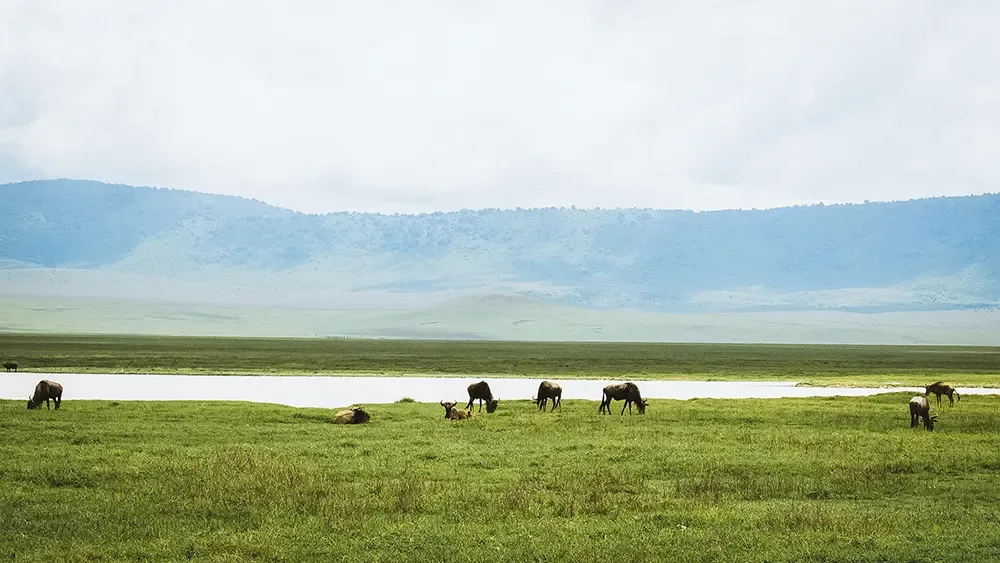
The crater is a good place to see animals in any month. Water and grass last all year, and the crater wall keeps the animals in, so the Great Migration does not change what you see. The floor is flat and fairly open, which makes spotting easier, especially after the rains.
- Lions live here at a high density, and you can see them on most days. The population is small and closed, which brings problems such as inbreeding.
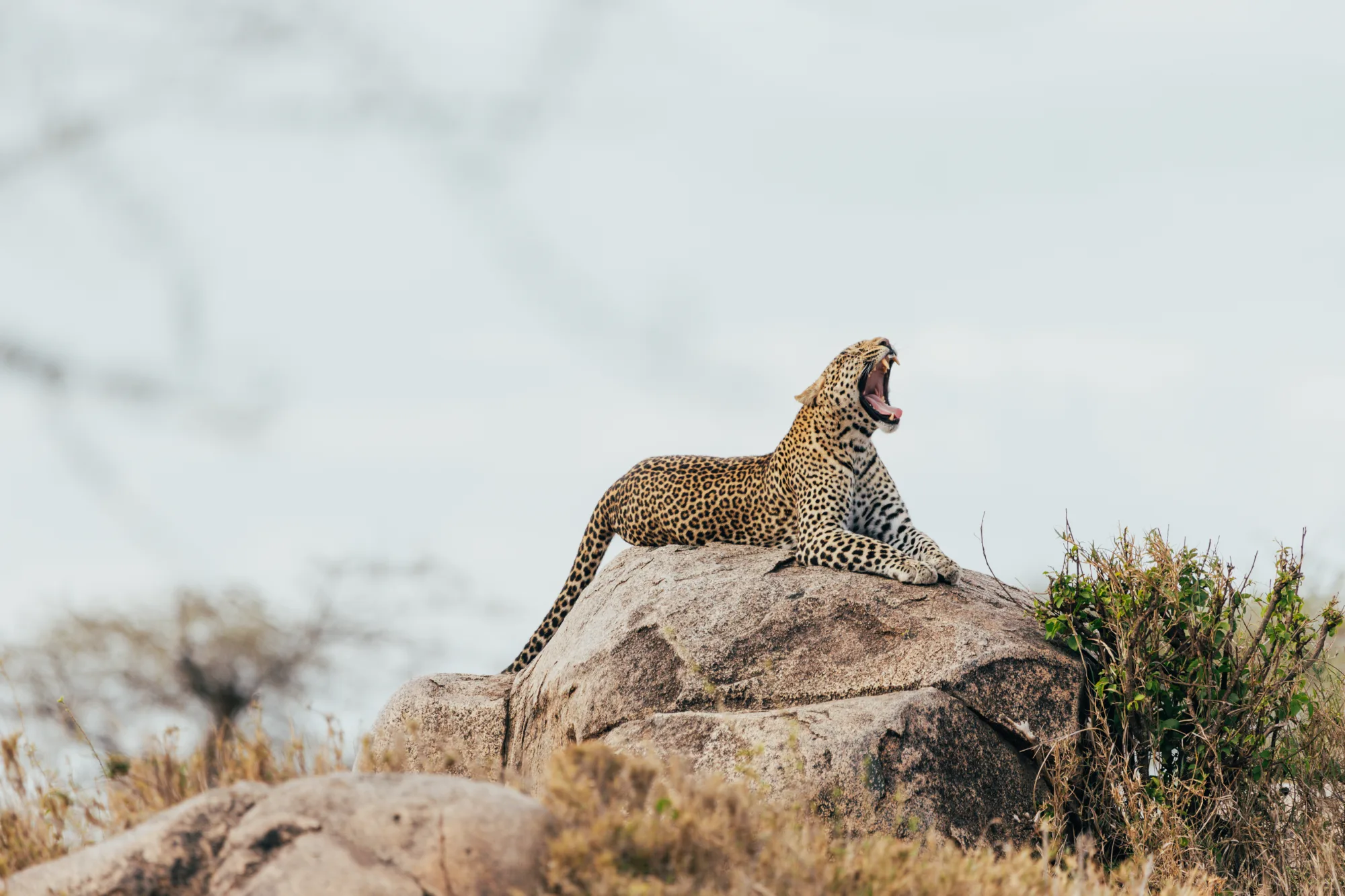
- Spotted hyenas are common. Cheetahs, leopards and African wild dogs are harder to find. Most of the leopards live in the Lerai Forest.
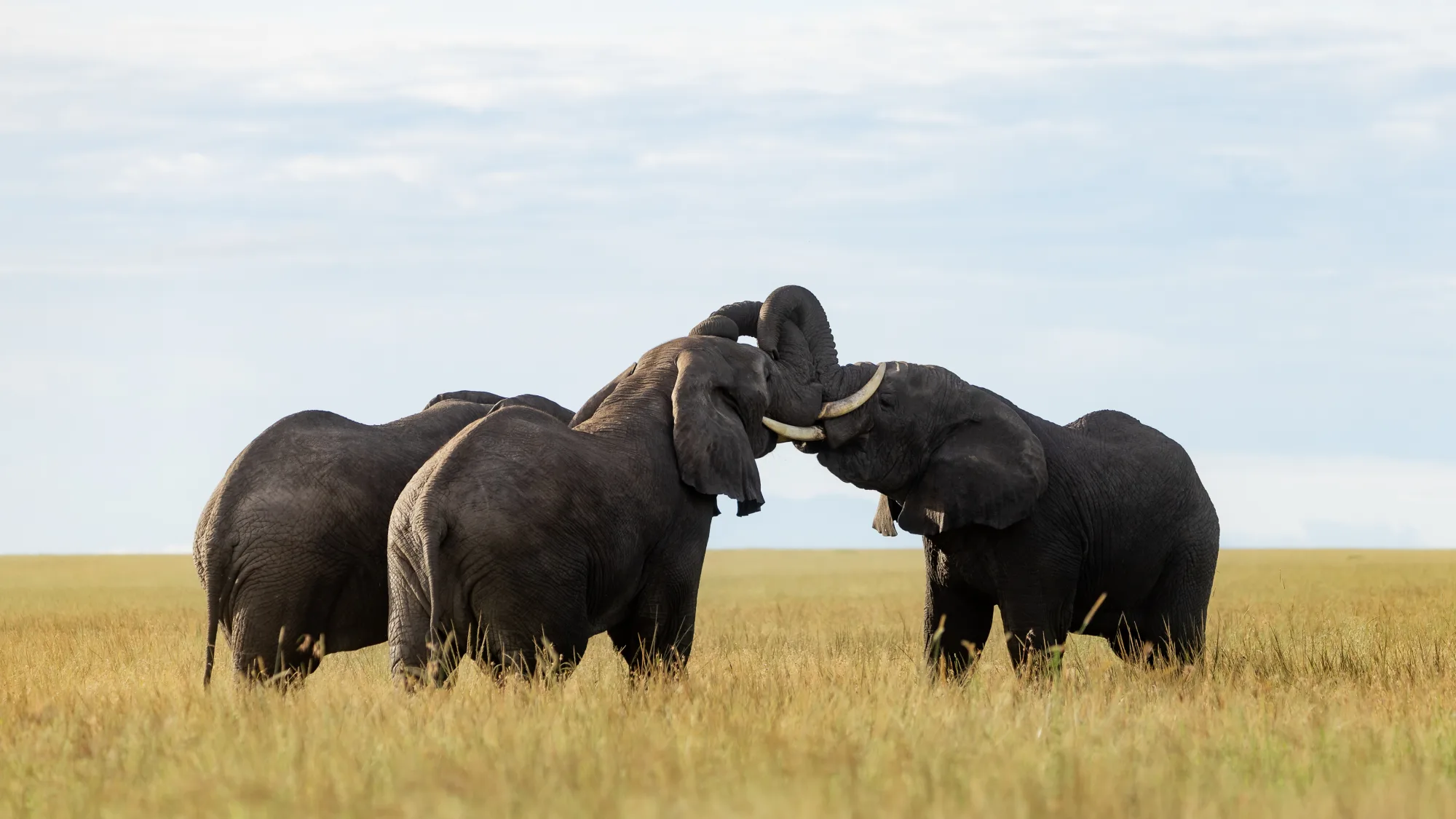
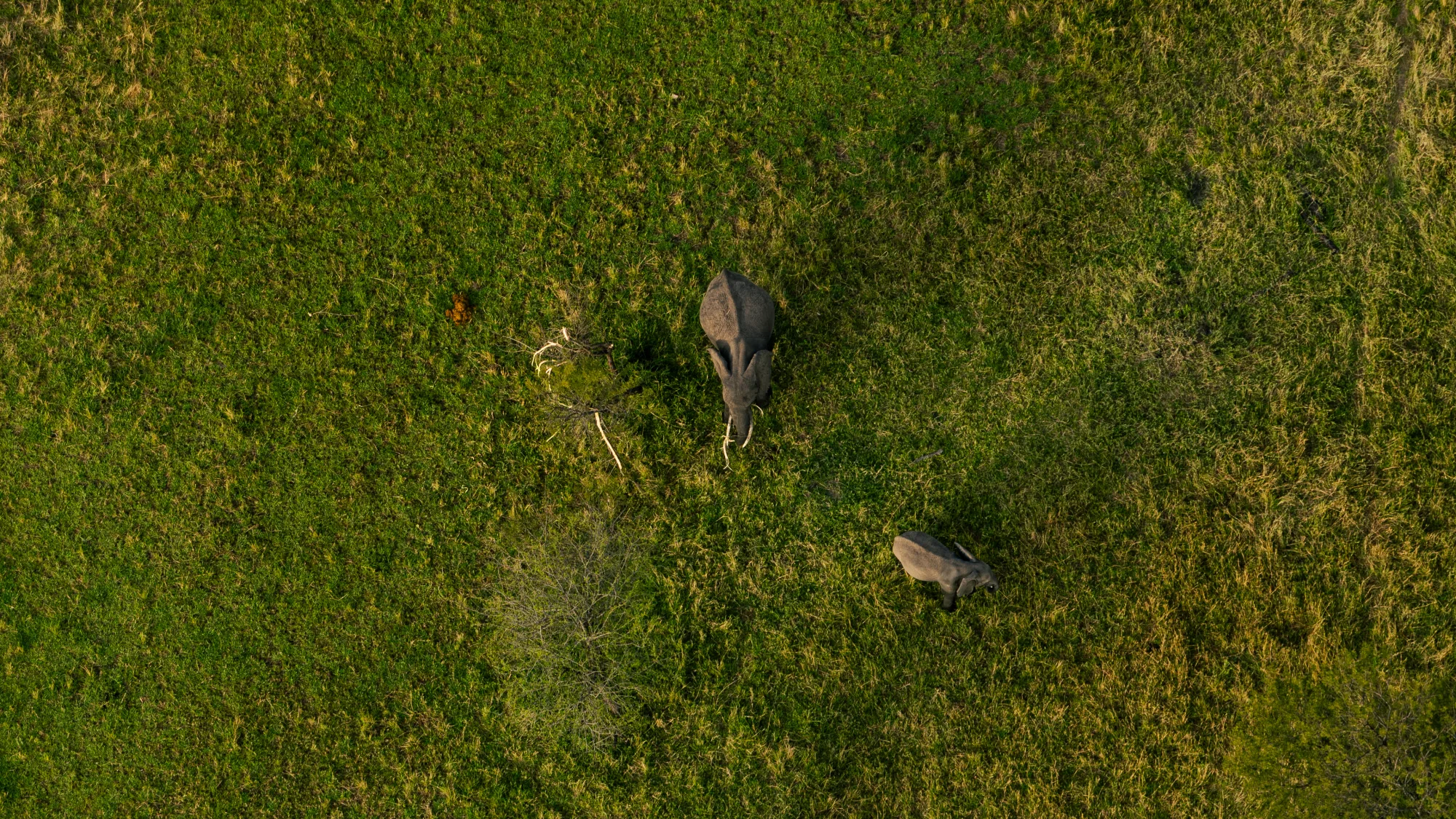
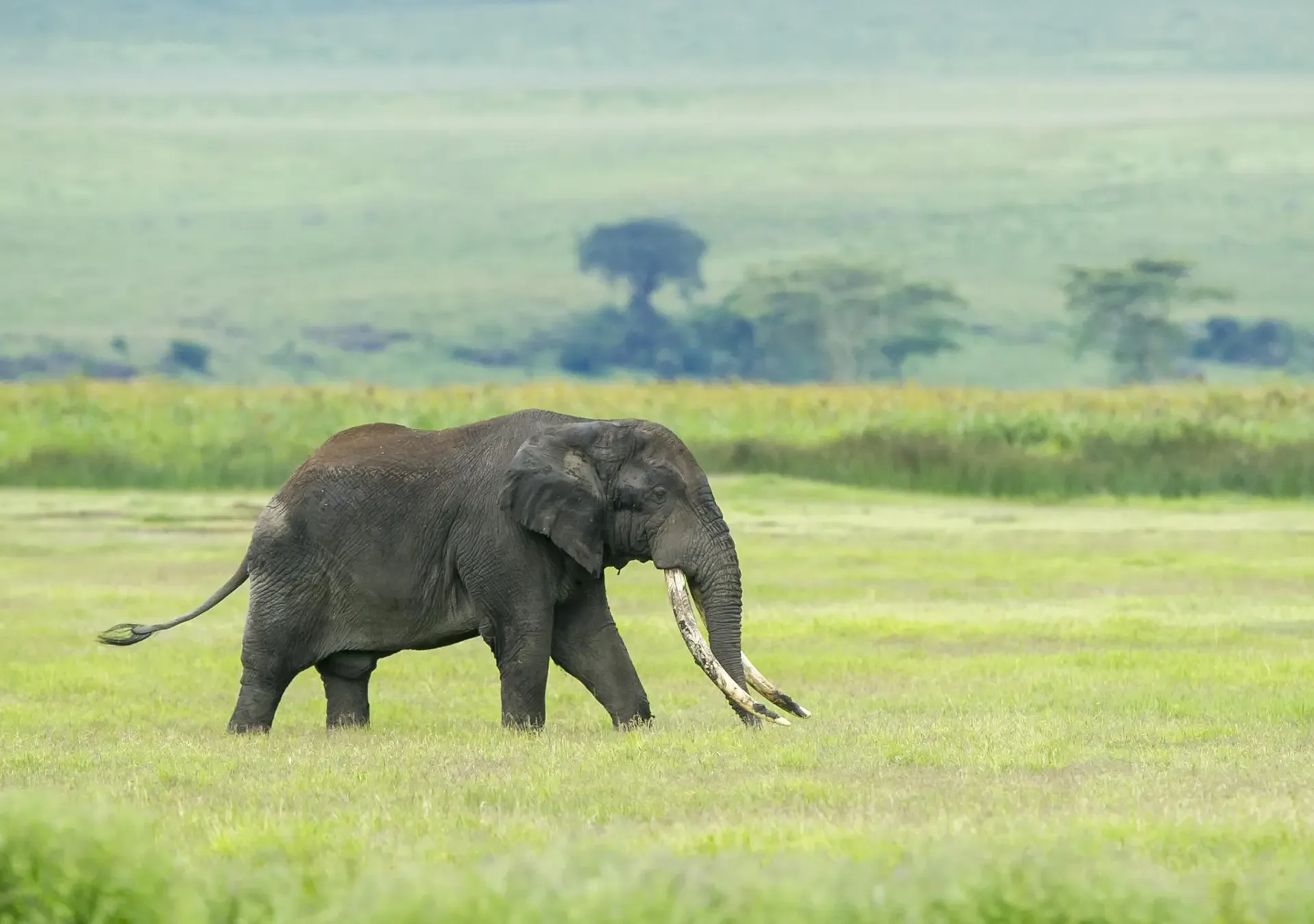
- Big herbivores include hippos, buffalo, elephants and black rhinos. Giraffes are not found in the crater.
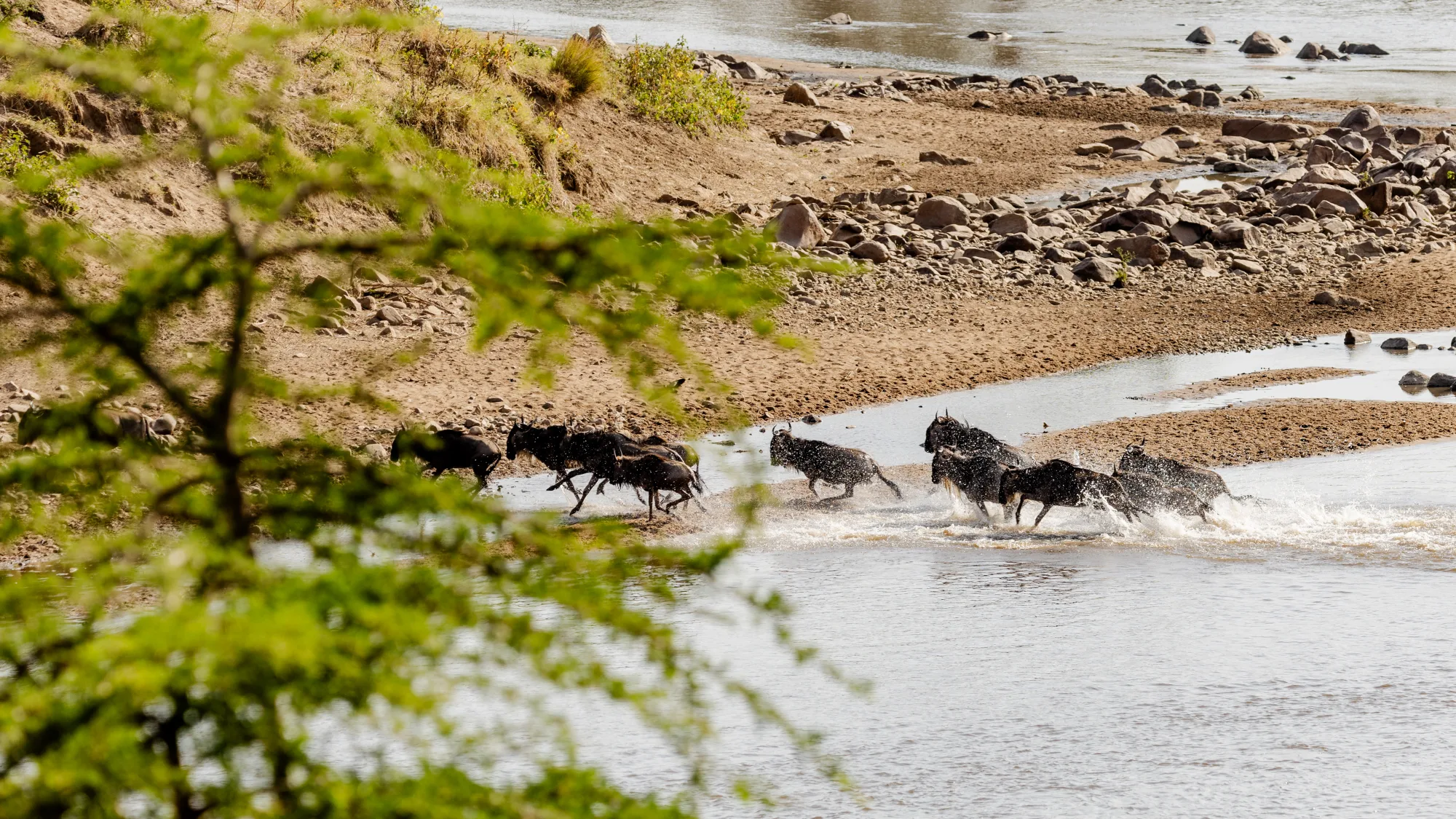
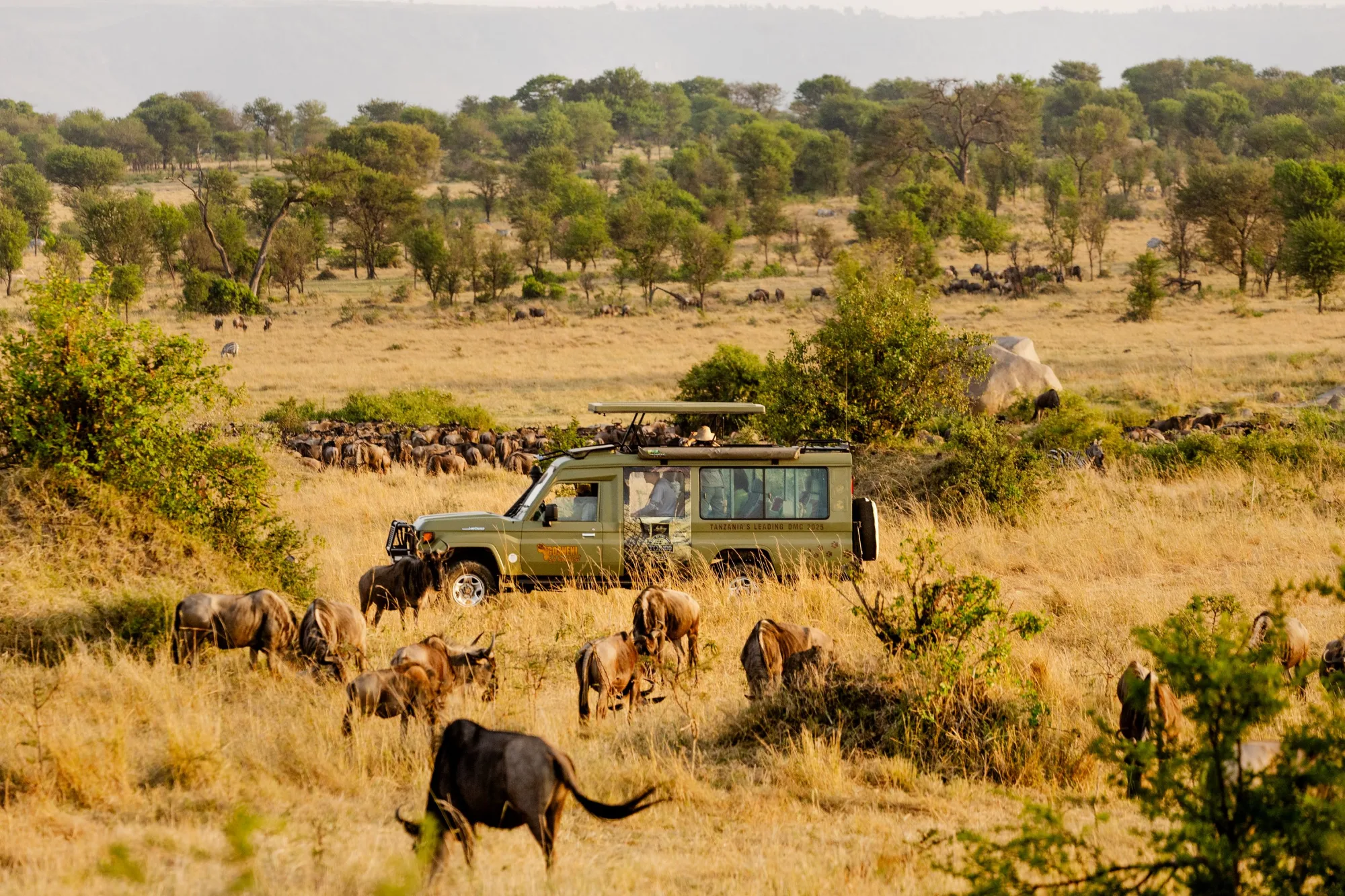
- Plains game such as wildebeest, zebra, warthogs and antelope fill the grassland, along with many kinds of birds.
If you want to look for the Big Five, the crater is one of the better places to try. Read more about our Big 5 safaris.
Visiting the Ngorongoro Crater: rules and timing
The crater has its own rules, which make a visit different from other parks.
- No walking safaris are allowed on the crater floor.
- All vehicles must leave the crater by 16:30, so there are no night drives.
- There is no airstrip in the crater, and the nearest entrance gate is 180 km (110 mi) west of Arusha.
- Queues at the entrance gate can be long, so an early start gives you more time on the floor.
A few lodges are perched on the crater rim, but most visitors stay within an hour's drive. Two to three days are suggested to explore properly, with walks and night drives done outside the crater.
Places to see on the crater floor
Lake Makat (Magadi)
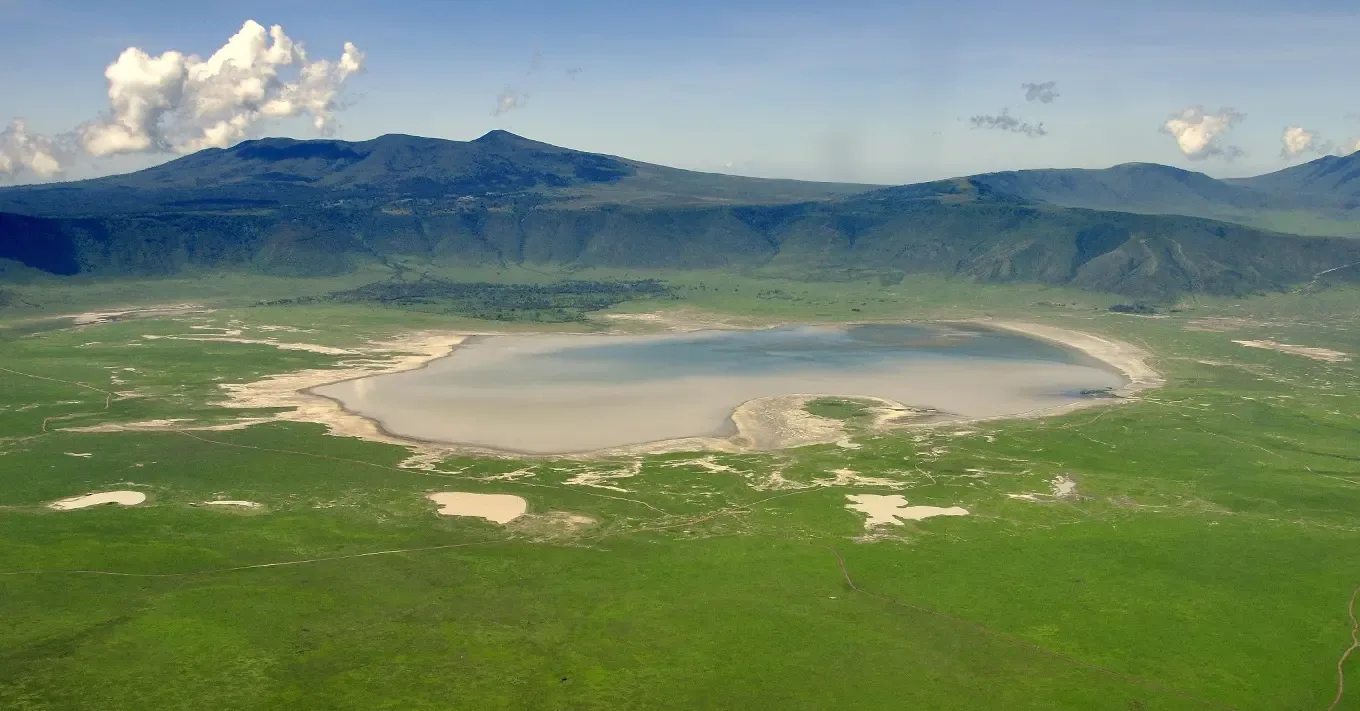
A shallow soda lake fed by rain and rivers. It adds colour when the grassland around it is dry. Thousands of lesser flamingos feed on the algae in the shallows, and the algae and bacteria turn their plumage pink. Hippos spend the day in the water and graze at night. Beside the lake are mud wallows used by buffalo, elephants, black rhinos and warthogs.
Lerai Forest
The north-facing slopes are greener than the dry south-facing ones, and the thicker soil at the foot of the slope lets big trees grow. Yellow-barked fever trees stand out, along with twisted fig trunks. Vervet monkeys, olive baboons and tree hyraxes live here, and so do the few leopards in the crater. Big bull elephants collect seed pods and bark, and bushbuck, eland and waterbuck feed beneath them. Some guides say it is the best place for black rhino.
Ngoitokitok Springs
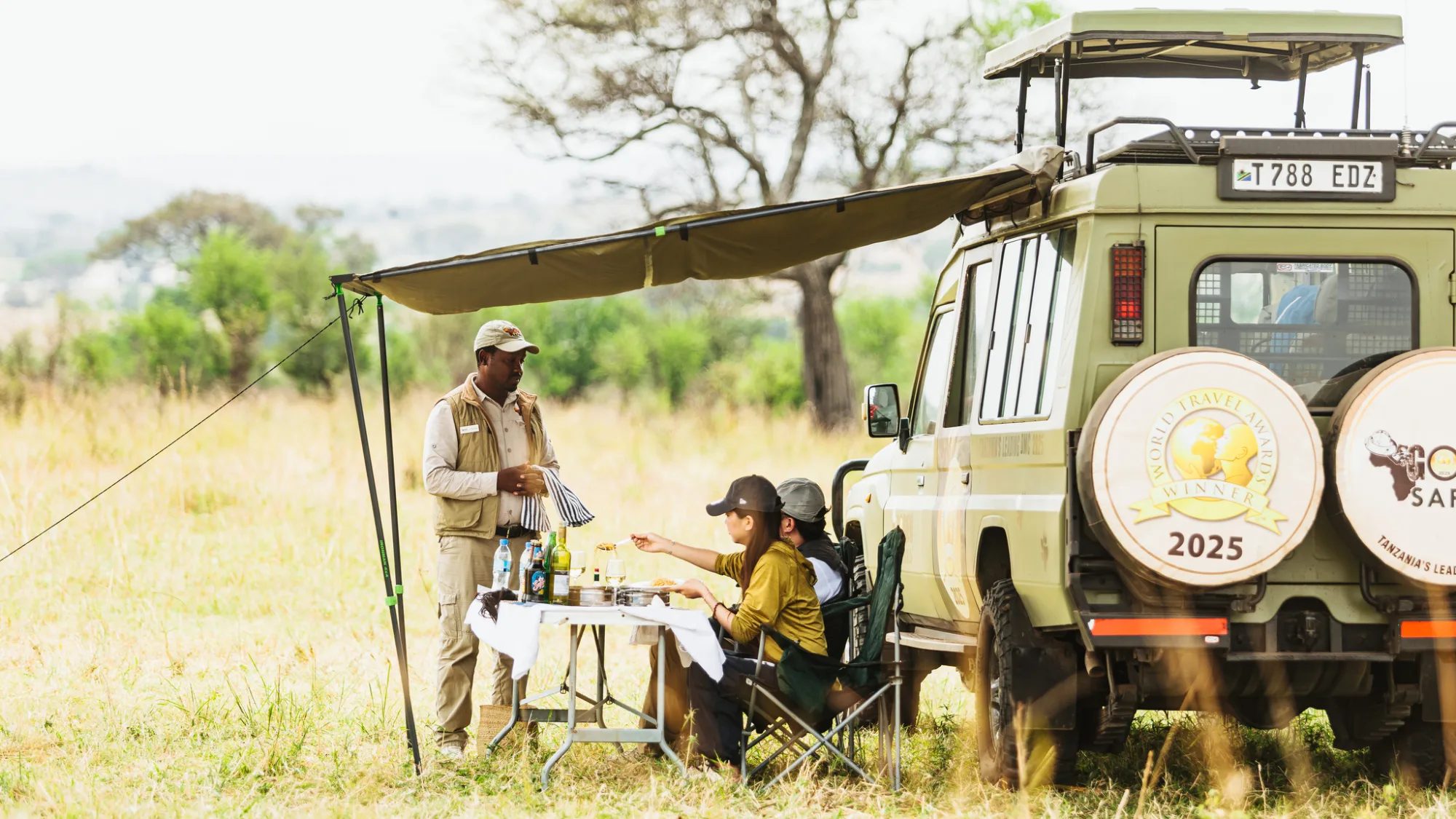
You spend much of the day in a vehicle, so the picnic stop here is welcome. Springs feed a small lake where hippos and waterfowl are almost always active. Elephant bulls and other animals often come down to drink, and the birdlife is rich.
Beyond the crater: the highlands of the conservation area
Western highlands
About 30 km north-west of the western gate is Olduvai Gorge, one of the world's major sites for the study of human origins, with a museum and guided tours. Lake Ndutu and Lake Masek in this area are known for their birds, and near the gorge are the Shifting Sands, a dark dune of volcanic ash that moves slowly west at about 17 metres a year. The Ndutu area also borders the Serengeti.
Eastern highlands
This is good walking country. At Empakaai Crater a long trek leads to the lake on the floor. From the highlands you can see Mount Kilimanjaro, Lake Natron and Ol Doinyo Lengai, the sacred mountain of the Maasai, which is an active volcano.
Southern highlands
Seldom visited, with spectacular scenery and good hiking. Experienced climbers can go up Mount Lemagarut for views of the Serengeti, the crater and Lake Eyasi. Walking safaris with experienced rangers are possible here too.
Northern highlands
Geographically this is part of the Serengeti ecosystem, but it falls under the conservation area's management. Thousands of wildebeest, zebra and antelope give birth here before they rejoin the circuit of the Great Migration.
Things to do in the Ngorongoro Conservation Area
- Game drives: half or full days with an experienced guide looking for the Big Five on the crater floor.
- Picnic: a catered picnic at a designated spot on the crater floor.
- Cultural visits: to local Maasai homesteads. The Hadzabe are usually visited near Lake Eyasi.
- Archaeological excursions: to sites that show how humankind evolved.
- Birdwatching: more than 500 species across the conservation area.
- Hiking: trails from the crater rim to the nearby mountains. There is no walking on the crater floor.
Weather and best time to visit Ngorongoro
The scenery is classic Africa: rolling grassland, hill country, a few high volcanoes, wooded ravines and rivers lined with large trees. Inside the crater, with the steep wall all around, it feels like a place that time forgot. At the foot of the slopes forest gives way to woodland, and the flat savanna below is a golden sea of grass.
The days are warm, the nights cool and sometimes cold, so bring layers. Little rain falls from June to October. From November to May two periods of rain bring isolated showers, but it seldom rains all day.
| Season | Months | What it means |
|---|---|---|
| Dry | June to September | Short grass makes animals easier to see. |
| Wet | November to May | Lush grass looks its best. |
| Quieter | April and May | Visitor numbers are high all year, with a slight dip in these months. |
Because the crater wall holds the animals in, wildlife numbers on the floor stay consistently high whatever the month.
More questions about Ngorongoro
How long should I spend at the Ngorongoro Crater?
A day on the crater floor is enough to see the main wildlife, but two to three days are suggested if you want to explore the highlands and do the activities that are not allowed in the crater.
Can you walk in the Ngorongoro Crater?
No. Walking is not permitted on the crater floor. You can walk on the rim and in the highlands with a guide.
What time do you have to leave the crater?
All vehicles must be out by 16:30.
Is the crater affected by the Great Migration?
No. The crater has food and water all year, so it is good in any month.
Find your bearings
Ngorongoro Conservation Area in context
Neighbouring destinations in Tanzania, tap any marker.
Where to stay
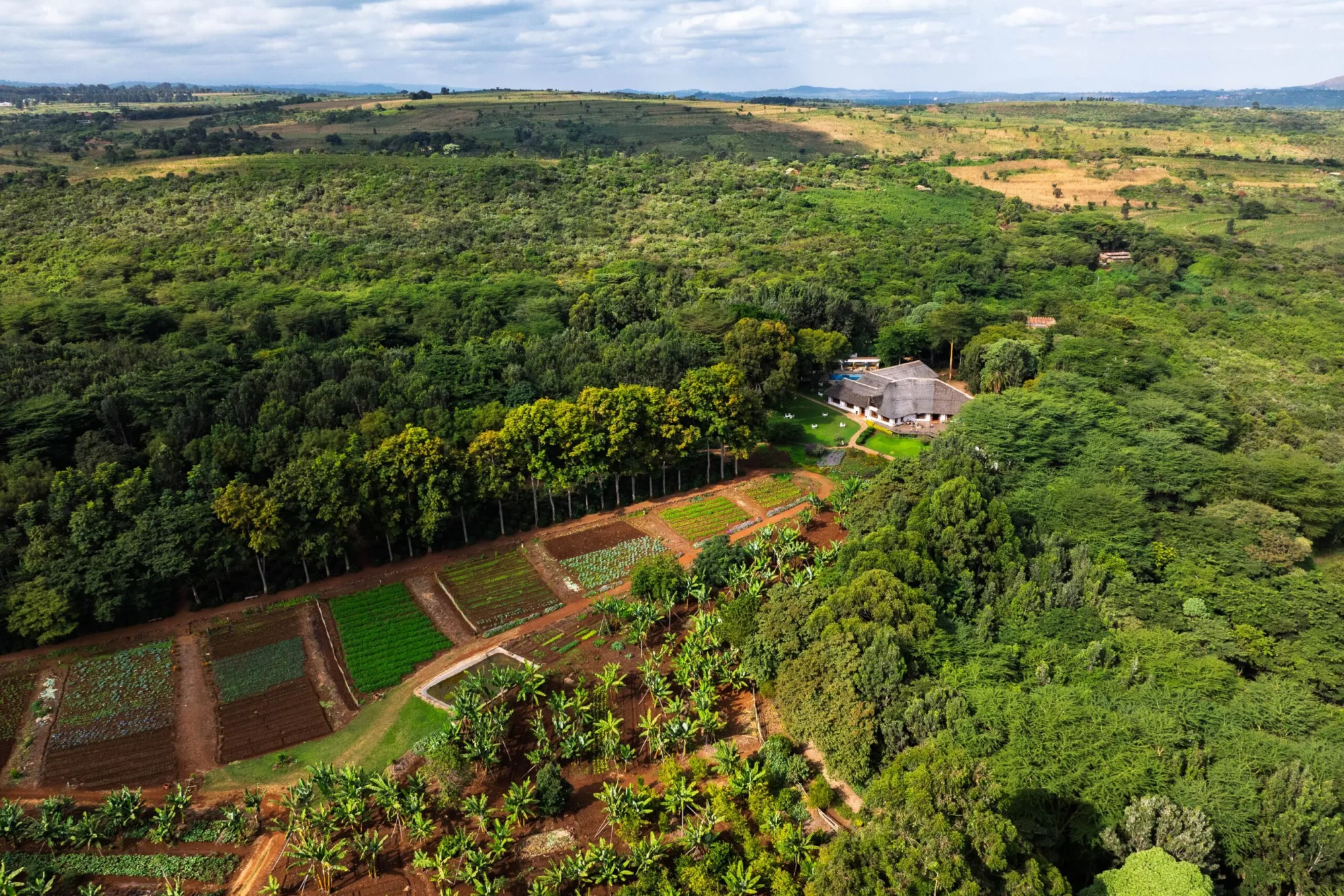
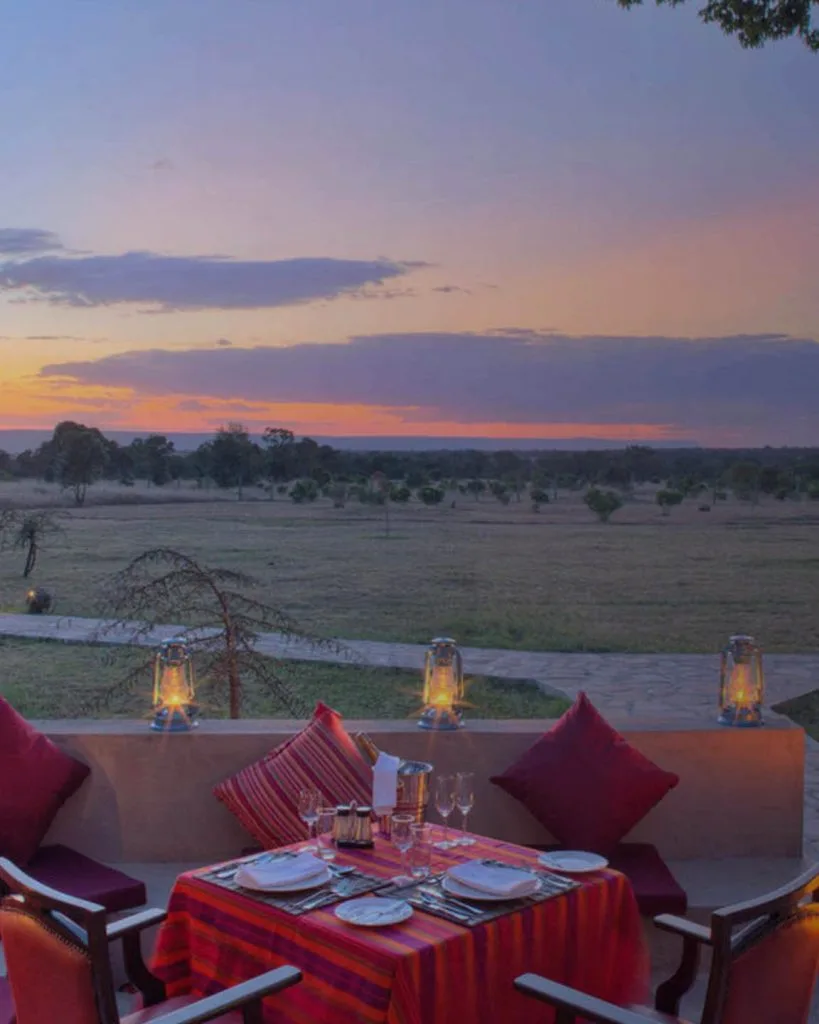
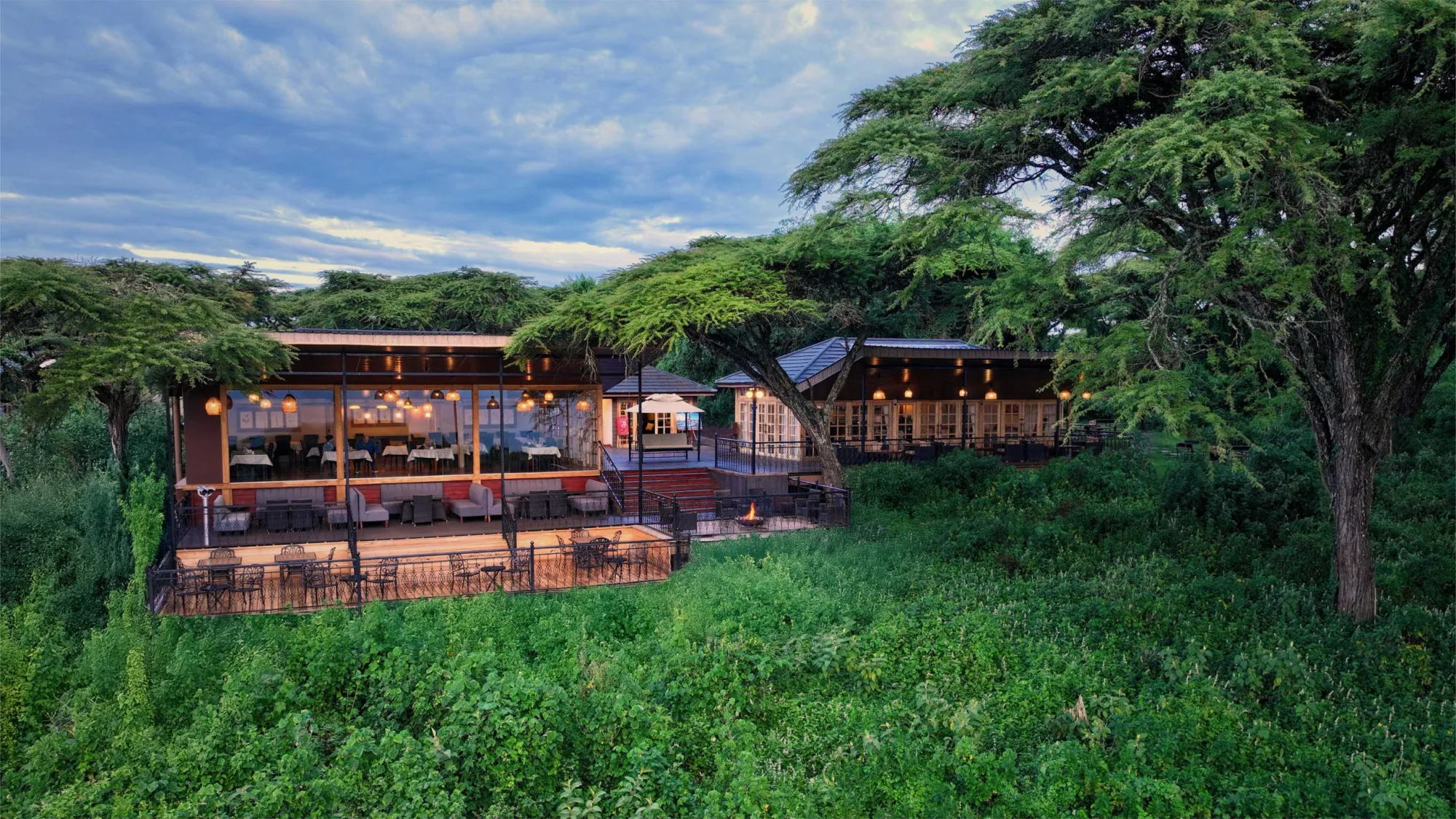
Ngorongoro Conservation Area lodges and camps
All Tanzania stays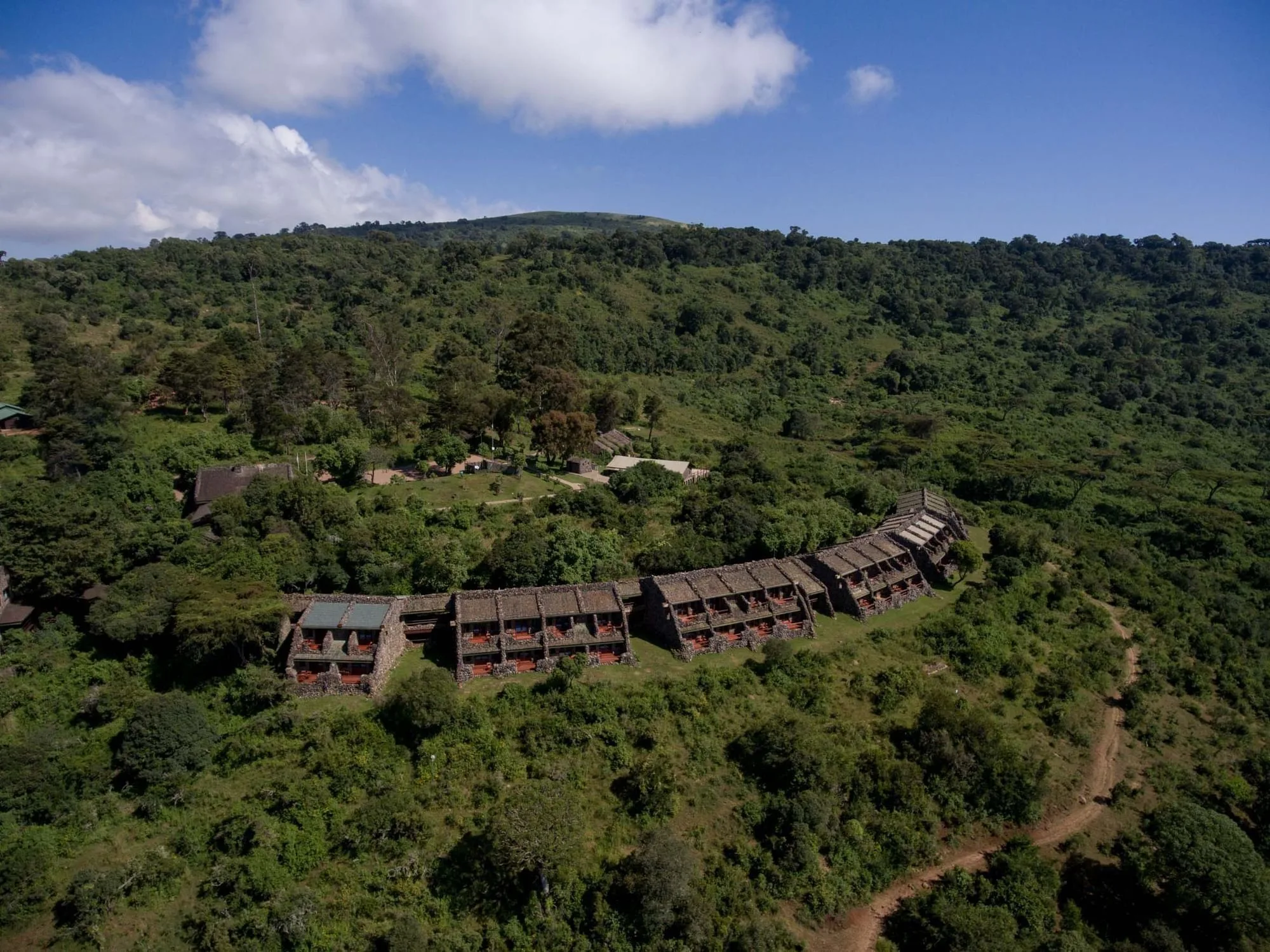
Ready-made journeys
Safaris visiting Ngorongoro Conservation Area
Every journey is tailor-made, use these as your starting point.
Ngorongoro Conservation Area is calling
Make it part of your journey
A specialist crafts your tailor-made itinerary within 24 hours, free, no obligation, shaped entirely around you.