

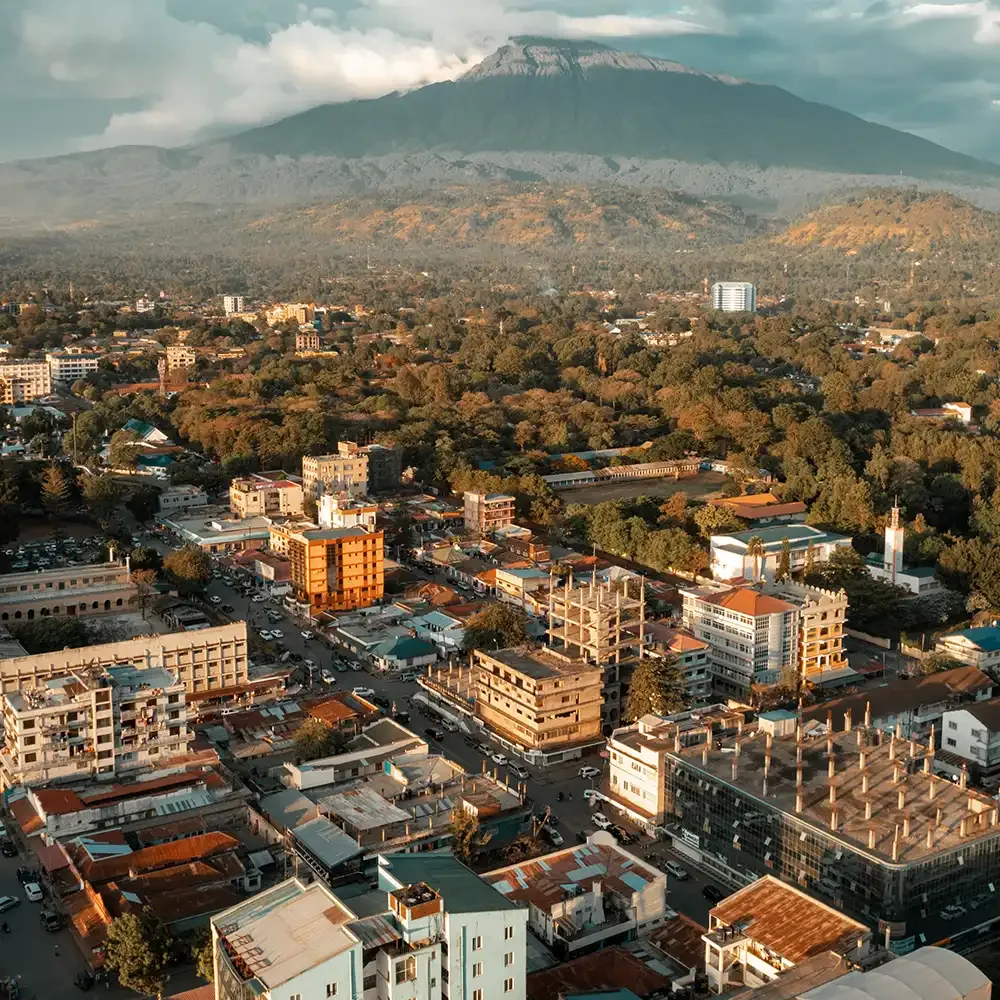
Tanzania safari destination
Arusha National Park
Arusha National Park is a place of mixed landscapes (towering Mount Meru, dense rainforests and sparkling lakes) in northern Tanzania. Ideal for a day trip before tackling nearby Mount Kilimanjaro, it is home to the worl…
The destination
About Arusha National Park
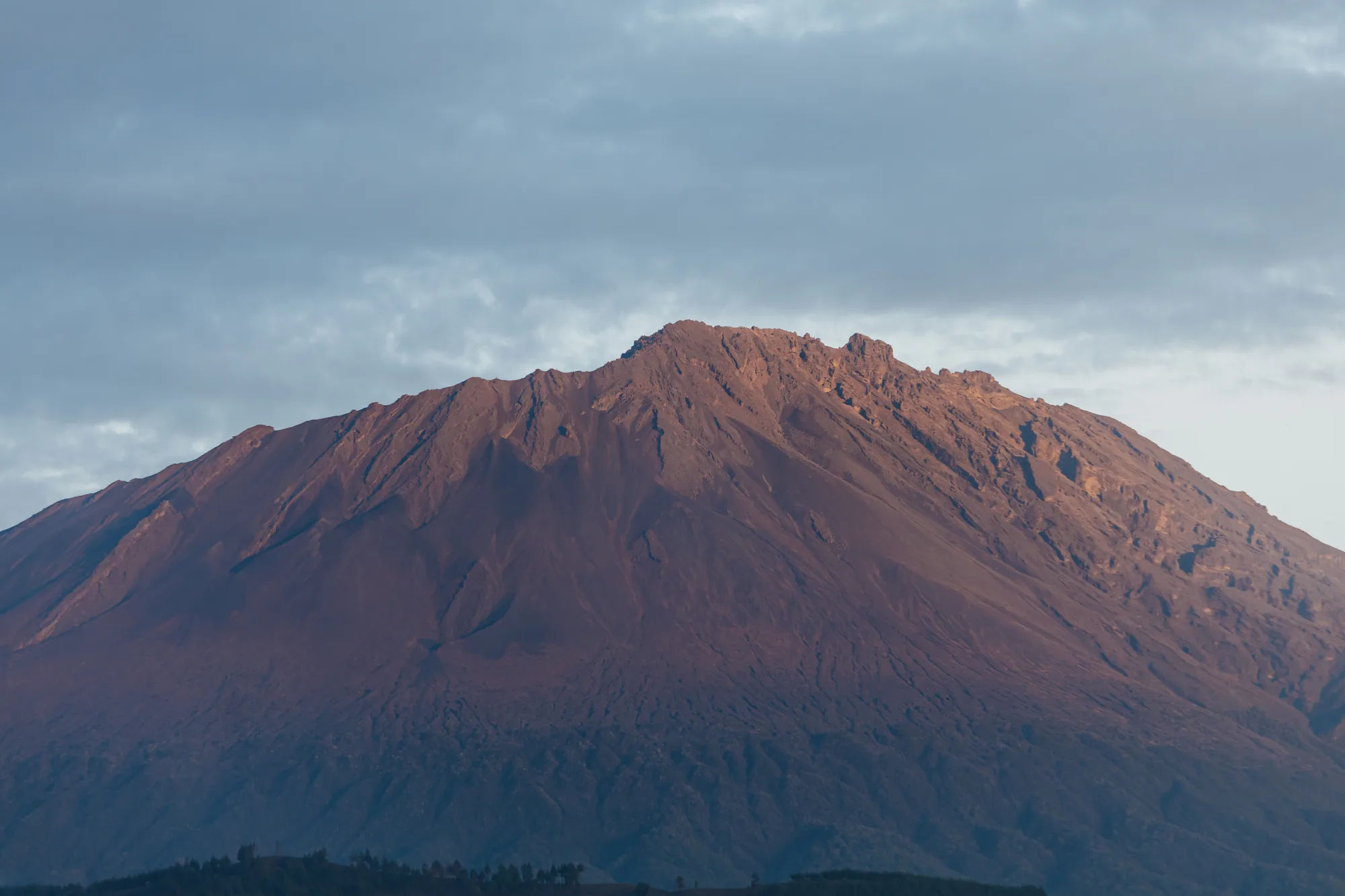
Arusha National Park is a place of mixed landscapes (towering Mount Meru, dense rainforests and sparkling lakes) in northern Tanzania. Ideal for a day trip before tackling nearby Mount Kilimanjaro, it is home to the world’s highest concentration of giraffes and an excellent variety of other mammals and birds. The park is approximately 30 km (18.6 mi) from the town of Arusha, which is considered the gateway to the famed Northern Safari Circuit of Tanzania. Kilimanjaro International Airport is 35 km (22 mi) away. The park covers 552 sq. km (213 sq. mi). Mount Meru forms the highest point of the park, at 4 562m (14 967ft). This small national park boasts great biodiversity thanks to its varied habitats. These include rainforests that are home to colobus monkeys, open savannah and mixed woodlands where zebra and giraffe roam, the alpine desert slopes of Mount Meru with peculiar flora and the Momella Lakes, whose alkali waters attract a technicolored array of water birds. Arusha National Park was originally designated in 1960, to protect Mount Meru. Later, the management mandate was expanded to preserve the diverse habitats and the unique wildlife found therein. The park is well-managed, with active anti-poaching and habitat restoration initiatives in place. To ensure its future, there are numerous collaborative projects with neighboring communities which emphasize sustainable tourism, environmental education and poverty alleviation. There are regular international and domestic flights from various destinations to nearby Kilimanjaro International Airport. From there, it is approximately a one-hour drive to the park’s main gate. Day trips by road from Arusha are readily available with various tour operators. At 4 562 m (14 967 ft), Tanzania's second-highest mountain offers a stiff challenge for trekking enthusiasts. Despite its small size, the park is well-stocked with wildlife, including three of the Big 5. Accessible only on foot, the crater floor is partially covered in a rainforest teeming with life. Visit a traditional village with a local Chagga guide to learn more about this colorful culture Well over 400 species of birds have been recorded in the area - paradise for bird enthusiasts A bustling frontier town with a selection of hotels, restaurants, museums and galleries. Showcases various hominid and fossil relics found in the nearby crater of the same name.
Put it on your route
Weave Arusha National into your journey
- Tailor-made itinerary within 24 hours
- Free & no obligation, unlimited revisions
- Planned by born-and-raised local experts
Things to do in Arusha National Park
This is a small park, so it works well as a day out, or as a first taste of safari before the bigger parks. The nearby town of Arusha is the safari and adventure capital of Tanzania, and there are places to stay near the park, from simple campsites to luxury hotels and lodges. We can arrange a day trip, such as the Arusha National Park Day Trip with Walking Safari.
- Game drives: full or half days with an experienced local guide.
- Nature walks: with a qualified walking guide, for a closer look at the small things.
- Canoeing: paddle on the lakes and watch the animals on the green shores.
- Horse riding: ride among the wildlife for an unusually close view.
- Picnic: your guide chooses a scenic spot for lunch.
- Bird-watching: over 400 species have been recorded. Forest birds include trogons and turacos, and the lakes are busy with waterfowl.
- Cultural encounters: guided visits to villages, community projects and festivals.
Mount Meru is the park's high point and a serious trek. Read about climbing Mount Meru, a popular warm-up before Kilimanjaro.
Wildlife in Arusha National Park
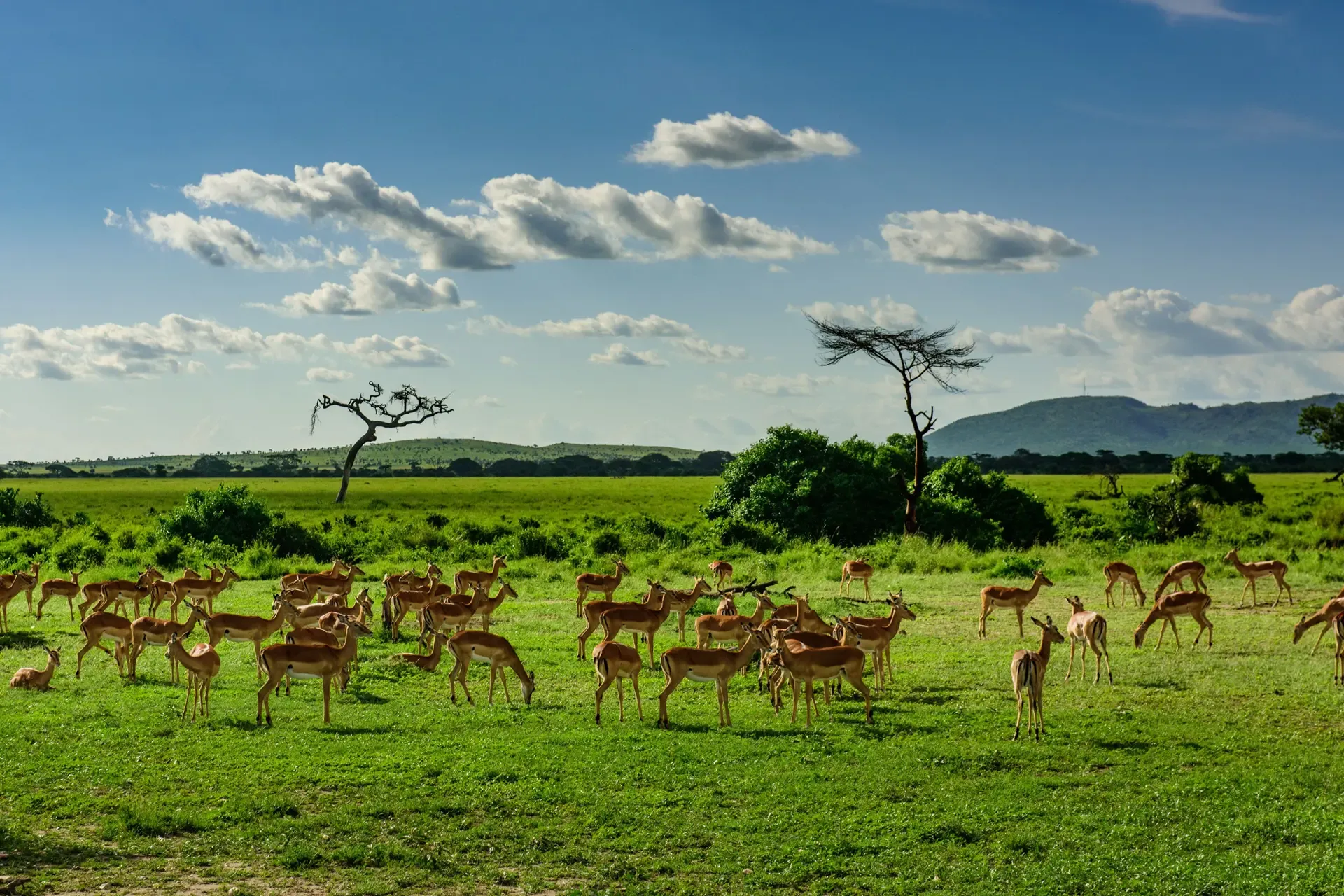
For a small park, and with much of it hard to reach, there is a good range of animals. Buffalo, elephant and leopard are all present, but elephants and leopards are seldom seen. Spotted hyenas turn up now and then. There are no rhinos.
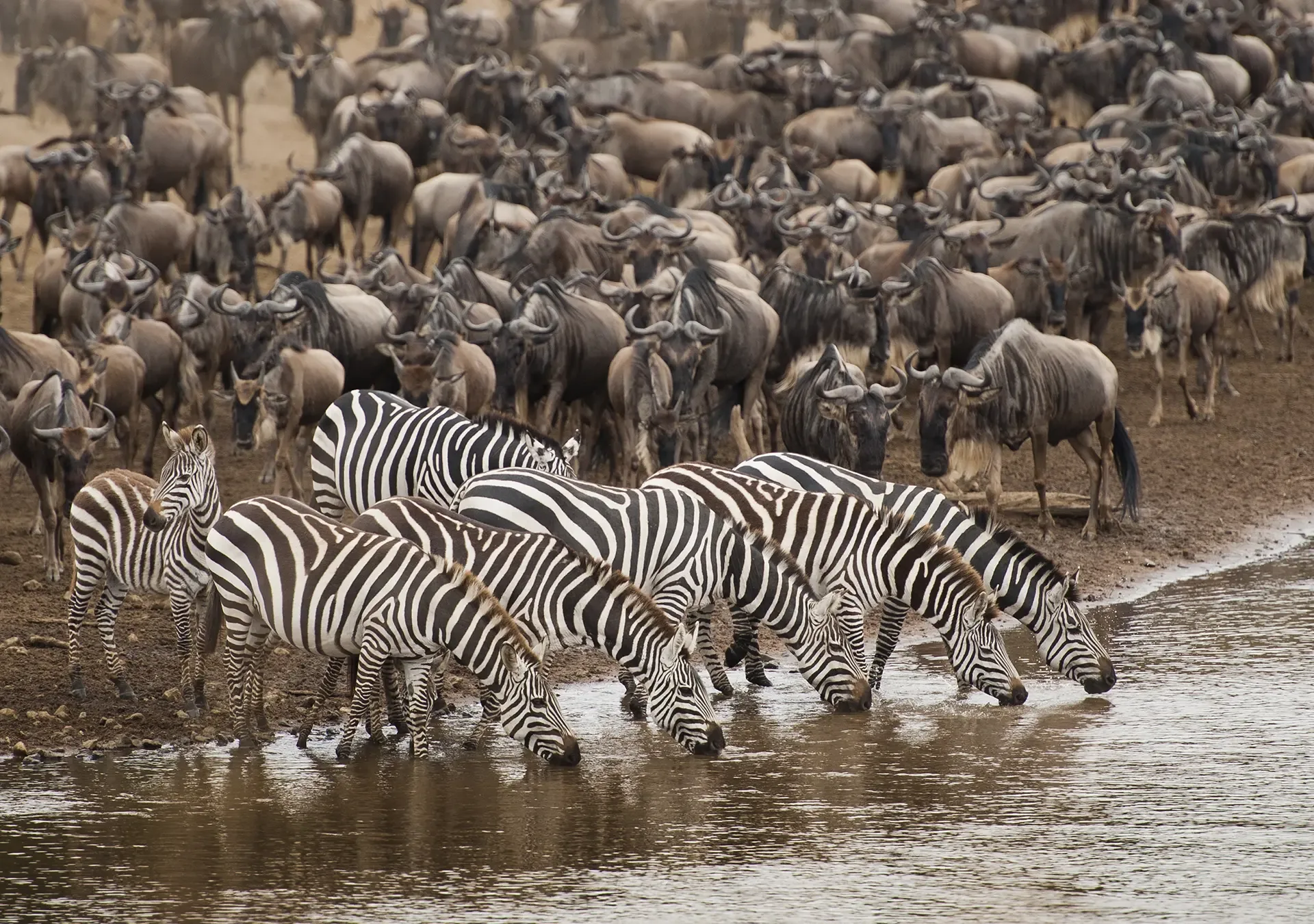
Giraffe, zebra, warthog and hippo are seen readily and mix with several kinds of antelope. Primates are common, especially colobus and blue monkeys. The varied habitats suit birds: waterfowl are abundant around the lakes and the forests hold trogons and turacos. In all, more than 400 bird species have been recorded.
Places to see in Arusha National Park
Serengeti Ndogo
The name means "little Serengeti". These open grasslands are home to grazers such as buffalo, zebra, wildebeest and other antelope.
Lake Longil
The park's only freshwater lake gives wildlife and water birds a supply of water all year.
Lake Momella
A large alkali lake. Its nutrient-rich water attracts flamingos, pelicans and other breeding migrants.
Ngurdoto Crater and museum
The floor of the crater is partly covered in rainforest and can be reached only on foot. The nearby museum shows hominid and fossil remains found in the area.
Landscape of Arusha National Park
Mount Meru dominates the view. Its forested slopes turn to barren alpine desert higher up. Lower down the scenery is varied: savannah, mixed woodland, rainforest, volcanic craters and lakes all sit within a short drive of each other.
Park rules in Arusha National Park
All visitors follow the instructions of park officials. The main rules are:
- No off-road driving.
- Keep to the 50 kph speed limit.
- Night game drives are not permitted.
- Leave the vehicle only at designated points.
- Do not harm, harass or feed wildlife.
- No littering, no excessive noise and no fires.
Weather and best time to visit Arusha National Park
The climate is pleasant all year. It seldom gets too hot in the day, but nights and early mornings can be cold, so pack warm clothes you can layer for early starts. Mount Meru creates its own microclimate, so the area around the park gets slightly more rain than the country around it.
| Months | Season | What to expect |
|---|---|---|
| June to October | Dry | Little chance of rain. Roads are easier, and game viewing is better around permanent water. Warm days, cool nights. Best for game and hiking. |
| November and December | Short rains | Afternoon showers are common. Good for birds. |
| March to May | Long rains | Afternoon showers are common. Fewer visitors, and Kilimanjaro and the other Northern Circuit parks are harder to reach. Good for birds. |
The park gives good wildlife viewing in any season. If you are choosing a month, July is a safe pick.
Questions
Frequently Asked
About 30 km. Kilimanjaro International Airport is about 35 km away, and from there it is roughly a one-hour drive to the main gate.
Yes. It is small and close to town, so a day trip from Arusha works well.
Buffalo, giraffe, zebra, warthog, hippo, colobus and blue monkeys, and many antelope. Elephants and leopards are present but rarely seen. There are no rhinos, and more than 400 bird species have been recorded.
Yes. Nature walks with a qualified guide are possible, and the floor of Ngurdoto Crater can only be reached on foot.
No. Night game drives are not permitted in the park.
June to October, the dry season, for game viewing and hiking. The wet months, March to May and November to December, are the best time for birds.
Find your bearings
Arusha National Park in context
Neighbouring destinations in Tanzania, tap any marker.
Ready-made journeys
Safaris visiting Arusha National Park
Every journey is tailor-made, use these as your starting point.
Arusha National Park is calling
Make it part of your journey
A specialist crafts your tailor-made itinerary within 24 hours, free, no obligation, shaped entirely around you.