

Tanzania's wild, baobab-studded secret
Ruaha National Park
Ruaha National Park is a huge, remote wilderness in south-central Tanzania, known for big lion prides, elephants, baobab country and antelope you rarely see in the north. Since the Usangu Game Reserve and nearby wetlands…
The destination
About Ruaha National Park
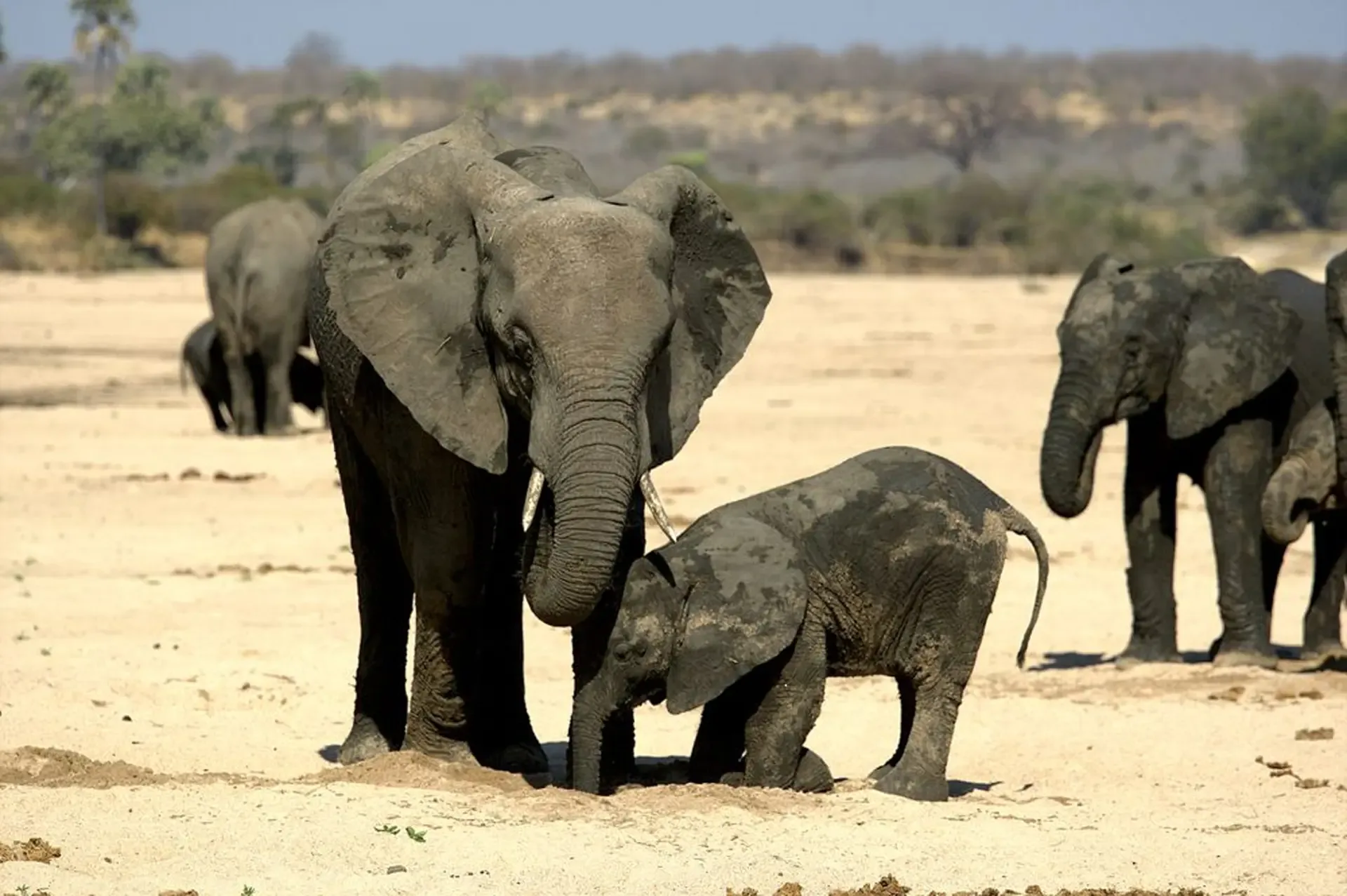
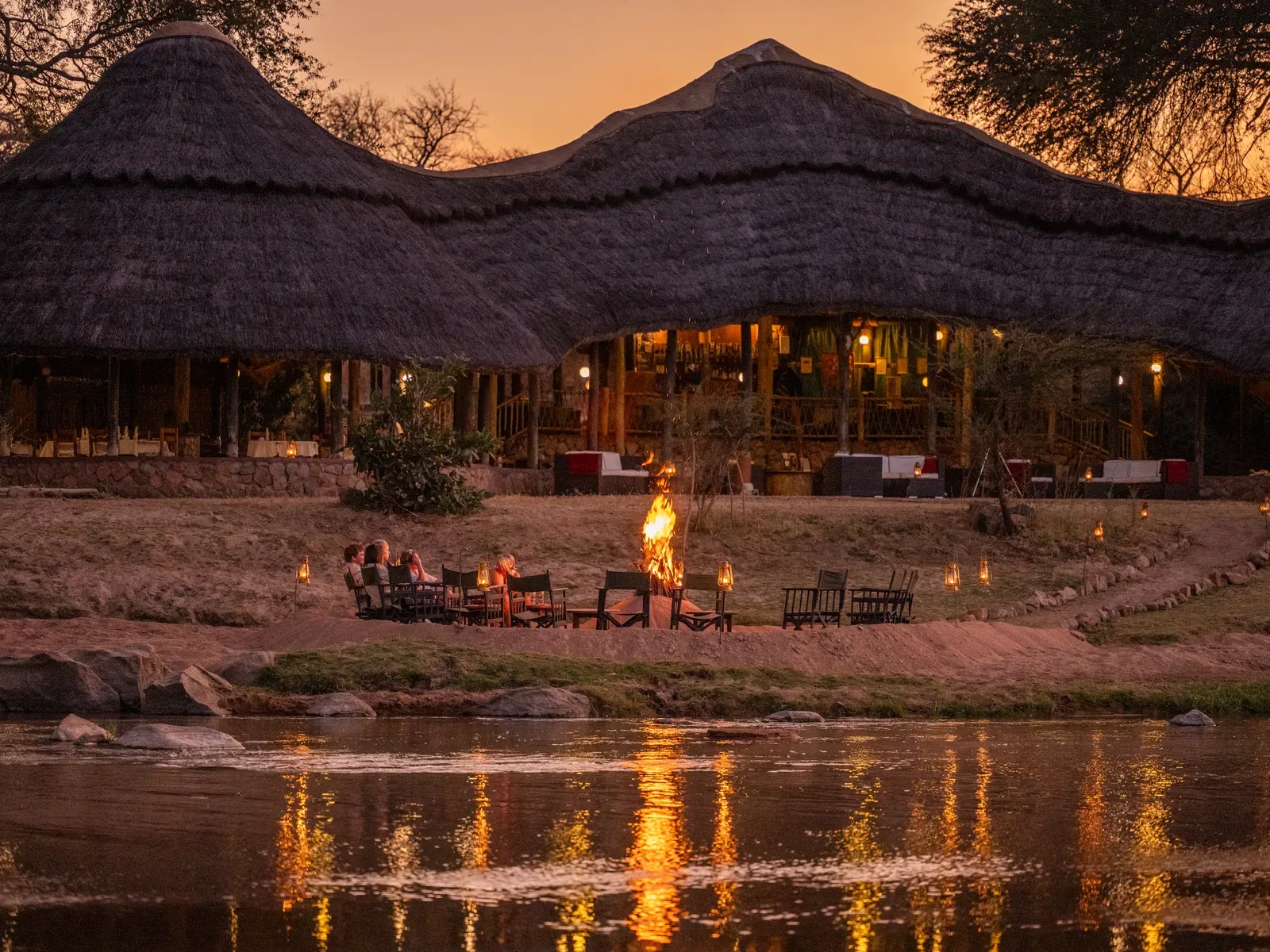
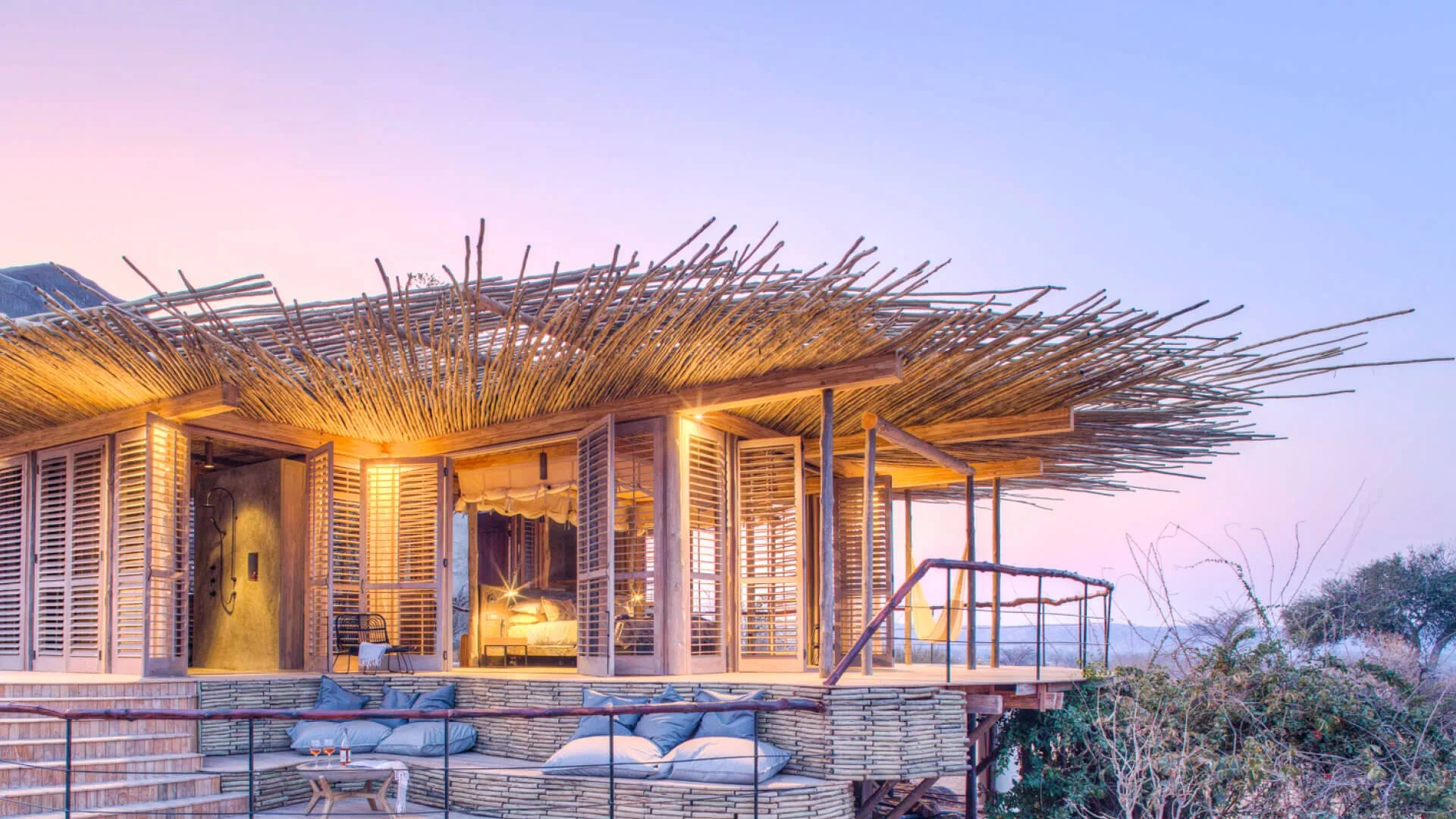
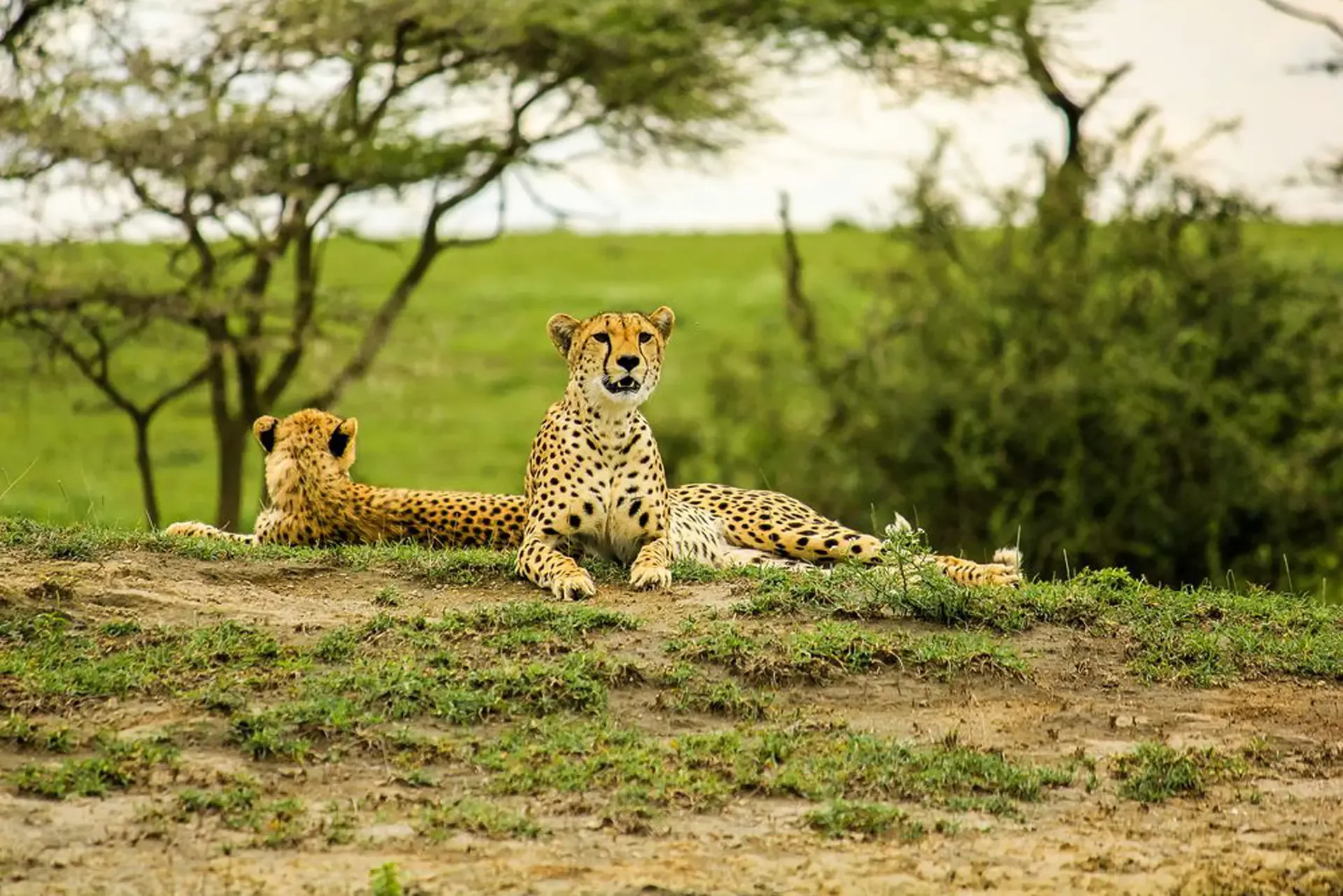
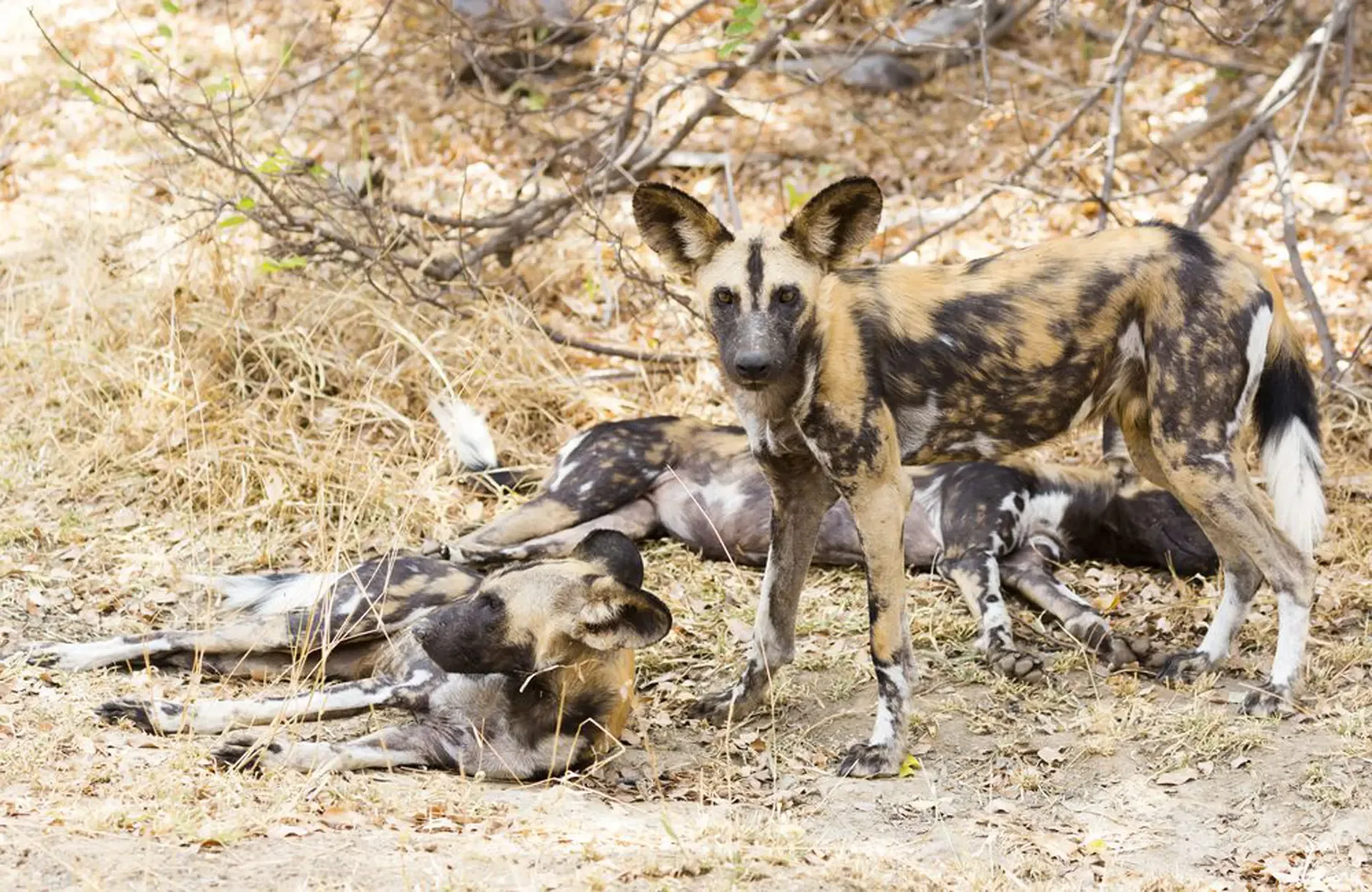
Ruaha National Park is a huge, remote wilderness in south-central Tanzania, known for big lion prides, elephants, baobab country and antelope you rarely see in the north. Since the Usangu Game Reserve and nearby wetlands were added in 2008, the park has covered about 20,226 km², and of Tanzania's national parks only Nyerere is larger. It lies about 130 km west of the town of Iringa and takes its name from the Great Ruaha River, which runs along its south-eastern edge. Ruaha became a national park in 1964, when the southern part of the Rungwa Game Reserve was given full park status, and it sits inside a much larger ecosystem of about 45,000 km². The wider Ruaha landscape is home to nearly a tenth of the world's lions, according to the Ruaha Carnivore Project and Tusk, and to the third biggest population of endangered African wild dogs. Cheetah, leopard and spotted hyena are all here too. The country is dry woodland, scattered with baobabs and cut by sand rivers, and it supports a different mix of antelope from the northern parks. Greater and lesser kudu, sable and roan all live in the park. More than 571 bird species have been recorded. Elephants are still a highlight, although numbers fell sharply to poaching, from about 34,000 in 2009 to an estimated 15,836 in 2015. The best time to visit is the dry season, from June to October, with July to October the peak. The grass dies back, waterholes shrink, and animals concentrate along the Great Ruaha River, which makes predators and elephants far easier to find. After the rains, from late May, the park is lush and green but the thick vegetation hides the game. Heavy rain from mid-March to mid-May can stop light aircraft landing, and most camps close for that period. Most visitors fly in. The park has two airstrips, Msembe at the park headquarters and Jongomeru near the ranger post of the same name. By road, Ruaha is reached on a dirt road from Iringa, which suits a longer southern circuit by vehicle. Because Ruaha is remote, give it at least three nights. Two full days of game drives, plus a walk with an armed ranger if your camp offers one, will show you how different it feels from the northern parks. We plan Ruaha as a tailor-made trip rather than a fixed departure, so you can pair it with Nyerere National Park for boat safaris on the Rufiji, or with Zanzibar for a beach finish. For a lodge, Ruaha River Lodge is the oldest in the park, with 29 stone and thatch bandas on a rocky bank of the Great Ruaha River, where elephants and hippos are often seen from the verandas. Jabali Ridge, an Asilia lodge opened in 2017, is built among granite boulders above the seasonal Mwagusi River in the main game-viewing area.
Highlights
- Nearly a tenth of the world's lions in the wider landscape
- Ancient baobab landscapes
- Rare kudu, sable and roan
- A fraction of northern-circuit visitors
- Superb walking safaris
Wildlife to watch for
- Mega lion prides
- Elephant herds
- Greater kudu and sable
- Wild dogs and leopard
- 570+ bird species
Things to do
- Game drives
- Walking safaris
- Photography
- Birding
Put it on your route
Weave Ruaha National into your journey
- Tailor-made itinerary within 24 hours
- Free & no obligation, unlimited revisions
- Planned by born-and-raised local experts
Find your bearings
Ruaha National Park in context
Neighbouring destinations in Tanzania, tap any marker.
Ready-made journeys
Safaris visiting Ruaha National Park
Every journey is tailor-made, use these as your starting point.
Ruaha National Park is calling
Make it part of your journey
A specialist crafts your tailor-made itinerary within 24 hours, free, no obligation, shaped entirely around you.