

Tanzania safari destination
Lake Manyara National Park
Lake Manyara National Park is a small park on the floor of the Great Rift Valley in northern Tanzania, about 126 km south-west of Arusha, or 90 minutes to two hours by road. It is known for lions that lie up in the trees…
The destination
About Lake Manyara National Park
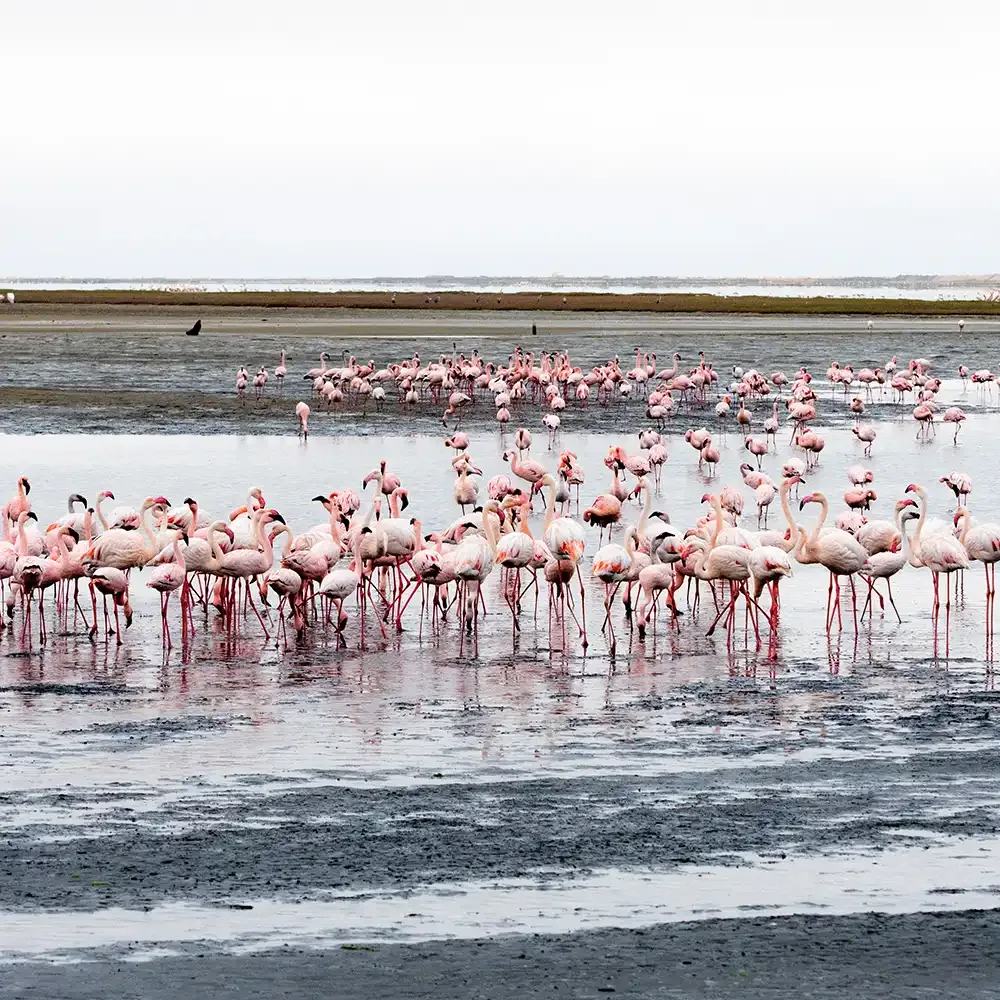
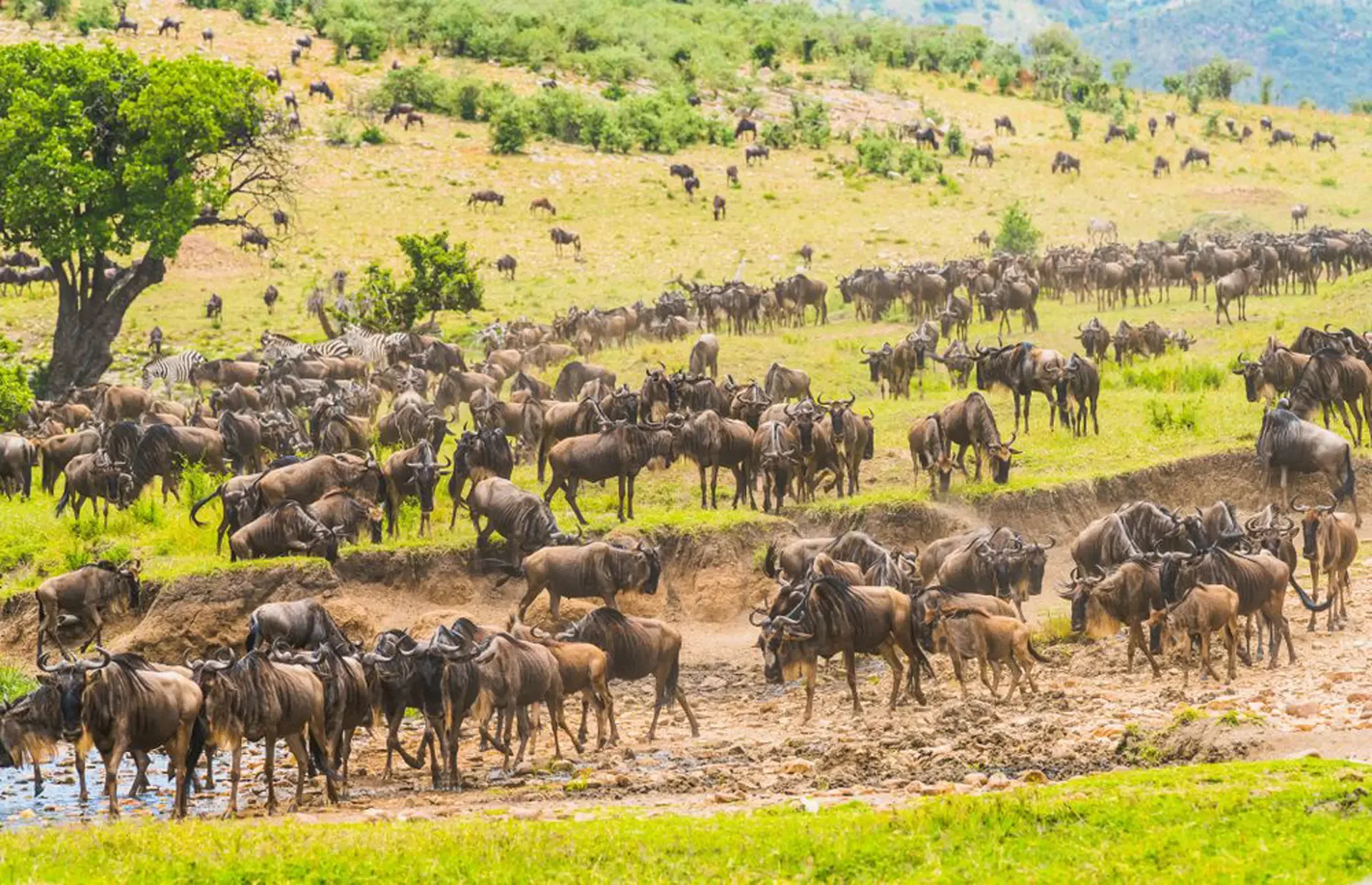
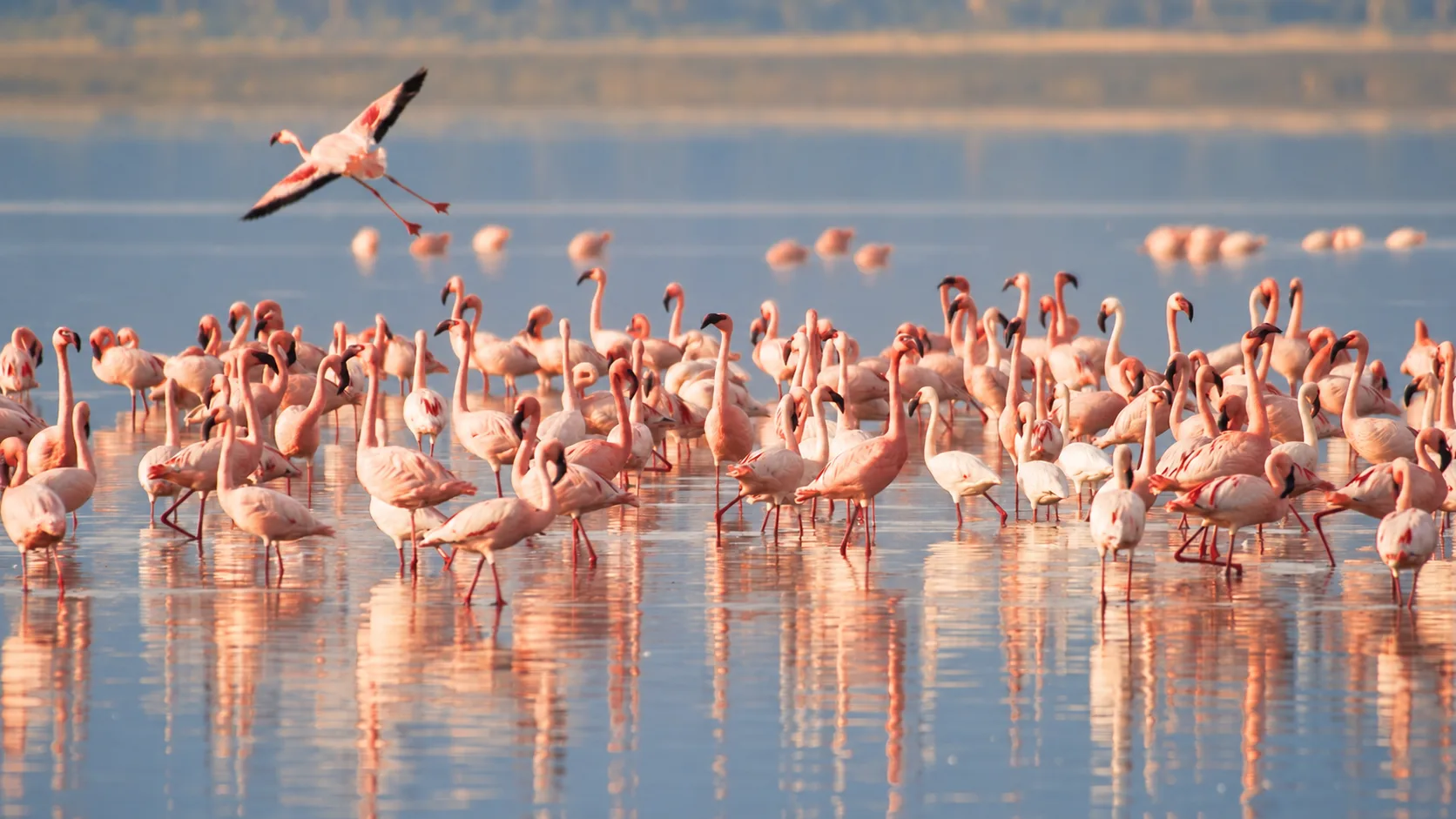
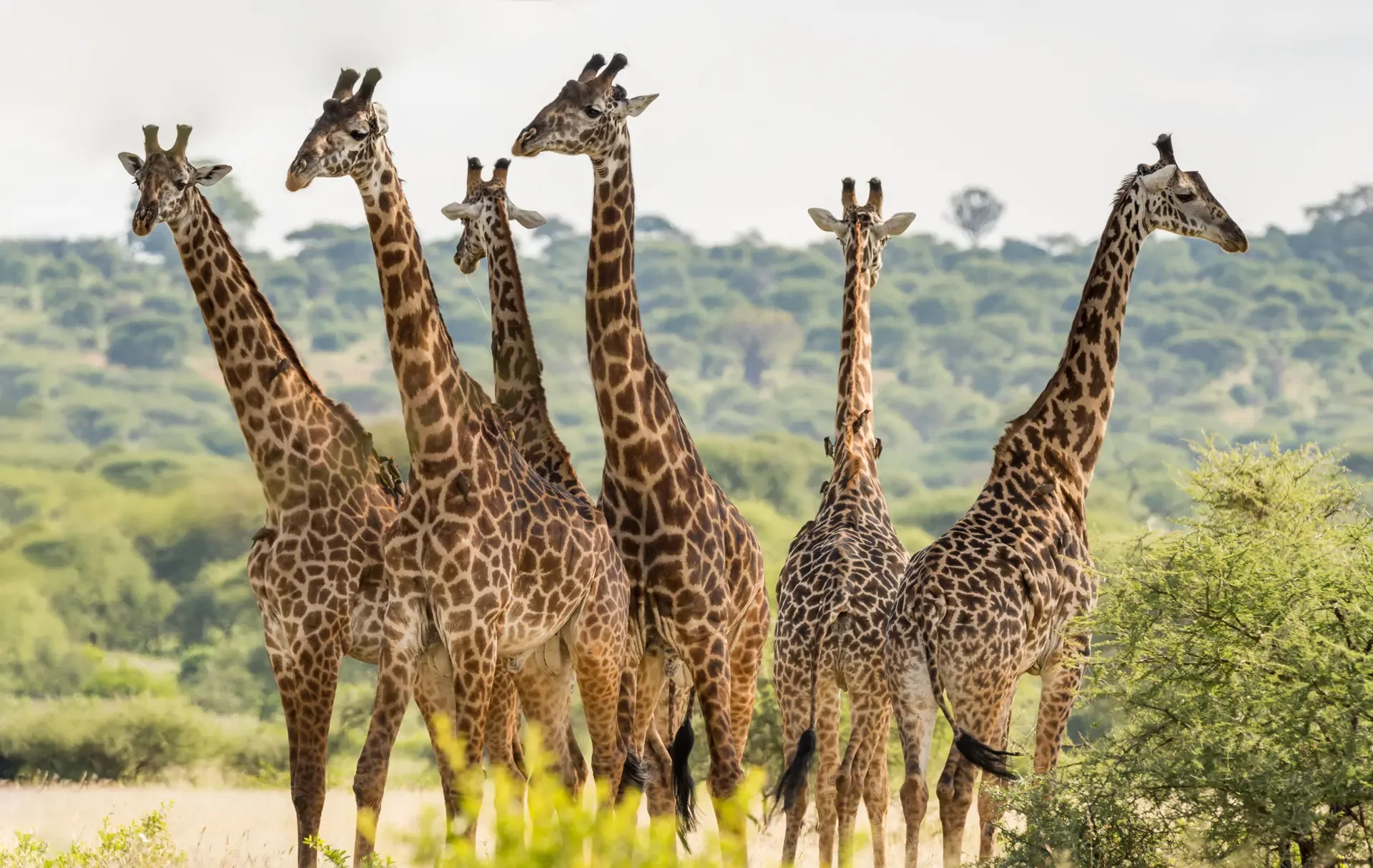
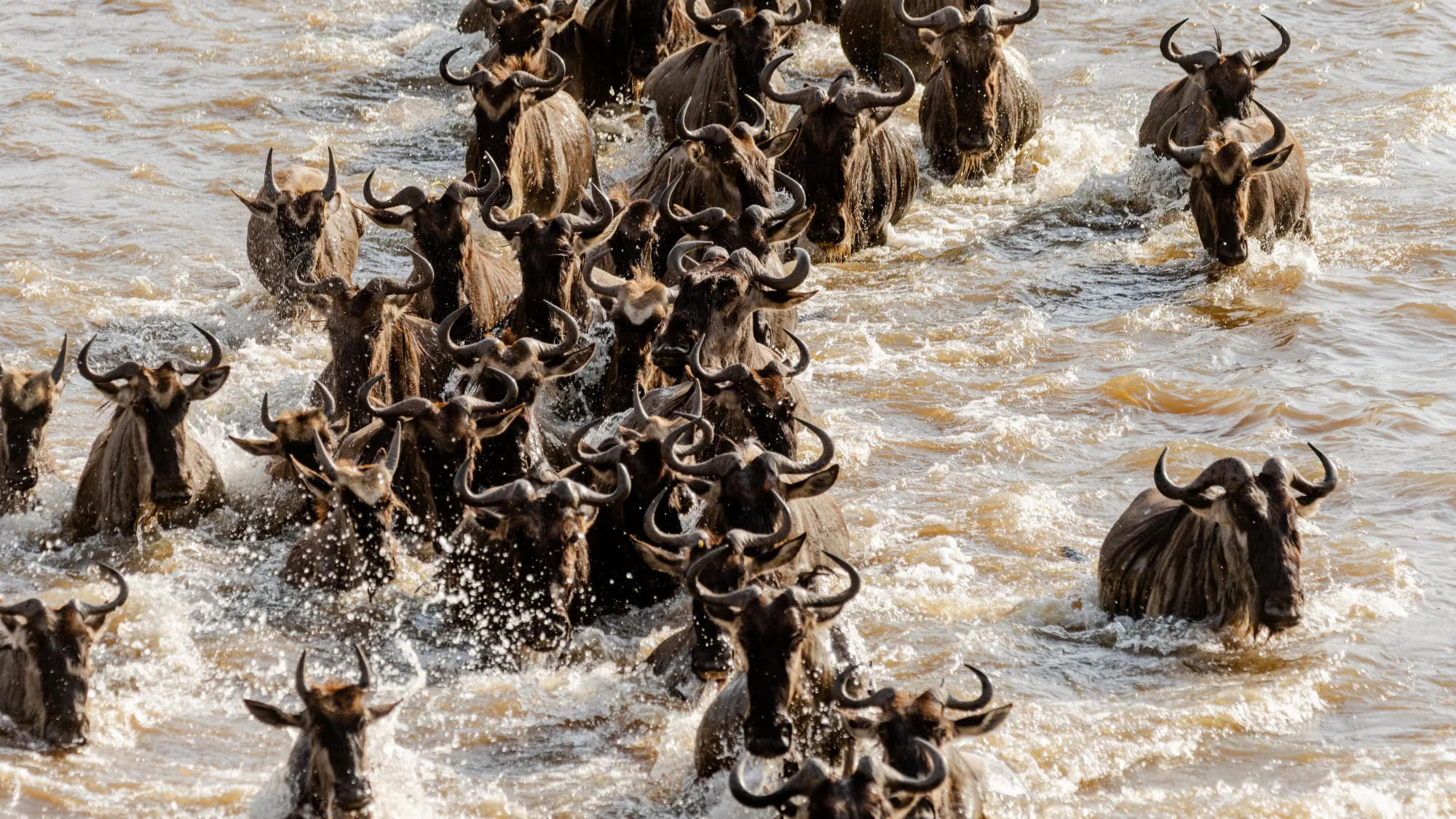
Lake Manyara National Park is a small park on the floor of the Great Rift Valley in northern Tanzania, about 126 km south-west of Arusha, or 90 minutes to two hours by road. It is known for lions that lie up in the trees, flamingos on the soda lake, big troops of baboons and a tall groundwater forest of fig and mahogany just inside the gate. The park covers about 325 km², and roughly two-thirds of that is the lake itself. It became a national park in 1960. The name is said to come from the Maasai word "enyara", for the milky, alkali-clouded water of the lake. The park mixes the alkaline lake, open grassland, acacia woodland and the groundwater forest, four habitats in one short drive, all below a towering escarpment. Flamingos gather in the shallows in their thousands in some years, though numbers change a lot from one year to the next. There is less game here than in the Serengeti or Tarangire, but the variety is good. Elephants are often seen along the lakeshore and the forest edge, and giraffes, zebras and wildebeest are seldom far away. Of the Big Five only the rhino is missing, and the lions have a habit of climbing trees, perhaps to catch the breeze and get away from biting insects. More than 390 bird species have been recorded in the park. The plant life is worth a look too, with old fig trees and big baobabs. Hot springs in the park feed swampy ground where birds nest. You can explore part of the park on foot with an armed ranger, which gives a very different view of the place. A treetop walkway, a suspended bridge about 370 metres long through the forest canopy, adds variety, and Manyara is one of the few parks in Tanzania where driving after dark is allowed. The lake, the birds and the wall of the Rift behind them make this one of the most scenic small parks in the country. You can visit all year, but June to October, the dry season, is when animals gather around the water that is left.
Put it on your route
Weave Lake Manyara into your journey
- Tailor-made itinerary within 24 hours
- Free & no obligation, unlimited revisions
- Planned by born-and-raised local experts
Lake Manyara National Park safari with a walking safari
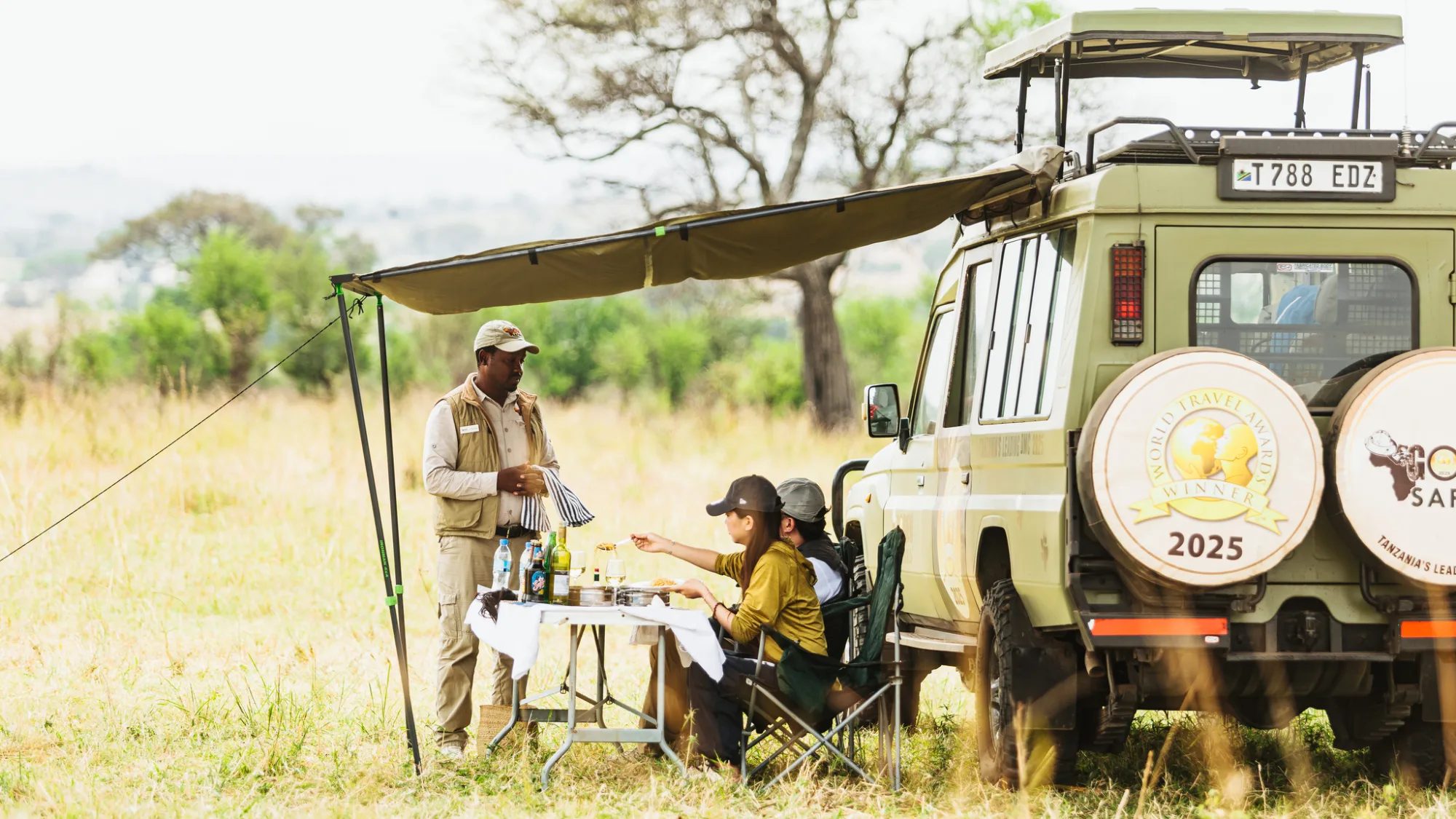
Lake Manyara is close enough to Arusha for a day out. On our Lake Manyara National Park Day Trip with Walking Safari you have a morning game drive through the groundwater forest and along the lake, then a picnic lunch. In the afternoon you walk for about two hours with an armed park ranger before the drive back to Arusha. Walkers must be 16 or over. Park fees and the ranger fee are included. On our live tour page on 27 October 2026 it costs US$250 per person for a group of six in peak season, US$235 in the low season (15 March to 15 May) and US$570 for one person alone.
Manyara is also easy to add to a longer safari, because Mto wa Mbu, the village at the park's northern gate, is on the road from Arusha towards the Ngorongoro Crater. The 6 Days Best Northern Tanzania Safari finishes with a game drive at Manyara on the way back to Arusha.
Questions
Lake Manyara questions
Nobody knows for certain, and researchers still argue about it. The usual explanations are getting away from biting insects, catching a cooler breeze and getting a better view. Lions in trees are never guaranteed, so treat a sighting as a bonus.
About 126 km south-west, 90 minutes to two hours by road.
Yes, with an armed park ranger. Our day trip includes a walk of about two hours, and walkers must be 16 or over. There is also a treetop walkway, a suspended bridge about 370 metres long through the forest canopy.
Often, but not always. Flamingos come to the soda lake in their thousands in some years and in much smaller numbers in others.
Wildlife in Lake Manyara National Park
Manyara is better known for its birds than its big game, but it gives a different kind of safari from the larger parks, because of its size and the width of the lake.
- Elephants and buffalo are often seen near water. Elephants occur in large herds and enjoy the lake shallows.
- Lions are not numerous, but you may see them resting in trees. There are no rhinos, and leopards are rare.
- Antelope and other game include impala, bushbuck, greater kudu, zebra and wildebeest.
- Predators: spotted hyenas dominate, which is part of the reason leopards, cheetahs and African wild dogs are seldom seen. Night drives can turn up smaller carnivores such as servals, jackals and wild cats.
- Primates: olive baboons, vervet monkeys and blue monkeys are easy to see.
- Birds: flamingos, pelicans, herons and storks on the lake, and eagles and vultures overhead.
Things to do in Lake Manyara National Park
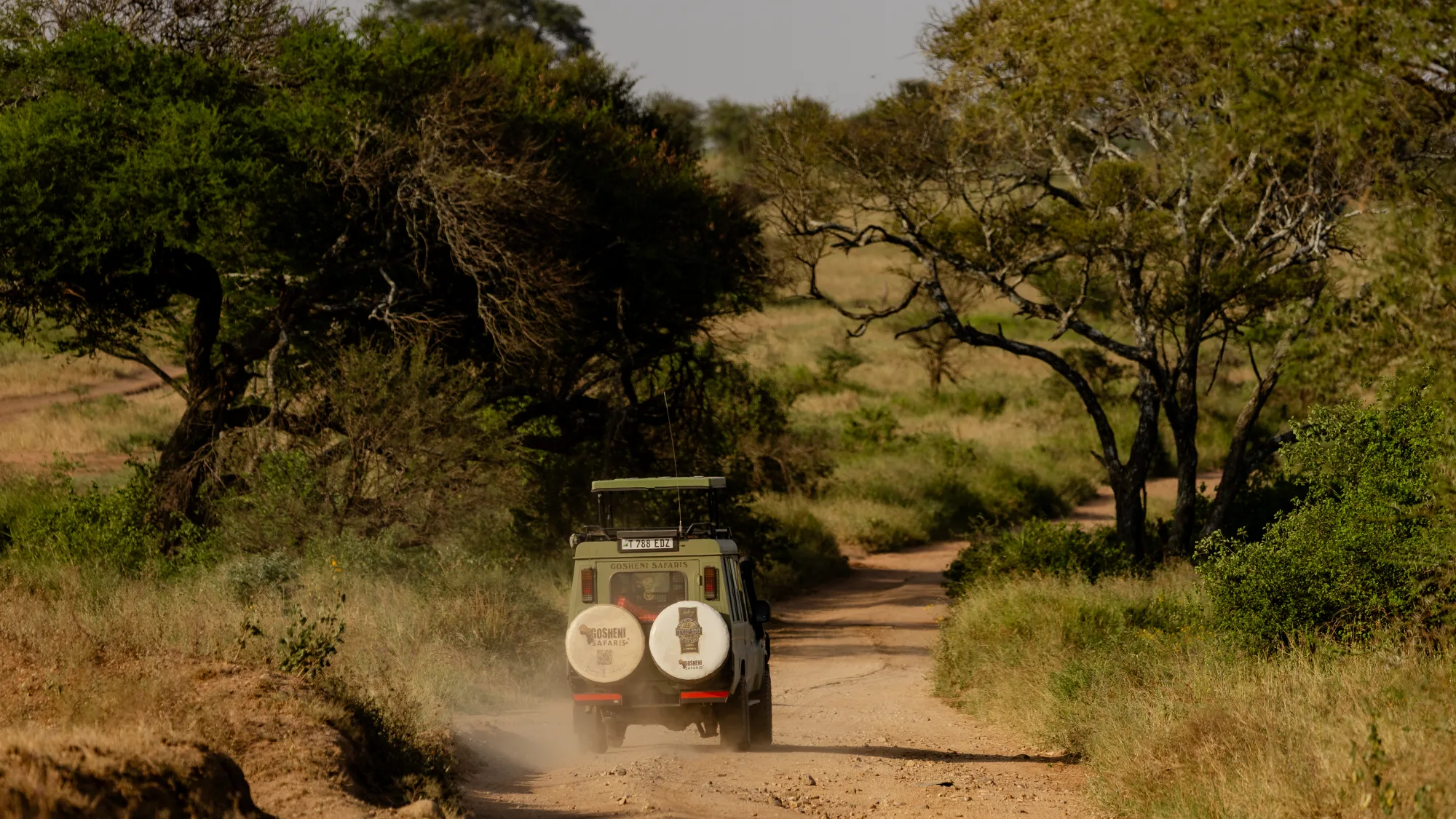
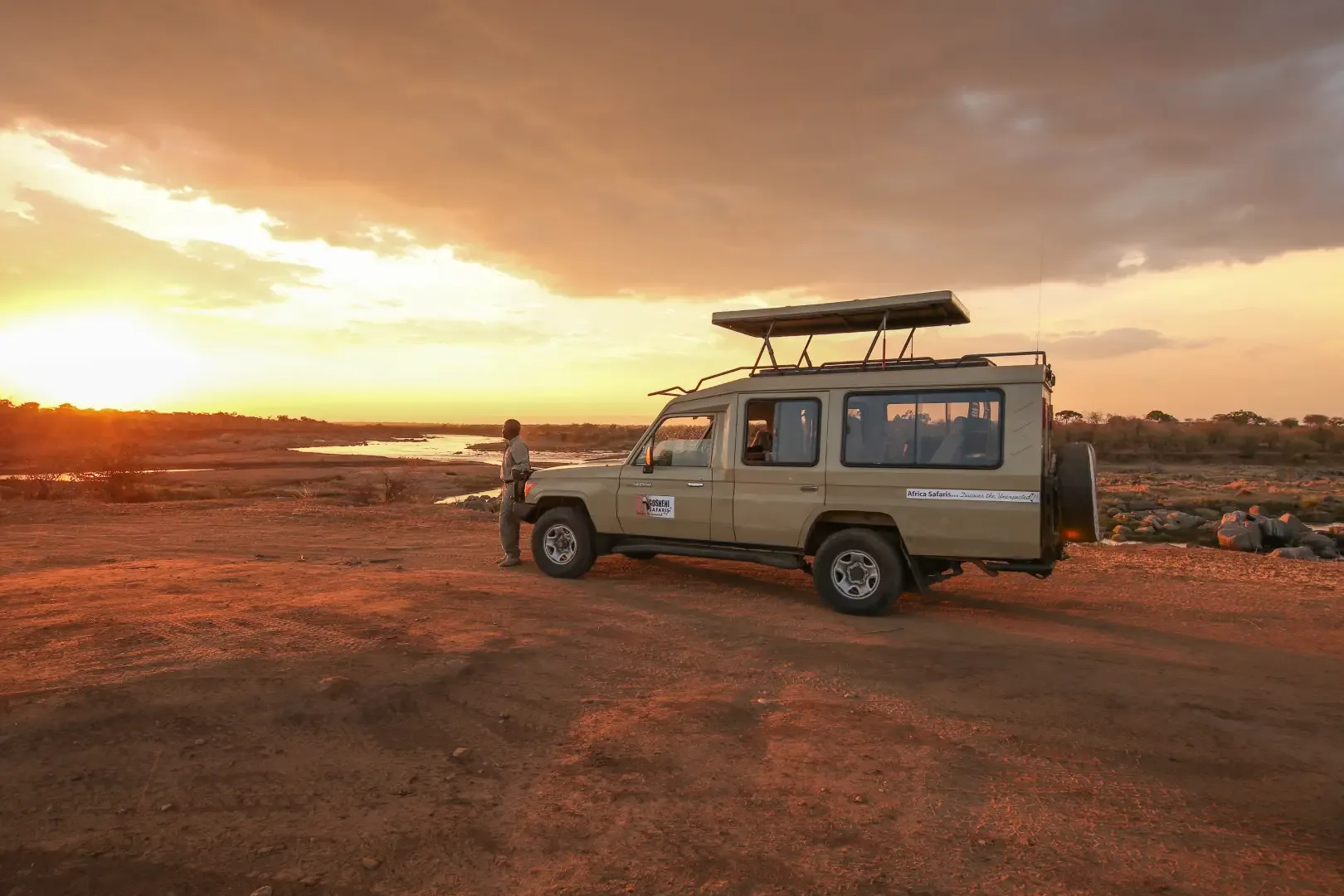
- Game drives: in the cooler hours of the day, in a customised vehicle with an experienced guide. Full-day drives are possible.
- Walking safaris: allowed in the park, with an armed guide.
- Canoeing: drift in near silence along the shore while your guide points out water birds. It depends on the water level in the lake.
- Night game drives: after sunset, looking for civets, porcupines and sometimes predators.
- Maasai cultural visits: to a traditional manyatta.
- Birdwatching: many of the species are water birds, and migrants are present from November to April.
The Majo Moto Kubwa hot springs are the park's other draw, with their swampy margins and nesting birds.
Landscape of Lake Manyara National Park
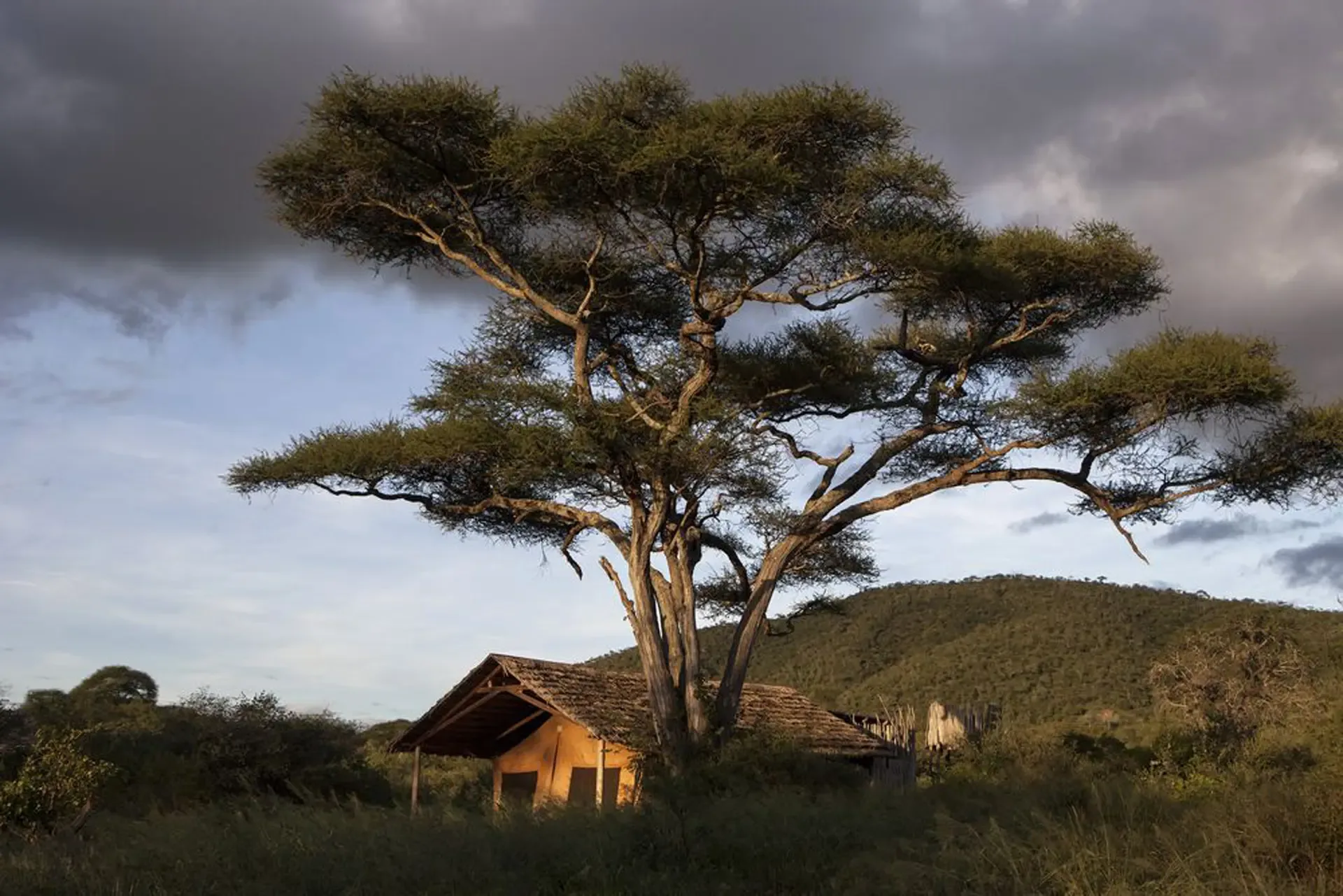
Green forest fringes the shore of the alkaline lake, and the wall of the Great Rift Valley escarpment rises behind it. Open grassland and acacia woodland stretch across the park. Old mahogany and fig trees and big baobabs give shade along the way. The terrain runs from lake to forest to plain in a short drive.
Weather and best time to visit Lake Manyara
The climate is temperate and can be mild. It seldom gets uncomfortably hot by day, but early mornings and evenings can be cold, so bring warm clothing for game drives. It seldom rains all day, and the rain should not spoil game viewing.
| Season | Months | What it means |
|---|---|---|
| Dry | June to October | Best weather and a low chance of rain. Thinner vegetation makes spotting easier. |
| Wet | November to May | The park is at its greenest. March and April are the wettest, with up to about 200 mm of rain recorded. |
| High season | July to March | The park can get crowded later in the day. |
| Low season | April and May | Fewer visitors because rain is likely. |
Game viewing is good all year. See also our pages on July and November.
Getting to Lake Manyara National Park
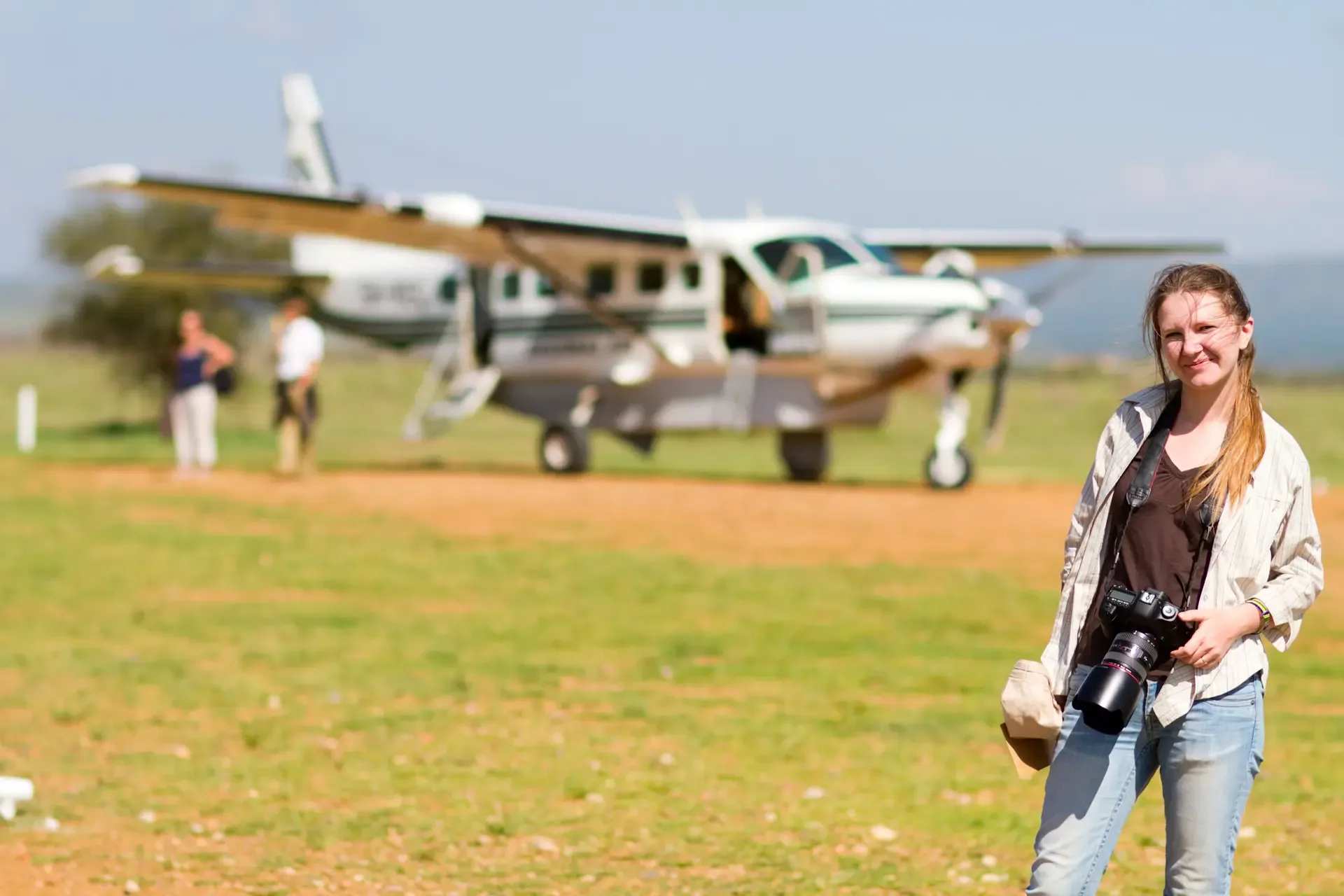
By road the park is about 126 km from Arusha. You can also fly in, as the park has an airstrip. Many guests combine Manyara with Tarangire and the Ngorongoro Crater on the way to the Serengeti.
More questions about Lake Manyara
Can you fly to Lake Manyara?
Yes. The park has an airstrip.
Are there rhinos at Lake Manyara?
No. Of the Big Five, the rhino is the only one missing.
Can you see leopards at Lake Manyara?
Rarely. Spotted hyenas are plentiful, and they reduce the numbers of leopards, cheetahs and wild dogs.
Are night drives allowed at Lake Manyara?
Yes. It is one of the few parks in Tanzania where driving after dark is allowed, and it can show you servals, jackals, civets and porcupines.
Find your bearings
Lake Manyara National Park in context
Neighbouring destinations in Tanzania, tap any marker.
Where to stay
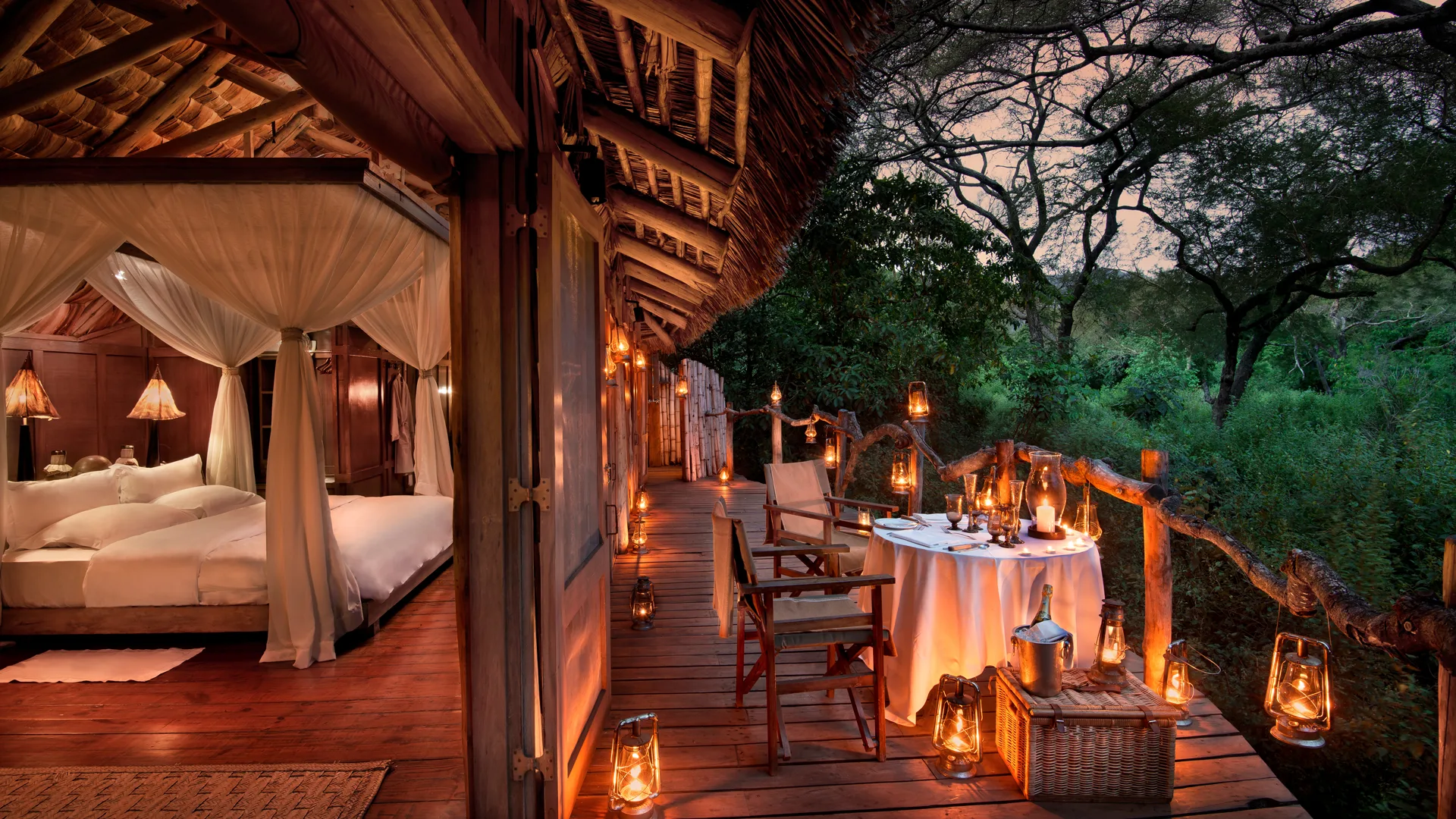
Lake Manyara National Park lodges
All Tanzania stays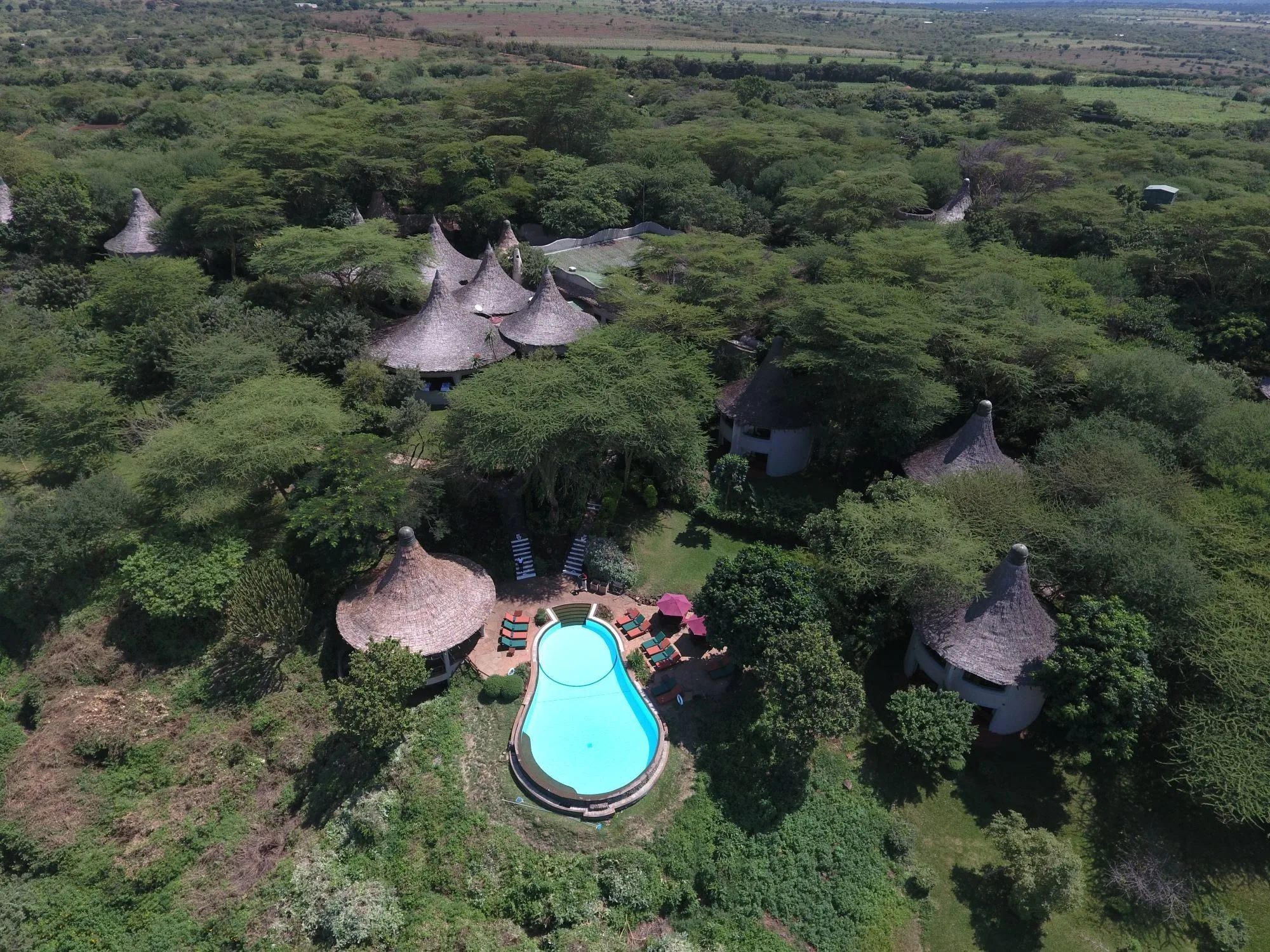
Ready-made journeys
Safaris visiting Lake Manyara National Park
Every journey is tailor-made, use these as your starting point.
Lake Manyara National Park is calling
Make it part of your journey
A specialist crafts your tailor-made itinerary within 24 hours, free, no obligation, shaped entirely around you.