

Wild, watery and wonderfully remote
Nyerere National Park (formerly Selous Game Reserve)
Nyerere National Park is Tanzania's largest national park, a 30,893 km² wilderness in the south-east of the country, and it is the place to go for a safari by boat as well as by vehicle. It was created in November 2019 f…
The destination
About Nyerere National Park (formerly Selous Game Reserve)
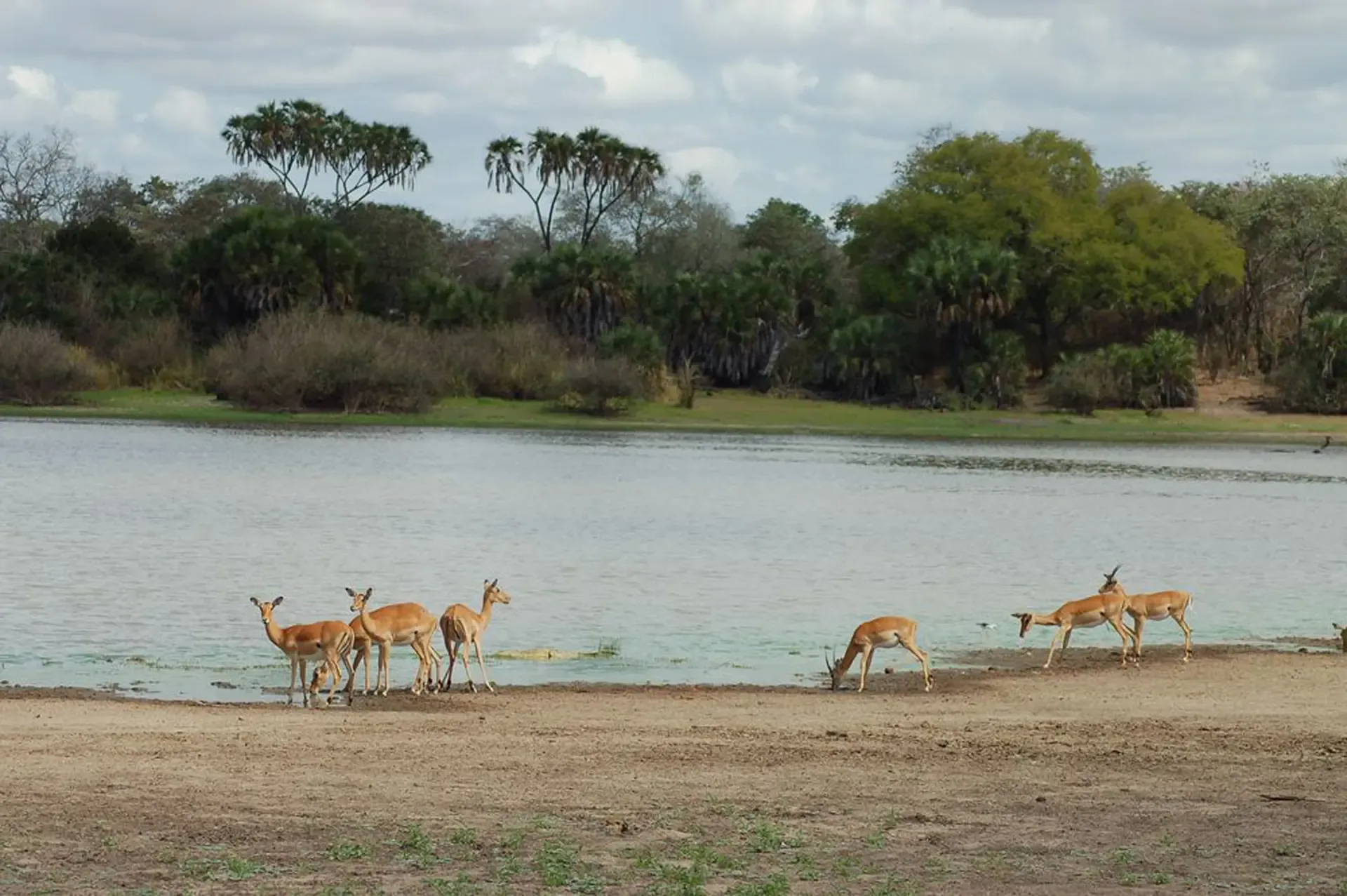
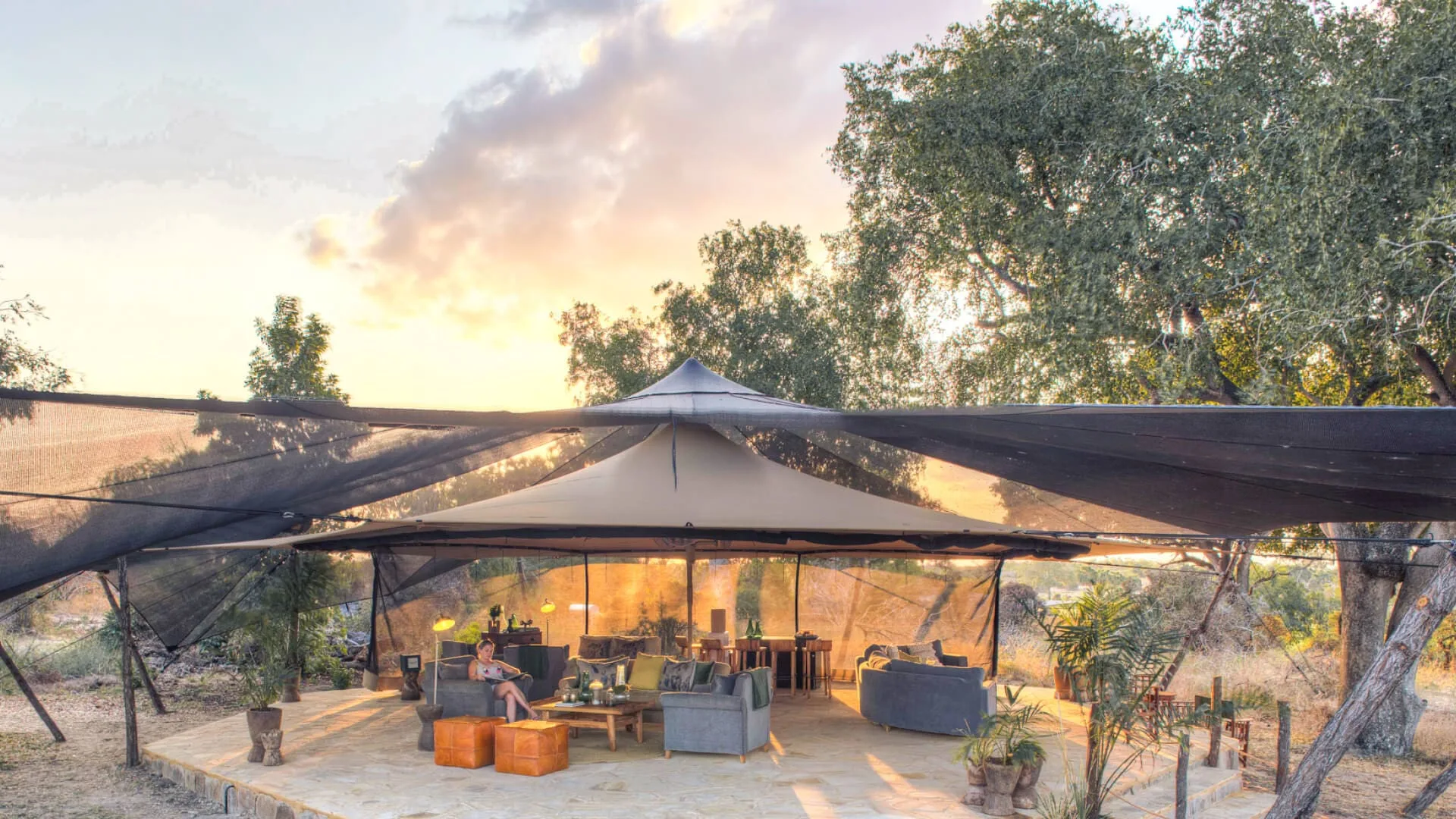
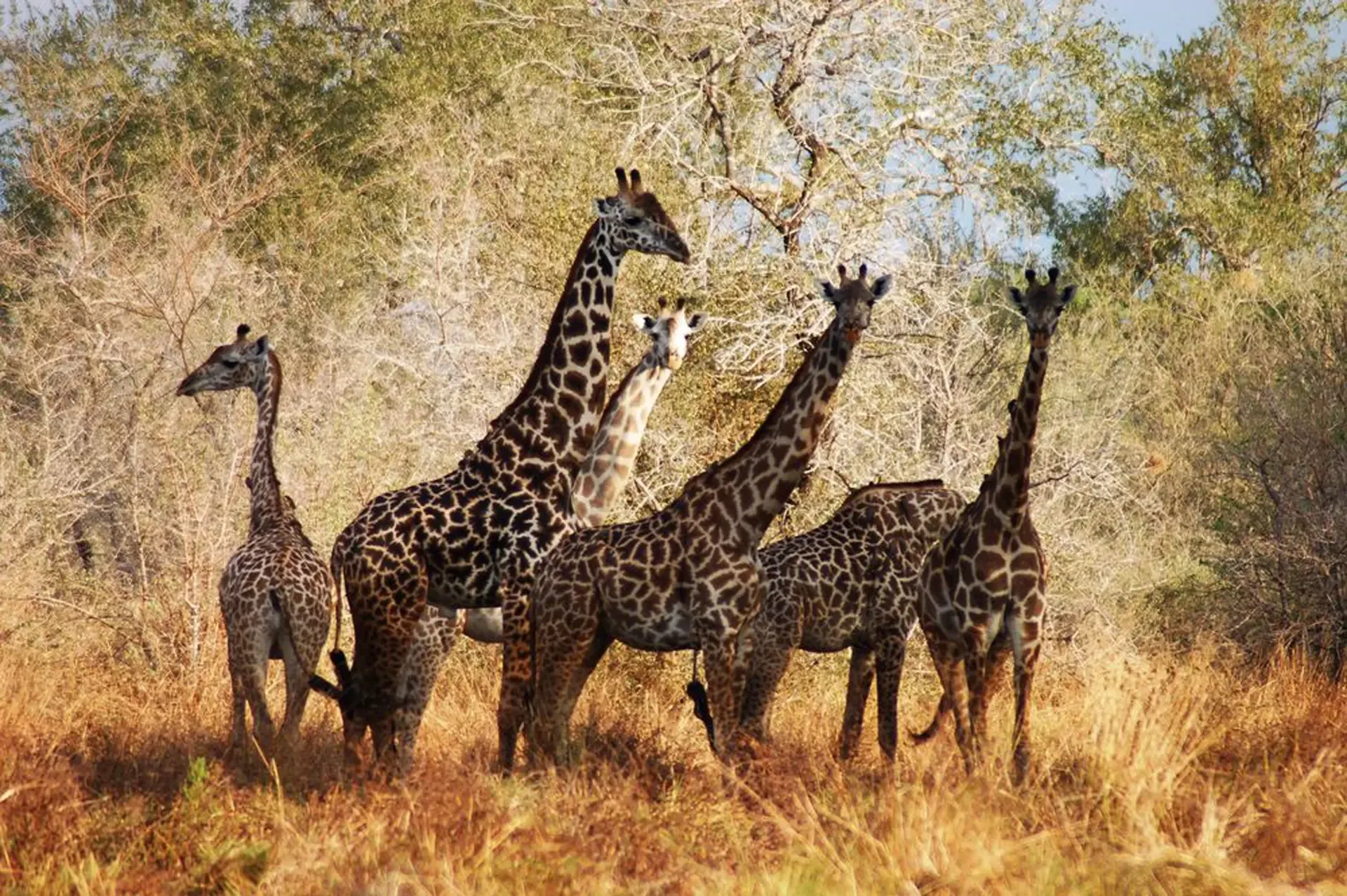
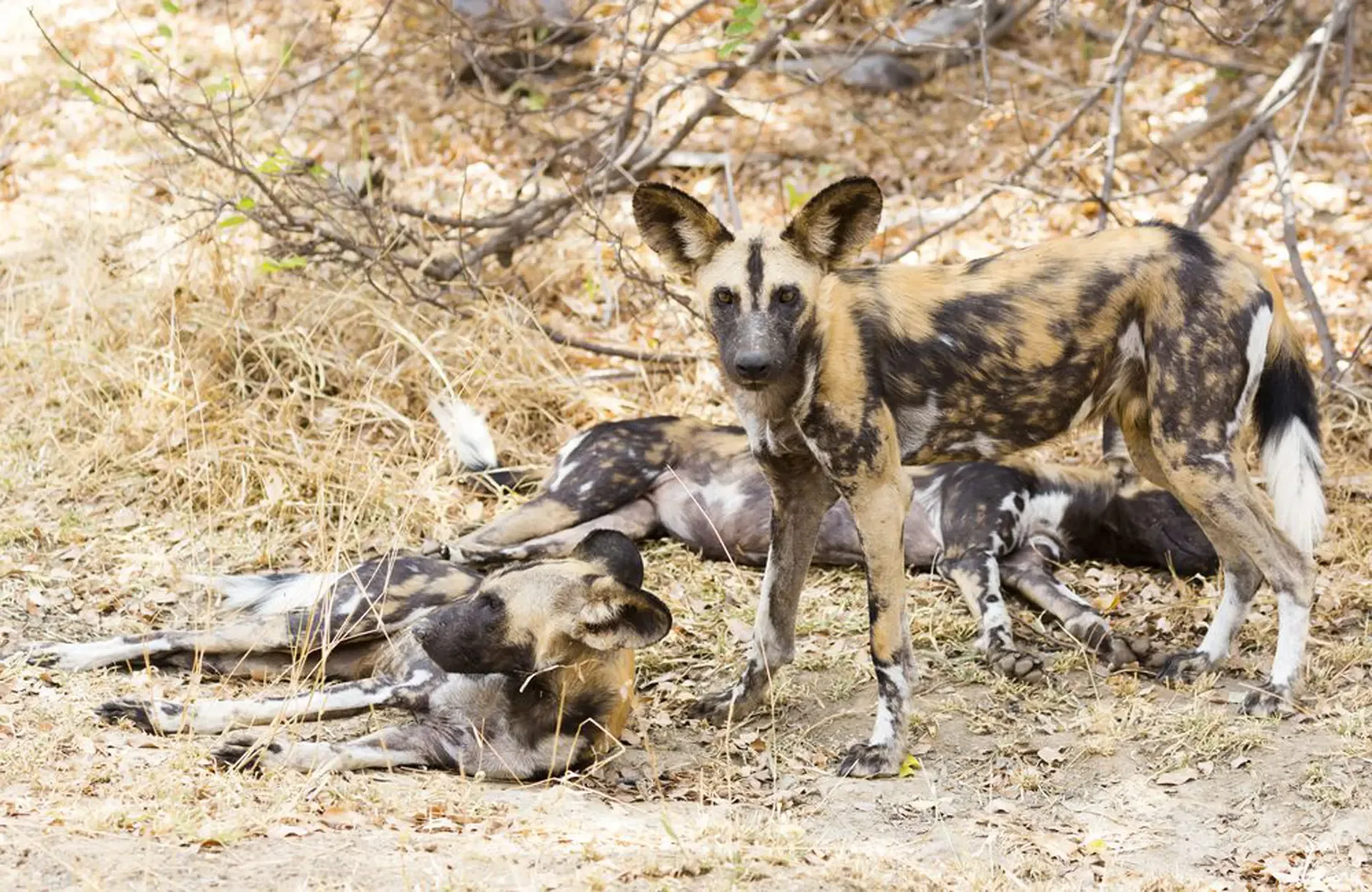
Nyerere National Park is Tanzania's largest national park, a 30,893 km² wilderness in the south-east of the country, and it is the place to go for a safari by boat as well as by vehicle. It was created in November 2019 from the northern part of the old Selous Game Reserve, which is why many people still know it as the Selous. The reserve was named after Frederick Selous, the hunter and naturalist who died at Beho Beho in 1917, and UNESCO listed it as a World Heritage Site in 1982. The park is shaped by the Rufiji, the biggest river in Tanzania, which winds through it towards the Indian Ocean in a maze of channels, lakes and swamps. That water is what makes a visit here different. You can take a boat out among hippos and crocodiles, watch elephants and giraffe come down to drink, and look for water birds along the banks. Walking safaris with an armed ranger are also allowed, alongside the usual game drives. The wildlife list is long: elephant, buffalo, hippo, crocodile, lion, leopard, giraffe and zebra, plus a large population of endangered African wild dogs. About 440 bird species have been recorded. Elephants here have a hard recent history. Poaching cut numbers in the Selous by about two thirds between 2009 and 2013, to roughly 13,000, and UNESCO has listed the reserve as World Heritage in Danger since 2014. The best time to go is the dry season, from June to October, with July to October the peak for game viewing as animals gather near permanent water. Boating follows the water level. In June, after the rains, the lakes and rivers are full and conditions on the water are excellent. By October the levels can drop so low that boat trips are often not possible, so if the river is the main reason you're going, aim for the early part of the season. The long rains from mid-March to mid-May are heavy, and most camps close for those weeks. Most visitors fly in. Daily scheduled flights from Dar es Salaam take under an hour and land at airstrips such as Mtemere, Siwandu and Beho Beho. By road it's a long day: roughly five to six hours from Dar es Salaam, with the last stretch on gravel. Plan on three nights at least. That gives you time for a boat trip, a walk and several game drives without hurrying. We arrange Nyerere as a tailor-made trip, usually as a fly-in safari or combined with Ruaha or a few days on Zanzibar. For a camp, Roho ya Selous is an Asilia camp of eight tents on a small peninsula in Lake Nzerakera, in the main game-viewing area. Rufiji River Camp, run by Foxes Safari Camps near Mtemere gate, was the first camp built in the Selous and has 14 tents along the riverbank.
Put it on your route
Weave Nyerere National into your journey
- Tailor-made itinerary within 24 hours
- Free & no obligation, unlimited revisions
- Planned by born-and-raised local experts
Find your bearings
Nyerere National Park (formerly Selous Game Reserve) in context
Neighbouring destinations in Tanzania, tap any marker.
Where to stay
Nyerere National Park (formerly Selous Game Reserve) lodges and camps
All Tanzania stays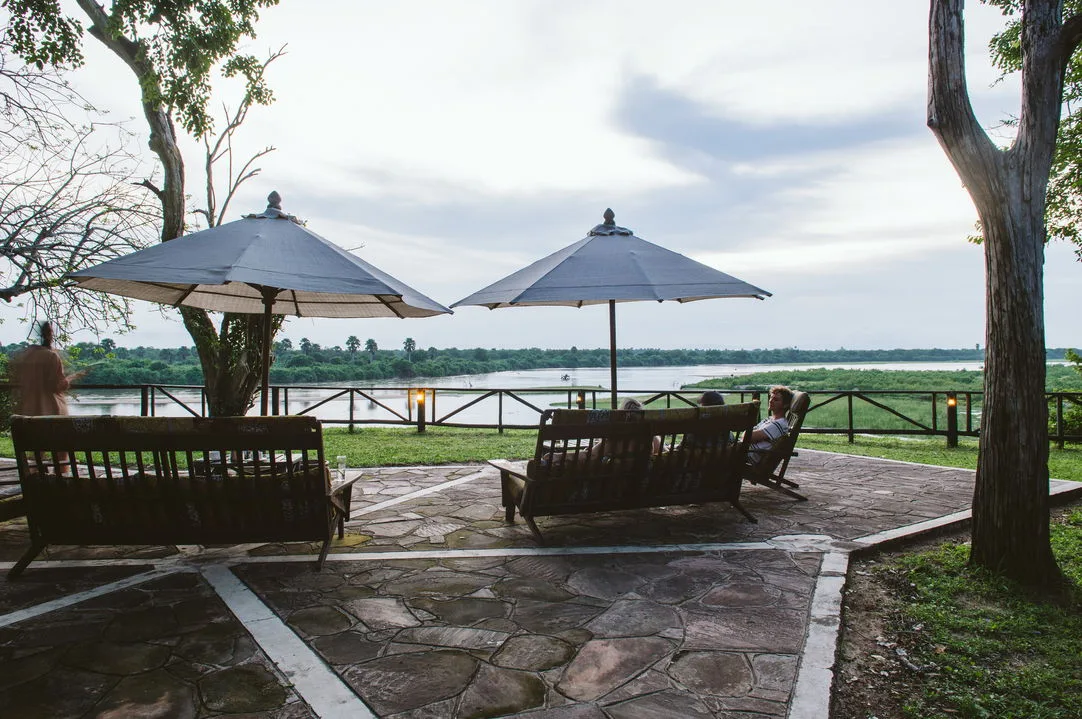
Ready-made journeys
Safaris visiting Nyerere National Park (formerly Selous Game Reserve)
Every journey is tailor-made, use these as your starting point.
Related articles
Nyerere National Park (formerly Selous Game Reserve) is calling
Make it part of your journey
A specialist crafts your tailor-made itinerary within 24 hours, free, no obligation, shaped entirely around you.