

Tanzania safari destination
Tarangire National Park
Tarangire National Park is in northern Tanzania, about 100 km south of Arusha and roughly two hours by road, and it is known above all for its elephants and its baobab trees. The park covers about 2,850 km² and takes its…
The destination
About Tarangire National Park
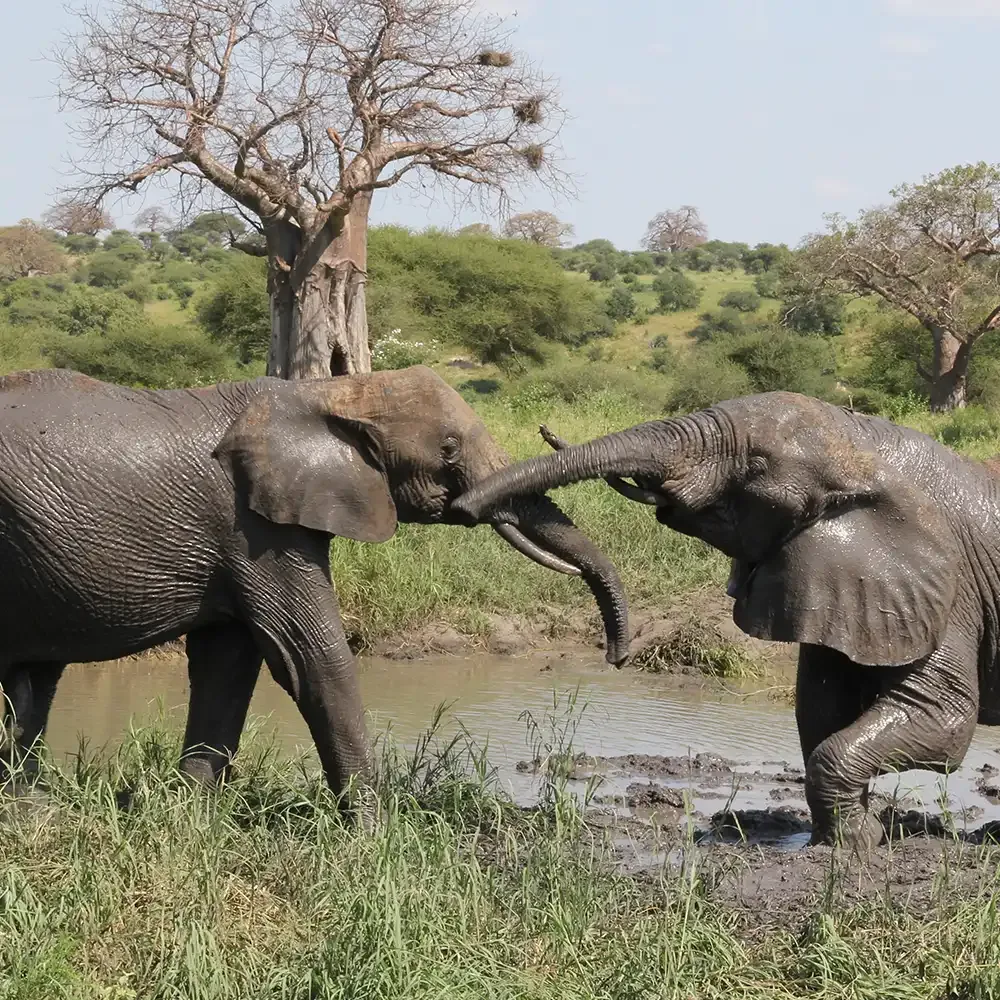
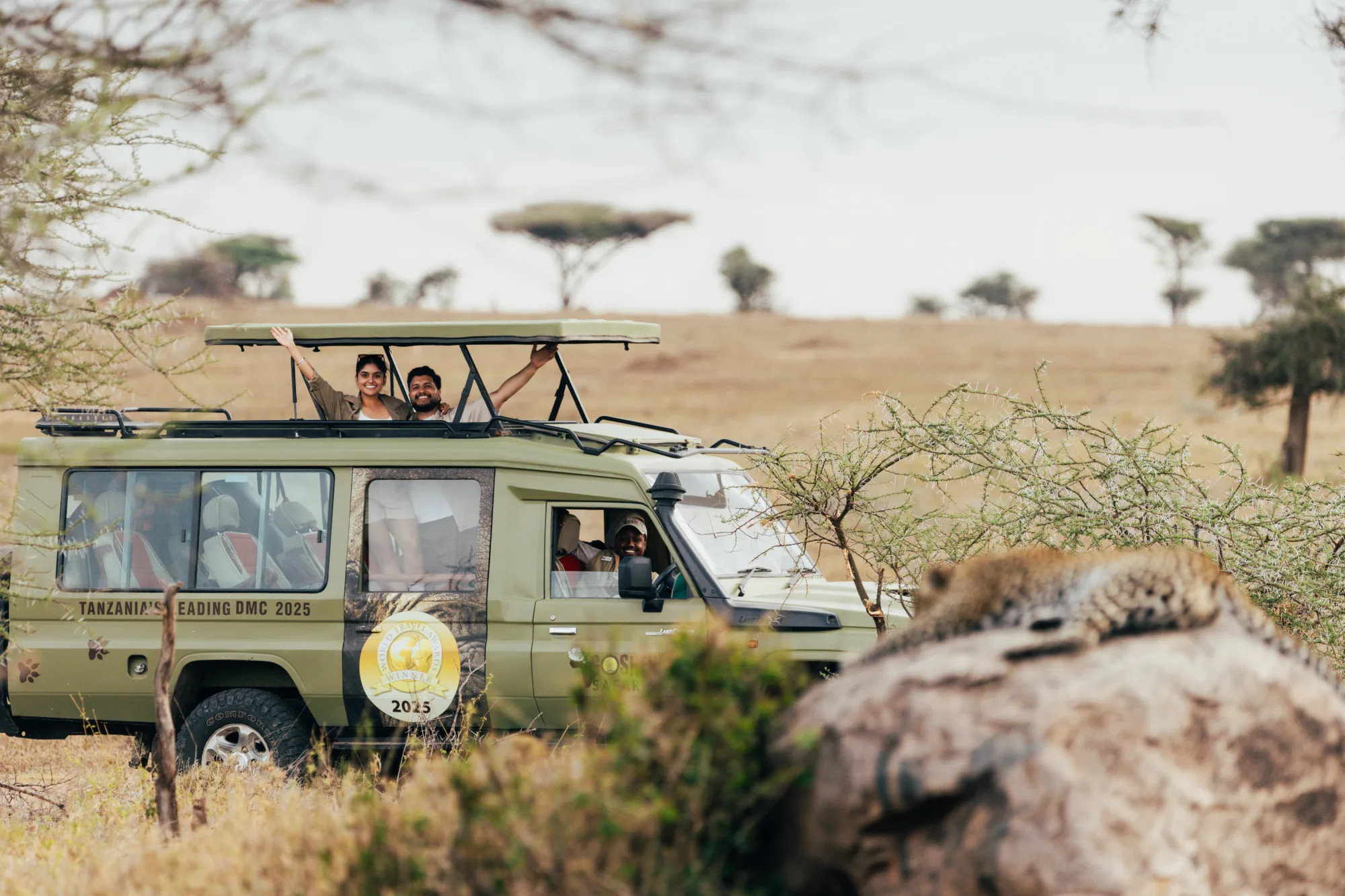
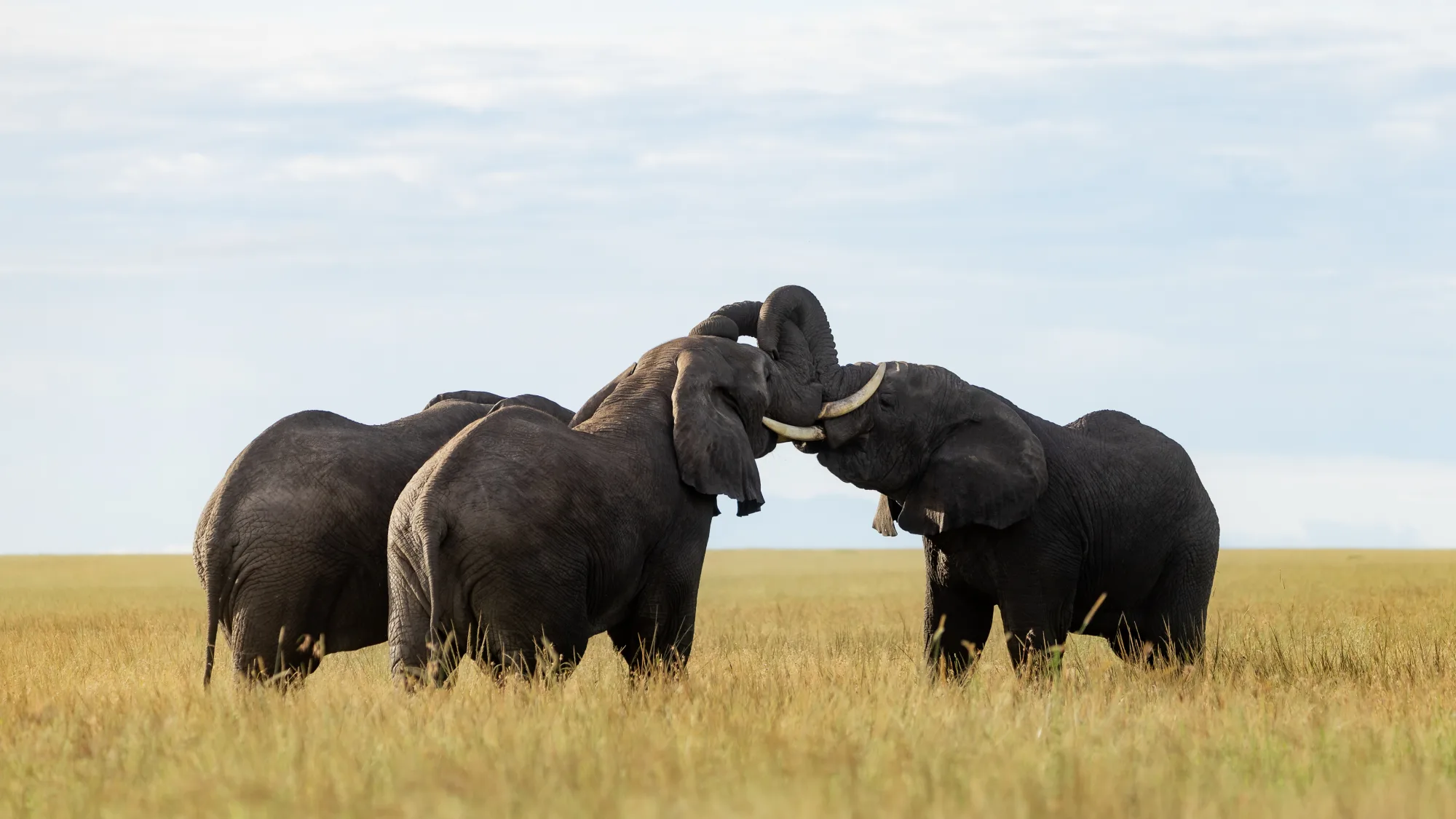
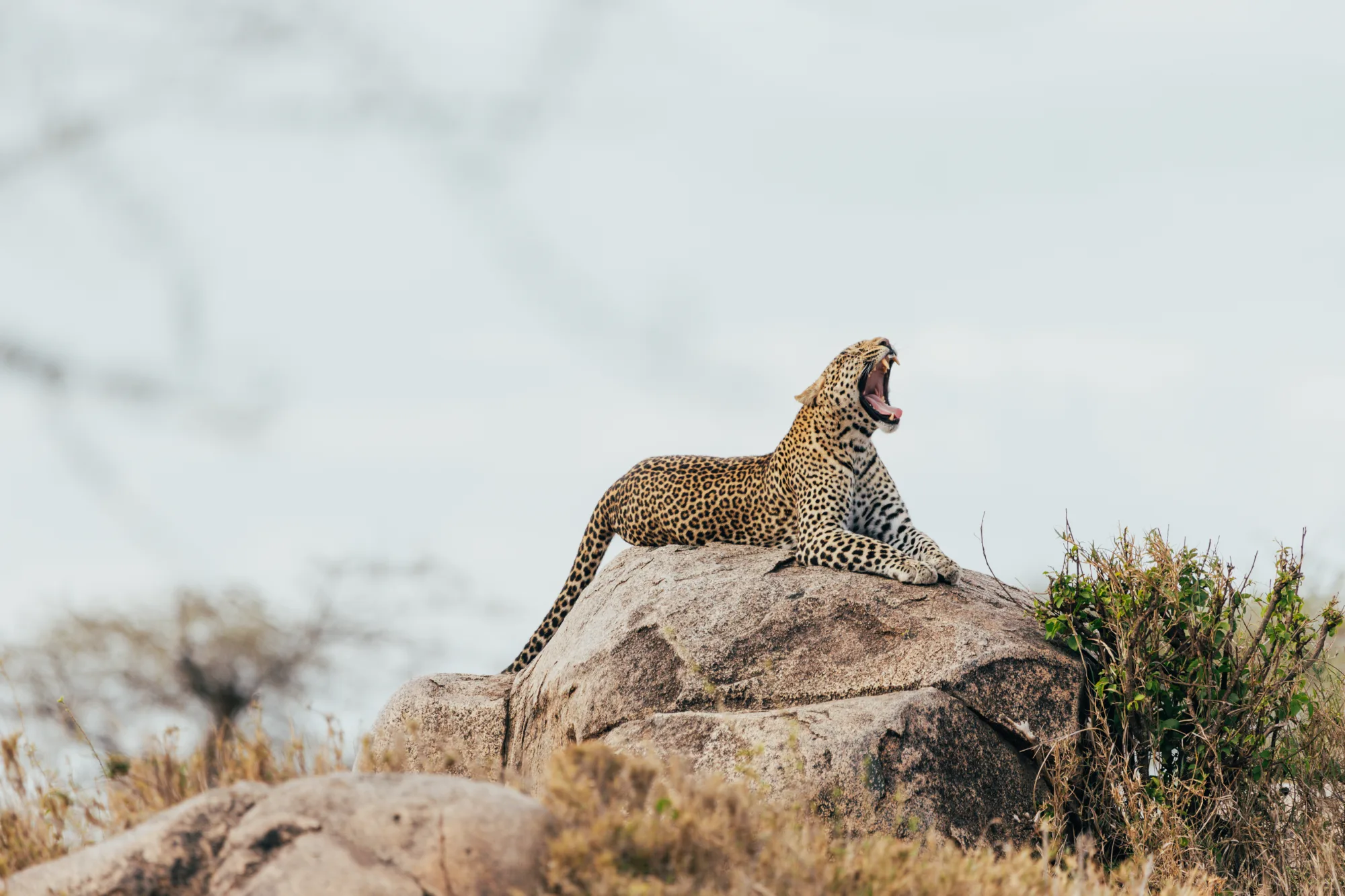
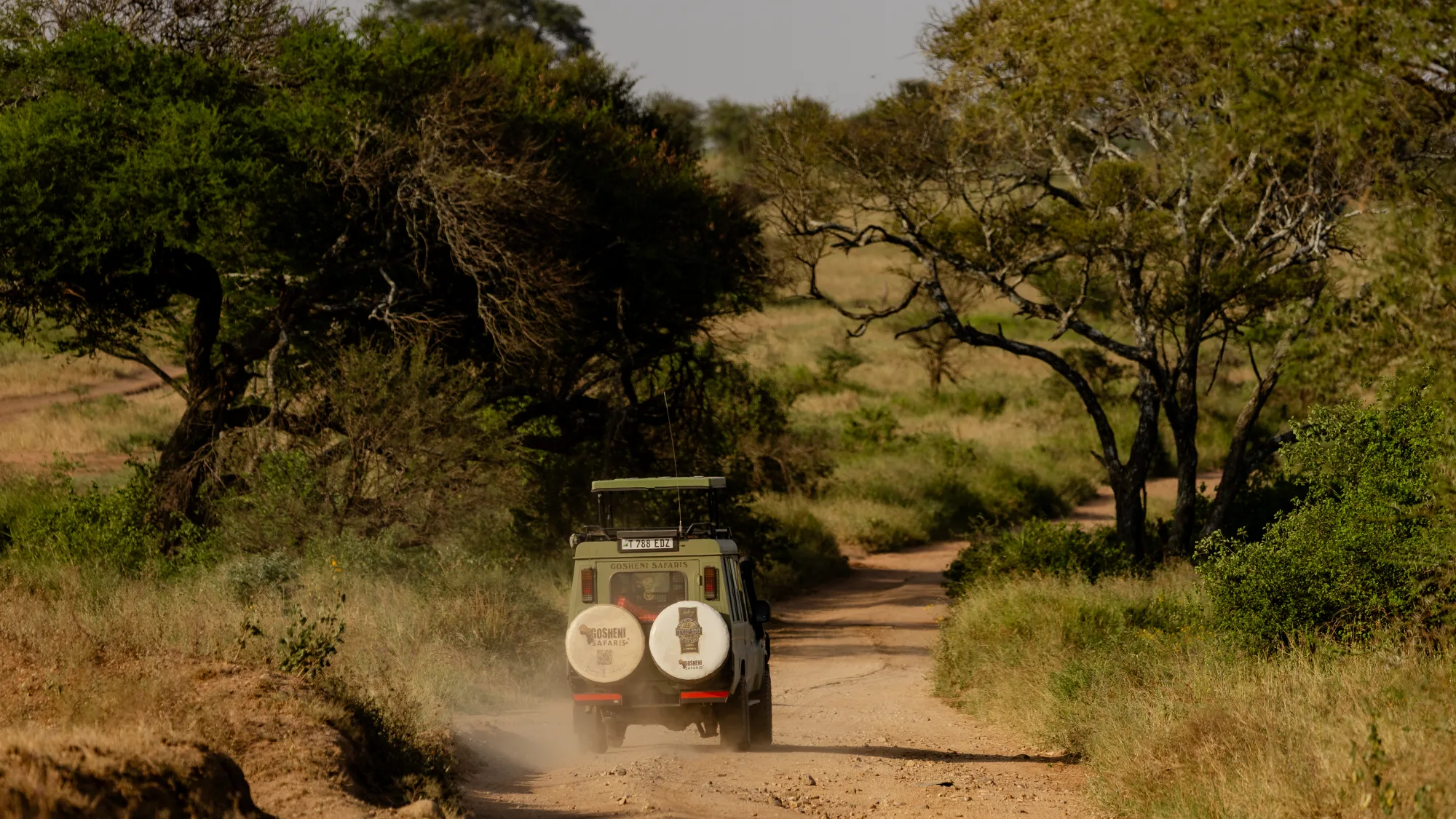
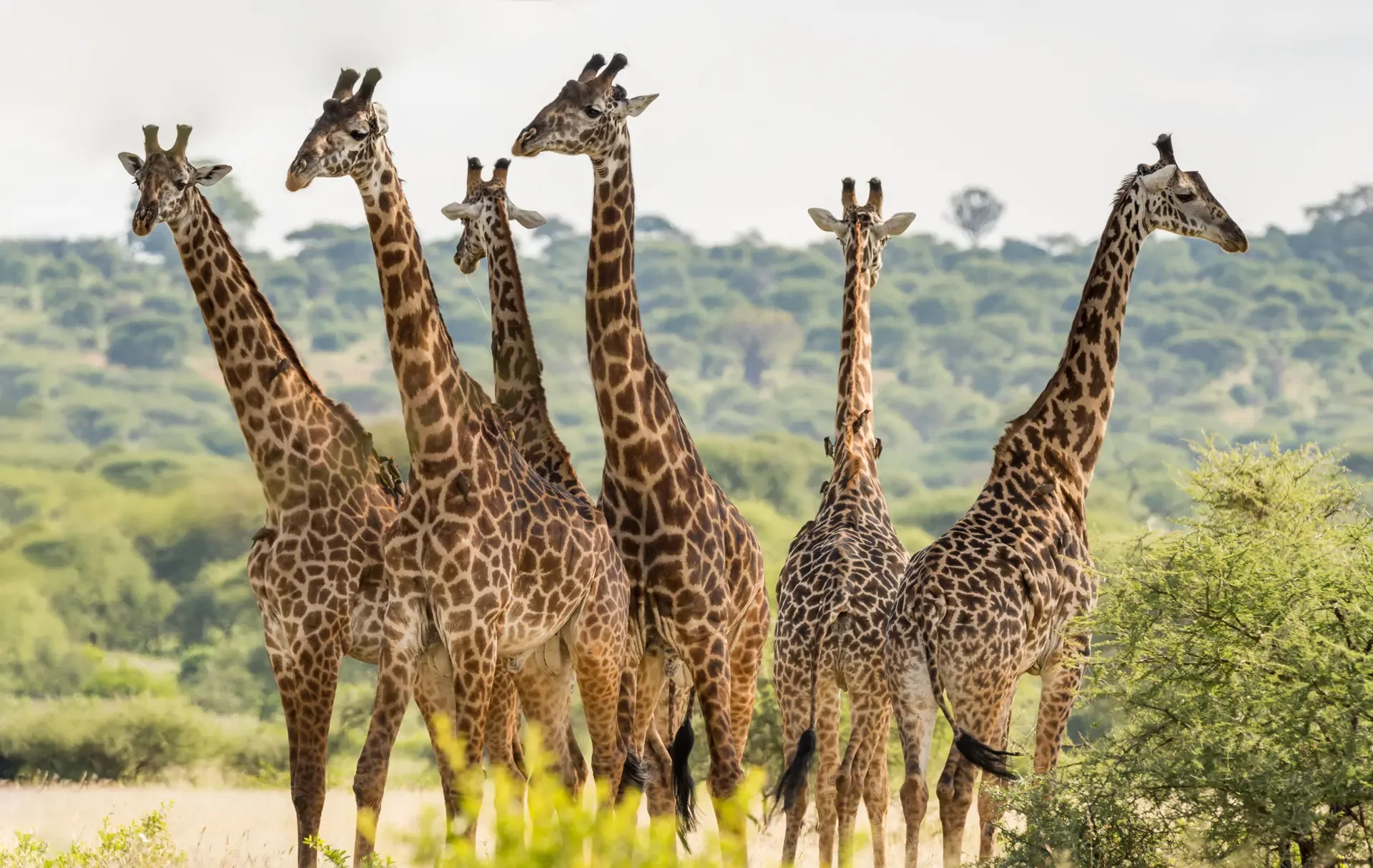
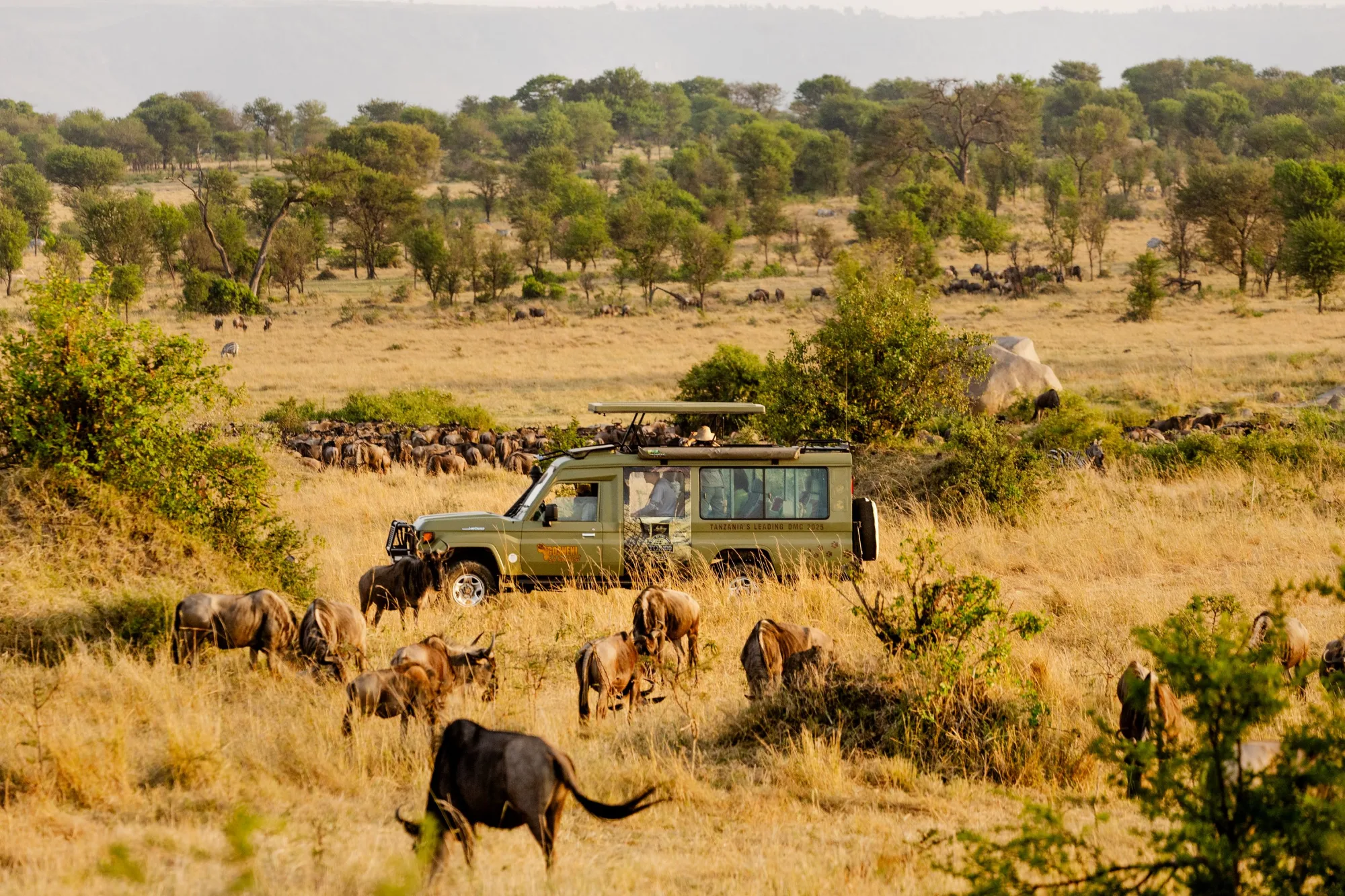
Tarangire National Park is in northern Tanzania, about 100 km south of Arusha and roughly two hours by road, and it is known above all for its elephants and its baobab trees. The park covers about 2,850 km² and takes its name from the Tarangire River, which runs through it. From June to October the river is one of the only reliable sources of water in the wider ecosystem, so thousands of animals move in to drink, and elephant herds can be up to 300 strong. Plenty of safari regulars call Tarangire Tanzania's best-kept secret. It was proclaimed a national park in 1970, taking in more of the greater Tarangire ecosystem than the reserve that came before it. The name is said to mean "winding river of warthogs", and there are warthogs everywhere, but they are not why people come. Because it is a short detour off the main Northern Circuit route, Tarangire often gets skipped. That is a mistake. It holds most of the animals you would see in the better-known parks, plus a few that are hard to find anywhere else in Tanzania, such as the fringe-eared oryx and the gerenuk, which keep to its drier corners. The baobabs, the swollen "upside-down trees", stand all over the park's hills, often with elephants sheltering underneath. More than 500 bird species have been recorded, including migrants that arrive with the rains, so this is one of the best parks in the country for birding. Other antelope to look for include Coke's hartebeest, dik-dik and Grant's gazelle. Lions, leopards, cheetahs and spotted hyenas are all seen here, and there is a chance of the endangered African wild dog. In the Silale Swamp the lions are known for lying up in the trees, out of reach of the tsetse flies. Game drives run in the cooler hours of the morning and late afternoon, when animals are most active, in a 4x4 with an experienced guide. Full days in the park are possible too. Permitted operators can offer night drives, looking for nocturnal animals such as civet and aardvark, and walking safaris that focus on plants, tracks and the smaller details of the bush.
Put it on your route
Weave Tarangire National into your journey
- Tailor-made itinerary within 24 hours
- Free & no obligation, unlimited revisions
- Planned by born-and-raised local experts
Tarangire National Park safari from Arusha
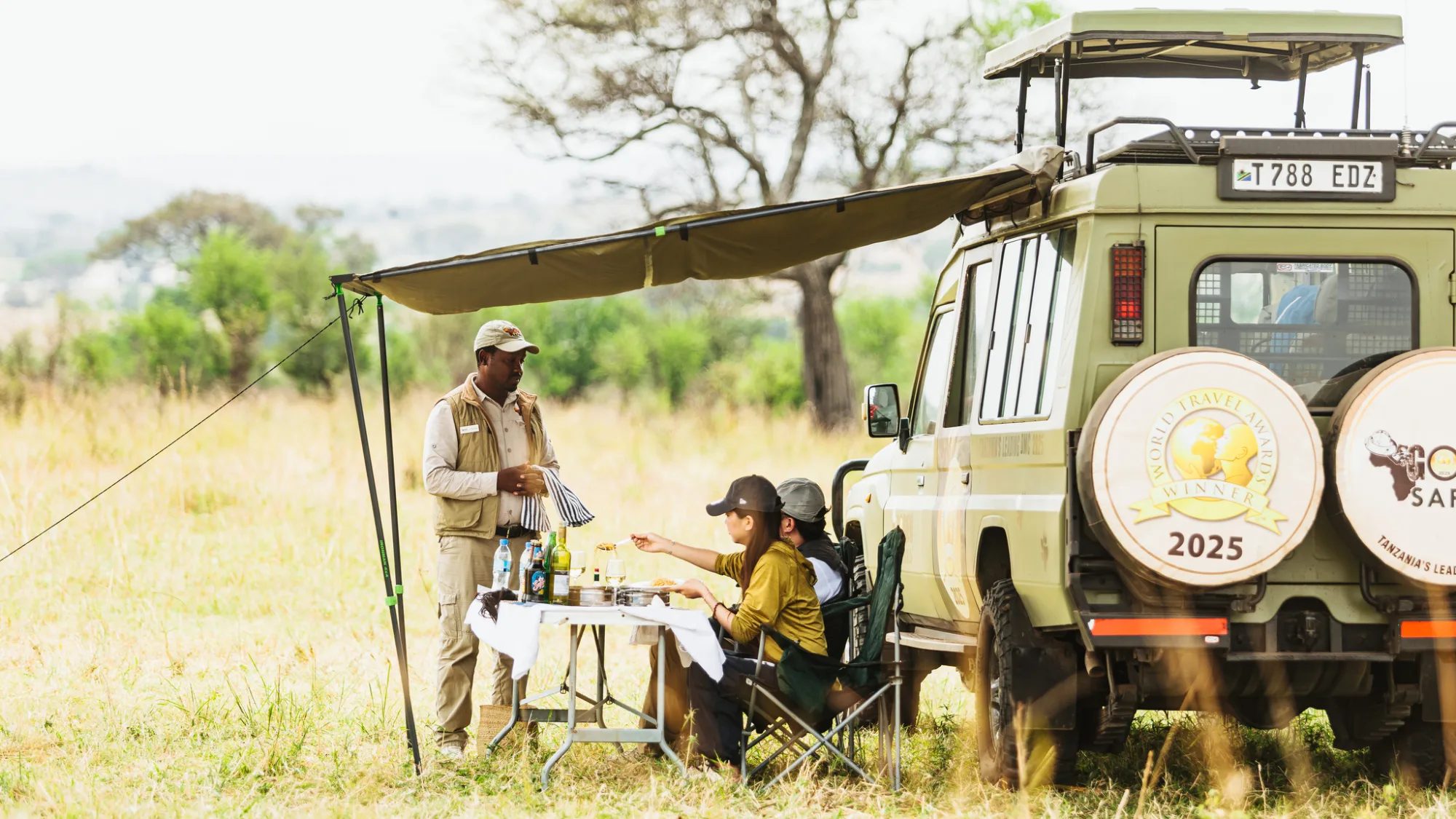
Tarangire is about two hours from Arusha, close enough for a day trip. Our Tarangire National Park Day Trip picks you up in Arusha early and spends the whole day on game drives along the river and through the baobab country, with a bush lunch in the park, before the drive back in the evening. Park entrance fees are included. On our live tour page on 27 October 2026 it costs US$235 per person for a group of six in peak season (16 May to 14 March) and US$550 for one person on their own.
A night or two in the area lets you be out at first light, when the animals are busiest. Tarangire also fits neatly at the start of a longer safari. The 6 Days Best Northern Tanzania Safari spends its first full day here before going on to the Ngorongoro Crater and the Serengeti.
Baobabs of Tarangire
The baobabs in Tarangire are African baobabs, Adansonia digitata, often called the upside-down tree because the bare branches look like roots. They grow 5 to 25 metres tall, and the trunk of an old tree can be 10 metres or more across. They soak up water in the rains and store it in the trunk and branches, and a large tree can hold well over 100,000 litres.
Nobody has dated Tarangire's own trees, but radiocarbon work elsewhere in Africa shows how old baobabs get. A tree known as Grootboom was at least 1,275 years old, and the Panke baobab in Zimbabwe was about 2,450 when it died in 2011. Look closely at the big trunks in Tarangire and you will see deep gouges. Elephants make them in dry spells, when they tear into the bark to eat the moist wood underneath.
For photographs, come in the dry season, June to October. Baobabs stand leafless for about eight months of the year, so their shapes stand out against the sky, and this is when the elephant herds gather along the river among them. Early morning and late afternoon give the softest light on the trunks.
Questions
Tarangire questions
About 100 km south, roughly two hours by road on tarmac, so a day trip works well.
June to October, the dry season. The Tarangire River is then one of the few places left to drink, so thousands of animals move in and the elephant herds are at their biggest.
Elephants, with herds of up to 300 in the dry season, and the old baobab trees scattered over its hills. More than 500 bird species have been recorded there too.
Yes. Our day trip from Arusha spends the whole day in the park with a bush lunch, and park fees are included. Two days gives you the early mornings, which are the best time for game.
Wildlife in Tarangire National Park
Tarangire is quieter than the other northern parks, so you often have a sighting to yourself. Numbers and variety swing with the seasons and peak in the dry months.
Elephants
Counts of up to about 3,000 elephants are quoted for the dry season, when they gather along the river. Herds can be 300 strong. There are elephants here at other times of year too, only fewer and more spread out.
The mini-migration
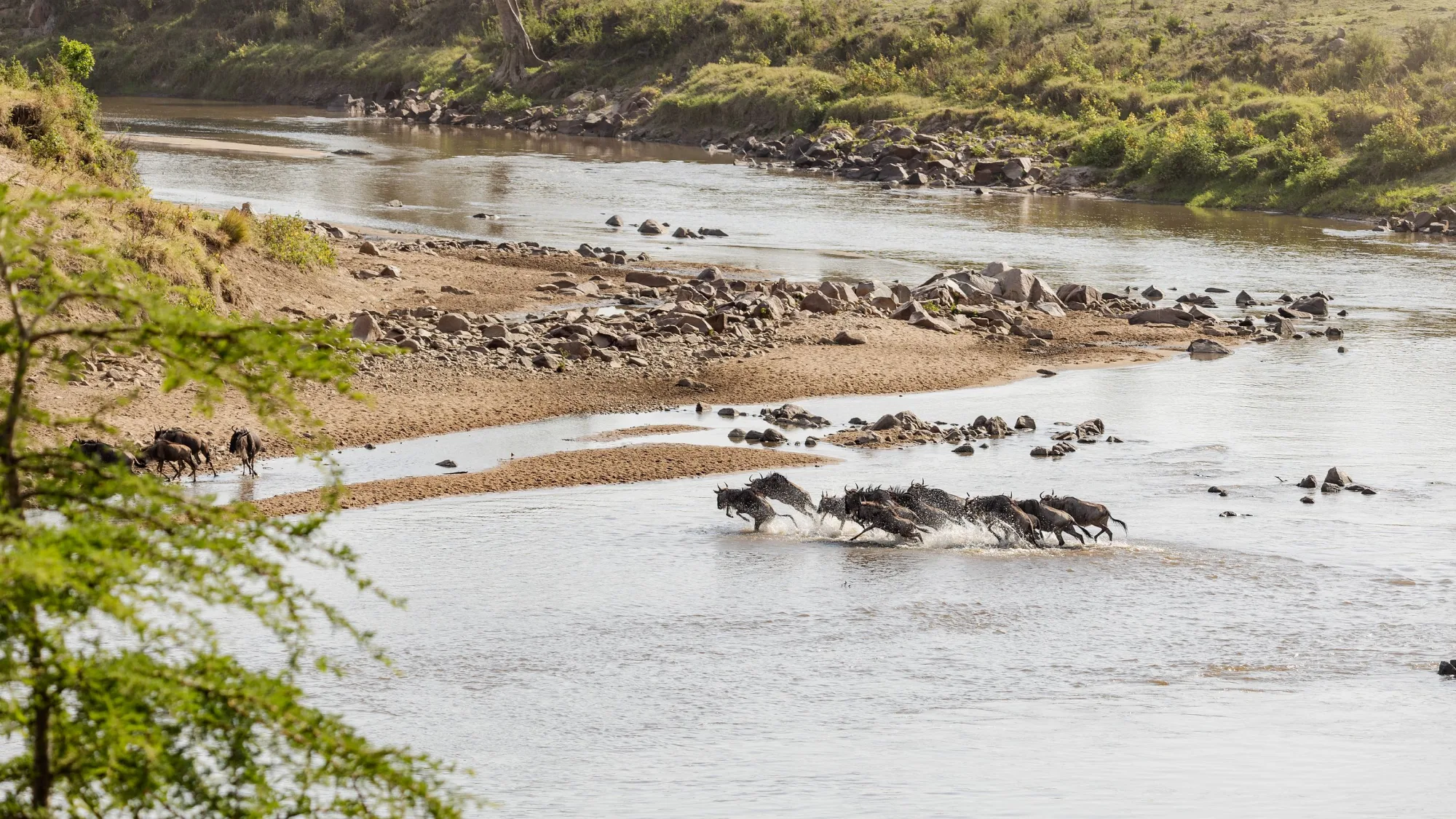
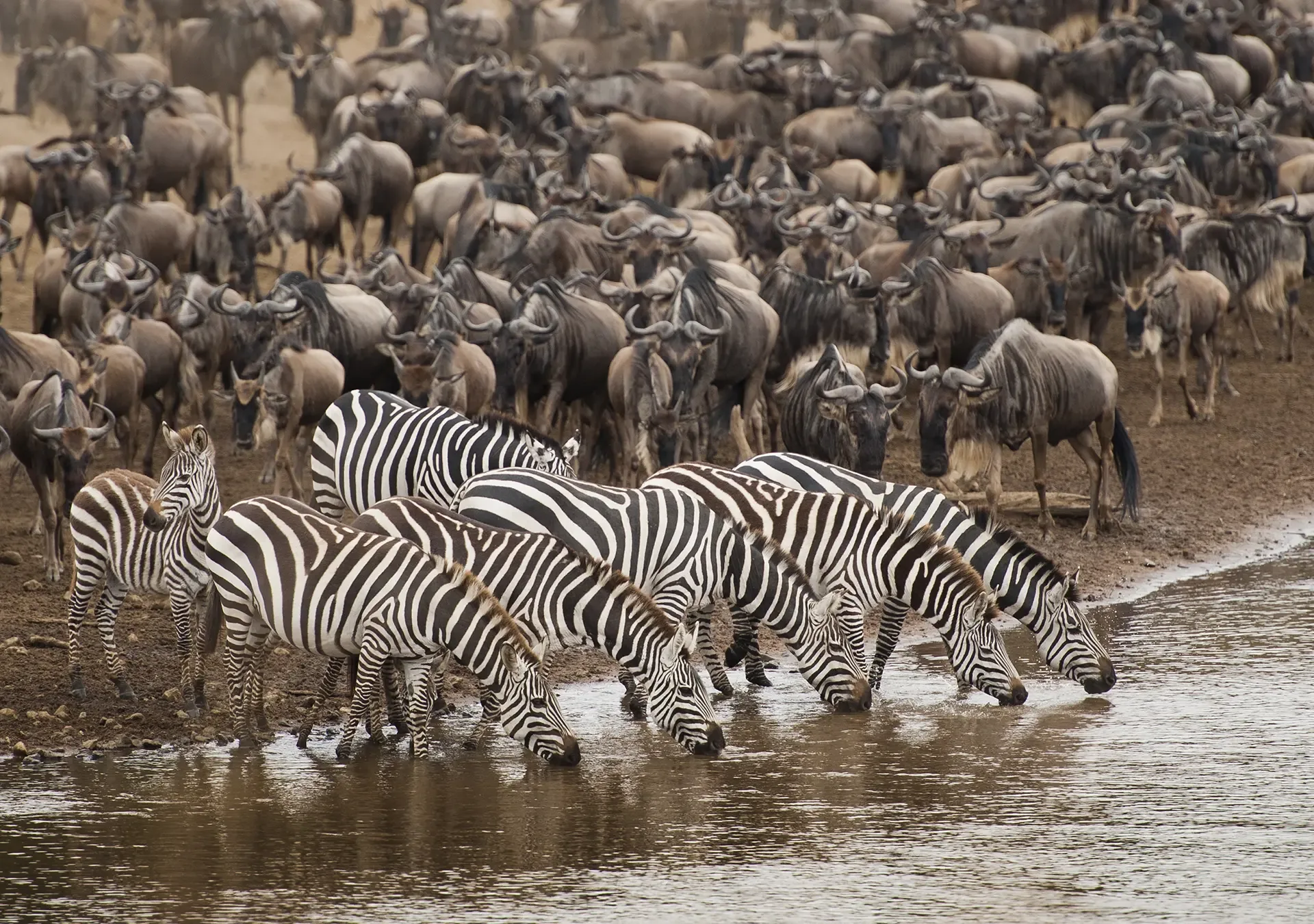
When the seasonal rivers and waterholes dry up, animals that grazed outside the park move in to the Tarangire River. Guides call it the mini-migration. It is nowhere near the scale of the Great Migration, but it is impressive in its own right, and as in the Serengeti, the arriving herds bring all the large predators. The river itself holds hippos and some very large crocodiles all year, and leopards are common in the thickets along its banks.
Animals you will not see in the Serengeti
The fringe-eared oryx and the gerenuk, the long-necked antelope that stands on its hind legs to browse, are not found in the Serengeti or the Ngorongoro Crater.
Predators
Lions, cheetahs, leopards and spotted hyenas are all seen well. African wild dogs are possible, and the western side of the park, near the Kitibong Hills, is where they are most often reported. If big cats are your priority, see our Big 5 safaris.
Birds
More than 500 species have been recorded, including the yellow-collared lovebird, which lives only in Tanzania. Bird numbers are at their best in the wet season, when migrants arrive and the swamps fill.
Areas of Tarangire National Park
The park is big enough that each section feels different. Where you stay decides which one you see most of.
Northern section
The main gate, the airstrip and the park headquarters are here. The gate sits on a bend of the Tarangire River, so the river is the first thing you see. The ground is fairly flat grassland with scattered woodland, and the baobabs stand out. Further in it turns hilly, with views of distant Lake Manyara and the Milima Mitatu peaks. In the wet season Lake Burungi holds hippos, crocodiles and waterfowl. In the dry season it can empty completely and leave a bed of white salt crystals. The Silale Swamps hold a resident lion pride.
Tarangire River
The river runs south to north through the park and is the reason most of the wildlife is here. Waterholes dry up after the rains, and the animals that were grazing outside the park gather along it. Water and thick growth on the banks also draw a lot of birds.
Western section
Nutritious grassland on the Gursi Plains and pockets of combretum and acacia woodland suit elephants and buffalo, and where there are grazers, predators follow. Lions and spotted hyenas are seen often. This is also the part of the park where wild dogs, mostly near the Kitibong Hills, are most likely.
Southern section
The south is remote, with a few camps and very little park infrastructure. Swamps and wetlands cut off some roads in the wet season. That also makes it the quietest part of the park and the place where most walking safaris are done. There are fewer lions and hyenas in the south, so cheetahs and ostriches are seen fairly often. The wetlands are full of waterbirds until they dry out.
Things to do in Tarangire National Park
Game drives are the main activity, with night drives and walking safaris where operators are permitted. A few other things are worth building into the trip.
- Step inside a baobab. Some of the hollow trunks are big enough to stand in. The "Poacher's Hide" tree is the one visitors are usually shown.
- Visit a Maasai or Barabaig homestead. A visit gives you a look at the daily life and history of two long-established cultures.
- See rock paintings. Hundreds of prehistoric paintings are found in the Kolo area, outside the park. It is a day trip from Tarangire and works well on a day with no game drive.
- Birdwatch. The river, swamps and woodland each bring different birds, so ask your guide to spend time in each.
Tarangire sits on the way between Lake Manyara, the Ngorongoro Crater and the Serengeti, so it is easy to combine with any of them.
Landscape of Tarangire National Park
The Tarangire River is flanked by floodplains and stands of riverine forest. In the north, rolling savanna gives way to hill country with thick-trunked baobabs and open mixed combretum and acacia woodland. Low ground floods in the wet season and leaves green swamps full of insects and birdsong. On the grassland, abandoned termite mounds several metres high become homes for dwarf mongooses and other burrowing animals.
After the rains Tarangire is lush and green, but it can get very dry. Between the grasslands, granite ridges, valleys, swamps and forest it is a complex mix of habitats, and the wildlife uses all of them.
Weather and best time to visit Tarangire
The dry season, June to October, gives the best game viewing. The vegetation is thin, the river is the main water and the animals come to it. The wet season is quieter and greener, and it is when birdwatchers do best, though some roads may be impassable.
| Months | Weather | On safari |
|---|---|---|
| January and February | A dry spell after the short rains. Timing is hard to predict. | Green and quiet. The animals are still spread out. |
| March to May | The long rains. Rain falls on most days but rarely all day. Skies are often cloudy, and cold fronts in April and May can make it much cooler. | Some parts of the park may be cut off by flooding. Birds are at their most varied. |
| June to October | Typically no rain. Temperatures range from about 14°C to 26°C. | Best game viewing. Animals concentrate along the river. |
| November and December | The short rains: unreliable, with brief daily showers for up to four weeks. Days average about 28°C and nights about 16°C. | Migrant birds arrive and the park turns green. |
For the elephant herds, plan for July to October. Mornings and evenings are cool, so bring a warm layer for early game drives.
More questions about Tarangire
Why is Tarangire less crowded than other parks?
It is a short detour off the main Northern Circuit route, so many itineraries skip it. That means fewer vehicles at each sighting and more sense of being in the wilderness.
Is the whole park open all year?
Not always. In the wet season, swamps and wetlands can cut off roads, especially in the south. Your guide will know which tracks are open.
Where do you see African wild dogs in Tarangire?
Mostly in the west, near the Kitibong Hills. They are highly endangered and sightings are never certain.
Is Tarangire good for birdwatching?
Yes. More than 500 species are recorded, and the wet season brings migrants and the greatest variety.
Find your bearings
Tarangire National Park in context
Neighbouring destinations in Tanzania, tap any marker.
Ready-made journeys
Safaris visiting Tarangire National Park
Every journey is tailor-made, use these as your starting point.
Related articles
Tarangire National Park is calling
Make it part of your journey
A specialist crafts your tailor-made itinerary within 24 hours, free, no obligation, shaped entirely around you.